
Costs & pricing
The cost of waiting: what untrained behaviour tends to become
Nobody decides to let a problem grow. It happens one ordinary walk at a time, while the pulling gets a little stronger and the bark at the window gets a little quicker, and the plan to deal with it moves to next month. This page is about what that drift tends to cost, in plain terms rather than scare statistics, and about the real cases where waiting is the wiser call.
Last reviewed October 4, 2026
How habits rehearse
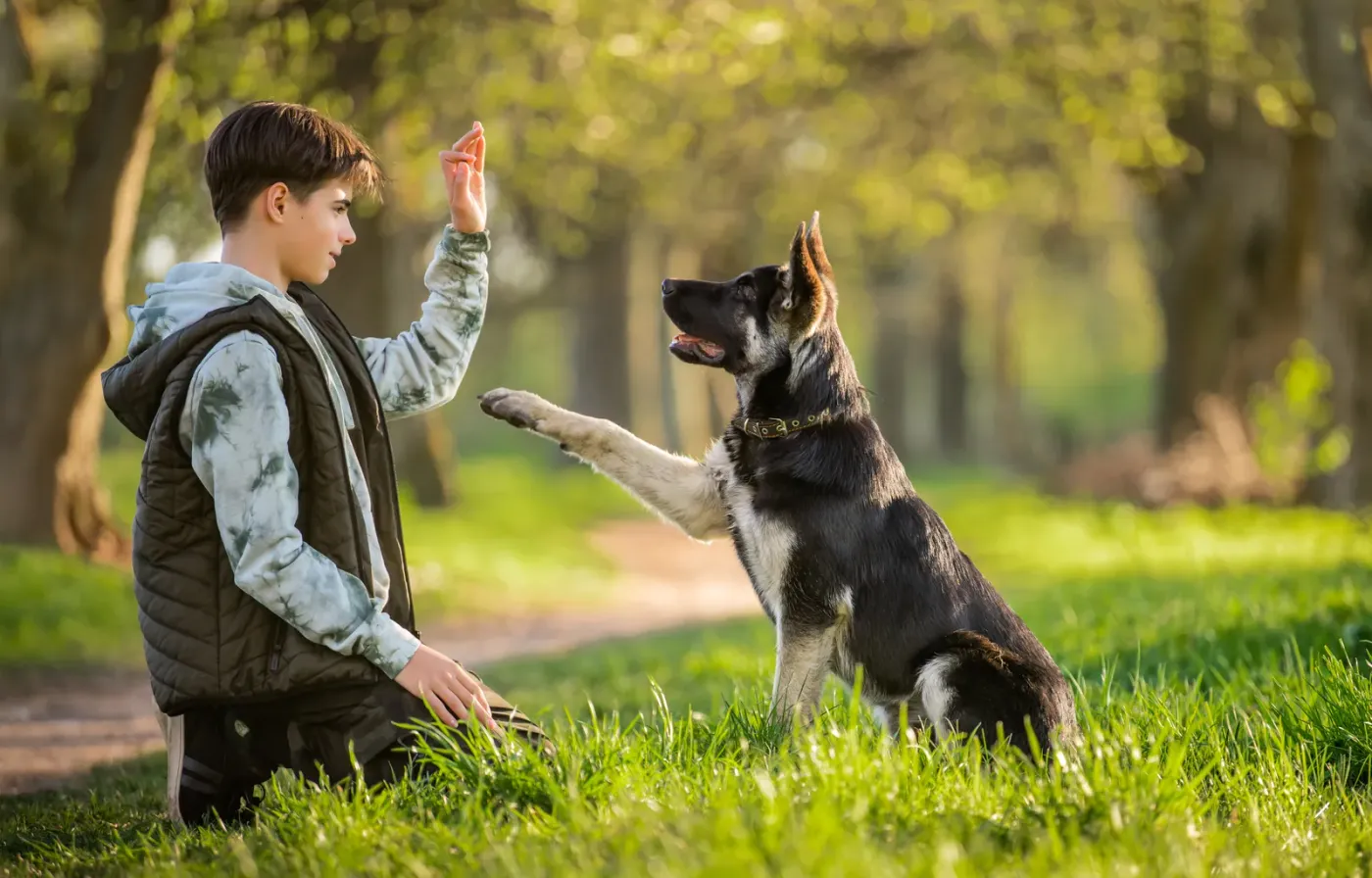
Every repetition is a training session, whichever direction it points.
A dog does not know the difference between a lesson and a Tuesday. If pulling on the leash gets him to the fire hydrant, pulling has just been paid, and tomorrow it tends to be a little harder. Pulling that is paid for long enough often turns into lunging. If a growl over the food bowl makes the hand go away, the growl worked. Punish it instead of understanding it and some dogs stop warning and go straight to teeth.
Puppy fears follow the same path. A pup spooked by a skateboard and never carefully reintroduced often carries that worry into a bigger, louder adult body. Earlier work is usually smaller work. A short-history manners problem is what two-week On-Leash Foundations, $1,865 plus GST, is built for; a fear with years of rehearsal is what five-to-six-week Behaviour Rehab, from $4,850 plus GST, is built for. As arithmetic, those published prices sit $2,985 apart, and nobody can forecast which dog crosses that gap.
- Paid pulling tends toward lunging
- Punished growls can skip to teeth
- Puppy fears can harden with age
- Shorter history, smaller work
When waiting is right
The honest cases where holding off is the better call.
A newly adopted dog is the clearest case. Much of what looks like a behaviour problem in a dog who arrived last week is simply a dog reading a new room. Give that dog routine, management and calm first: a gate at the kitchen, a quiet room of their own, no parade of visitors. If the barking, hiding or stiffening persists once the dog has settled, or escalates at any point, that is the moment to bring in a professional rather than keep waiting.
The second case is a change that arrives suddenly. A dog who has been easy for years and starts snapping when touched, or a dog who goes off food and growls at the family, needs a vet before a trainer. Pain and illness often show up as behaviour, and no training plan should start until a medical cause has been looked for. What does not work is waiting for the behaviour to fix itself. Habits with no plan behind them tend to grow.

Asked and answered
The questions people ask us.
Does a dog's behaviour get worse if you don't train it?
Often, yes, because every rehearsal that pays off makes the habit a little stronger, and nobody is standing still. Pulling tends toward lunging, guarding that works tends to be repeated, and fears that are never addressed tend to settle in. None of that is certain for any individual dog, which is why it is worth having a professional look sooner rather than later.
Is it ever too late to train an older dog?
No. Adult and senior dogs learn, and apart from Puppy Fundamentals nothing in our programs is built only for puppies. What changes with age is the amount of rehearsal behind the habit, which tends to mean more deliberate work rather than no work.
Should a rescue dog settle in before training starts?
Give a new dog routine, management and quiet before a formal program, since early behaviour is often a dog reading a new home. Settling in and structure are not opposites, though: a predictable day is part of settling. If worrying behaviour persists after the dog has clearly settled, or escalates, bring in a professional.
Should you wait and see if a dog suddenly starts growling at the family?
No, and do not punish the growl either, since a growl is information. A sudden change in a previously easy dog is a vet visit first, because pain and illness often show up as behaviour. Once medical causes have been looked at, a professional assessment is the next step, not waiting.
Keep reading
Smaller now beats bigger later
Book a consultation. We will say whether this is a leash habit, a vet question first, or a case for a bigger plan.
From real owners
Rated 5.0 on Google.
Real Northline dogs