
Straight answer
What to expect at a dog training consultation
People arrive at a consultation braced for a sales pitch, or worried their dog will misbehave and fail some kind of test. Neither happens. The dog cannot fail, and the pitch is replaced by questions. This page walks through what we ask, what we watch for, how we arrive at a recommendation, and what you can do beforehand to make the time count.
Last reviewed August 26, 2026
Step by step
Questions first, then we watch the dog.
We start by asking. How old is the dog, where did it come from, what has been tried, who lives in the house, and what does a bad day look like in detail. Then the question most people have not been asked: what would a good outcome actually look like for you. A calm walk past other dogs is a different job from off-leash hiking, and the answer shapes everything after it.
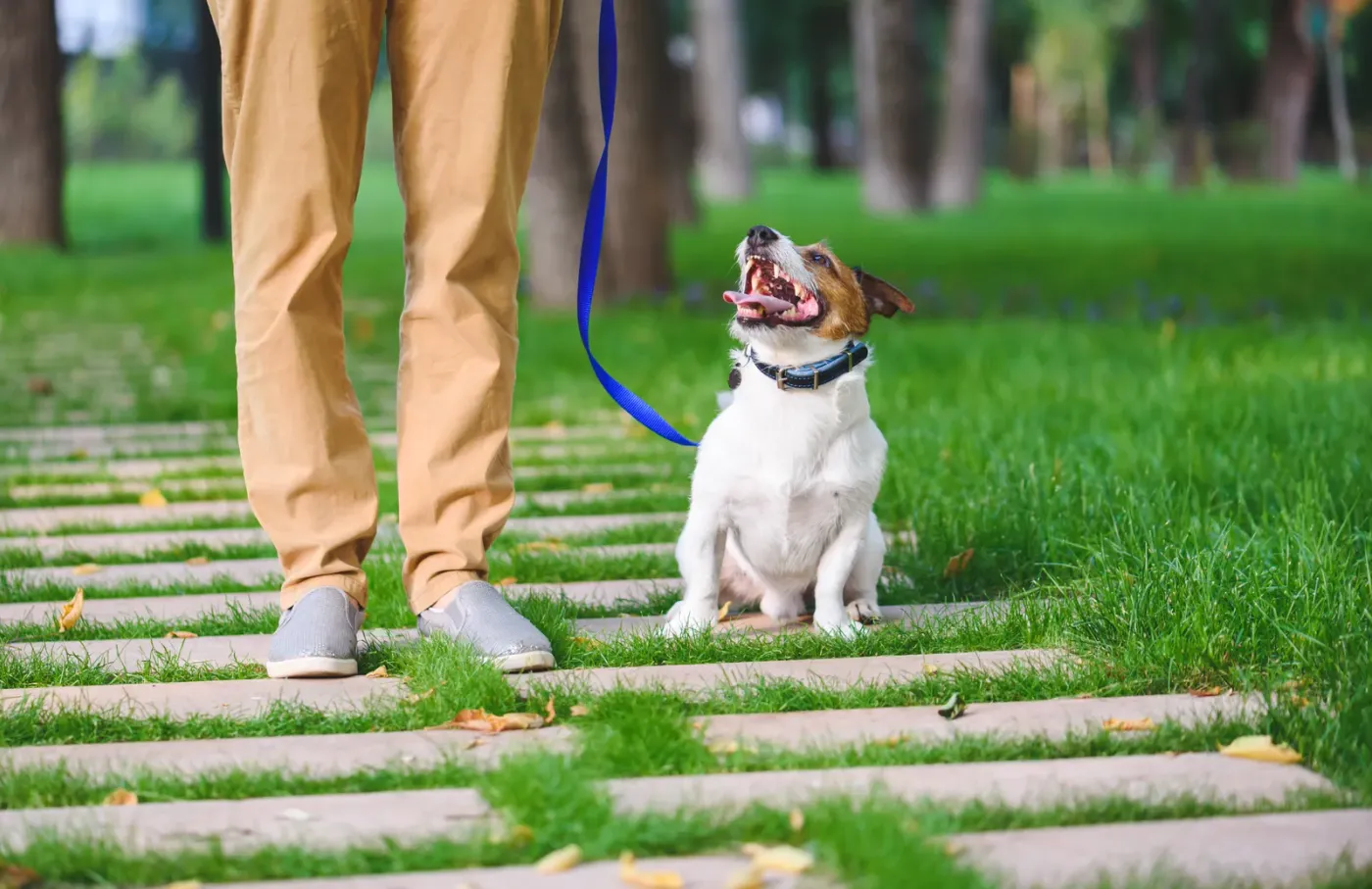
Then we watch. How the dog enters a new space, whether it checks in with you or ignores you, how it takes food, how it handles a leash and a stranger. Nothing is staged and nothing is being graded. From that, you get a recommendation with a price plus GST: sometimes a five to six week Behaviour Rehab stay, other times two private sessions at $150 each. If the smaller option will do the job, that is the one we recommend.
- History and household questions
- Your real goal, in detail
- Unstaged observation of the dog
- Straight recommendation with pricing
Before you come
Bring the history, the video and the honest goal.
Write the timeline down before you arrive: when the behaviour started, what changed around then, what you have tried and for how long. Memory edits these things. If the problem is something that will not show up in front of a stranger, like barking at the window or guarding the couch, film it on your phone. Thirty seconds of the real thing beats ten minutes of description, and it lets us see the body language before the bark.
Bring your real goal, not the polite version. If what you want is to stop dreading walks, say that, because it points to a different plan than wanting a dog who can hike off leash. Bring the budget conversation too; a program that fits is better than a bigger one you resent paying for. And bring your questions: what tools we would use, why, and what happens after the handover. Good questions get better answers.
The programs
What choosing us looks like.
The formats below are how most owners start; prices are public on every one.
W · One-hour session
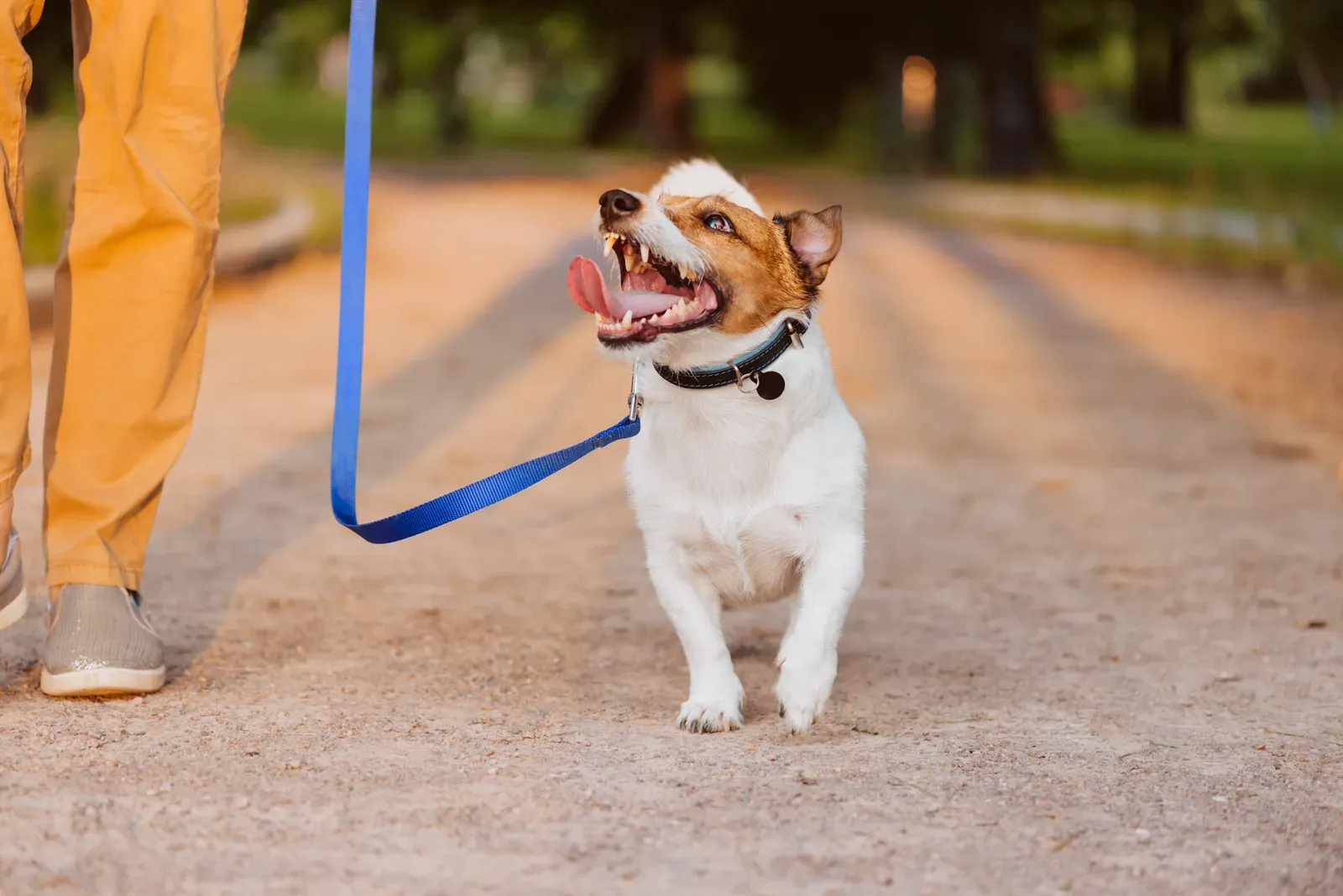
Private Training
One-on-one coaching with you on the other end of the leash.
Includes a written weekly plan to work from
NE · 2-week board & train
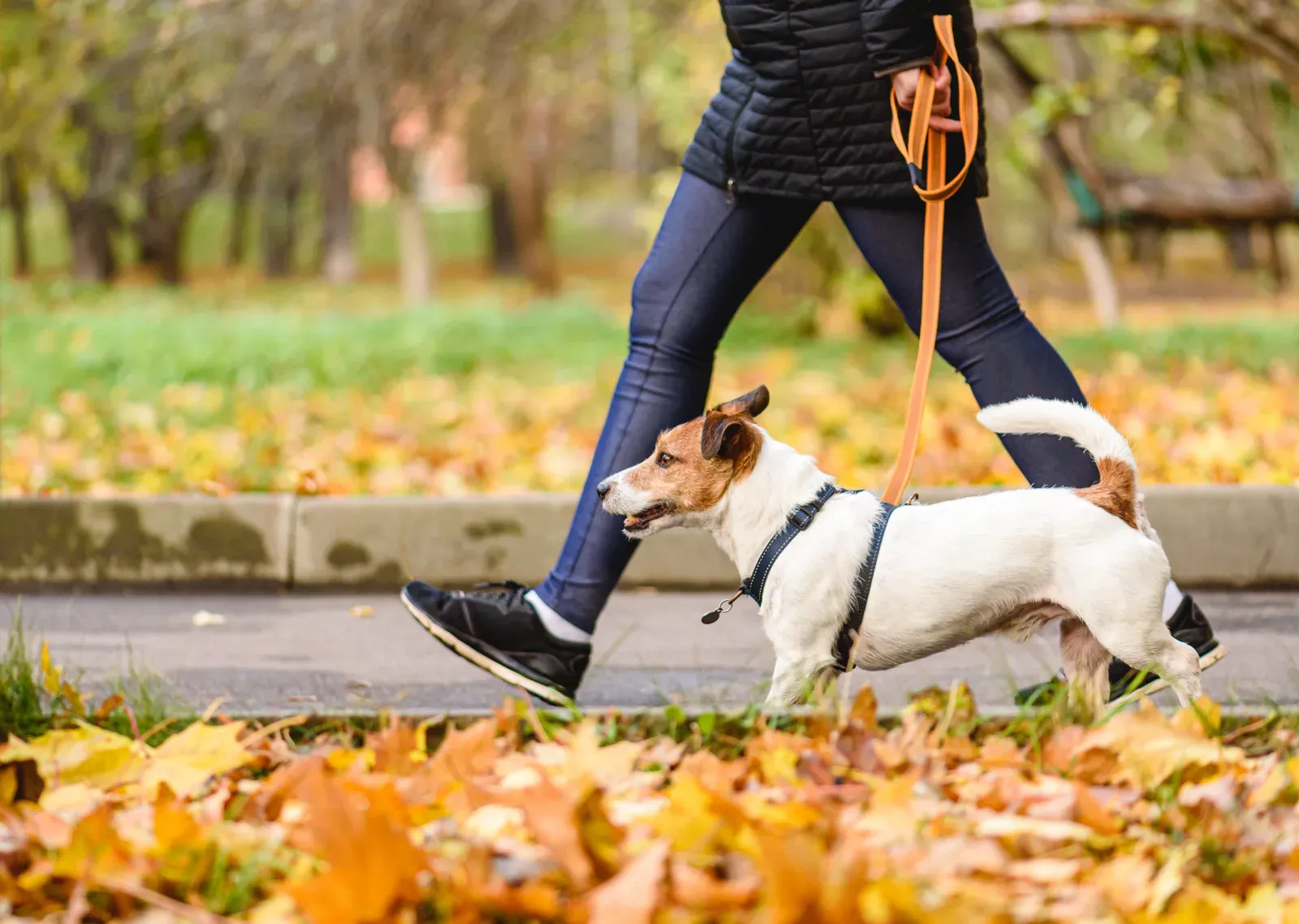
On-Leash Foundations
If every walk is a wrestling match, pulling, barking, zig-zagging, this two-week program rebuilds the walk from the ground up with foundational on-leash obedience..
Includes handover lesson, follow-up session, lifetime support, slip lead + collar
Asked and answered
The questions people ask us.
What happens at a dog training consultation?
You answer questions about the dog's history, your household and your goal, then we observe the dog in an unstaged way: entering, greeting, taking food, handling a leash. It ends with a specific recommendation and a price plus GST.
What should I expect if my dog misbehaves at the consultation?
Nothing bad. A dog that pulls, barks or hides is showing us exactly what we need to see, and it shapes a better recommendation. There is no test and no score.
What should I bring to a first meeting with a dog trainer?
A written timeline of the behaviour, a phone video of it if it only happens at home, and an honest statement of what you want to be different. A collar and leash the dog already wears is useful too.
What should I ask at a dog training consultation?
Ask which tools would be used on your dog and why, how you will be taught to use them, and what support exists after the program ends. Then ask whether a smaller option would work; a trainer who answers that one honestly is worth keeping.
Keep reading
See it for yourself
Book a consultation and bring the dog, the history and the real goal. We will handle the rest.
From real owners
Rated 5.0 on Google.
Real Northline dogs