Private training
Private training for leash pulling
Dogs pull for different reasons. Many are excited and the world is faster than we are; some are worried and want distance; some are uncomfortable in their gear; and for many, pulling has worked, because it gets to the smell. We do not start from blame. In a private session we look at your dog, your equipment and the walks you take, then coach the handling and build a plan you can walk with.
Last reviewed September 29, 2026
Handling and timing
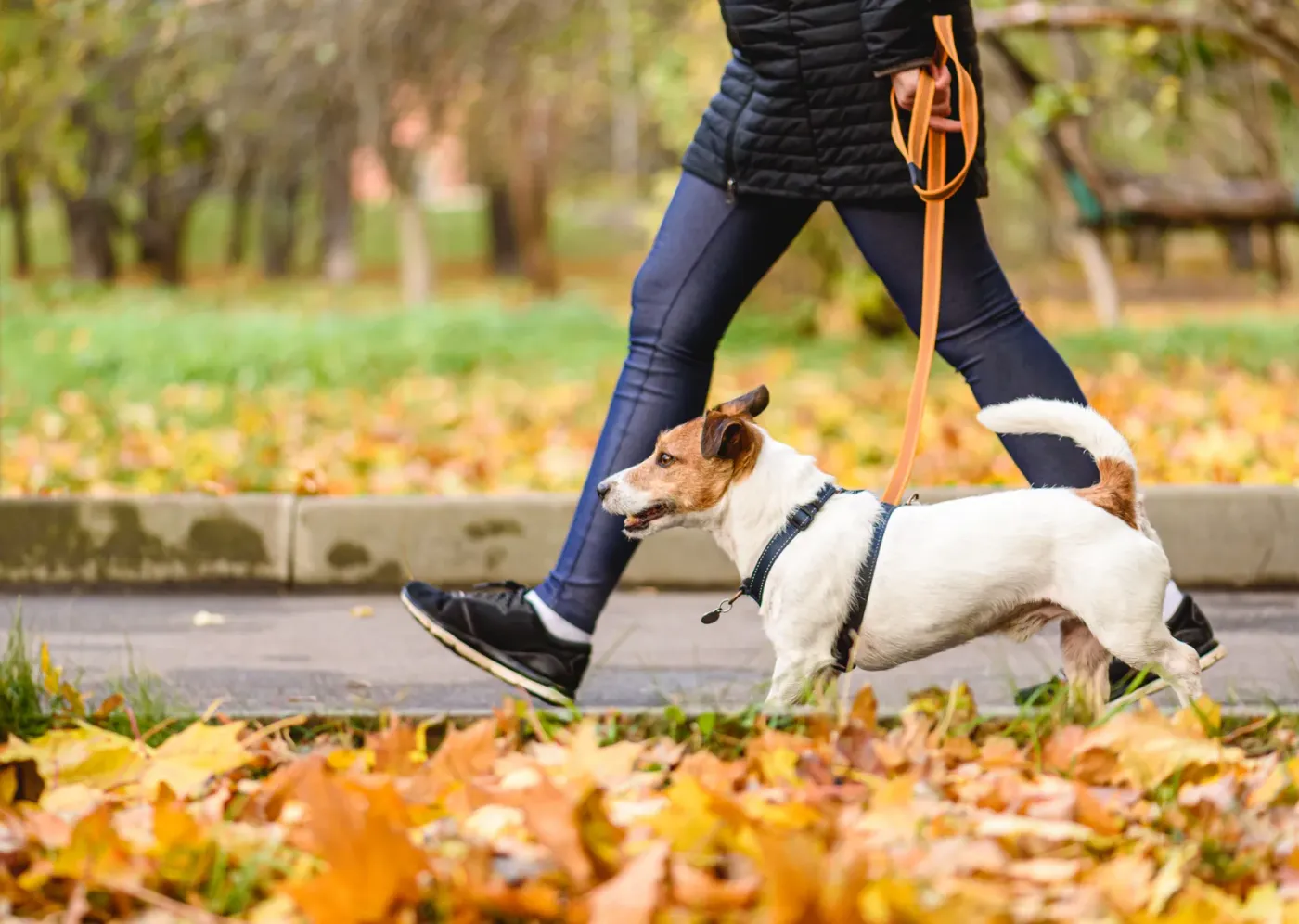
Quiet routes, comfortable gear, then the turn we coach.
We put management first. Before anyone works on position, we look at where the walk happens: a quiet route at a quiet time, away from the dog park and the busy corner, gives the dog a chance to notice you. We check the equipment, because a dog that may be uncomfortable in its gear has a reason to keep pulling. Then the hands: where they sit, how much slack is normal, and how to stop the leash becoming a tow rope.
Timing and the turn are coached together. When the leash tightens, nobody yanks or spins. We coach you to slow down, give a soft cue and turn away so the dog can choose to follow, then mark and reward the moment it is back in position. Position gets paid; tension does not. Calm, well-paid repetitions tend to help more than a single correction, though no amount of repetition is a promise. Each session is $150 + GST.
- Quiet routes before busy ones
- Gear checked for comfort
- Soft cue, no jerking
- Mark and pay for position
Your week matters
When the walk needs more practice than the week can hold.
Some pulling is an old habit, some is arousal that spikes at a squirrel, and some is a dog that has never been shown another way. Any of those may respond to coaching; how far it goes depends on the dog, the routes and how much practice your household can give it. If your week is packed, that is not a failing; it is information. We would rather hear it at the consultation than have the written weekly plan sit in a drawer.
On-Leash Foundations is the program built for dogs who drag, lunge at squirrels or treat the leash as a suggestion: a two-week board and train at $1,865 + GST, working on loose-leash walking, heel, sit, down, stay and place around everyday distractions, with a slip lead and training collar to take home, a follow-up session and lifetime phone and email support. The handover lesson covers the handling. The consultation recommends the program that fits, and coaching is recommended when coaching is enough.
The programs
Programs and prices
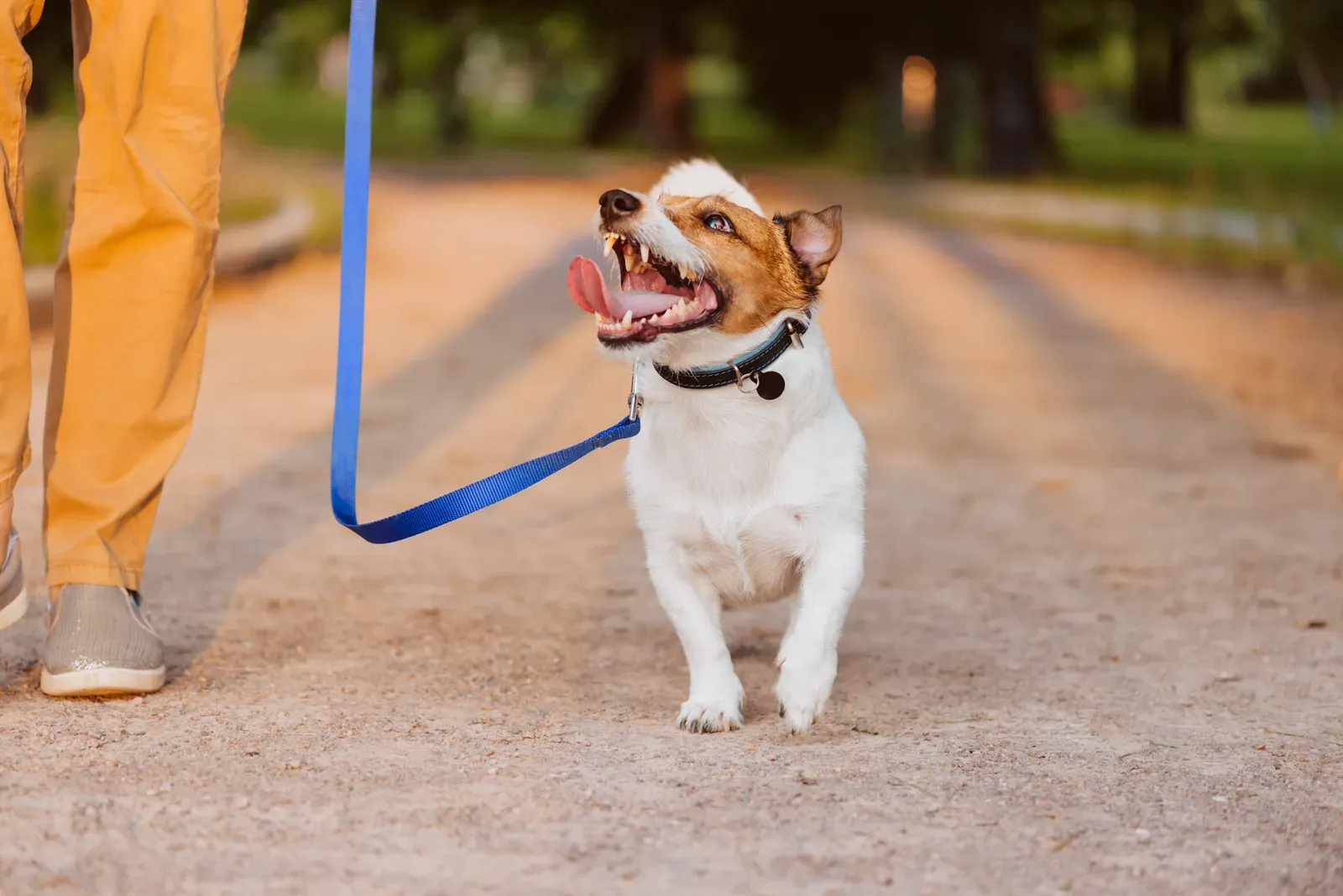
W · One-hour session
Private Training
One-on-one coaching with you on the other end of the leash.
Includes a written weekly plan to work from
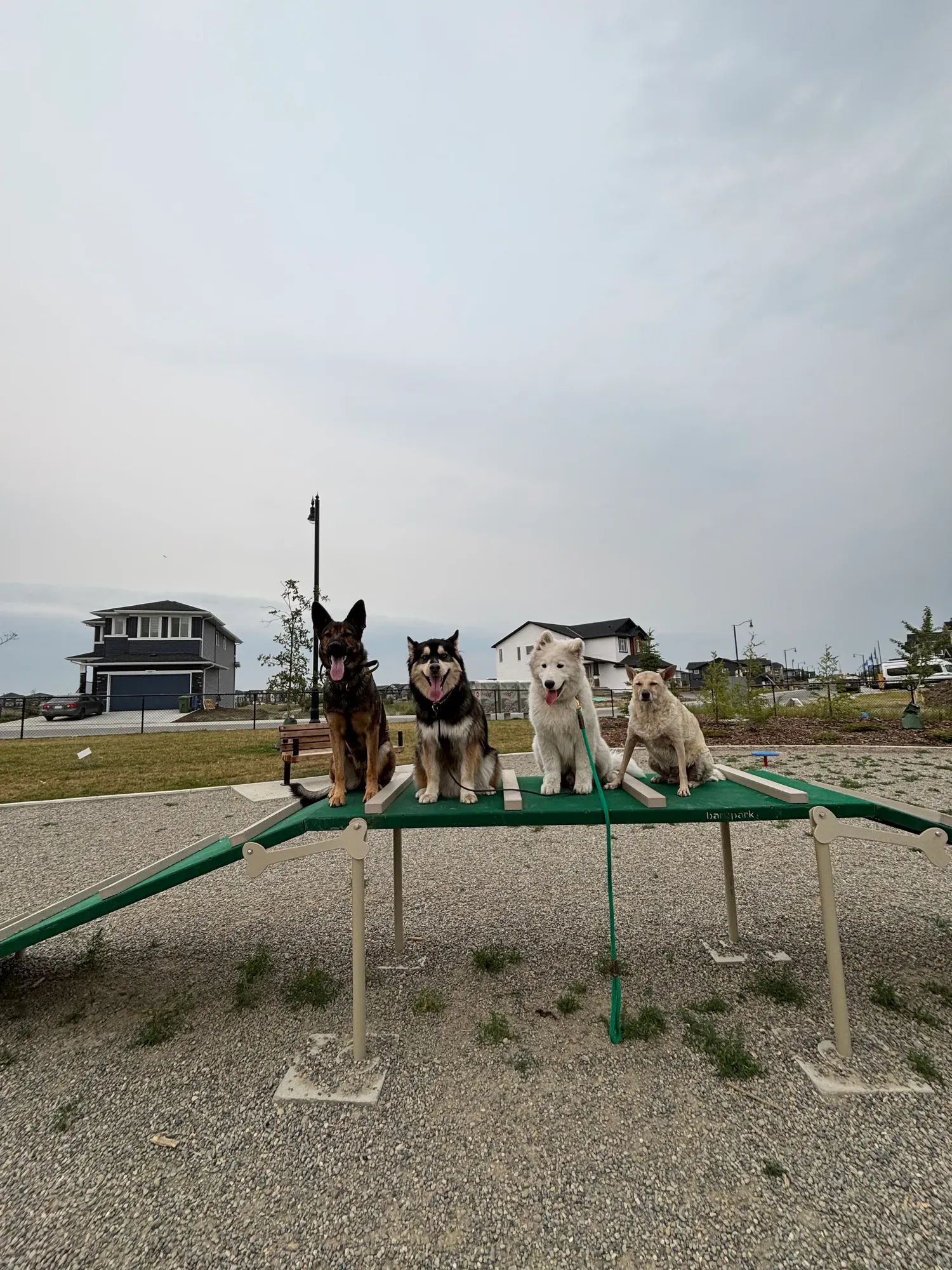
SW · Weekdays, drop-off 8–10 am · pick-up 5–7 pm
Day Training
Professional training all day, your couch at night.
Includes weekly one-hour go-home lesson, daily structure
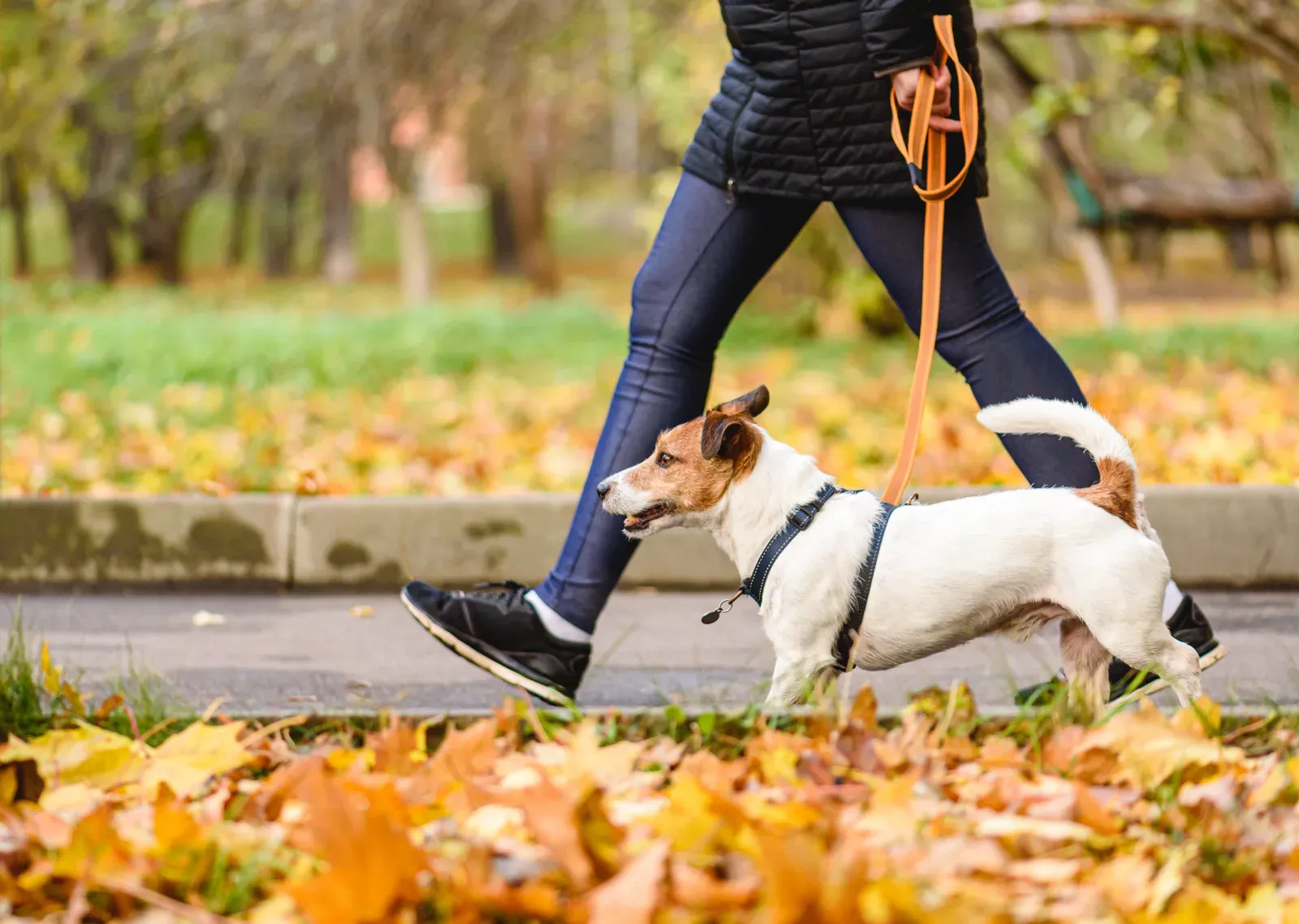
NE · 2-week board & train
On-Leash Foundations
If every walk is a wrestling match, pulling, barking, zig-zagging, this two-week program rebuilds the walk from the ground up with foundational on-leash obedience..
Includes handover lesson, follow-up session, lifetime support, slip lead + collar
Asked and answered
The questions people ask us.
Does private training work for leash pulling?
It works on the pieces you control: management, equipment, your handling and timing, and a written weekly plan customized to your home. How much the pulling changes depends on the dog, the reasons behind it and the practice it gets, which is what the consultation is for.
What happens in leash training private lessons?
One hour, one-on-one, focused on your walks: where to hold the leash, how much slack to keep, how to cue a gentle turn without jerking, and when to mark and reward. We check the equipment for fit and comfort. We provide a written weekly plan customized to your home.
Is one on one leash training better than a board and train?
Neither is better in the abstract. Private Training is built for owners who want to do the training themselves with professional guidance; On-Leash Foundations is built for dogs who drag, lunge at squirrels or treat the leash as a suggestion, and owners who miss enjoying the walk. The consultation recommends one, including the smaller option when it is enough.
Which collar or leash is right for leash pulling?
That depends on the dog. We match the tool to the individual, whether a slip lead, a prong collar or what you already own, introduce it properly and teach you how to use it. If your dog seems sore or uncomfortable in its current gear, ask your vet as well as us; discomfort is one possible reason for pulling.
Keep reading
Start with the hands
Book a consultation and describe the walk. If coaching and a written plan fit, that is what we will recommend.
From real owners
Rated 5.0 on Google.
Real Northline dogs