Private training
Private training for a new rescue dog
A rescue often arrives with more questions than answers. Some shut down for a while, some bounce off the walls, and some seem fine until the vacuum comes out. We work from what you can see in your own home: how the dog eats, sleeps, greets and recovers. Private training puts a professional beside you while you build a routine around those observations, and we adjust it together as the dog settles in.
Last reviewed September 29, 2026
Settling in
Management first, then a routine you adjust as the dog settles.
Before any exercise, we sort out management. That means a quiet space the dog can retreat to, a crate only if the dog already tolerates one, a baby gate for rooms the dog does not need yet, and an indoor leash only when an adult is holding it. Visitors can wait. We do not test the dog to see what it does around food, toys or strangers; we watch what it offers on its own and write that down.
The routine comes next, and it stays adjustable. We build it from what you have observed: when the dog eats, when it relaxes, what happens when someone comes home. Stress signals such as a tucked tail, lip licking or refusing food tell us to slow down; steady eating and sleeping suggest the dog may be ready for a little more. Sudden behaviour changes or signs of pain are a reason to ask your vet first. We provide a written weekly plan customized to your home.
- Management before any exercise
- Crate only if already tolerated
- Indoor leash held by an adult
- Routine adjusted to stress signals
History and fit
Where a full assessment comes in for fear, reactivity or a bite history.
Some rescues come with more than rough manners. A dog that freezes and shakes when a stranger approaches, lunges at other dogs on walks, or bit someone in a previous home deserves to be looked at properly before anyone works on sit. Keep everyone safe in the meantime: the dog secured and separated from children and visitors, no luring a worried dog toward a person, and room to retreat. A growl is information we want to keep, not a behaviour to punish.
Every program we run is one-on-one, with no group classes. Behaviour Rehab is built for anxiety, reactivity and aggression: five to six weeks of board and train at $4,850 to $5,760 + GST, planned and priced after a full assessment, and dogs with bite histories are accepted after that assessment. At the consultation we hear the history, ask what you have seen, and recommend the program that fits, including a smaller one when it is enough.
The programs
Programs and prices
W · One-hour session
Private Training
One-on-one coaching with you on the other end of the leash.
Includes a written weekly plan to work from
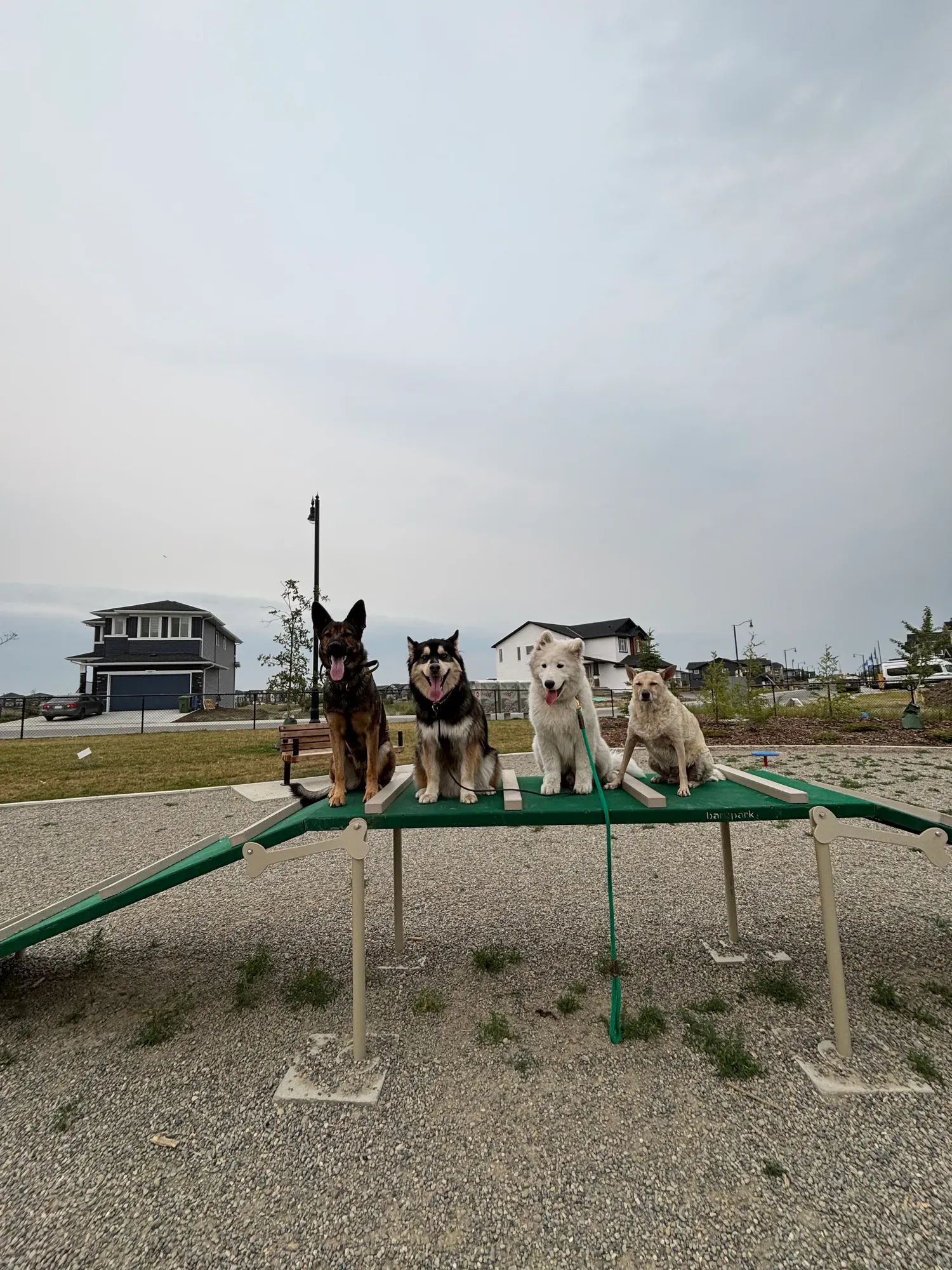
SW · Weekdays, drop-off 8–10 am · pick-up 5–7 pm
Day Training
Professional training all day, your couch at night.
Includes weekly one-hour go-home lesson, daily structure
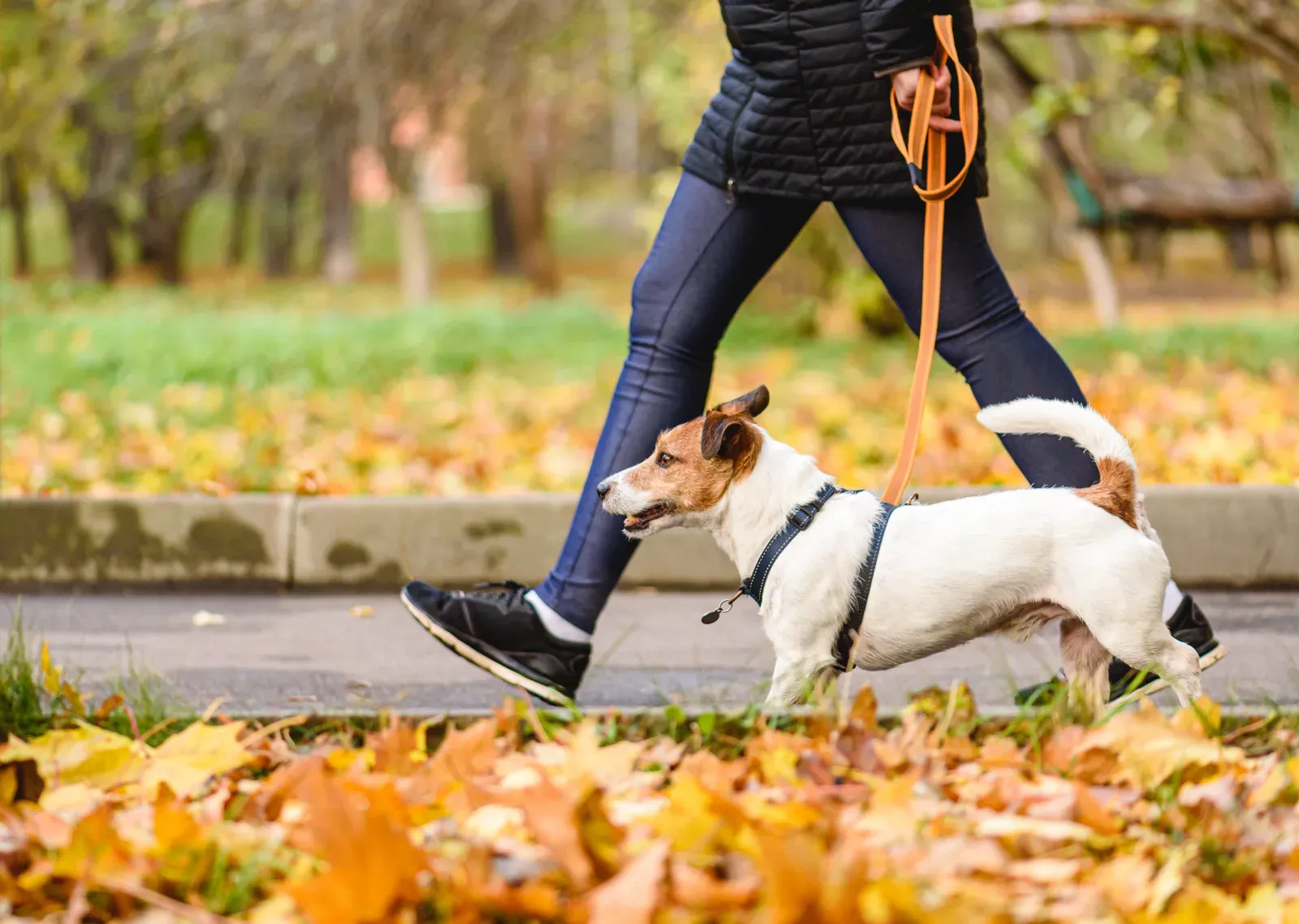
NE · 2-week board & train
On-Leash Foundations
If every walk is a wrestling match, pulling, barking, zig-zagging, this two-week program rebuilds the walk from the ground up with foundational on-leash obedience..
Includes handover lesson, follow-up session, lifetime support, slip lead + collar
Asked and answered
The questions people ask us.
When should private training start with a rescue dog?
There is no fixed date. Book when you have a few observations to share: how the dog eats, sleeps, greets and recovers, and what unsettles it. If you are already seeing fear, growling or a bite, book the consultation sooner and keep everyone separated and safe in the meantime.
What does a private rescue dog trainer work on in the first session?
Management, a routine built from what you have observed, and how to read this particular dog's stress signals. We troubleshoot the behaviour you are actually seeing and provide a written weekly plan customized to your home. Each one-hour session is $150 + GST.
Is one on one training right for a rescue dog with a bite history?
Everything we offer is one-on-one, so the real question is which program fits. Behaviour Rehab is the program built for anxiety, reactivity and aggression, and a bite history is assessed fully before a dog is accepted into it. The consultation is where we hear what happened and recommend the program, including a smaller one when it is enough.
Does an unknown background matter for training a rescue dog?
Less than you might expect. We work with the dog in front of us, reading what it does today rather than guessing at what happened before. The history matters most when the dog shows fear or aggression, and that is what the full assessment before Behaviour Rehab is for.
Keep reading
Watch first, then plan
Bring the shelter notes and your own observations. Book a consultation and we will recommend the program that fits this dog.
From real owners
Rated 5.0 on Google.
Real Northline dogs