
After the program
Keeping a graduate calm with guests
A board and train graduate can hold a beautiful place command with you and still lose it when a favourite visitor walks in. Guests bring noise, new smells and hands that want to pat. This page sets out a simple visitor protocol that every person in your home runs, then covers holiday gatherings, children's friends, and the dog who unravels for one particular person.
Last reviewed October 4, 2026
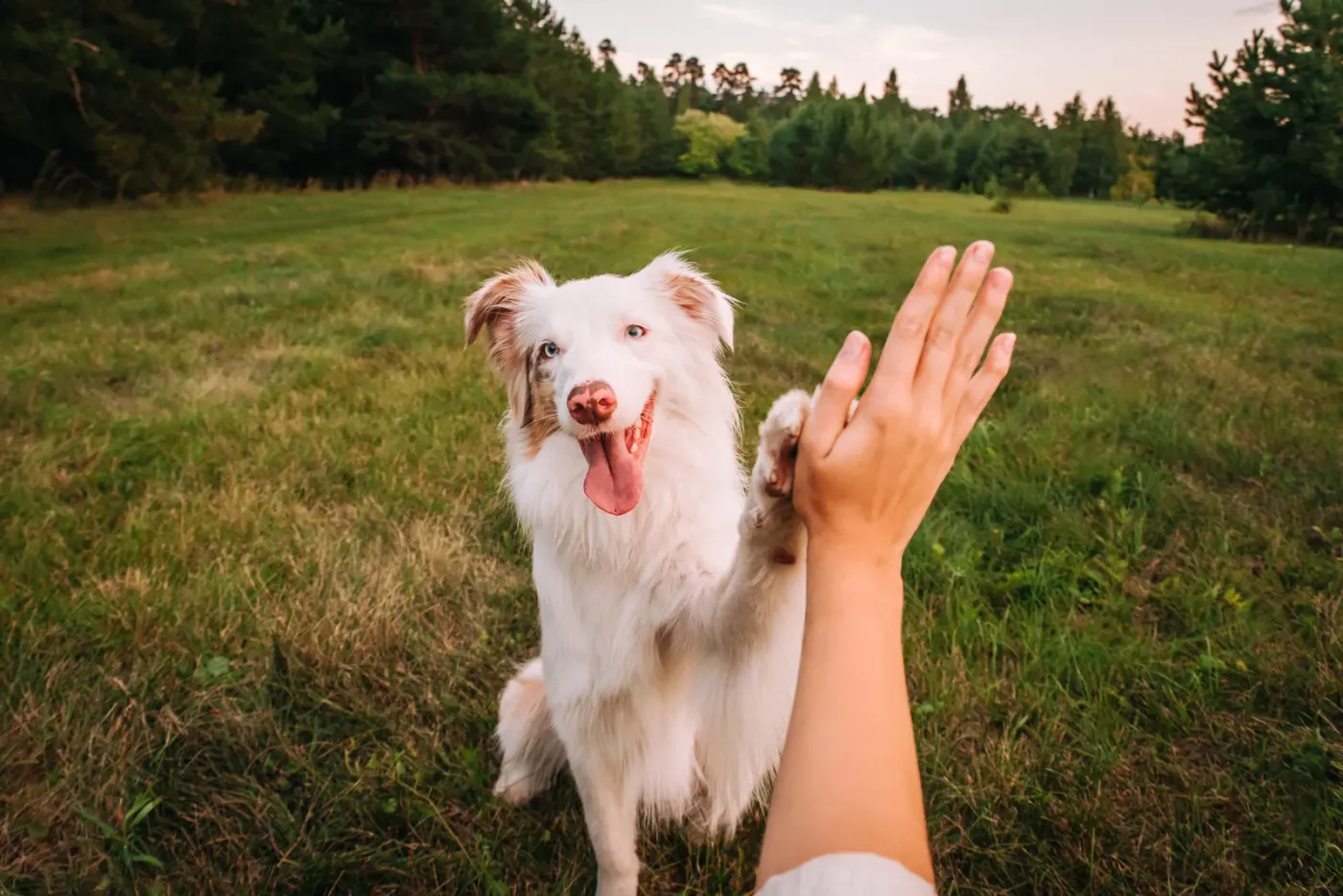
The visitor protocol
Place first, greetings later, rewards at floor level.
Before the door opens, the dog goes to place, ideally a bed with a view of the room rather than one facing the entry. Keep a leash on, held by an adult, if your dog is newly home or has slipped recently. The guest comes in, takes off coats, sits down and talks to you. The dog stays put, and the release comes only when its body is soft: weight settled, mouth relaxed, eyes no longer glued to the visitor.
Ask guests to ignore the dog completely until you invite a greeting. No eye contact, no baby voice, no hand dangled at nose height. When you do invite one, keep it short and quiet. Rewards are delivered low, right between the front paws, so the dog learns that good things live near the floor. Jumping earns nothing, and a calm sit beside the couch earns a lot.
- Place before the handle turns
- Release only when calm
- Guests ignore until invited
- Treats between the front paws
Harder visitors
Holidays, kids' friends and the one guest who undoes it.
Holidays stack everything at once: a stream of arrivals, food at dog height, coats dropped on chairs. Plan quiet time in a crate or a closed room with something to chew, rather than asking for a long place in the middle of the chaos. Children's friends need extra care. They should never be asked to help with training or to test the dog, and an adult supervises every moment the dog and visiting kids share a room.
Some dogs hold the protocol for everyone except one person, often the visitor who greets loudly or sneaks treats under the table. Brief that guest privately and ask them to follow the same rules. If the dog seems worried rather than excited, never coax it toward that person; give it distance and let it choose. Growling is information, not something to punish. Persistent fear or escalating reactions are a reason for a professional assessment.
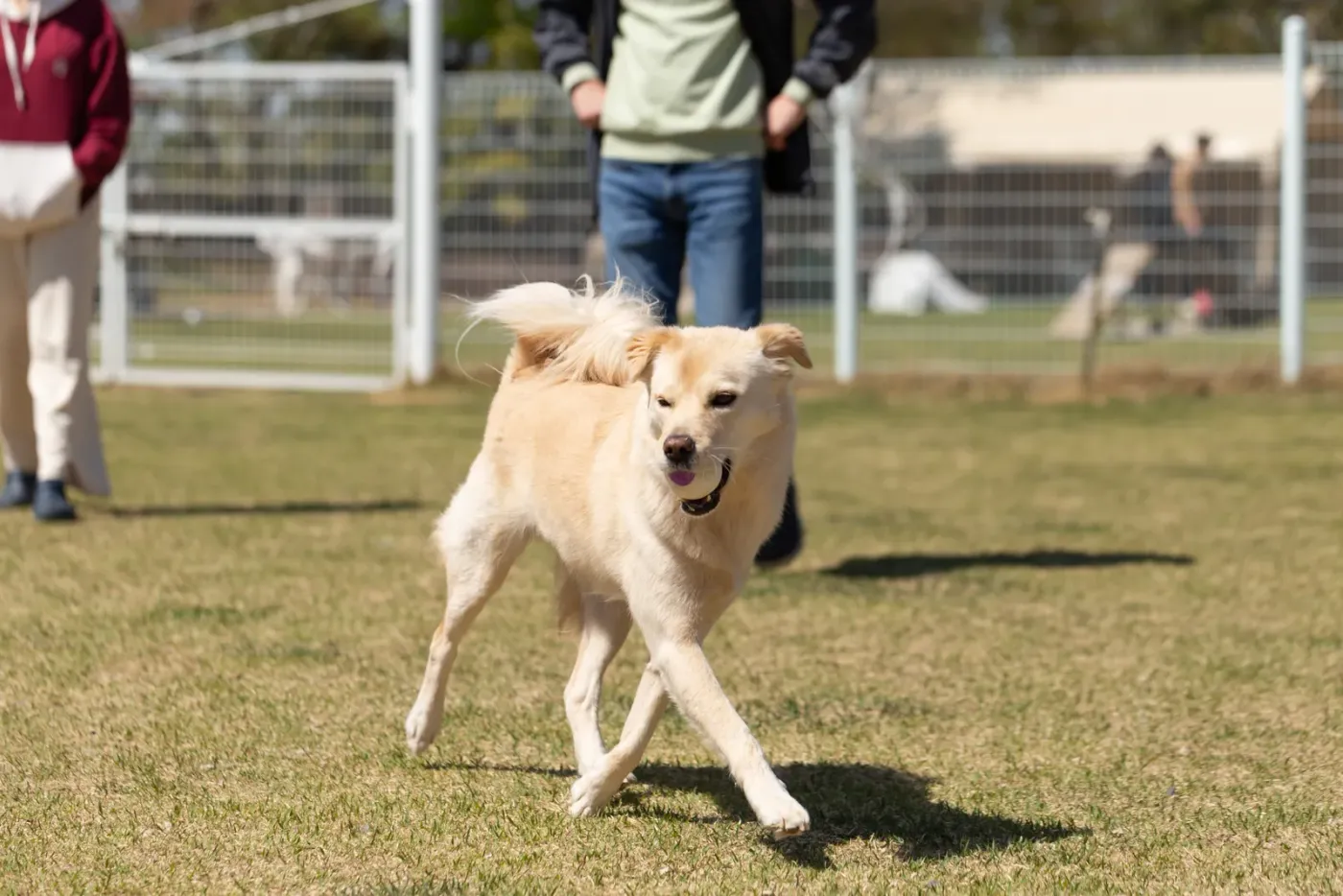
Asked and answered
The questions people ask us.
How do I stop my trained dog jumping on guests?
Make sure jumping never pays: guests ignore the dog until invited, and rewards are delivered low to the floor. Send the dog to place before the door opens, so greetings happen on your terms.
Should guests give my dog treats?
It is usually simpler if you handle rewards yourself, so the timing stays consistent. If a guest helps, ask them to drop the treat low rather than holding it up at face height.
What if my dog is calm with most people but not one guest?
Brief that person on the protocol, since they may be greeting in a way that winds the dog up. If the dog looks fearful around them, give it space and seek a professional assessment rather than forcing contact.
How do I manage my dog during a holiday party?
Plan breaks in a crate or quiet room with a chew, and keep one adult responsible for the dog at all times. A long place command in a crowded room asks a lot of any dog.
Keep reading
Calmer visits start here
Book a consultation and we will walk through your visitor routine, then recommend the lightest support that suits your home.
From real owners
Rated 5.0 on Google.
Real Northline dogs