
The method
How to stop a dog from chewing bed or blankets
A shredded bed looks like defiance. It is usually simpler than that: a teething puppy, a bored adolescent, or an anxious dog telling you the quiet parts out loud. The fix starts with why, not with bitter spray. Here is how we sort teething from boredom from distress, and what to do about each, starting tonight.
Last reviewed August 26, 2026
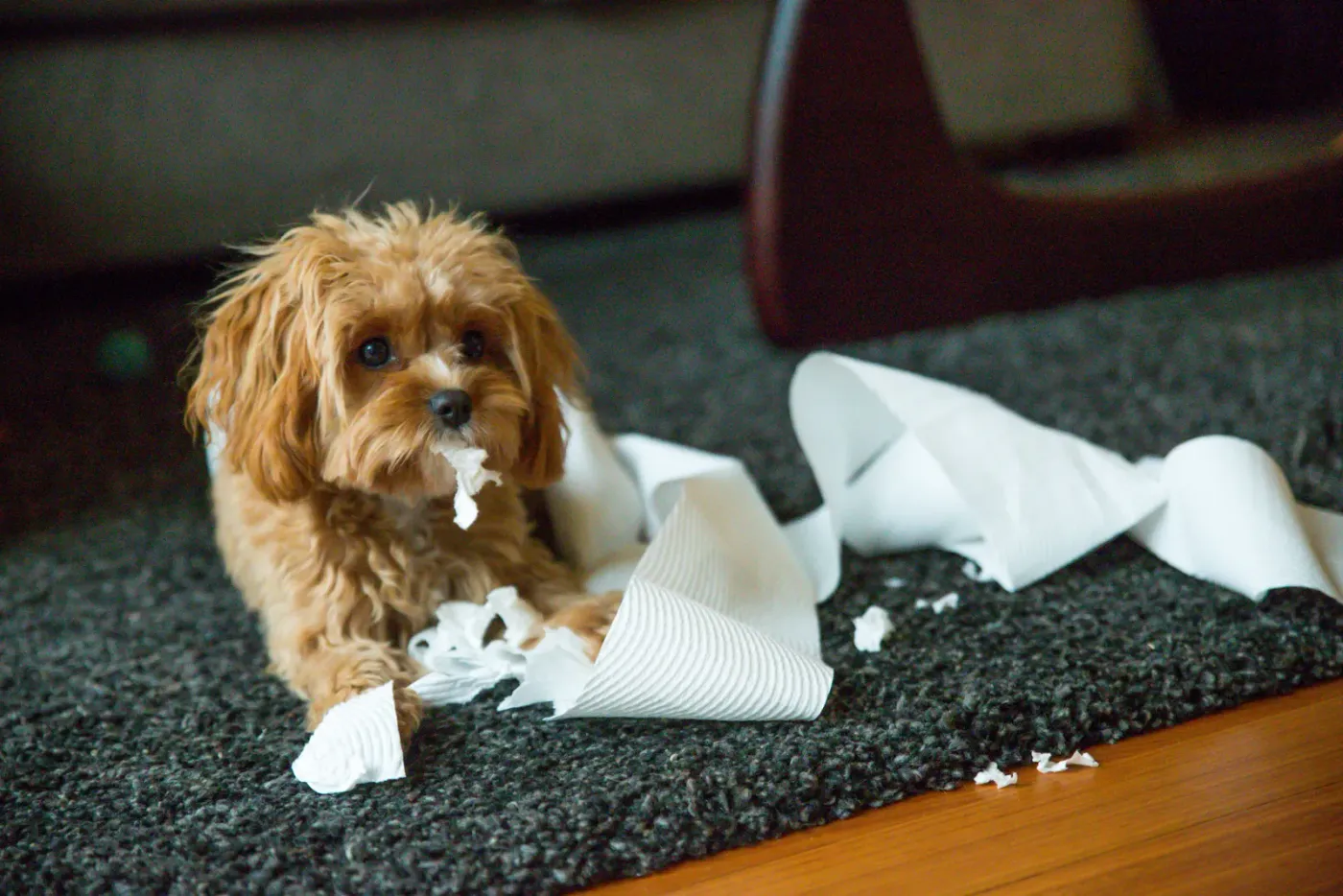
Reading the shreds
Figure out why the bed keeps losing.
Teething puppies chew fabric because their gums hurt and a bed corner is soft, available and faintly chewy. Bored adolescents shred because unstuffing a bed is the best game in an empty room. Anxious dogs chew to self-soothe, usually right after you leave. And some beds simply invite it: loose piping, dangling zipper pulls, fleece that tears with a satisfying rip. Same crime scene, four motives, four fixes.
Management comes before training. A dog cannot practise a habit it has no access to, so bedding leaves the room whenever you cannot supervise. Then match the outlet to the motive: frozen carrots or rubber chews for sore puppy gums, sniffing walks and food puzzles for the bored, calm arrivals and departures for the worried. Every time the dog picks the chew over the blanket, pay it. Habits move toward whatever keeps paying.
- Remove bedding when unsupervised
- Match the chew to the motive
- Freeze chews for teething gums
- Reward the legal choice every time
Crates and clues
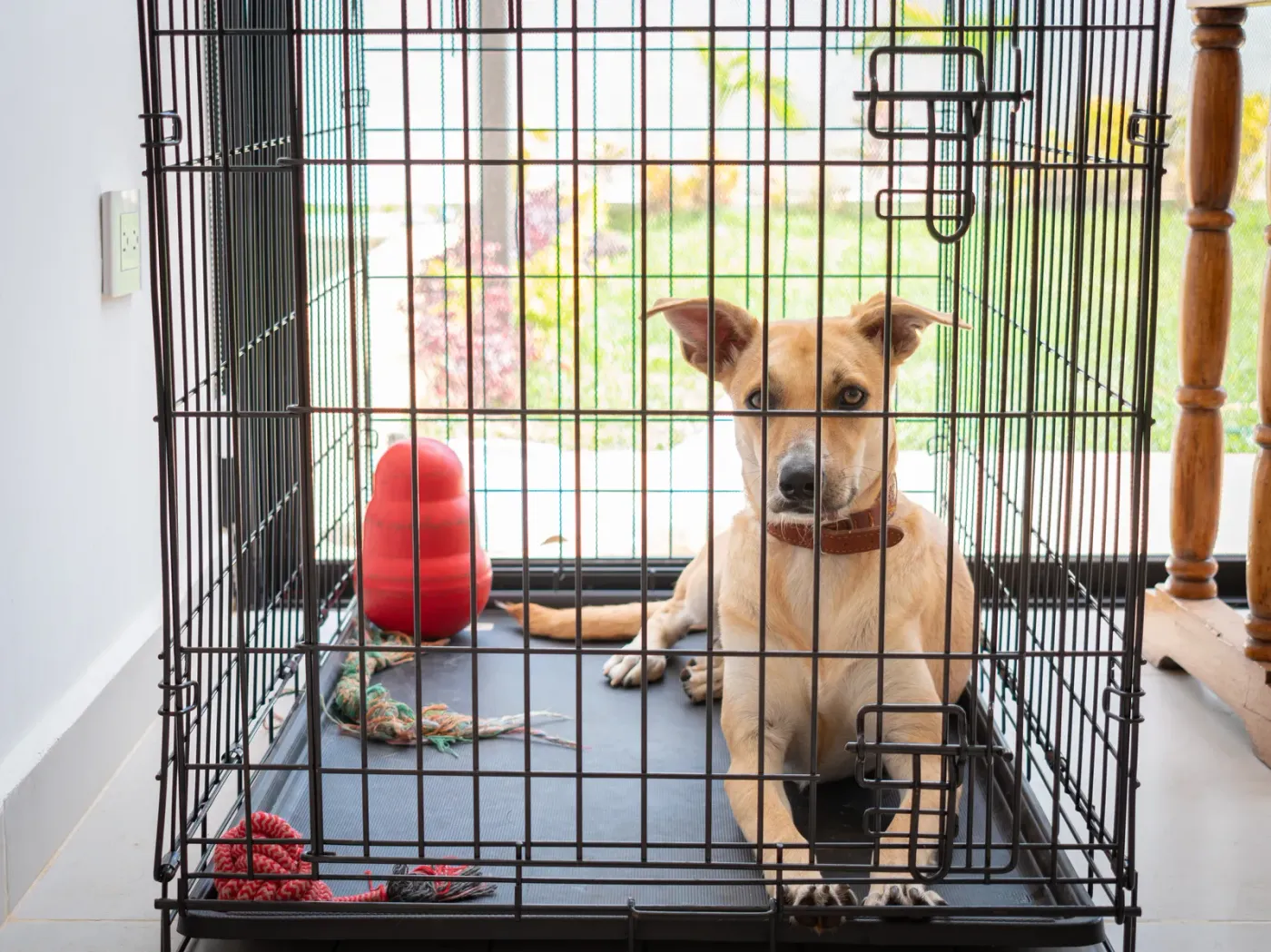
Crate bedding choices, and when shredding means more.
In the crate, bedding is a privilege the dog earns back. Start a committed shredder on a bare plastic tray: it is easy to clean and impossible to gut. After a few calm weeks, trial a flat, tightly woven mat rather than a plush donut, and check it daily for new holes. Skip blankets that drape through the bars, since pulled threads and swallowed stuffing are a vet visit waiting to happen.
Pay attention to when the damage happens. A bed chewed while you watch television is boredom. A bed destroyed only when you are gone, alongside drooling, howling or a soaked crate mat, points to separation distress, and no amount of tougher fabric fixes that. That dog needs a training plan for being alone. Our private sessions run $150 per hour with a written weekly plan, and harder cases can be assessed for Behaviour Rehab.
The programs
When the problem outlasts the guide.
Some behaviours need more repetitions than evenings allow. These formats deliver them.
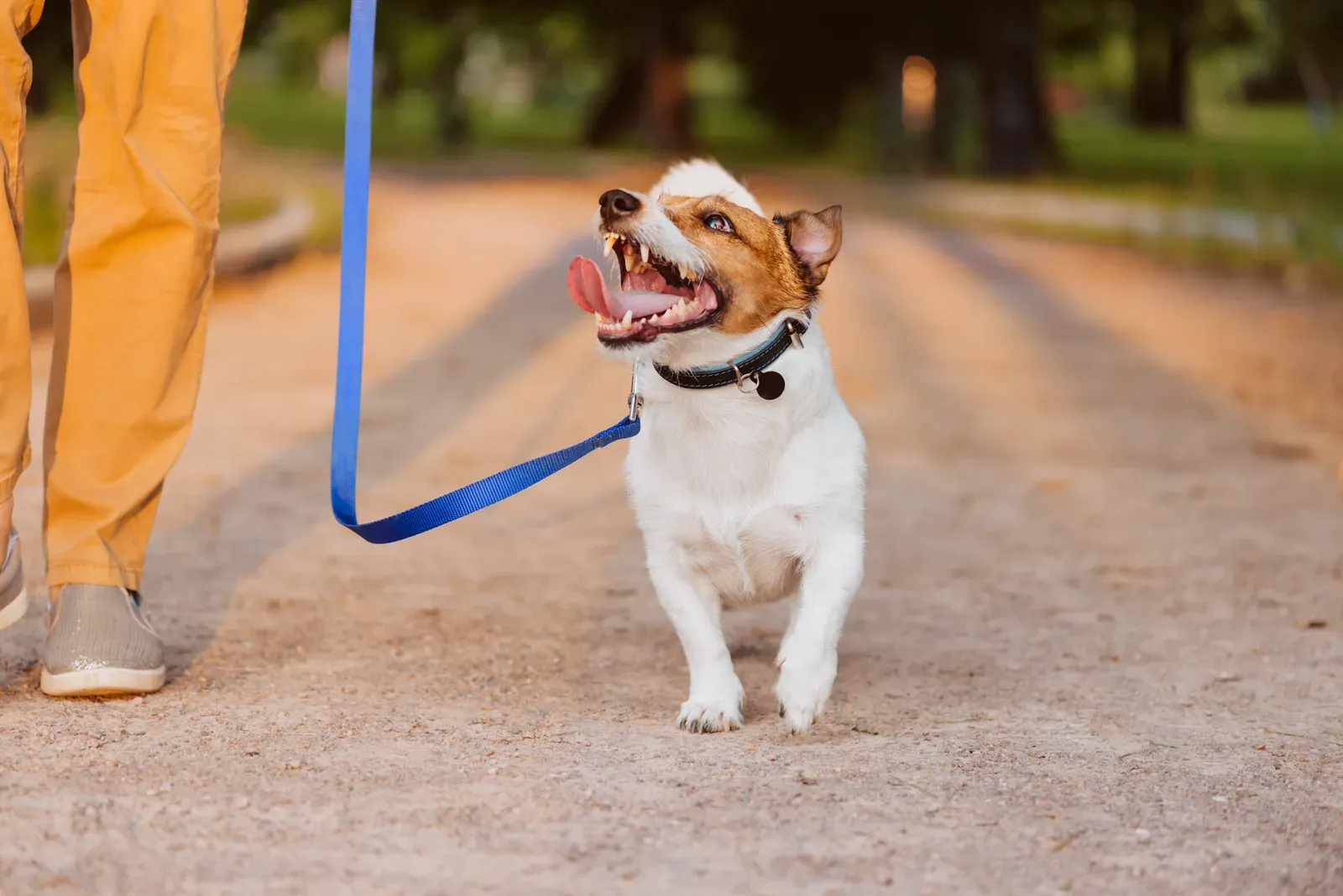
W · One-hour session
Private Training
One-on-one coaching with you on the other end of the leash.
Includes a written weekly plan to work from
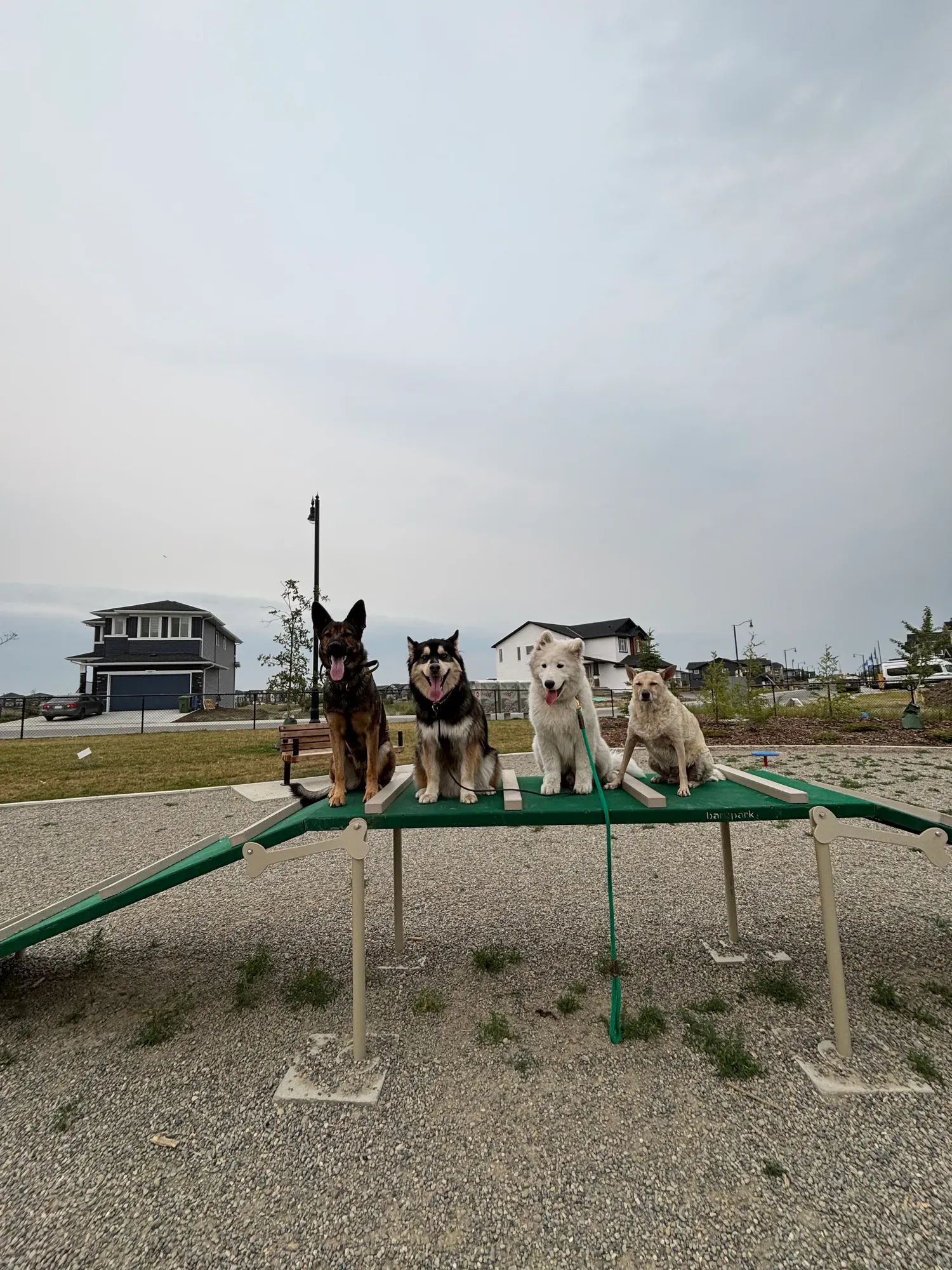
SW · Weekdays, drop-off 8–10 am · pick-up 5–7 pm
Day Training
Professional training all day, your couch at night.
Includes weekly one-hour go-home lesson, daily structure
Asked and answered
The questions people ask us.
How do I stop my dog chewing his bed?
Remove the bed whenever you cannot supervise, then give the dog a better outlet: a frozen chew for teething, real exercise and food puzzles for boredom. Reward every choice to chew the right thing. Most dogs drop the habit once it stops working and something legal pays better.
How do I get my dog to not chew his bed when I leave?
Chewing that happens only in your absence, especially with howling, drooling or scratched doors, usually signals separation distress rather than mischief. Tougher blankets will not fix the feeling. That dog needs a structured plan for alone time, which is worth professional help.
Should my dog have a blanket in the crate?
Only once the shredding habit is gone. Start with a bare tray, then trial a flat woven mat and inspect it daily. Loose blankets and plush beds are the last step back, not the first.
Is bed chewing dangerous?
It can be. Stuffing and fabric can block the gut, which sometimes means surgery. If your dog swallowed a large amount, call your vet, and remove all soft bedding until the habit is fully resolved.
Keep reading
Tired of buying beds?
Book a consultation and we will figure out why the beds keep dying, then build the fix around your actual dog.
From real owners
Rated 5.0 on Google.
Real Northline dogs