
The method
How to stop a dog from zoomies
The sudden sprint, the tucked tail, the laps around the coffee table with the eyes slightly wild. Zoomies look like chaos and are mostly joy. The question is not how to abolish them but when to let them run, when they are a tired brain misfiring, and how to end one without turning yourself into the thing being chased.
Last reviewed August 26, 2026
Read the zoomie
Let the good ones run and catch the tired ones early.
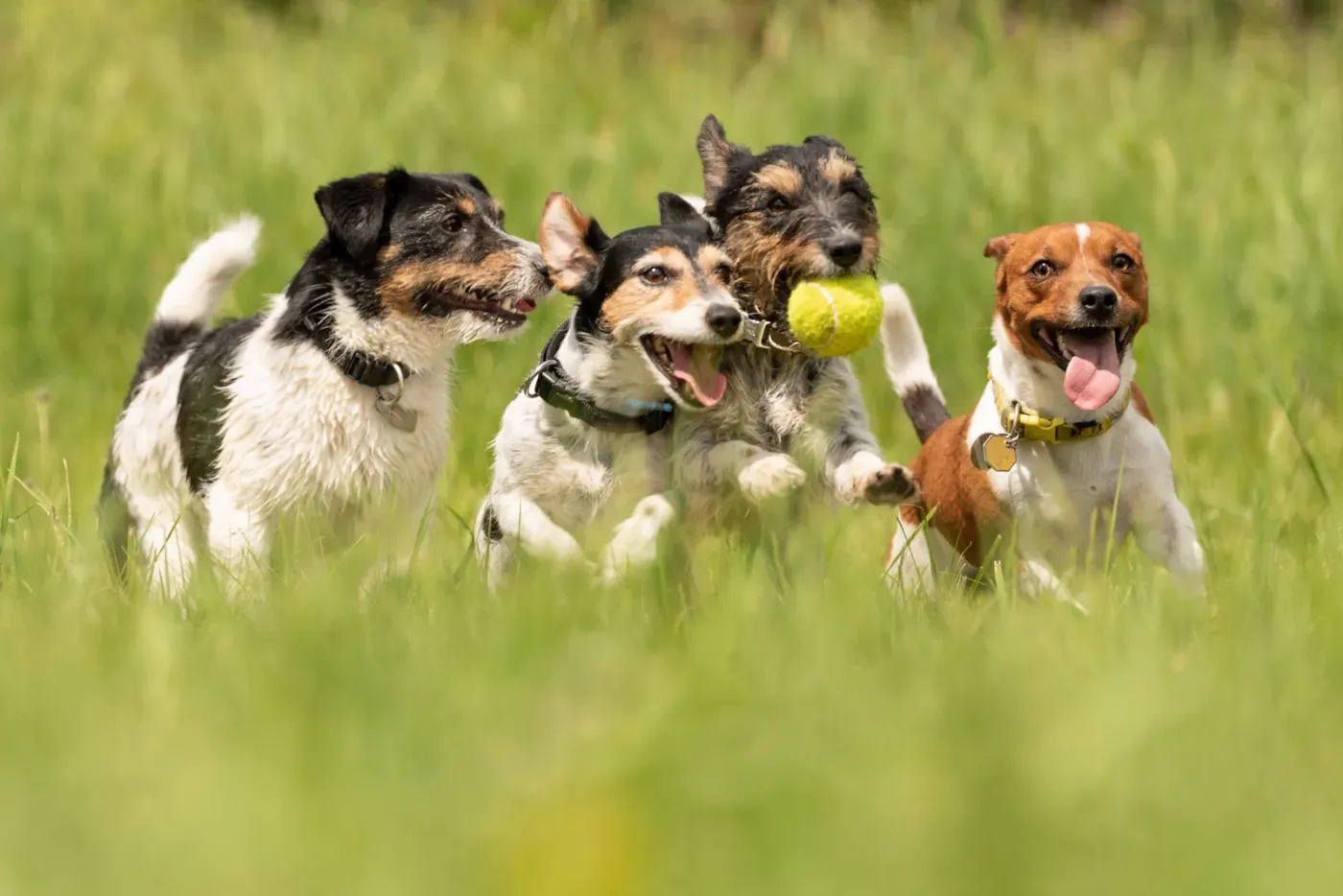
A healthy zoomie shows up after a bath, after a long crate stint, or when the evening cools off. The dog is loose, the mouth is open, and it steers around furniture rather than through it. Let it happen on grass or carpet, clear the low table, and stay out of the racing line. Chasing turns it into a game with you as the prize, which lengthens the episode. Ignore it and most burn out on their own.
The overtired zoomie is different. It comes with nipping, grabbing sleeves, barking at you, and a dog that cannot land on a bed for more than a second. That is a puppy or young dog past its limit, and more exercise makes it worse. Clip on a house leash, walk calmly to the crate or bed without talking, and give a stuffed chew. Practise a settle cue in calm moments first, so it exists when you need it, rather than teaching it mid-sprint.
- Loose body means let it run
- Nipping means overtired
- Leash to the bed, no chase
- Teach settle when calm
Night, yard, ice
The three places zoomies go wrong in Calgary.
The bedtime puppy zoomie is almost always a nap deficit. Puppies need a lot of sleep and a house full of people rarely lets them get it, so by nine at night the tank is empty and the legs go anyway. Move the last big play session earlier, add an enforced crate nap in the afternoon, and make the final hour boring: a chew, dim lights, a short leash walk to pee. Skip the tug game right before bed.
A small yard turns a zoomie into a tight lap along the fence, and a dog that runs the same circle wears a track and learns to fixate on the neighbours. Break the circuit with a planter or bench and take the running to an open field on a long line. In winter, ice on a deck or packed path is where zoomies tear ligaments and toenails. Sand the deck, leash the dog across the icy stretch, and save the sprint for snow with grip.

The programs
When the problem outlasts the guide.
Some behaviours need more repetitions than evenings allow. These formats deliver them.
W · One-hour session
Private Training
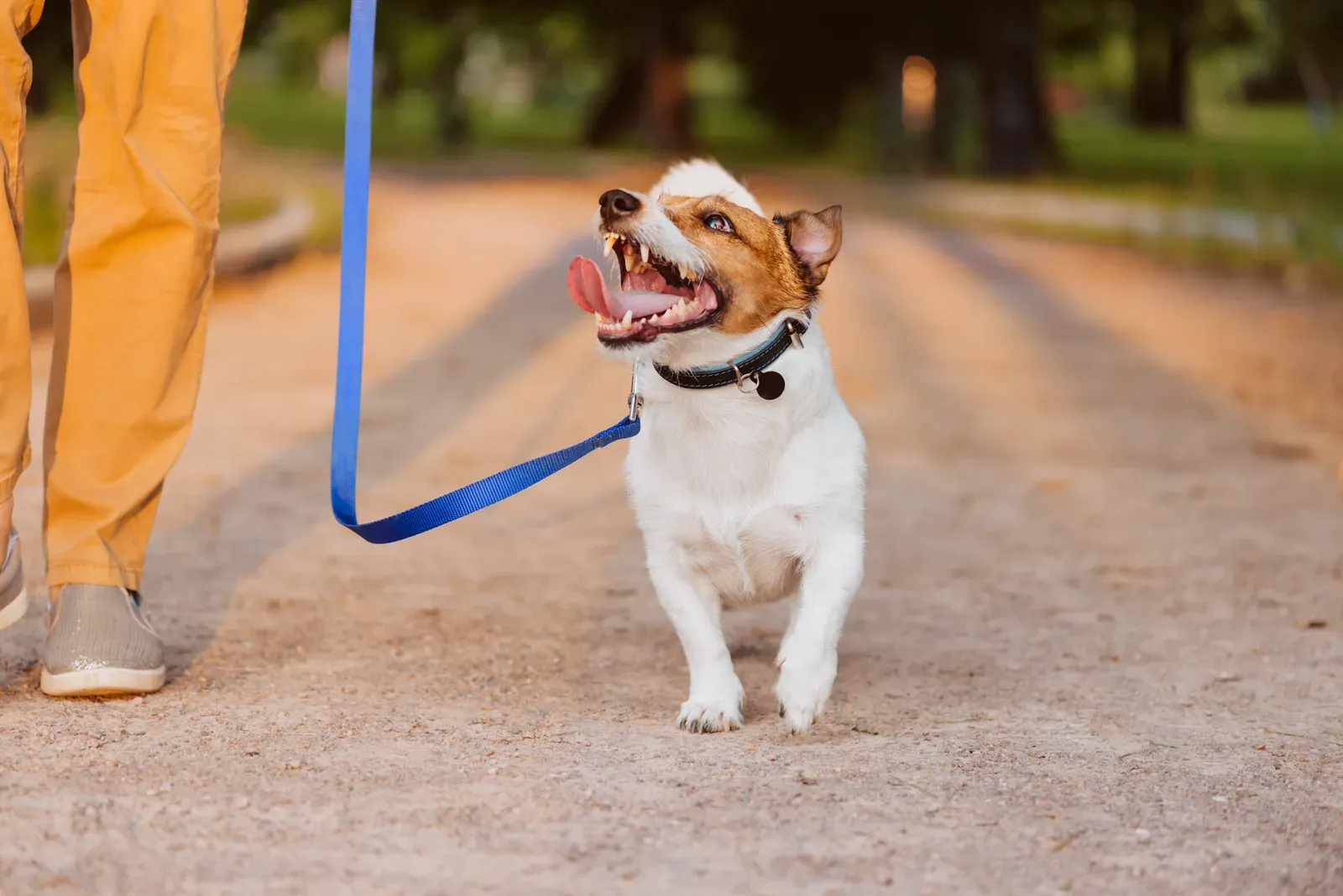
One-on-one coaching with you on the other end of the leash.
Includes a written weekly plan to work from
SW · Weekdays, drop-off 8–10 am · pick-up 5–7 pm
Day Training
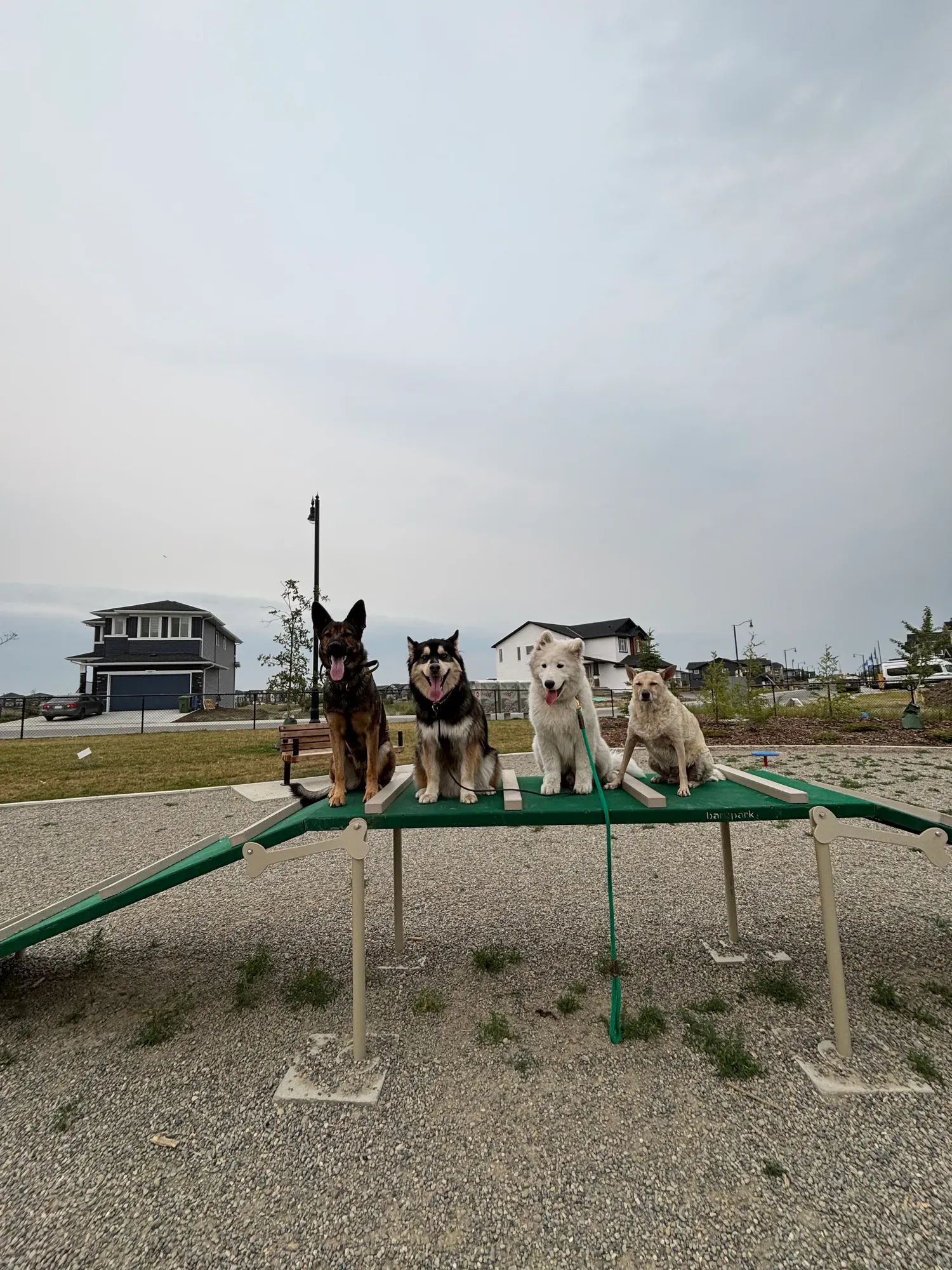
Professional training all day, your couch at night.
Includes weekly one-hour go-home lesson, daily structure
Asked and answered
The questions people ask us.
How do we stop our puppy from zoomies at night?
Assume the puppy is overtired, not under-exercised. Add an afternoon crate nap, move play earlier, and make the last hour before bed dull with a chew and a leash walk. Then leash to the crate at the first sign of the wild eyes; Puppy Fundamentals builds crate comfort, nights included, for exactly this reason.
How to stop a dog from zooming a week after surgery?
Post-surgery zoomies risk the incision, so this is a management job rather than a training one. Keep a leash on indoors, use the crate or a pen between supervised breaks, and burn the brain instead of the legs with scent games, lick mats and slow chews. Follow the rest instructions from your vet to the letter.
How to stop a dog from getting zoomies at all?
You mostly cannot and should not. Zoomies are how a healthy dog dumps a surplus, and a dog that never has them is often getting too little play or rest. Aim to steer them somewhere safe and to end them on cue, not to erase them.
How to stop a dog from zoomies when the running turns into nipping?
Nipping mid-zoomie is the overtired version and it needs a calm exit, not a correction. House leash on, quiet walk to the crate, stuffed chew, door closed. If it happens daily, the dog needs more structured rest, and a settle cue taught in calm moments gives you a tool for next time.
Keep reading
Rest is a skill too
If bedtime zoomies run the house, tell us your puppy's day. Book a consultation and we will rebuild the routine around sleep.
From real owners
Rated 5.0 on Google.
Real Northline dogs