
The method
How to teach a dog quiet command
Quiet is one of the few cues that owners try to teach by shouting it, which makes it the loudest word in the house and the least useful. The trick is that a dog cannot learn to stop doing something it has never been asked to start. So we teach the bark first, then teach the silence that follows it, and only then take the word to the doorbell.
Last reviewed August 26, 2026

Speak before quiet
Put the bark on cue so the silence has a starting line.
Get your dog barking on purpose. Knock on the wall, hold a toy just out of reach, or do whatever reliably gets one woof, and say speak the moment it happens, then reward. After a dozen reps the word alone will produce a bark. Now you own both ends of the behaviour. A dog that barks when asked is a dog that can be asked to stop, and a cue for the bark makes the pause easy to predict.
Cue speak, let the dog bark, then hold a treat near its nose. Dogs stop barking to sniff. The instant the mouth closes, say quiet, count one second of silence, mark and pay. Next rep, count two. Work up to ten seconds of silence before the reward comes, and vary it so the dog never knows if this is a short one. Once the word alone produces a closed mouth, try it when the neighbour's car door slams, then at a staged doorbell ring.
- Teach speak on cue first
- Mark the closed mouth
- Build silence one second at a time
- Take it to staged triggers
Where quiet stops working
A cue cannot switch off worry, so manage the window too.
Quiet is a trained behaviour, and trained behaviours need a dog that can still hear you. A dog barking from separation panic, or one screaming at the glass mid-adrenaline, is past the point where a word lands. Using the cue there teaches the dog that quiet means nothing. If the barking comes with pacing, drooling, destruction or an inability to eat, the noise is a symptom. Treat the anxiety and the barking follows; treat only the barking and it moves somewhere else.
Window barking is the one that undoes quiet training fastest, because the dog gets paid every time: it barks, the mail carrier leaves, and the dog concludes it worked. Block the view with frosted film on the lower panes, close the blinds on the street side, or put the couch somewhere that is not a lookout post. Give the dog a bed away from the window and a chew there. The cue handles the moments; management handles the hours you are not home.

The programs
When the problem outlasts the guide.
Some behaviours need more repetitions than evenings allow. These formats deliver them.
W · One-hour session
Private Training
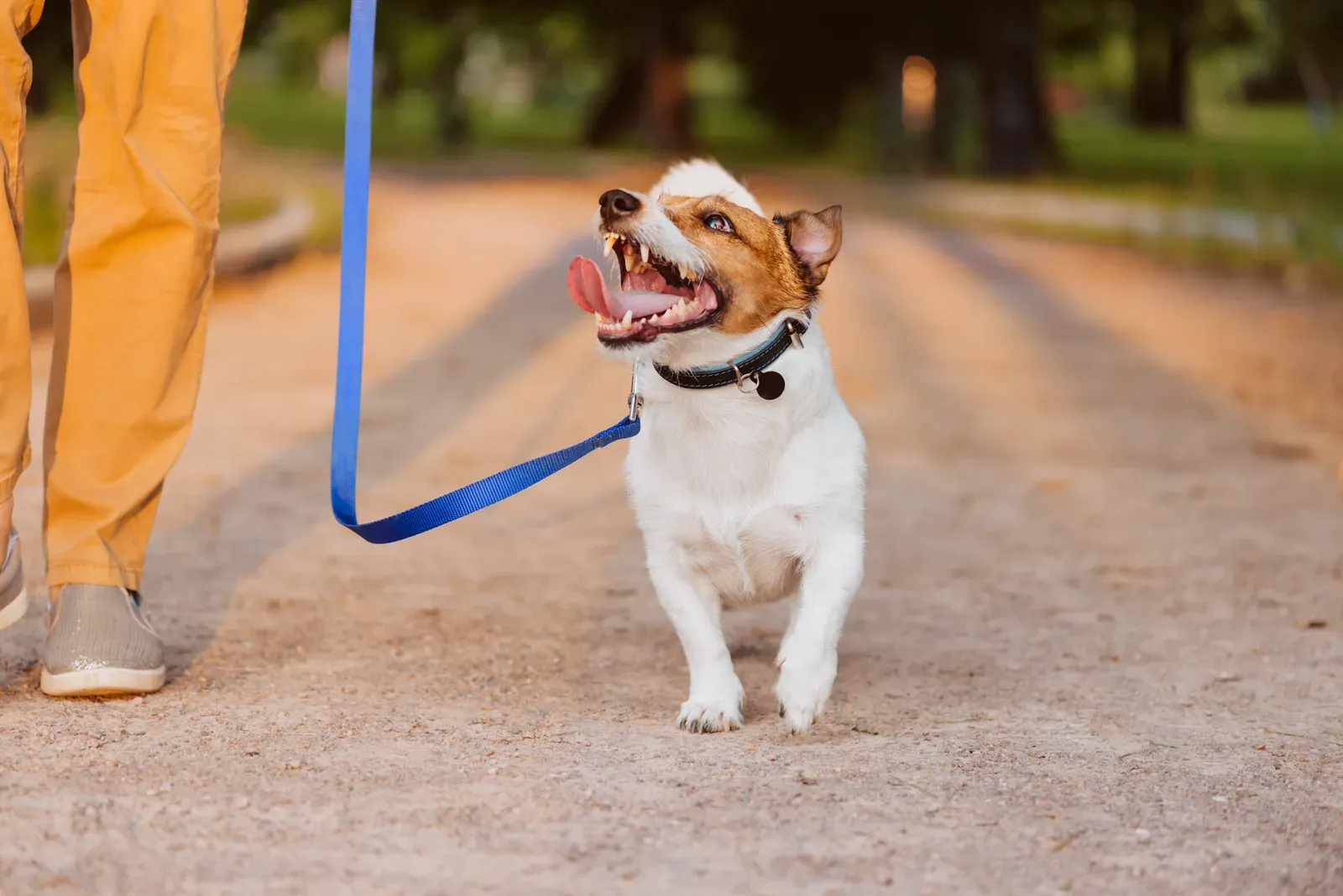
One-on-one coaching with you on the other end of the leash.
Includes a written weekly plan to work from
SW · Weekdays, drop-off 8–10 am · pick-up 5–7 pm
Day Training
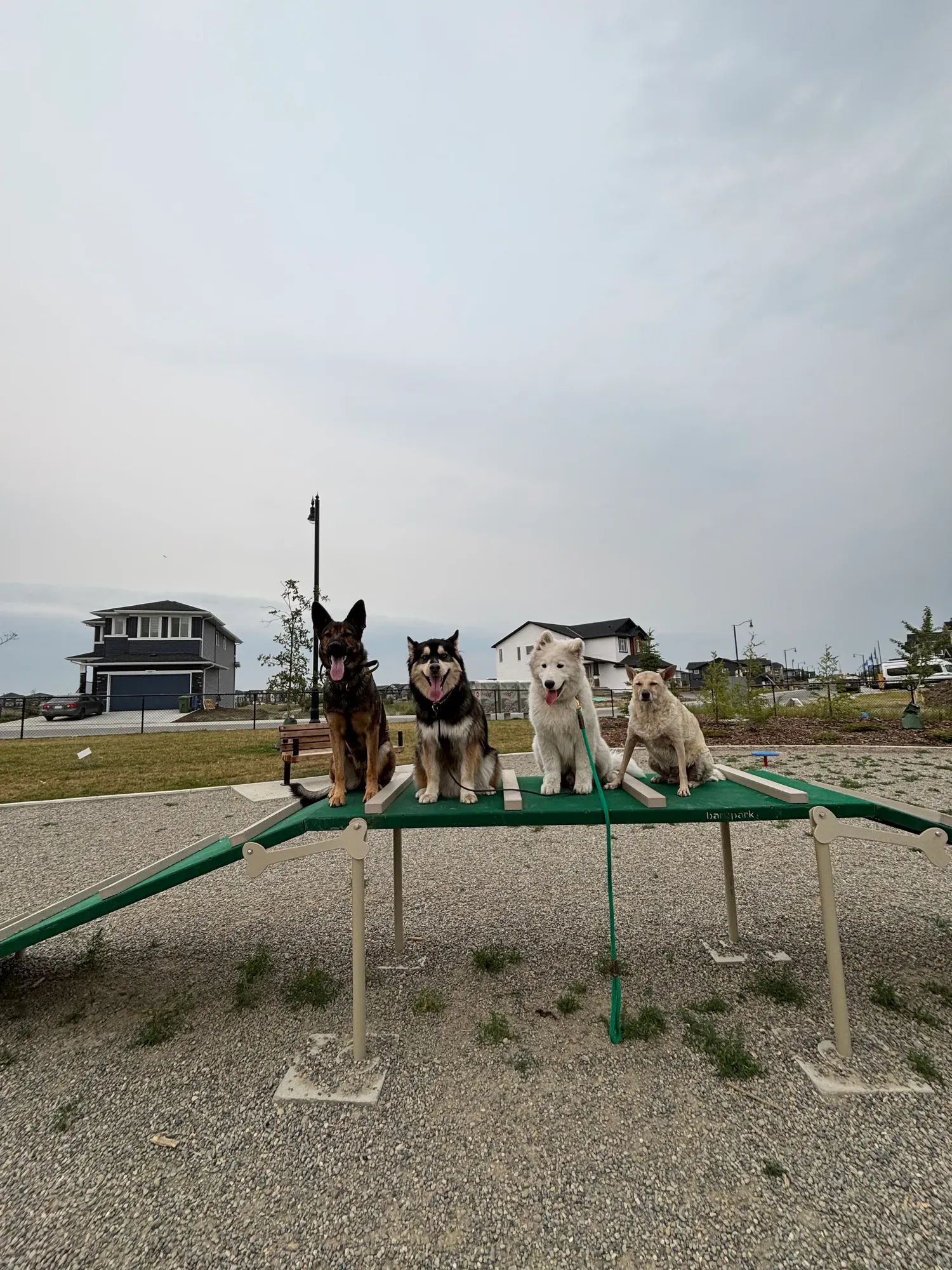
Professional training all day, your couch at night.
Includes weekly one-hour go-home lesson, daily structure
Asked and answered
The questions people ask us.
How to teach a puppy quiet command?
Same order as an adult, shorter sessions. Teach speak with a toy or a knock, then mark the first second of silence with quiet and a treat. Puppies fade fast, so stop after a handful of reps and pick it up again after a nap.
How to train a dog to be quiet on command when it barks at the window all day?
The cue will not hold if the dog spends the whole day rehearsing at the glass. Block the view, move the bed, give it a chew somewhere boring, and use quiet only when you are present to pay it. Otherwise the word wears out.
How to train a dog to quiet without teaching speak first?
You can capture it: wait for a natural bark, wait for the pause, say quiet and pay. It works, but it is slower because the pauses arrive on the dog's schedule rather than yours. Teaching speak first gives you dozens of controlled reps in one sitting.
How do we keep our dog quiet when the cue is not enough?
If the barking comes from anxiety, separation distress or reactivity, a cue is a bandage on a bigger problem. Private Training at $150 per one-hour session with a written weekly plan is where we usually start, and Behaviour Rehab is the option when the anxiety runs the house.
Keep reading
Teach the word, then use it
If quiet works in the kitchen and dies at the doorbell, tell us what the trigger is. Book a consultation.
From real owners
Rated 5.0 on Google.
Real Northline dogs