After the program
How to keep the place command sharp
Of everything a dog brings home from training, place is often the command owners use most and practise least. It is quietly doing its job while you cook, answer the door or eat, so nobody notices it thinning until the dog is under the table again. The fix is small and daily, and it hinges on three things: where the bed sits, how long before how hard, and who ends the rep.
Last reviewed October 4, 2026
Daily reps
Put the bed where life happens and build time before trouble.
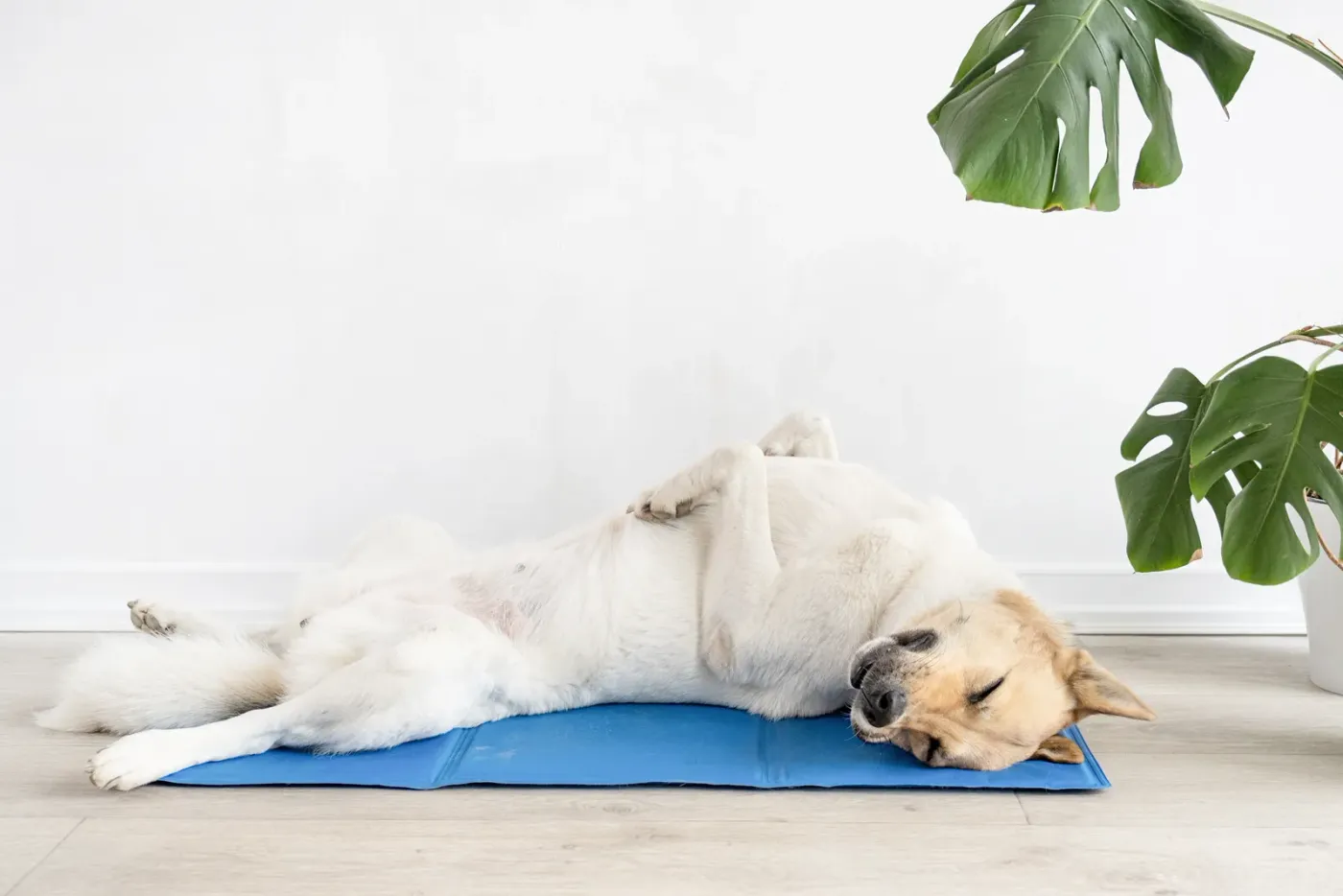
Move the bed out of the spare room. Place only matters where the household is, so the cot or mat belongs in the kitchen or the living room, in sight of the stove, the door and the couch. Then run a few short reps a day: send, pay on the bed, wait, release. While the kettle boils is enough. Work duration before distraction. The dog should hold place while you unload the dishwasher before it is asked to hold place while someone knocks.
The release word is the half of place that erodes first. If the dog gets up when it feels like it and nothing happens, place becomes a suggestion. So every rep ends with your word, said once, before the dog moves. If the dog leaves early, calmly walk it back without comment and shorten the next hold. Pay on the bed, not after the release, so the bed is where the good things are, and leaving it is just leaving.
- Bed in the busiest room
- Reps while the kettle boils
- Duration before any distraction
- Your word ends every rep
The real exam
Let the doorbell and the dinner table grade the work.
Meals are the daily test. Send the dog to place before the plates come out and release it once the meal is done, leash on for the first attempts so you can guide a drifter back. Guests are the harder one. Before the door opens, the dog is on place with an adult holding the leash, and the door never closes on a dog. Visitors are asked to ignore the dog until you release it, and children stay out of the testing entirely.
Go back a step the moment you see creeping: paws over the edge of the bed, a dog that pops up at every sound, or a send that needs saying twice. Backwards means shorter holds, you standing closer, fewer distractions and the leash back on, then rebuild one layer at a time. Place is taught in Puppy Fundamentals and On-Leash Foundations, and both include a handover lesson and a free follow-up session; On-Leash Foundations adds lifetime phone and email support.
Asked and answered
The questions people ask us.
How do I keep my dog's place command strong after training?
A few short reps every day on a bed in the room where the household actually lives. Build how long the dog holds before you add distractions, and end every rep with your release word. Pay on the bed rather than after the release.
Why does my dog keep getting off place?
Often because getting up has been working: nothing happens, or the dog gets attention for it. Check that every rep ends with your word rather than the dog's decision, and that you have not jumped from quiet holds straight to the doorbell. Shorten the hold, stand closer, and rebuild.
Where should the place bed go?
Where life happens, not in the spare room. The kitchen or living room, in view of the stove, the door and the couch, means the dog practises place during the moments it is actually for. Move it once and leave it.
Should I use place when guests come over?
Yes, that is the real test, with safety first. Put the dog on place before the door opens, keep an adult on the leash, never close a door on the dog, and ask visitors to ignore it until you release. Keep children out of the testing.
Keep reading
Make the bed mean something
Place not holding, or deciding which program teaches it? Book a consultation and we will say what fits, right down to the smaller option.
From real owners
Rated 5.0 on Google.
Real Northline dogs