
After the program
Adding a second dog after board and train
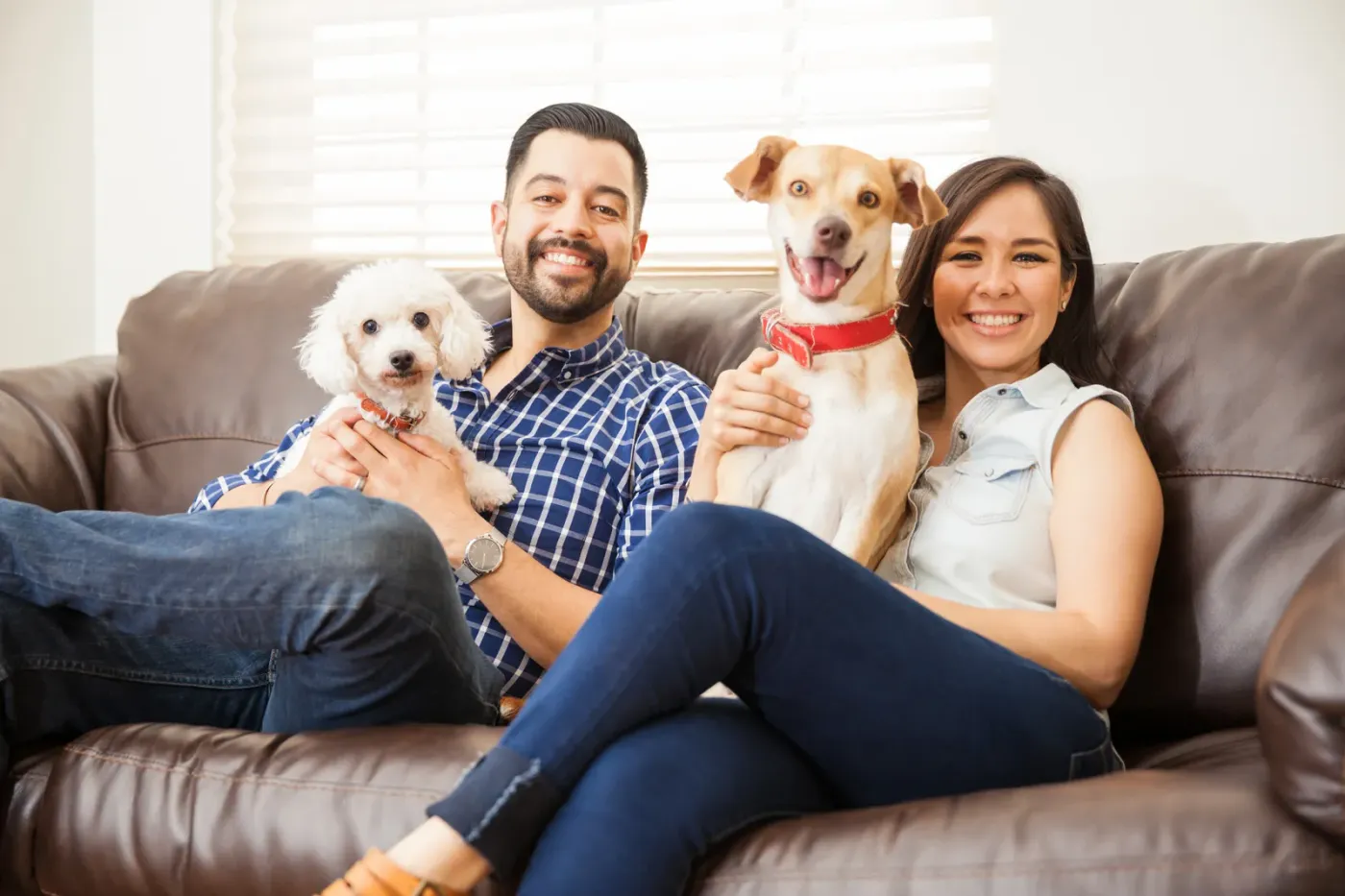
A well-trained dog makes a second dog look easy. That is the trap. Puppies and new adoptees often copy whatever earns the most fun, and the graduate can slide toward the newcomer's habits rather than the other way round. This page covers the order we suggest: protect the first dog's training, introduce slowly, train the new dog alone, and manage the moments where two dogs compete.
Last reviewed October 4, 2026
Before and after arrival
Keep the graduate's training separate from the newcomer.
Your graduate learned place, sit and stay one-on-one, with no other dog pulling its focus. Keep a short daily session that belongs to the graduate alone, with the newcomer behind a gate or settled in another room. That private time protects the cues you invested in and tells the first dog the rules have not changed just because the household did.
Introduce the dogs slowly, on leash with an adult holding each one, ideally somewhere neither dog treats as home turf. Calm walks side by side usually tell you more than a face-to-face greeting. At home, feed the dogs apart with a gate between them, pick up high-value chews when both are loose, and send each dog through doorways separately from a sit. Stiff posture, guarding or a scuffle means separate them and get a professional assessment.
- Separate daily session for the graduate
- Leashed parallel walks before greetings
- Meals fed apart behind gates
- One dog through doorways at a time
Its own program
When the newcomer should go through its own program.
A second dog does not inherit the first dog's training by watching it. For a puppy, Puppy Fundamentals works on crate comfort, name recognition, sit, down, place and calm exposure to new sights and sounds, and it includes an owner handover lesson so the habits survive the car ride home. An adult who drags on the leash matches what On-Leash Foundations is built for: loose-leash walking, heel and everyday distractions.
Sending the new dog away alone also creates something hard to arrange at home: a stretch where the graduate has you to itself. If you would rather train the newcomer yourself, Private Training is a one-hour session with a written plan customized to your home, at $150 + GST. Fear, guarding or reactivity toward the first dog is different and starts with a full assessment. At the consultation we recommend a program, and the lighter option whenever it covers what the newcomer needs.
Asked and answered
The questions people ask us.
Should I get a second dog after my dog finishes training?
It can work well, as long as you keep practising your first dog's skills separately and plan management for doors and meals. A second dog brings distractions your graduate never trained around, so plan to support both dogs.
Will my trained dog teach the new puppy?
Puppies often copy an older dog's energy more than its obedience. Cues like place and stay need to be taught to the newcomer directly, one-on-one, before you ask the two dogs to hold them together.
How do I stop two dogs from rushing the door?
Leash or gate both dogs before the door opens, then release them one at a time by name from a sit. Practise with one dog first, and add the second only once the first holds its position reliably.
Is it normal for my trained dog to regress when a new dog arrives?
Some slipping is common when a household changes, and unwanted behaviour may temporarily increase while both dogs adjust. If guarding, fights or regression persist or escalate, book a professional assessment rather than waiting it out.
Keep reading
Planning for dog number two
Book a consultation and we will look at both dogs, your household routine, and what training the newcomer actually needs.
From real owners
Rated 5.0 on Google.
Real Northline dogs