Corgis
Corgi training in Calgary
A Corgi is a cattle dog that got shortened, not softened. Ours arrive bossy, vocal and convinced the household needs organizing: the kids get herded, the vacuum gets barked at, and the food bowl gets guarded like a paycheque. The good news is that a dog this food-motivated picks up a marker almost immediately. The rest is teaching it where the job ends.
Last reviewed August 26, 2026

Low and loud
Herding instincts with nobody to herd but the kids.
Barking is the first complaint we hear about Corgis, and it is not random noise. It is a herding dog announcing every change: a neighbour on the sidewalk, a door closing, a child running through the kitchen. Nipping follows the same logic. Ankles that move get gathered, and children's ankles move the most, so families with toddlers call us early. Neither behaviour is aggression. Both are a job the dog invented because nobody gave it a real one.
Resource guarding around food shows up next, often in adolescence, when a puppy who tolerated hands near the bowl starts to freeze and mutter. That one needs handling before it hardens. The body matters too: a long back on short legs means exercise has to be back-safe, so we do not build training on stairs, jumping or repeated leaping. Icy sidewalks in winter are a genuine hazard for a dog built that close to the ground.
- Barking at every passerby
- Nipping children's heels
- Guarding the food bowl
- Back-safe exercise plans
Markers and boundaries
Fast learners need a clear finish line, not more drills.
Corgis take to marker training quickly, so one-on-one sessions cover ground fast, and there are no group classes here to bark through. We teach the skill with a marker and food, then attach a boundary to it: a place command that ends the herding lap, a quiet cue that replaces the alarm bark, a hand-in-bowl routine that turns guarding into anticipation. Tools are matched to the dog; for most Corgis that is a slip lead and a lot of well-timed reward, nothing heavier.
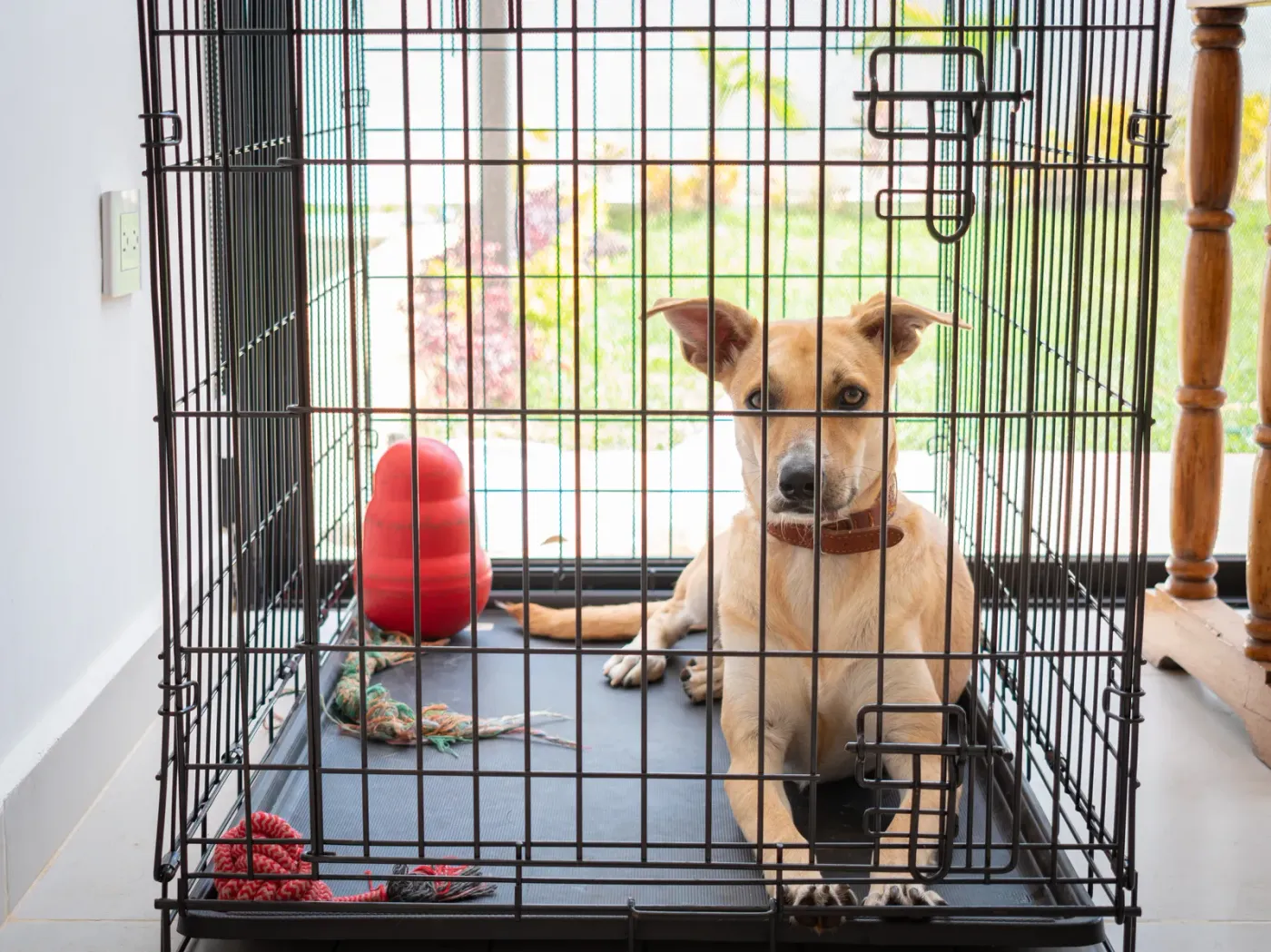
Puppies come to Puppy Fundamentals, a 3-week board and train at $2,775 plus GST, where crate comfort, name and place get built in before adolescence tests them. Adult barkers and herders do well in On-Leash Foundations at $1,865 for 2 weeks. Food guarding that has produced a bite goes to Behaviour Rehab, $4,850 to $5,760 after a full assessment. Busy owners with a workable dog often pick Day Training at $650 a week, with the weekly one-hour go-home lesson doing the teaching.
The programs
Where this breed fits our programs.
The formats below map to what this breed typically needs; the consultation confirms it for your dog.
W · One-hour session
Private Training
One-on-one coaching with you on the other end of the leash.
Includes a written weekly plan to work from
SW · Weekdays, drop-off 8–10 am · pick-up 5–7 pm
Day Training
Professional training all day, your couch at night.
Includes weekly one-hour go-home lesson, daily structure
NE · 2-week board & train
On-Leash Foundations
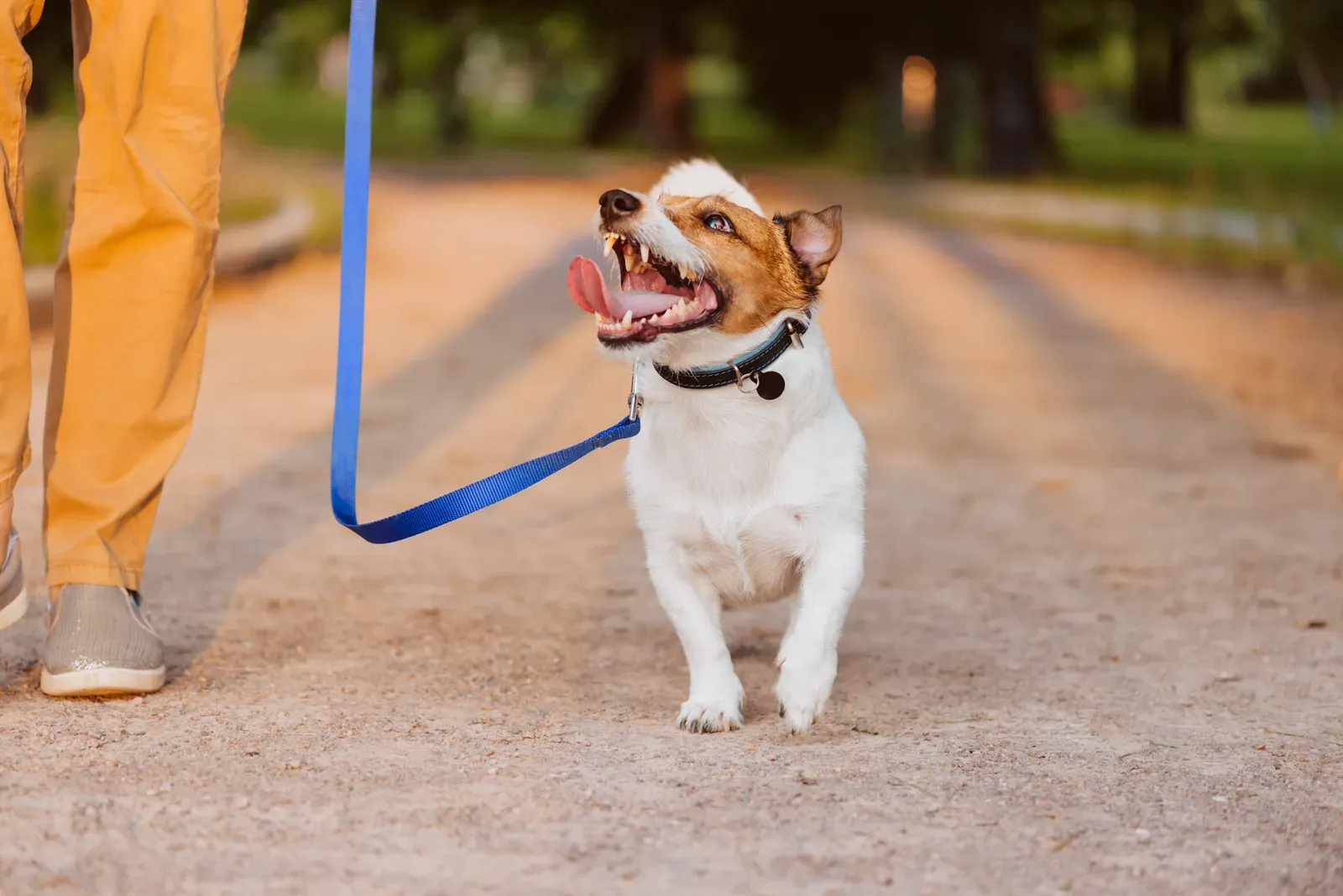
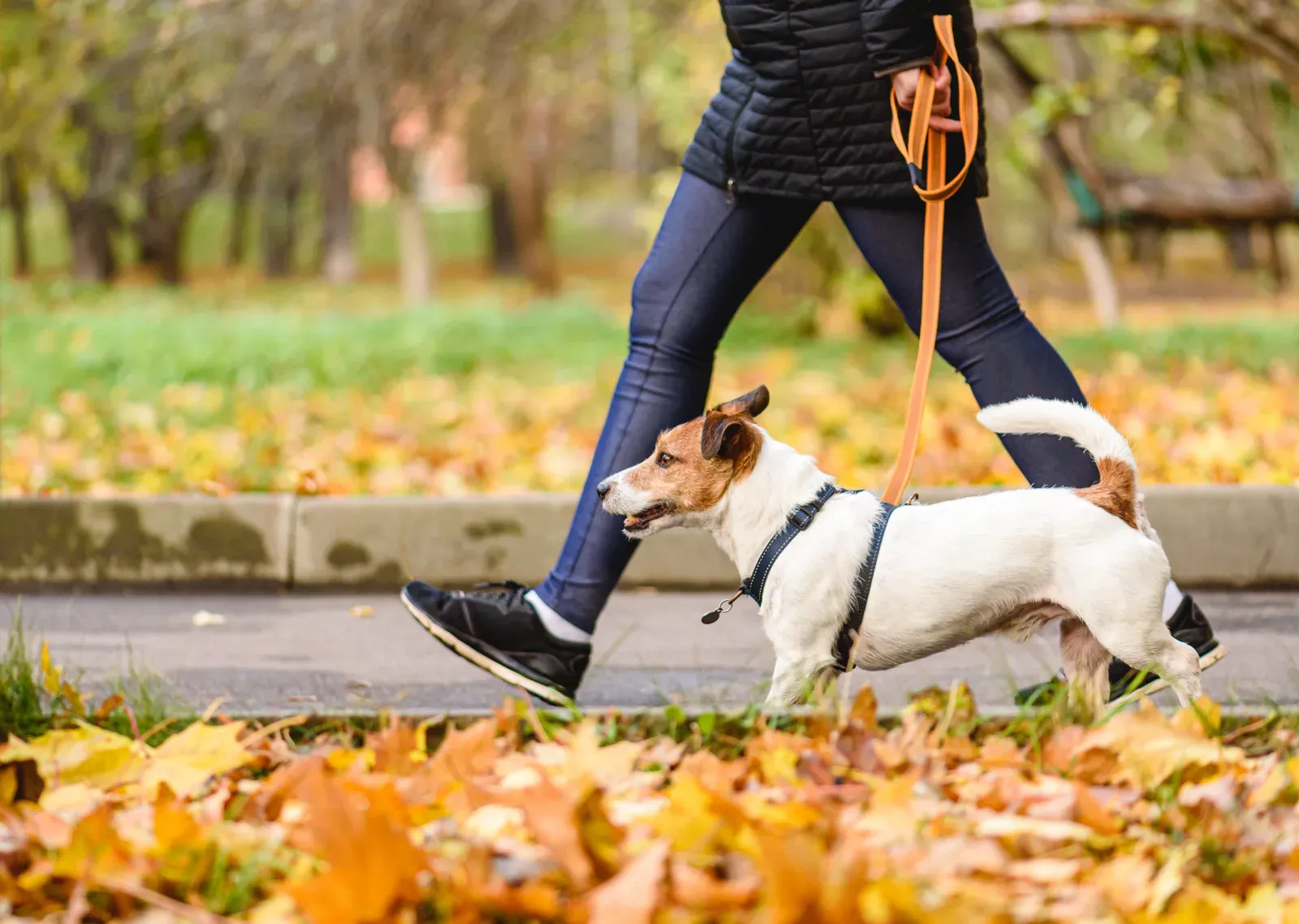
If every walk is a wrestling match, pulling, barking, zig-zagging, this two-week program rebuilds the walk from the ground up with foundational on-leash obedience..
Includes handover lesson, follow-up session, lifetime support, slip lead + collar
Asked and answered
The questions people ask us.
Is there a corgi trainer in Calgary who handles nipping and barking?
Yes. Corgis are a regular part of the week here, always one-on-one, and heel nipping and alarm barking are the two most common reasons a Corgi owner calls. Both are herding behaviours, and both respond well to marker training with a clear boundary attached.
What does corgi puppy training in Calgary cover?
Puppy Fundamentals is a 3-week board and train at $2,775 plus GST: crate comfort, leash manners, name, sit, down, place and structured socialization, with the slip lead and training collar included. A follow-up session comes within 60 days. For a Corgi puppy the place command is the one that later ends the herding lap around your living room.
How do you train a corgi in Calgary to stop herding the kids?
We give the dog a competing job. Place and a reliable recall are taught with markers and food, then proofed with children moving in the room, so the Corgi learns that going to its bed pays better than gathering ankles. You learn to run the same routine at the handover lesson, because the kids will keep running.
Are corgis hard to train?
They are easy to teach and hard to switch off. A Corgi learns a new cue quickly because it is sharp and food-driven, but it will also decide the rule does not apply when there is something to herd or announce. The training is mostly about consistency and giving the instinct somewhere legitimate to go.
Keep reading
Give your Corgi a job.
Barking, nipping or a bowl nobody can approach: tell us which. We will match the program to the problem. Book a consultation.
From real owners
Rated 5.0 on Google.
Real Northline dogs