
Life situations
Board and train when you start a new job
New badge, new commute, new hours. Your dog did not apply for any of it. Dogs read routine closely, and a sudden switch from you working at the kitchen table to an empty house by 8 am often shows up as fresh trouble. There are two sensible moves: train through the changeover, or train alongside it. Here is how to choose.
Last reviewed October 4, 2026
The changeover window
Train through the transition, or alongside it.
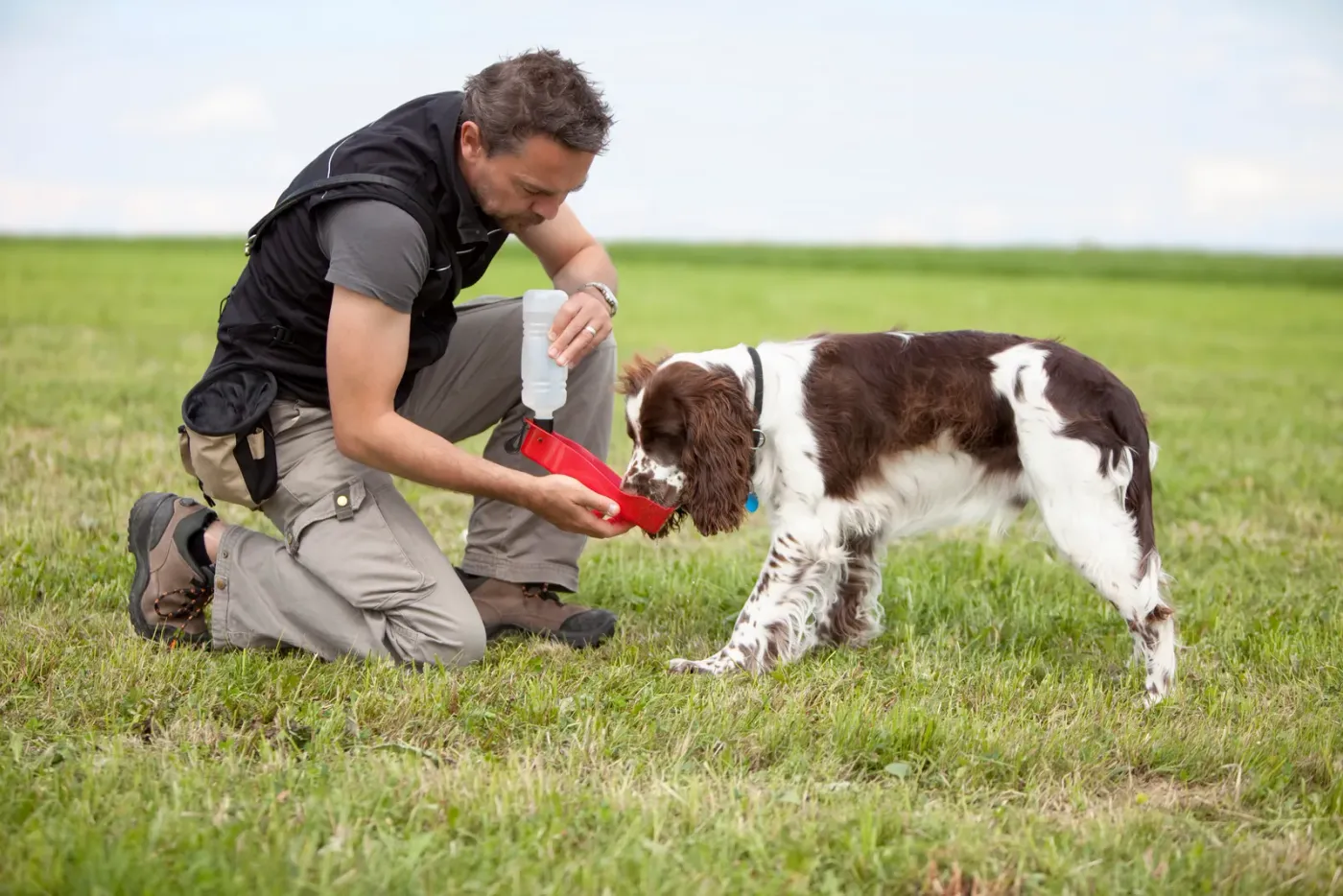
A board and train timed with your start date means your dog spends the most chaotic stretch, the onboarding, the late first days, the commute you are still figuring out, inside a structured routine with daily one-on-one training. You get updates instead of guilt. Then the handover lesson shows you the cues and routine, so you can carry them into your new schedule rather than inventing one on a tired Monday.
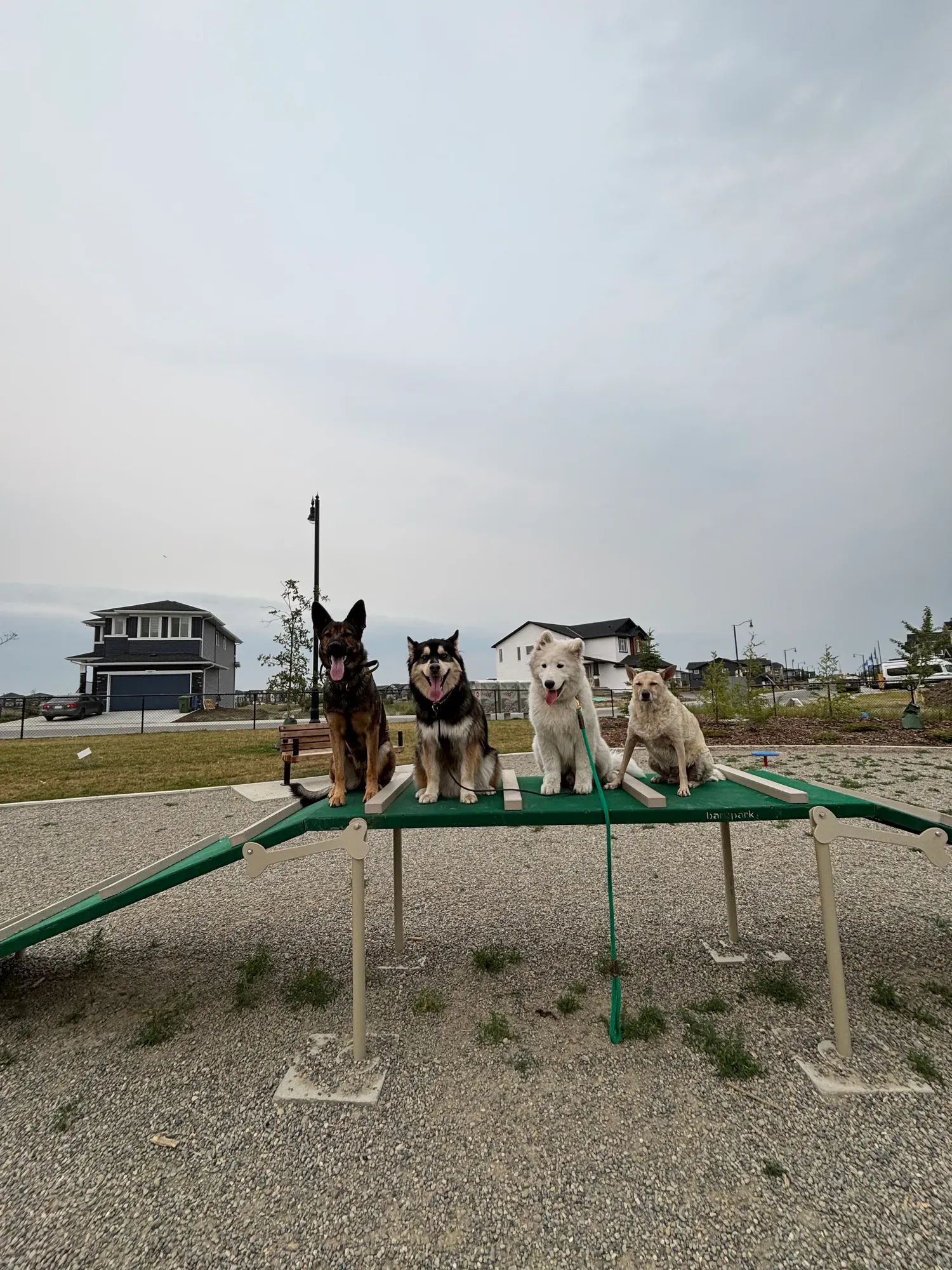
Day Training suits owners whose hours have settled and who want the dog home every night. The published windows, drop-off 8:00 to 10:00 am and pick-up 5:00 to 7:00 pm, line up with many office days, and a weekly one-hour go-home session keeps you in the loop. The consultation weighs both options, and points you to the lighter one when it covers what your dog needs.
- Routine set before day one
- Handover fits your new hours
- Day Training matches office windows
- Updates while you onboard
Home alone skills
Alone time, the dog walker question and week one.
Being alone calmly is a skill, and it is easier to build before the long days start. Crate comfort and a reliable place command give a dog a settled default when the house goes quiet. Practise short absences while your days are still flexible. If your dog shows real distress when left, such as frantic vocalizing, damaging doors or injuring itself, see your vet and get a professional assessment rather than pushing through.
A dog walker can break up a long day, but only if the walker handles your dog the way the training does. Share the cues and leash handling from your handover lesson so your dog hears one set of rules. In the first weeks, keep wake-up, walk, meal and settle times consistent, even on days off; a predictable shape tends to help many dogs adjust. On-Leash Foundations includes lifetime phone and email support for mid-week questions.

The programs
Programs and prices
SW · Weekdays, drop-off 8–10 am · pick-up 5–7 pm
Day Training
Professional training all day, your couch at night.
Includes weekly one-hour go-home lesson, daily structure
NE · 2-week board & train
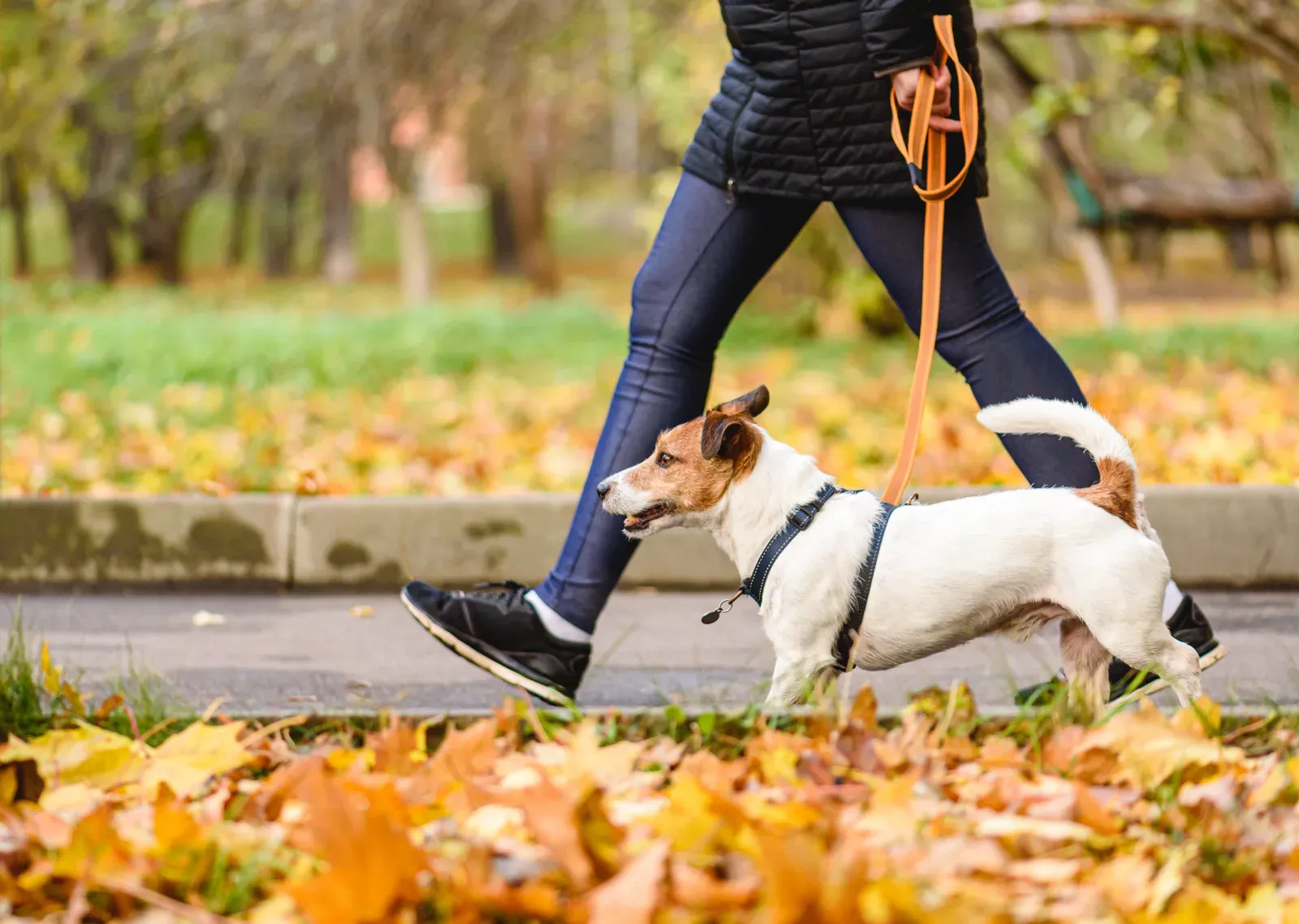
On-Leash Foundations
If every walk is a wrestling match, pulling, barking, zig-zagging, this two-week program rebuilds the walk from the ground up with foundational on-leash obedience..
Includes handover lesson, follow-up session, lifetime support, slip lead + collar
Asked and answered
The questions people ask us.
Why is my dog acting out since I started a new job?
A schedule change often means more alone time, less exercise and a different rhythm, and many dogs respond with chewing, barking or restlessness. If it looks like distress rather than boredom, talk to your vet and get a professional assessment.
Is day training good for people who work full time?
It is built for dogs who need consistent work while their owners want them home every night. It runs Monday to Friday at $650 + GST per week, with a weekly one-hour go-home session.
Should I do board and train before starting a new job?
It can make sense if you want the routine built while your own schedule is in flux. The consultation looks at your dog and your hours, and may recommend Day Training or private sessions instead.
Do I need a dog walker if I work all day?
That depends on your dog's age, energy and how long your day runs, which your vet and the consultation can help you judge. If you hire one, have them use the same cues and leash handling you learned at handover.
Keep reading
Start the job settled
Tell us your start date and new hours. Book a consultation and we will suggest the program that fits around them.
From real owners
Rated 5.0 on Google.
Real Northline dogs