
Life situations
Board and train for students and shared houses
A young dog in a house of four adults hears four versions of every rule. One roommate lets him on the couch, another feeds him toast, a third leaves the front door open at 2 am. Board and train works on the skills, but the house decides whether they last. Here is what a program covers, what the roommates have to agree to, and what it costs.
Last reviewed October 4, 2026

One dog, many keepers
What the program installs and the rules the house signs up for.
During board and train, the dog lives a structured routine with daily one-on-one sessions. Depending on the program recommended, that work covers loose-leash walking, a place command, sit and down with duration, and crate comfort. For a shared house, place and crate matter most: they give the dog somewhere to be while someone cooks at midnight or studies at the kitchen table. Each skill is taught with markers and rewards first.
The handover lesson teaches the owner, and in a shared house the owner's next job is teaching the roommates. Agree on the cue words, then write them on the fridge. Agree that nobody feeds from the table. Agree on who checks the gate before a party. Lifetime phone and email support comes with On-Leash Foundations, so the owner has somewhere to take questions when a roommate's habits start to drift.
- Same cue words for everyone
- No feeding from the table
- Gate checked before guests arrive
- Crate or place during parties
The budget talk
Paying for training on a student budget, honestly.
Prices are published, so the conversation can start with numbers. Private Training is $150 + GST per one-hour session with a written plan for the week. Day Training is $650 + GST per week, Monday to Friday, with drop-off from 8 to 10 am and pick-up from 5 to 7 pm, which can sit around a lecture timetable. On-Leash Foundations, the shortest board and train, is $1,865 + GST.
Some simple arithmetic: $1,865 equals roughly twelve private sessions at $150, before GST. That comparison is not a recommendation, because the right answer depends on the dog and on whether someone in the house can practise daily. We say so when a lighter option is enough, and a student house with one committed handler may be a good case for private coaching. If the dog needs more, we say that too.

The programs
Programs and prices
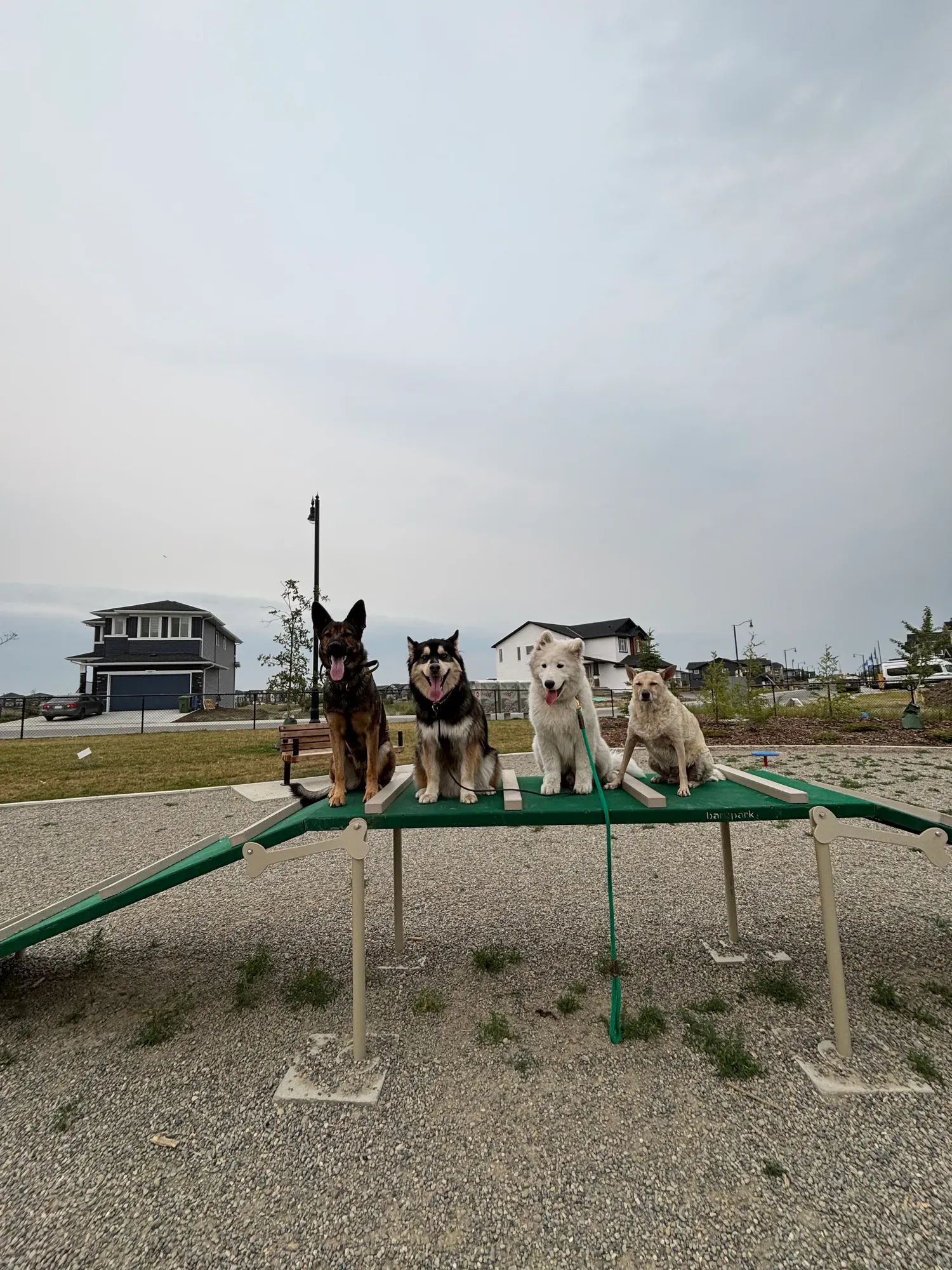
SW · Weekdays, drop-off 8–10 am · pick-up 5–7 pm
Day Training
Professional training all day, your couch at night.
Includes weekly one-hour go-home lesson, daily structure
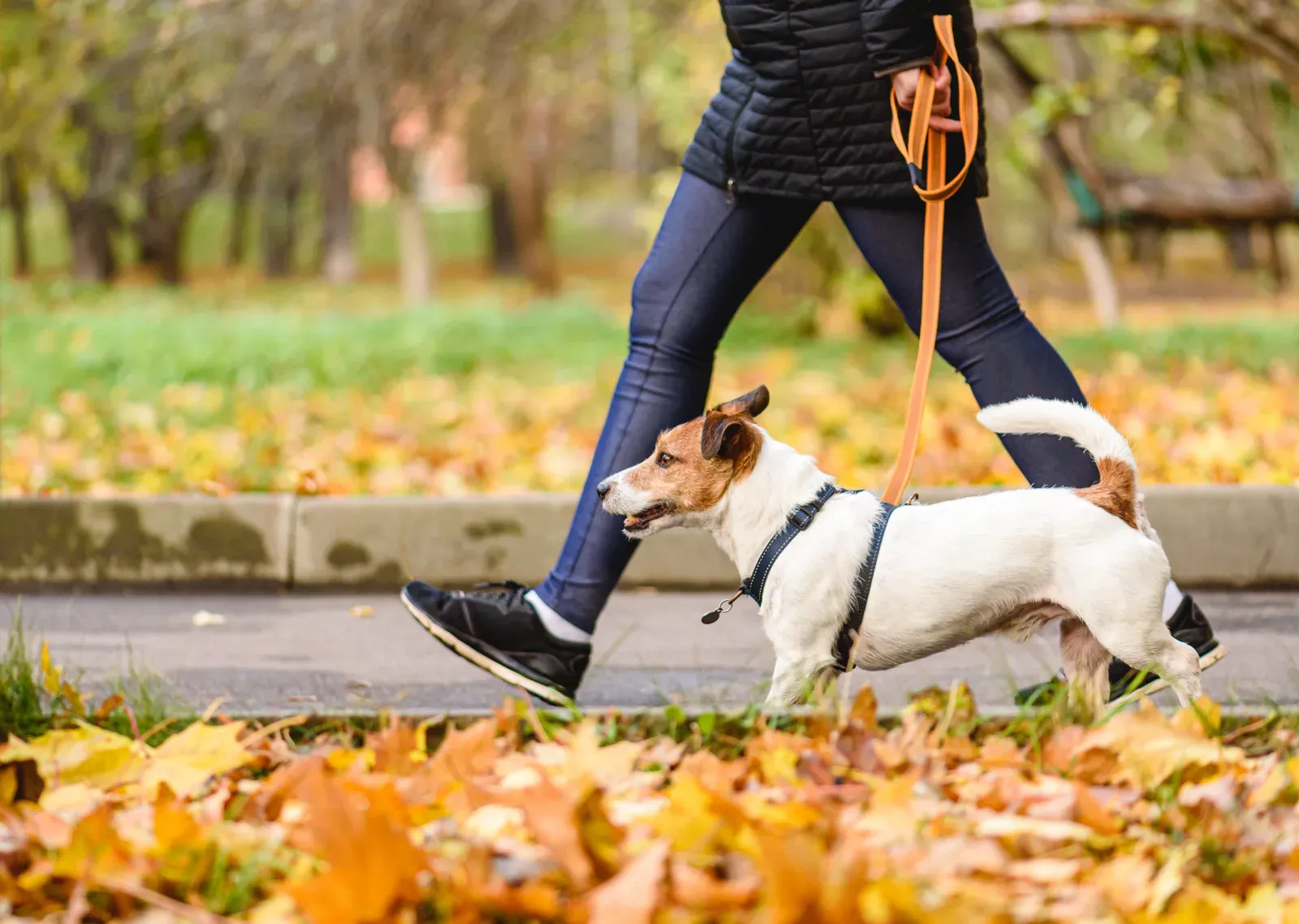
NE · 2-week board & train
On-Leash Foundations
If every walk is a wrestling match, pulling, barking, zig-zagging, this two-week program rebuilds the walk from the ground up with foundational on-leash obedience..
Includes handover lesson, follow-up session, lifetime support, slip lead + collar
Asked and answered
The questions people ask us.
Is board and train worth it for a college student?
It can be, if the dog's needs match what a program works on and someone in the house will keep the routine afterward. The consultation is where we look at both and recommend a program, or a smaller option like private sessions.
Who should learn the dog's cues in a shared house?
Whoever walks, feeds or lets the dog out. The handover lesson teaches the owner the cues and handling, and the owner then passes the written rules to everyone in the house.
What if I have class all day and work evenings?
Day Training runs Monday to Friday with drop-off between 8 and 10 am and pick-up between 5 and 7 pm, so the dog is working while you are in class. A weekly one-hour go-home lesson shows you what to practise in the evenings.
What if a roommate keeps breaking the dog's rules?
Expect some slipping when one person lets the dog get away with things. Talk it through as a house, put the rules in writing, and use a crate or gate when that roommate is home alone with the dog.
Keep reading
Training that fits a shared house
Book a consultation and we will recommend a program, or a lighter option, that suits your timetable and your roommates.
From real owners
Rated 5.0 on Google.
Real Northline dogs