
Board & train
Board and train for Labradors
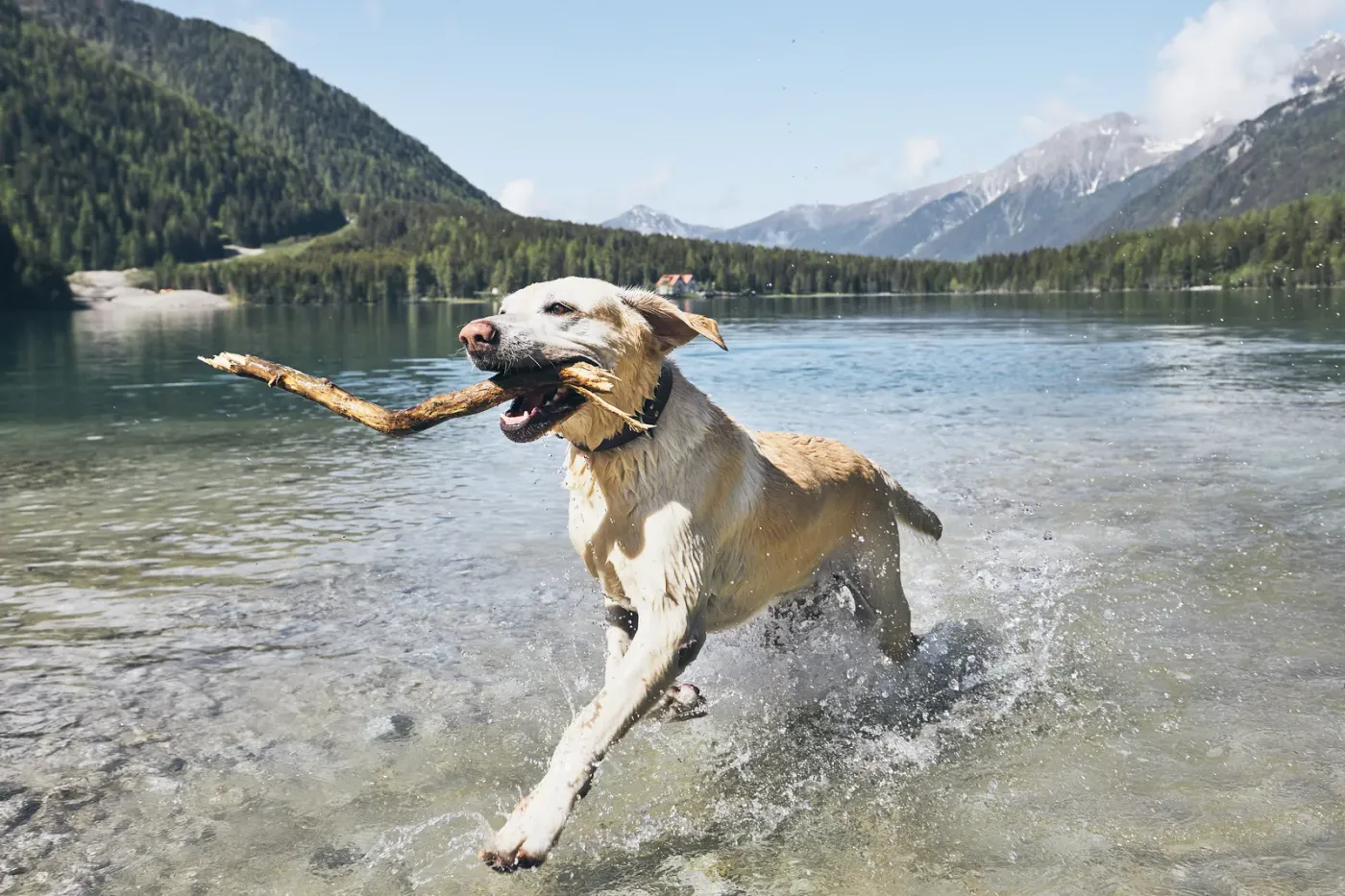
A Labrador is a strong, cheerful adolescent for a long time, and it would like to be in the river. That is the brief for many lab owners: the leash is a tow rope, the greeting is a tackle, and recall ends where the water begins. The breed's food drive is the lever. A live-in program uses it all day, with daily one-on-one training and a structured routine built around your dog.
Last reviewed October 4, 2026
What the work targets
Strength plus appetite, aimed at a loose leash.
Many labs are not stubborn, they are heavy and hungry. Skills are taught with markers and rewards first, which suits a dog who would do algebra for kibble, and tools such as a slip lead or training collar are matched to the individual dog and introduced properly. Loose-leash walking, heel, sit, down, stay and place get built, then proofed against the everyday distractions that set a lab off: other dogs, people, smells and anything that looks like lunch.
On-Leash Foundations is built for the lab who tows and the owner who has stopped enjoying the walk. Functional Off-Leash is built for the lab with decent manners who wants the river path and the off-leash park: reliable recall around distractions, with an Educator remote collar included and owner education on using it. Puppy Fundamentals is built for the lab puppy already practising the jump. Behaviour Rehab is built for anxiety, reactivity and aggression, after a full assessment.
- Loose leash under full strength
- Place while the house is busy
- Recall around real distractions
- Heel past other dogs
At home afterwards
The routine comes home before the adolescence ends.
What comes home is a dog who has rehearsed a loose leash, place and recall in daily one-on-one work, plus the slip lead and training collar it learned on. The handover lesson puts those skills and tools in your hands, and free follow-up sessions are included. A lab's adolescence often outlasts any program, so your part is daily: a structured walk, meals earned through a sit or a place, and recall practised before the swim, not after it.
The river question gets a straight answer at the consultation. A lab who already walks reasonably and simply wants freedom at the water is a different conversation from a lab who pulls hard, jumps on guests and hoovers the sidewalk. It helps to tell us what your dog does when it sees water, whether it has ever guarded food, and how walks currently end. If a smaller program is enough, that is the one we recommend. The how-to lives in our Labrador training guide.
The programs
Programs and prices
NE · 2-week board & train
On-Leash Foundations
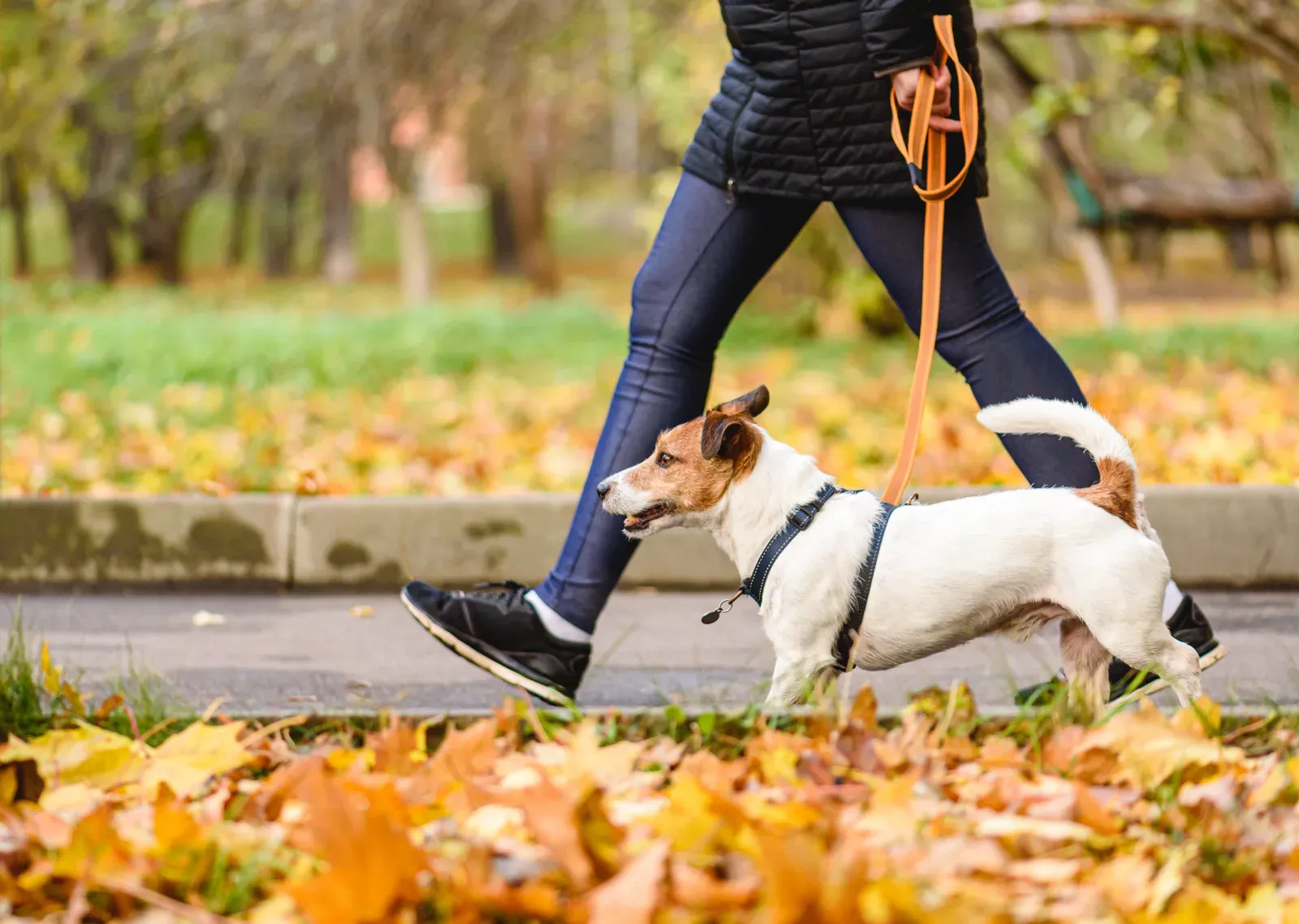
If every walk is a wrestling match, pulling, barking, zig-zagging, this two-week program rebuilds the walk from the ground up with foundational on-leash obedience..
Includes handover lesson, follow-up session, lifetime support, slip lead + collar
E · 3-week board & train
Functional Off-Leash
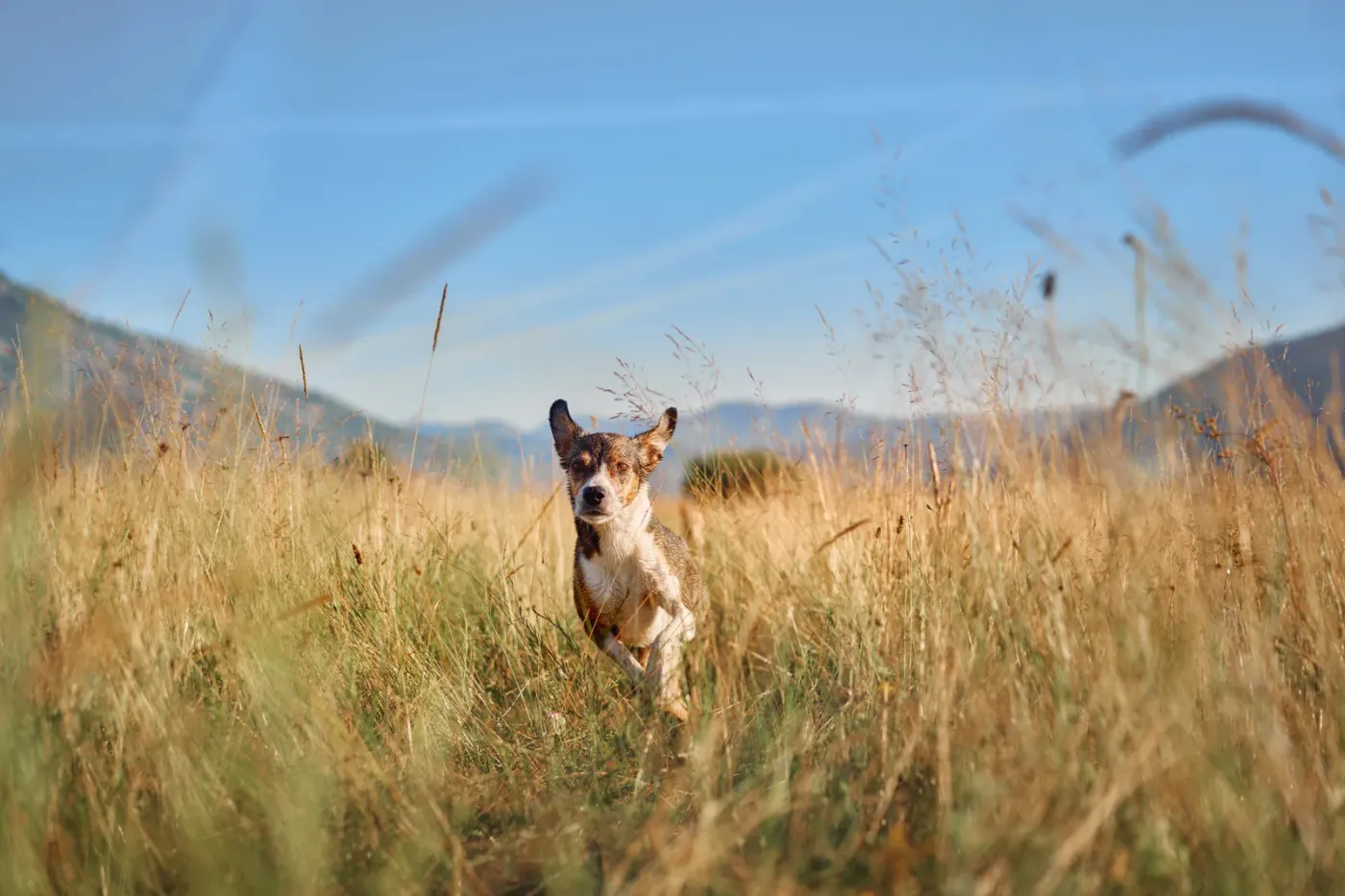
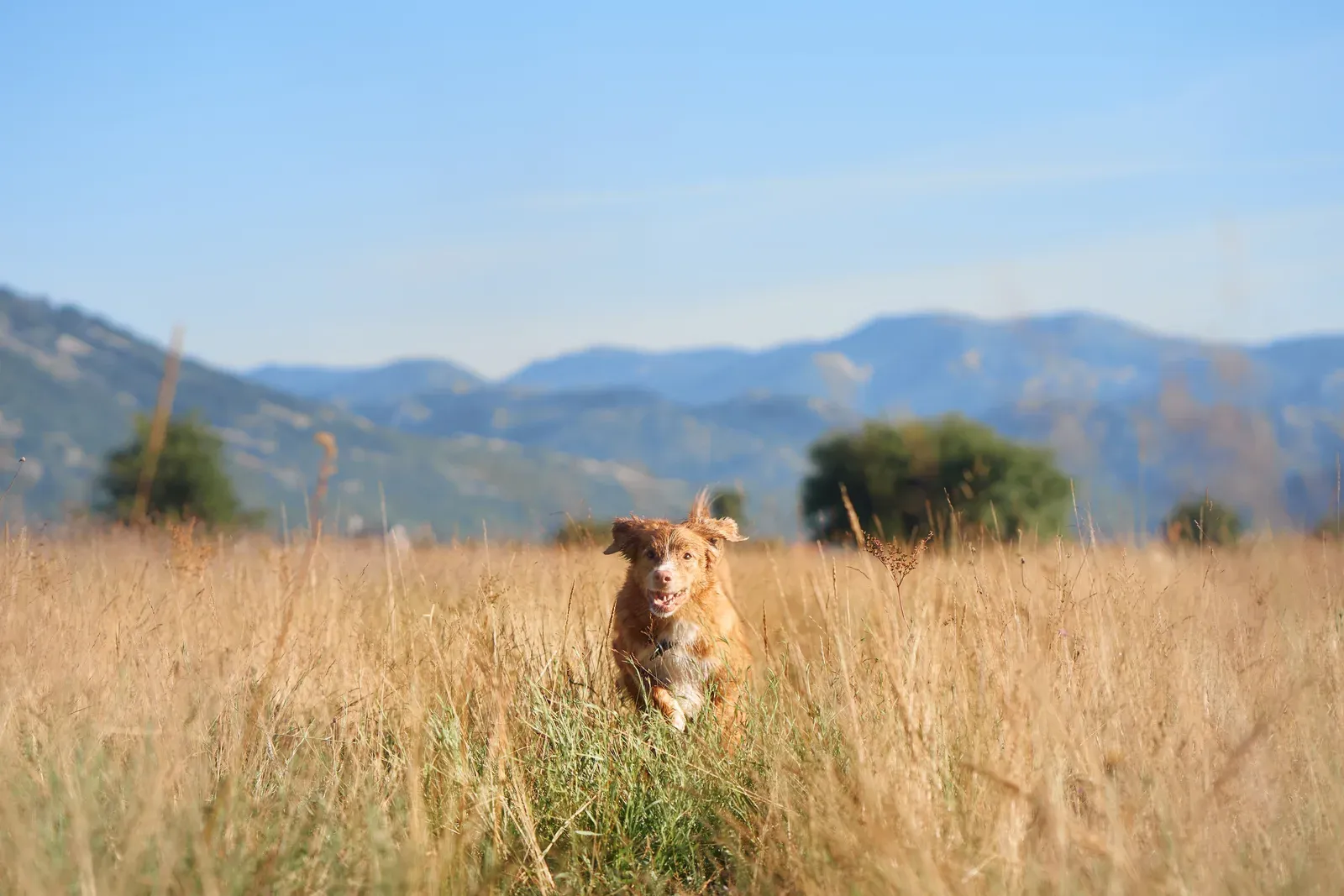
Everything in the on-leash program, then the next level: reliable off-leash recall even around distractions.
Includes handover lesson, follow-ups, Educator remote collar
Asked and answered
The questions people ask us.
What does a Labrador board and train work on?
For many labs it is loose-leash walking under real strength, heel, sit, down and stay, and recall that competes with other dogs and distractions. Place gives a busy lab somewhere to put itself. Every board and train also includes a structured routine, socialization, enrichment, updates and a handover lesson.
Does Functional Off-Leash suit a board and train Labrador who swims?
It is built for dogs with decent manners who are ready to earn real freedom, like the river path and the off-leash park. It is three weeks of daily work on reliable recall around distractions, with an Educator remote collar included and owner education on using it. The consultation decides whether it fits your lab.
Is a Labrador training program different for an adolescent dog?
The curriculum is the same; the proofing matters more. Many adolescent labs test rules they already know, so your consistency at home after the handover lesson carries a lot of weight. The consultation looks at the dog in front of us, not the age on paper.
Can a Labrador puppy do a board and train?
Puppy Fundamentals is a three-week board and train built for puppies in their key learning window: crate comfort, leash manners, name, sit, down, place and structured socialization. If your lab puppy is already rehearsing the jump and the tow, sooner is genuinely better. It includes a free follow-up session within 60 days.
Keep reading
Point the appetite somewhere
Tell us how walks end and what happens at the water. Book a consultation and we will recommend the program that fits your lab.
From real owners
Rated 5.0 on Google.
Real Northline dogs