
Breed guide
How to train a Labrador
A Labrador is enthusiasm with a tow rating. The same appetite that empties the bowl before it lands will clear a counter, and the same joy that greets you at the door will blow straight through it. Labs are not hard dogs; they are strong ones with a long adolescence. Here is what that looks like at home, and how training turns it around.
Last reviewed August 26, 2026
Life with a lab
Appetite is a superpower with side effects.
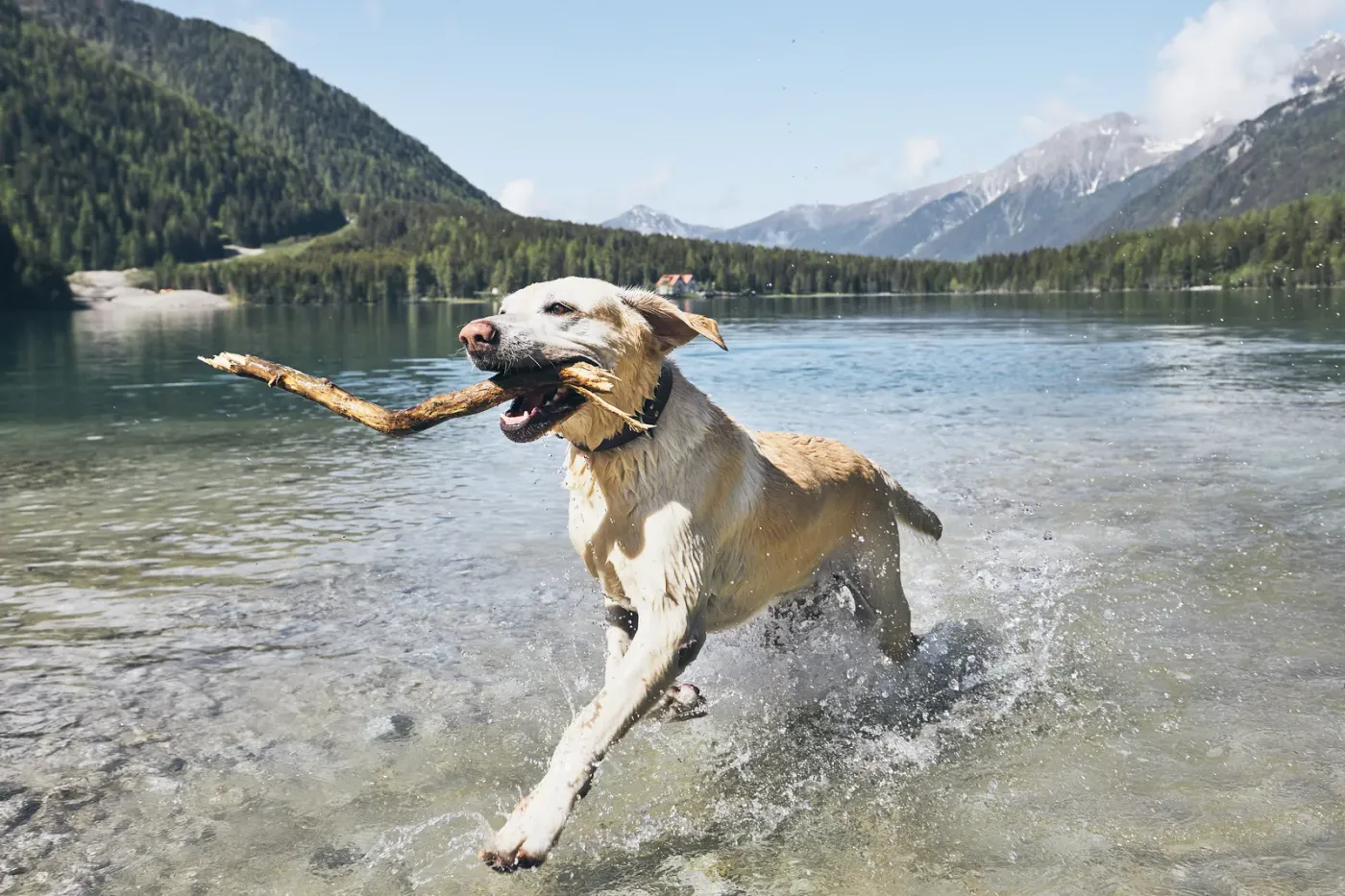
Everything about a Labrador is measured in more: more food, more speed, more physical commitment to saying hello. Counter surfing is the classic, because a lab quickly learns that kitchens are vending machines with bad security. Door dashing is its cousin: the outside world is wonderful, you are slow, and the gap was right there. Neither is spite. Both are a lab doing profitable things.
Then the year-two chaos window opens: a nearly full-grown body, a half-finished brain, and pulling power that can move furniture. Owners often panic here and assume the sweet puppy is gone. It is not. Labs mature late and come out the other side beautifully, provided somebody holds the rules steady while the chaos burns through.
- Counter surfing and door dashing
- Serious pulling power on leash
- Year-two chaos window
- Bottomless food motivation
The training plan
Make the boring choice profitable.
Lab training is an economics job: we use markers and food to make sit at the door pay better than bolting through it, and four on the floor pay better than surfing. Leash manners come first, taught with a slip lead and real technique, because every walk rehearses either pulling or not pulling. Impulse control around food, doors and water is the spine of everything else.
The classic lab-owner mistake is exercising the body and skipping the rules, which builds a fitter dog with the same habits. Calgary adds its own tests: labs will swim in glacial rivers in any month you allow it, and spring melt uncovers a buffet of things no dog should eat, so leave it and recall are non-negotiable here. Start with On-Leash Foundations, a 2-week board and train at $1,865, or Puppy Fundamentals if the chaos has not started yet.
The programs
Where this breed usually lands.
The programs below are the ones this breed most often needs; the consultation confirms it for your dog.
NE · 2-week board & train
On-Leash Foundations
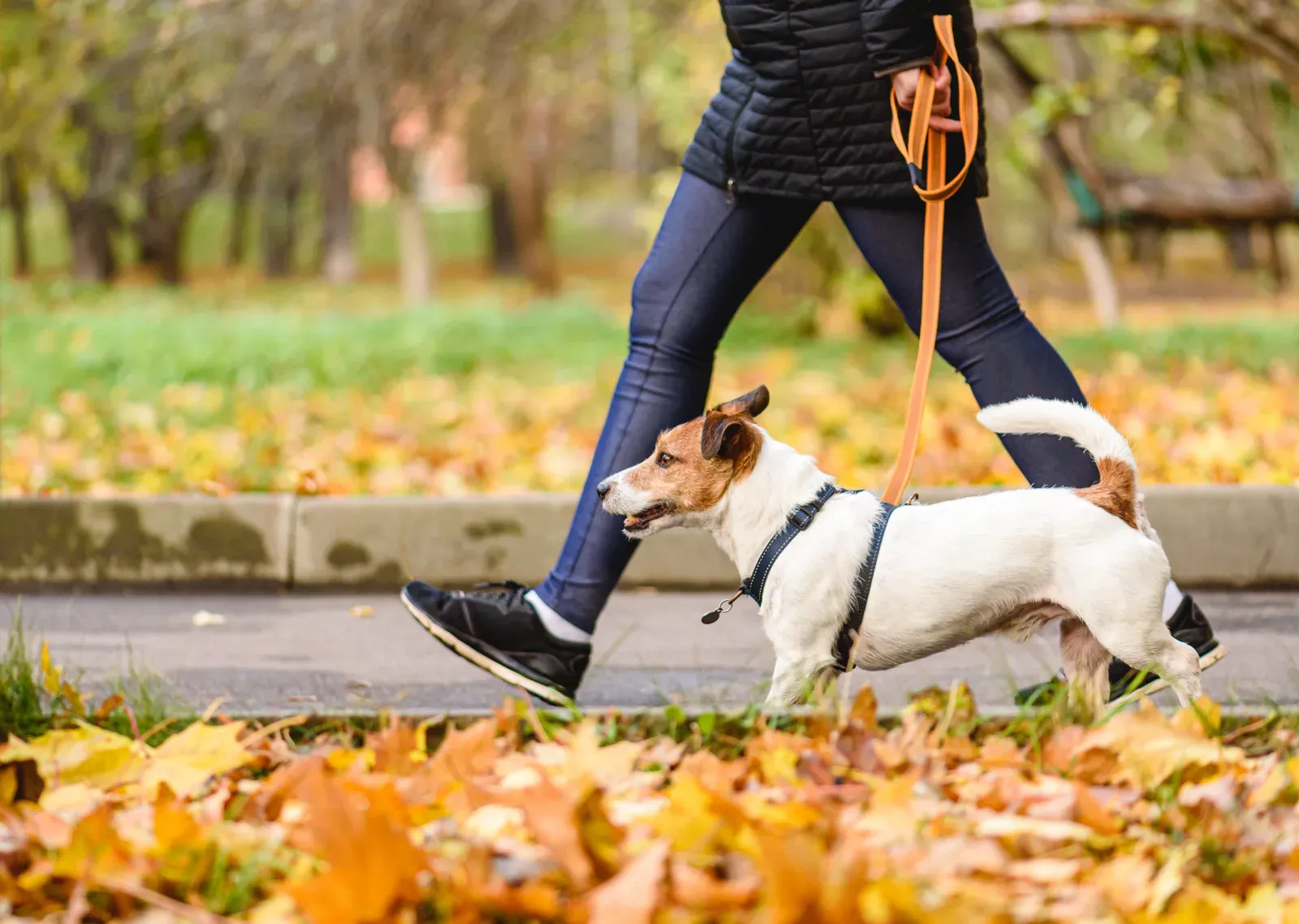
If every walk is a wrestling match, pulling, barking, zig-zagging, this two-week program rebuilds the walk from the ground up with foundational on-leash obedience..
Includes handover lesson, follow-up session, lifetime support, slip lead + collar
E · 3-week board & train
Functional Off-Leash
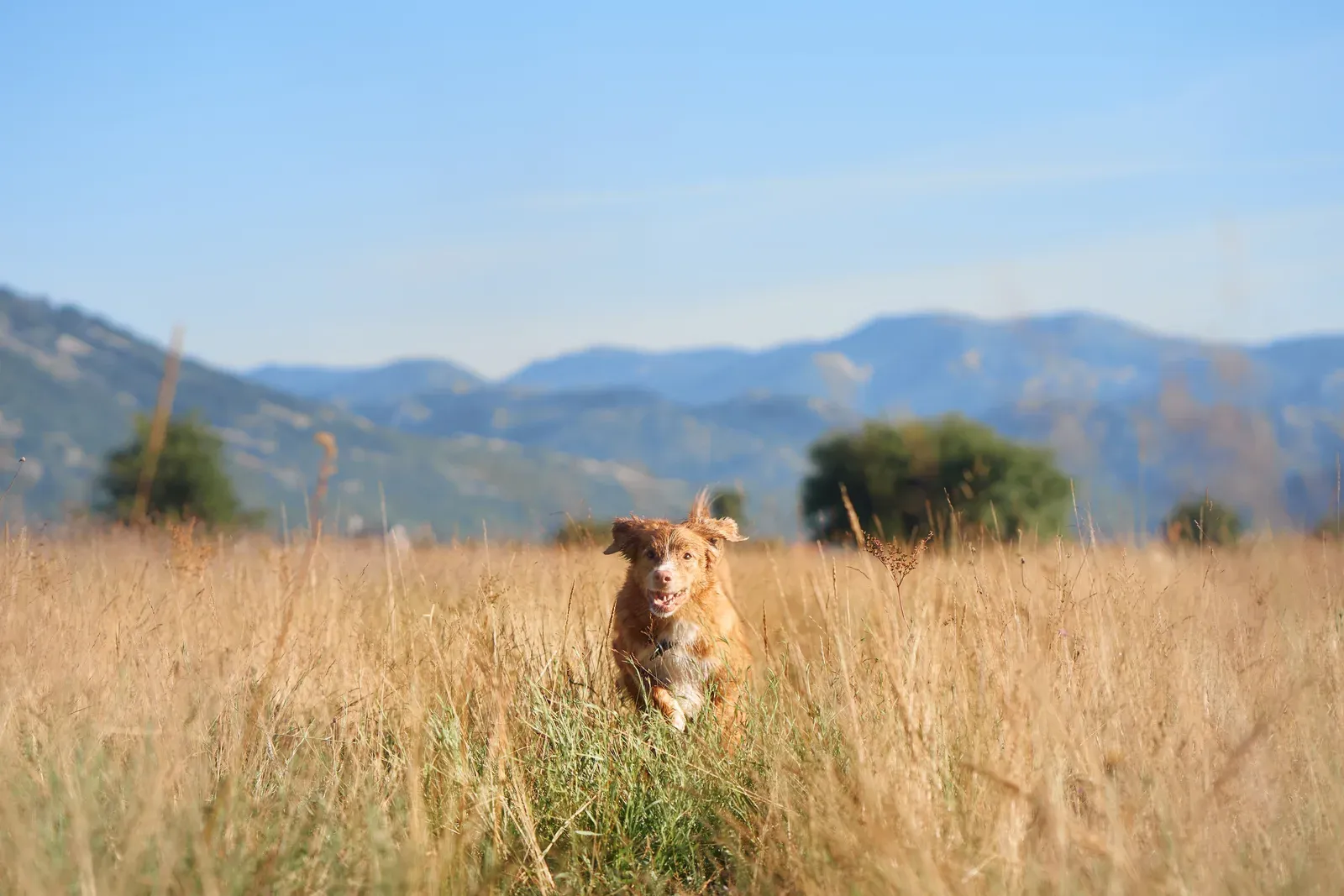
Everything in the on-leash program, then the next level: reliable off-leash recall even around distractions.
Includes handover lesson, follow-ups, Educator remote collar
Asked and answered
The questions people ask us.
Are Labradors easy to train?
Yes, in the sense that a lab will work enthusiastically for food, which is most of the battle. The hard part is the strength and the late maturity: an untrained lab is not subtle about its mistakes. Motivation is never the issue; direction is.
How do I stop Labrador behaviour problems like counter surfing?
Remove the wins first: clear counters and managed doorways stop the habit from paying while you train. Then teach place and leave it so the dog has a profitable alternative. A behaviour that stops working fades much faster than one that still pays occasionally.
When should Labrador puppy training start?
Before the pulling power arrives. A lab puppy is the easiest version of the dog you will ever train, so leash manners, crate comfort and food-bowl patience should start in the first weeks at home. Adolescence is much kinder to owners who banked that early work.
What are your best Labrador training tips?
Measure progress by what your lab does around food, water and open doors, not in the living room. Use meals as training pay instead of free handouts. And keep sessions short and frequent; a lab's enthusiasm outlasts its focus.
Keep reading
Turn chaos into manners
Whether it is the counters, the doors or the pulling, there is a plan. Book a consultation.
From real owners
Rated 5.0 on Google.
Real Northline dogs