
Life situations
Board and train for couples who disagree about the dog
Plenty of households have a rule-keeper and a softie. The dog notices first. One person asks for a sit at the door, the other opens it anyway, and the dog learns that rules depend on who is home. A board and train will not pick a winner between you. It sets one standard, then hands that standard to both of you at the same time.
Last reviewed October 4, 2026
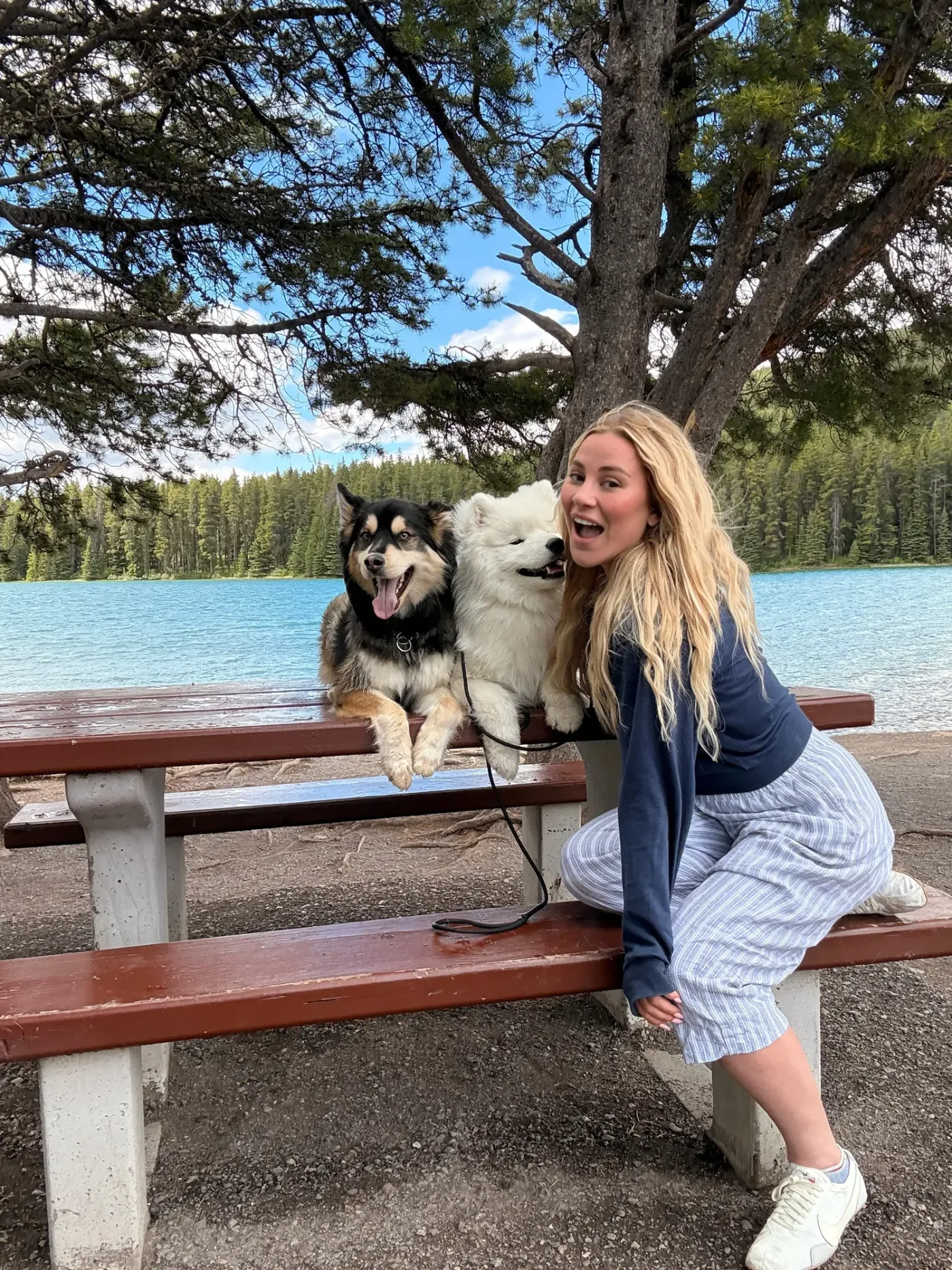
One dog, two handlers
How a program sets one standard for both of you.
During a board and train, the dog lives one structured routine with one set of cues. Sit means sit whether the door is opening or dinner is coming. Place means stay on the bed until released. Nobody in that routine is negotiating. That consistency is what helps a dog learn, and it is also the thing a split household struggles to supply on its own, through no fault of either partner.
The owner handover lesson is where the standard moves home. Bring both adults if you can, so each of you hears the same explanation, holds the same leash and practises the same release word. The cuddle-minded partner learns that affection after a calm sit is still affection. The structure-minded partner learns that rewards and warmth are part of the method, not a weakness in it.
- Both adults attend the handover
- Same cue words, same release
- Affection given after calm behaviour
- One tool, handled one way
Rules you both keep
The smallest set of rules two people can actually keep.
Long rule lists fail in disagreeing homes because each partner quietly drops the rules they never liked. Pick fewer and keep them. A workable shortlist: the dog sits before the door opens, the dog goes to place during meals, nobody feeds from the table, and couch access is by invitation only. Four rules written on the fridge beat twelve rules held in one person's head.
Then agree on what happens when a rule is broken. If the dog leaves place, either of you calmly returns it, without scolding and without giving up. The cuddle partner keeps the cuddles, just on the couch by invitation. The structure partner keeps the routine, just without extra rules nobody else signed up for. If you still cannot agree after the handover, a Private Training session can referee the details.
The programs
Programs and prices
W · One-hour session
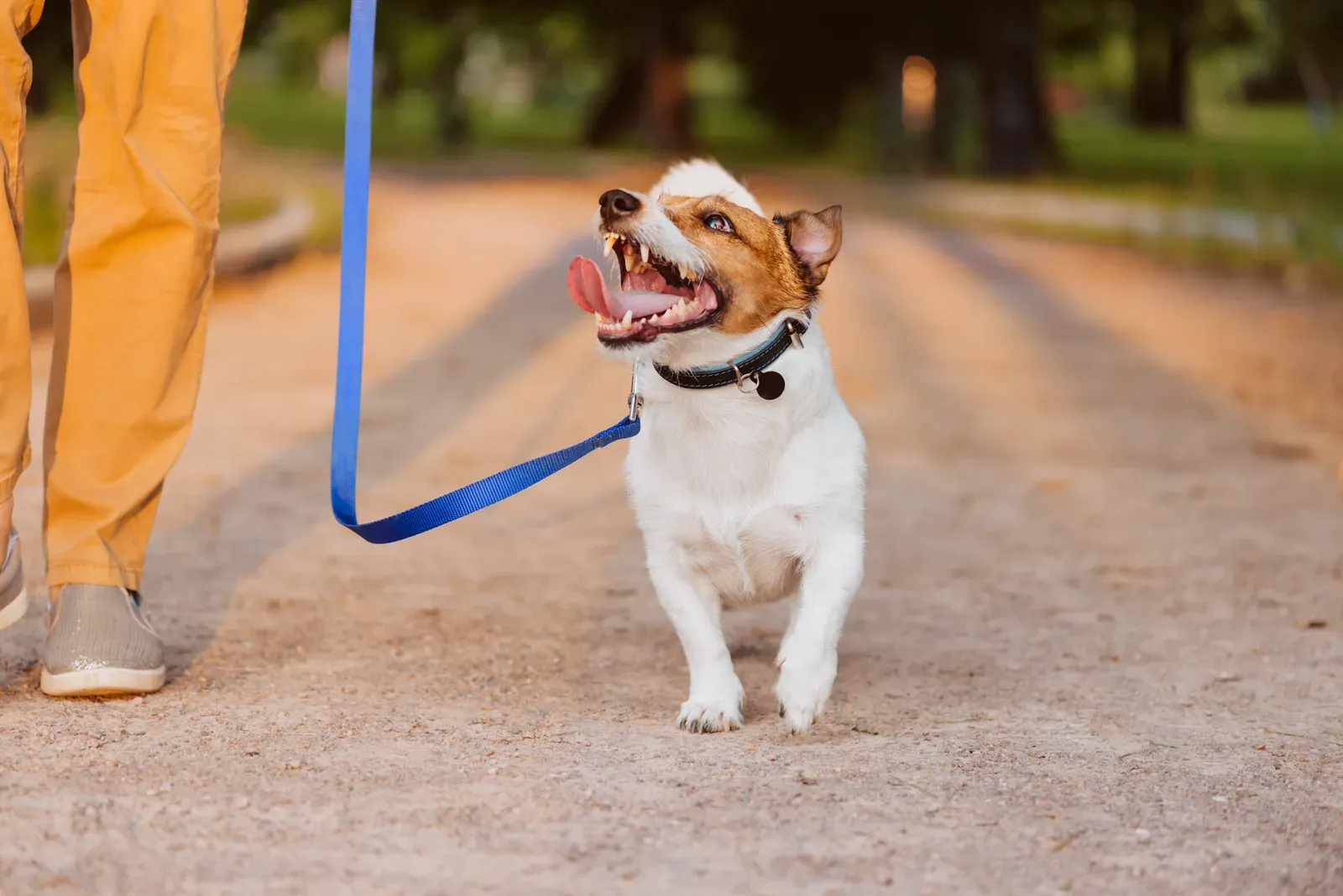
Private Training
One-on-one coaching with you on the other end of the leash.
Includes a written weekly plan to work from
NE · 2-week board & train
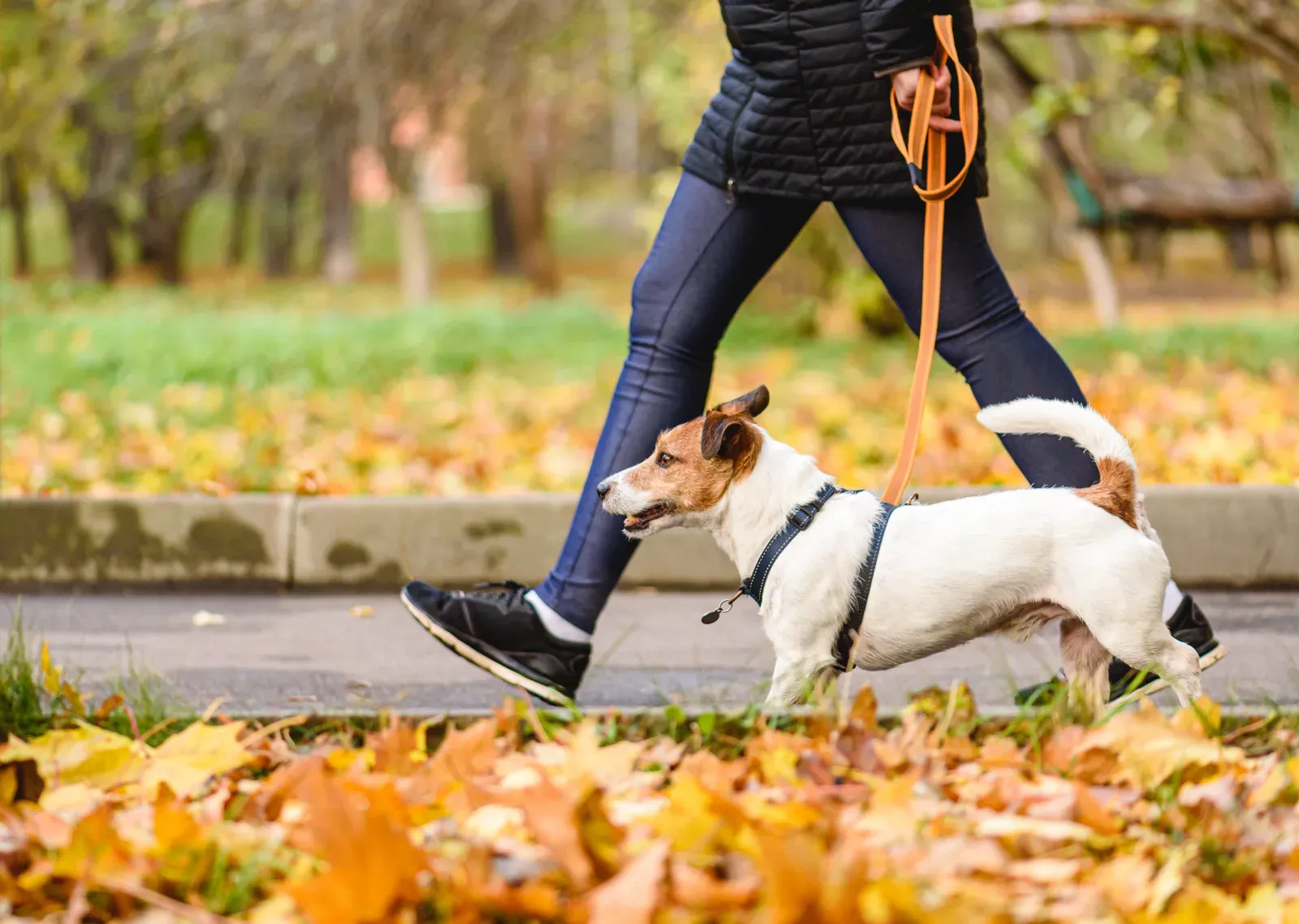
On-Leash Foundations
If every walk is a wrestling match, pulling, barking, zig-zagging, this two-week program rebuilds the walk from the ground up with foundational on-leash obedience..
Includes handover lesson, follow-up session, lifetime support, slip lead + collar
Asked and answered
The questions people ask us.
My partner and I disagree on dog training, will board and train help?
It gives the dog one clear standard while it is with us, and the handover lesson teaches that standard to both of you together. Whether it holds at home depends on both adults keeping the same few rules.
Can both of us come to the handover lesson?
Please bring both of you if you can. Hearing the same explanation at the same time removes a lot of later arguments about who remembered it correctly.
Is it bad to cuddle a dog during training?
No. Affection is part of a healthy relationship, and our method teaches skills with markers and rewards first. The useful change is timing: offer cuddles after calm behaviour rather than to settle a dog who is jumping or pestering.
What if one of us is too soft with the dog?
Soft is not the problem, inconsistency is. Agree on a short list of rules that both of you enforce the same calm way every time. If you cannot agree on the list, book a consultation and talk it through with us.
Keep reading
One dog, one standard
Book a consultation and bring both opinions. We will recommend a program, or a smaller option when that fits better.
From real owners
Rated 5.0 on Google.
Real Northline dogs