
Life situations
Board and train for blended families
Your dog was allowed on the bed. Their dog never was. One answers to 'off', the other to 'down', and both now share a kitchen with a new set of children every other week. Blending a family blends two training histories. This page covers how a program sets one standard, how to manage the first months, and when to get an assessment.
Last reviewed October 4, 2026
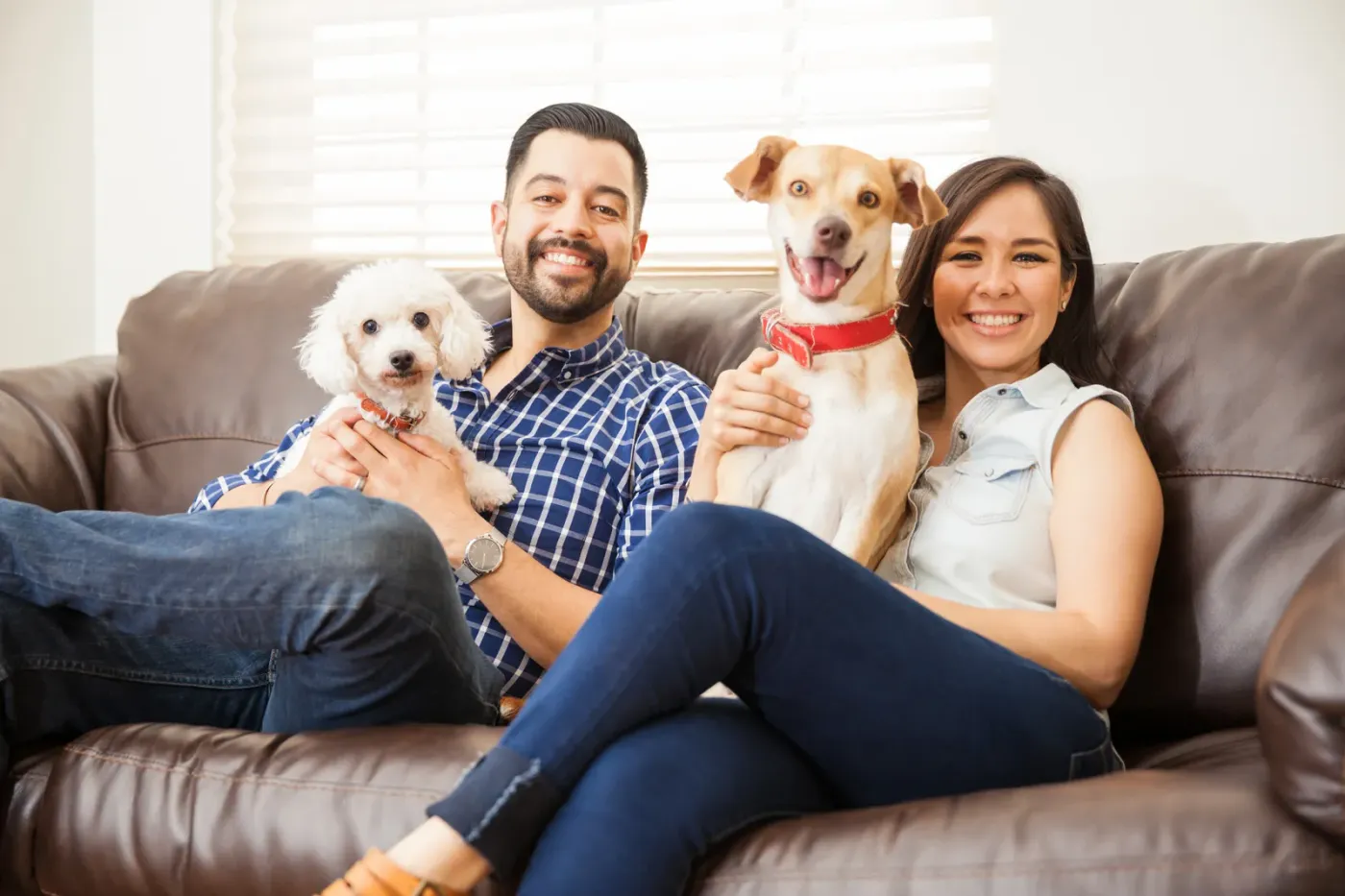
One house, one standard
Merging two dogs' rules into one set the adults keep.
Before any program, the adults sit down and pick the rules: which furniture, which cue words, where the dogs eat, who lets them out. Board and train then works those choices into the dog through daily one-on-one sessions, using markers and rewards first. If both dogs need work, the consultation looks at each one separately, since one dog may need leash skills while the other needs very little.
The first months together call for management, not hope. Feed the dogs in separate rooms. Pick up bones and favourite toys. Use gates and crates so each dog has a space no one else enters, and walk them together, one adult per leash, before sharing a yard. Watch for stiffening, staring or growling, and never punish a growl: it is information. If tension builds or a scuffle happens, stop and book a professional assessment.
- Agree on cue words first
- Separate feeding spots
- Gates and crates early
- Assessment if tension builds
Kids and consistency
Children moving between houses, and a dog that needs sameness.
In many blended families, children arrive and leave on a schedule: one week here, a weekend there. A dog tends to notice the change in noise and energy more than the calendar. The answer is to make the dog's day look the same whichever children are home. Same walk times, same place command during meals, same crate when the house gets loud.
Children do not do the training, and they never test the dog. Give them a few plain house rules instead: leave a dog alone in its crate or bed, no food from hands at the table, and call an adult rather than pulling dogs apart. The adults hold the standard. At the consultation we will hear about both dogs and both families, and recommend the smallest program that does the job.
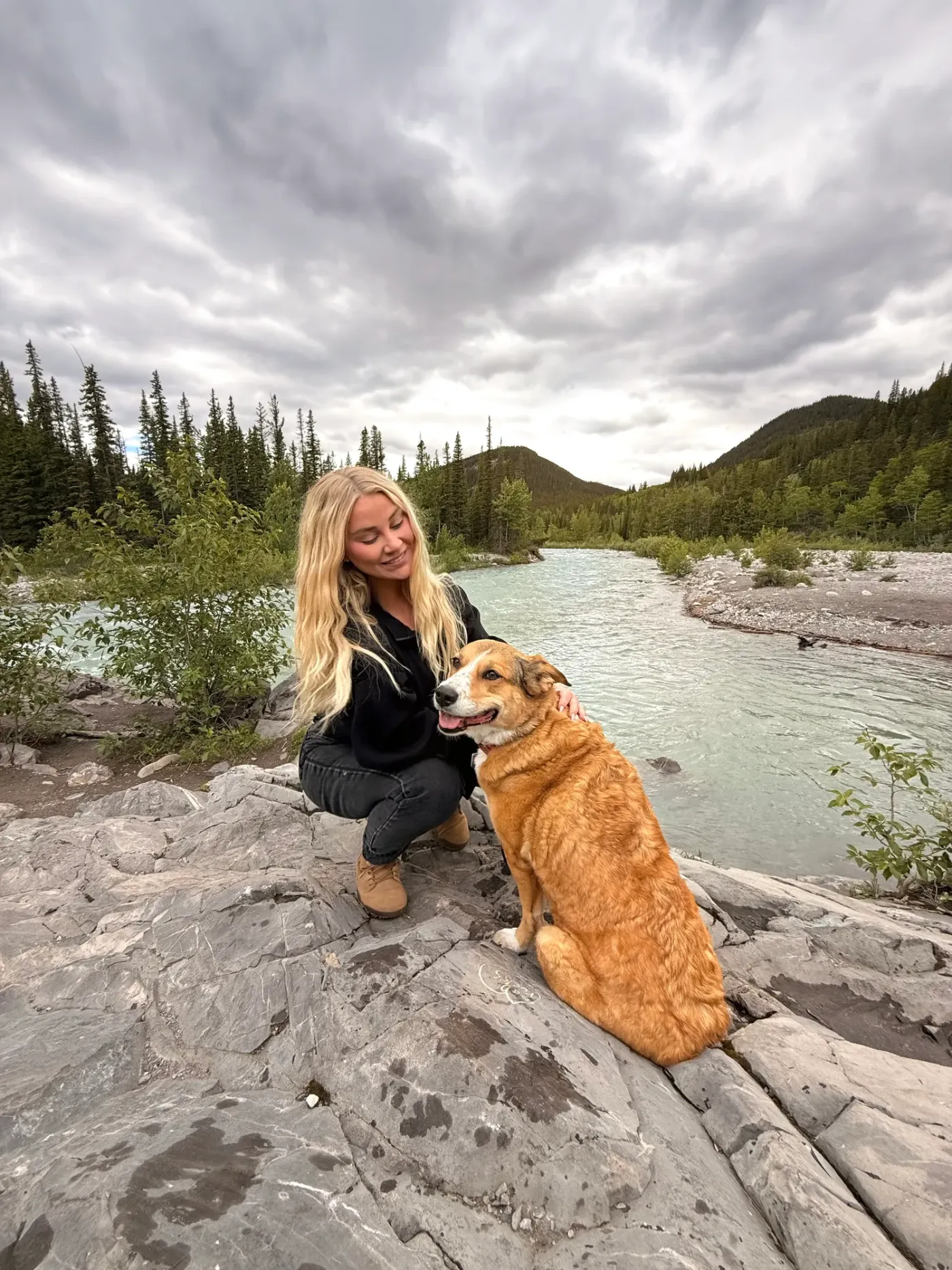
The programs
Programs and prices
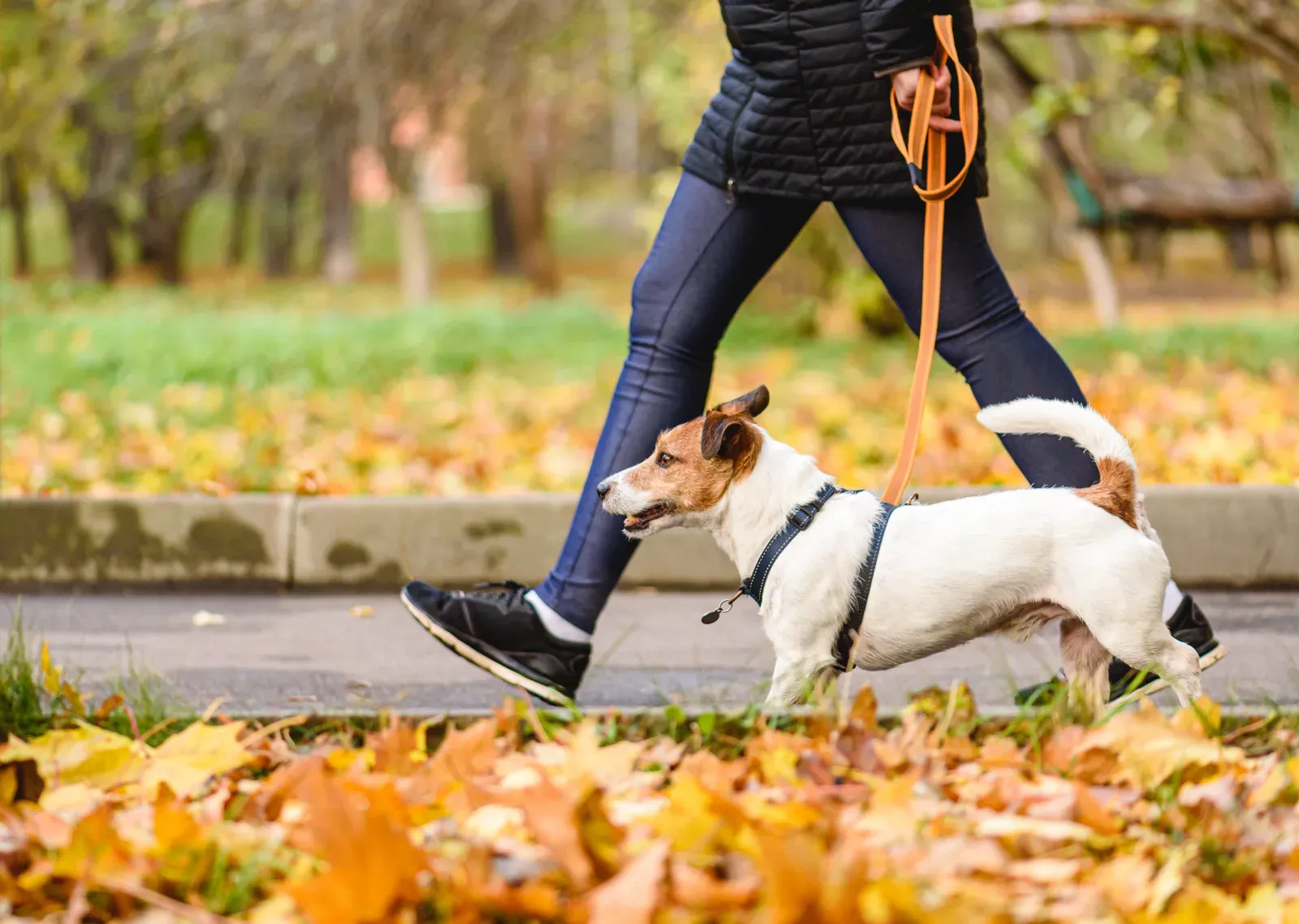
NE · 2-week board & train
On-Leash Foundations
If every walk is a wrestling match, pulling, barking, zig-zagging, this two-week program rebuilds the walk from the ground up with foundational on-leash obedience..
Includes handover lesson, follow-up session, lifetime support, slip lead + collar
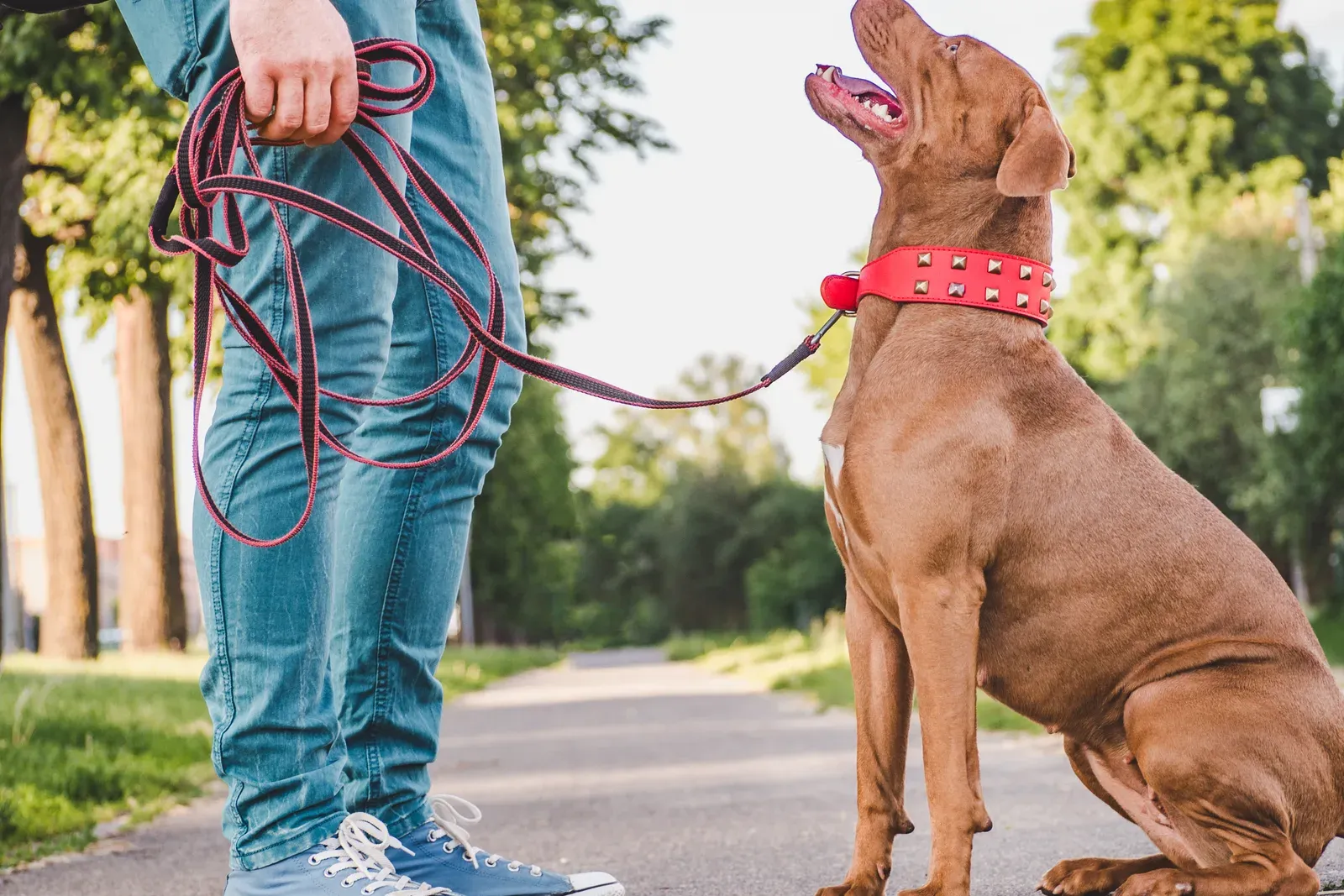
S · 5–6 week board & train
Behaviour Rehab
Kaitlin's specialty, and the work she loves most.
Includes assessment-built plan, 2 follow-ups, deep owner education
Asked and answered
The questions people ask us.
How do you introduce two dogs when moving in together?
Start on neutral ground with an adult on each leash, keep the first meetings short, and manage the home with gates and separate feeding. If either dog stiffens, growls or snaps, pause and get a professional assessment before trying again.
Can board and train fix two dogs that fight?
Fighting between household dogs calls for a full behaviour assessment first, and Behaviour Rehab begins with one. A vet visit is also sensible, since pain can play a part. We never promise how it will turn out.
My partner's dog has different rules than mine. Whose rules win?
Neither, exactly. Agree on one set together and write it down. The program teaches the dog those rules, and the handover lesson teaches the adults.
Should my kids help train the new dog?
No. Children should not run training sessions or test a dog's tolerance. Give them simple house rules and let the adults handle the cues.
Keep reading
One family, one set of rules
Book a consultation and tell us about both dogs and both households. We will recommend a fit, smaller options included.
From real owners
Rated 5.0 on Google.
Real Northline dogs