
Board & train
Board and train for Akitas
An Akita rarely announces anything. Many do not bark at the window or greet the courier, and many give little warning before deciding another dog, often of the same sex, is not welcome. That quiet makes the breed restful at home and demanding everywhere else. A live-in program cannot make an Akita sociable, and should not try. What it can work on is manners, neutrality and a dog you can read.
Last reviewed October 4, 2026
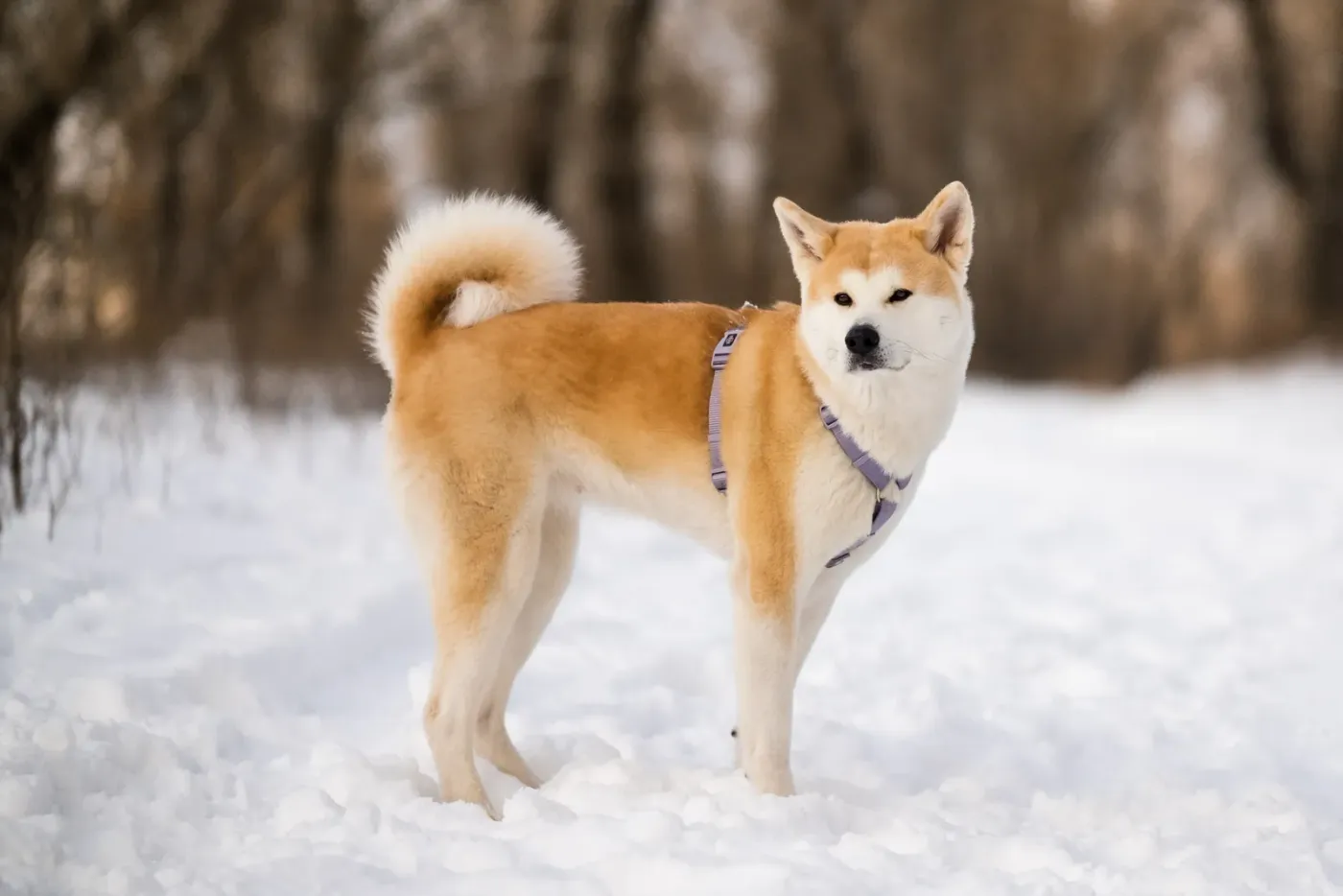
Neutral, not friendly
Manners for a dog who was never going to love everyone.
Many Akitas bring three things to a program: indifference to strangers that reads as rudeness, a hard line on other dogs of the same sex, and a habit of guarding what it considers its own: a bowl, a bed, a doorway. Daily one-on-one sessions, never group classes, work on heel past another dog at a distance the Akita can hold, place while people come and go, and calm handling around food and resting spots, taught with markers and rewards before any tool is introduced.
On-Leash Foundations, two weeks at $1,865 plus GST, works on heel, sit, down, stay and place around everyday distractions, the physical manners a dog this size owes the sidewalk. Advanced Off-Leash, four weeks at $3,940 plus GST, adds public manners and sit, stay and down at distance. Behaviour Rehab, five to six weeks at $4,850 to $5,760 plus GST, is built for the Akita who has already fought or bitten: it begins with a full assessment, and bite histories are accepted after one.
- Heel that holds past another dog
- Place while visitors come in
- Calm handling around food and bed
- Assessment first for dog aggression
Structure that travels
An Akita respects the rules it sees you keep.
What transfers home is structure: the dog has lived a routine where heel, place and calm greetings happened every day, and the handover lesson teaches you to run the same routine at home. For an Akita that matters, because this is a dog that notices who holds the line and who negotiates. Updates while the dog is away keep you in the loop; visits are gently discouraged because they interrupt the routine the dog is learning.
Your part: greetings with unfamiliar dogs stay off the menu, the bowl and the bed are managed rather than contested, and a growl is never punished, because it is the warning you want to keep. If guarding or dog aggression escalates, a full assessment is the right next step, not another walk past the trigger. The consultation recommends the program, and it will be the smaller one whenever that covers the need. Method is in our Akita training guide.

The programs
Programs and prices
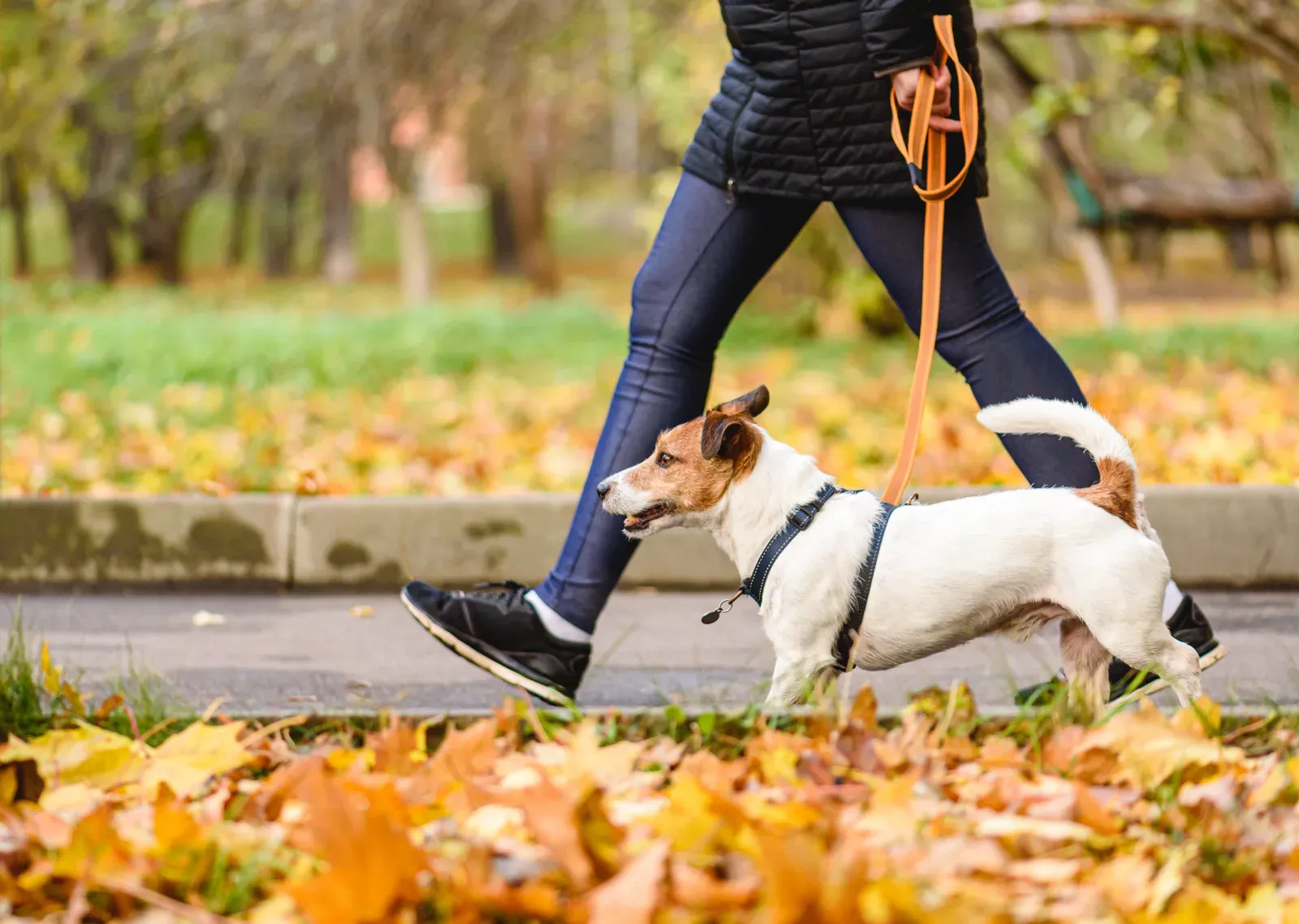
NE · 2-week board & train
On-Leash Foundations
If every walk is a wrestling match, pulling, barking, zig-zagging, this two-week program rebuilds the walk from the ground up with foundational on-leash obedience..
Includes handover lesson, follow-up session, lifetime support, slip lead + collar
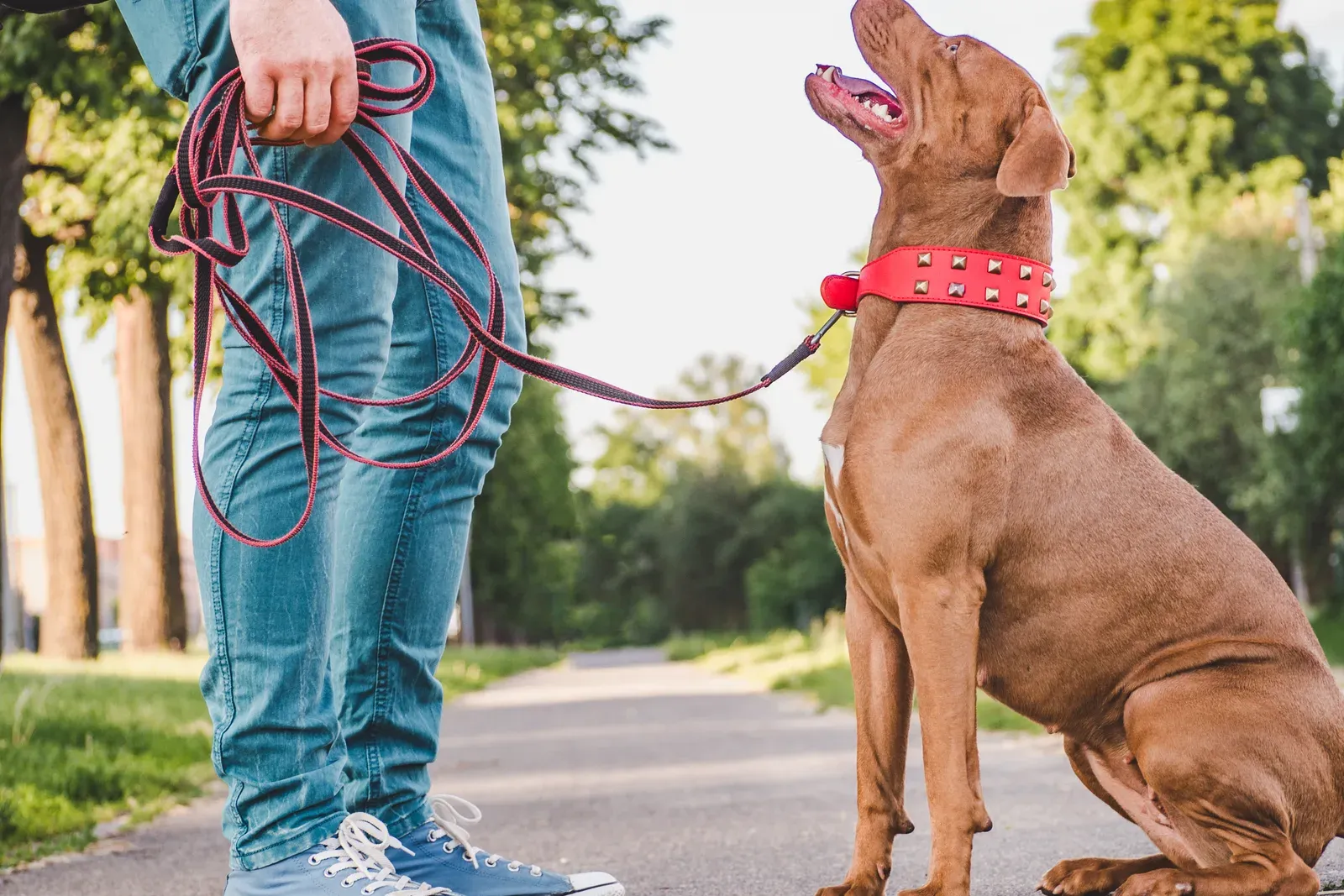
S · 5–6 week board & train
Behaviour Rehab
Kaitlin's specialty, and the work she loves most.
Includes assessment-built plan, 2 follow-ups, deep owner education
Asked and answered
The questions people ask us.
Does board and train work for an Akita?
It works on what an Akita can reasonably offer: heel past other dogs, place while visitors arrive, calm handling around food and resting spots, and public manners. It does not aim to make the dog sociable, because that is not what the breed is. The consultation looks at your Akita and recommends a program, or a smaller one if that is enough.
Can you board and train an Akita that is aggressive with other dogs?
Behaviour Rehab is built for reactivity and aggression, and dogs with bite histories are accepted into it after a full assessment. The five to six weeks are customized after that assessment and include reactivity work at the dog's pace and in-depth owner education. That decision is made at the assessment, not on this page.
What does an Akita training program work on day to day?
Daily one-on-one training in a structured routine, structured socialization, enrichment, owner updates, a handover lesson, free follow-ups: every board and train has those. For an Akita, socialization means structured exposure at a distance the dog can hold, not play with strangers' dogs. Everything is one-on-one; there are no group classes.
Does board and train change an Akita's attitude to strangers?
It works on manners around strangers, a sit or place while a visitor comes in, a heel past a crowd, rather than on affection, which an Akita gives on its own terms. Many Akitas stay aloof for life, and a program respects that. What tends to change is how readable and manageable the dog is around people it has not chosen.
Keep reading
Manners for a quiet dog
Tell us what your Akita does around other dogs and visitors. Book a consultation and hear whether a program or the assessment fits.
From real owners
Rated 5.0 on Google.
Real Northline dogs