
Behaviour Rehab
Behaviour Rehab for confidence building
Confidence building appears in what Behaviour Rehab works on, next to anxiety rehabilitation and fear-based behaviour work. It is an aim, not a separate course, and what it looks like for one dog is decided at the assessment. This page explains how that aim is shaped, where owner education fits, and how to support a dog who hides, freezes or startles at home without pushing it toward the thing it fears.
Last reviewed September 29, 2026
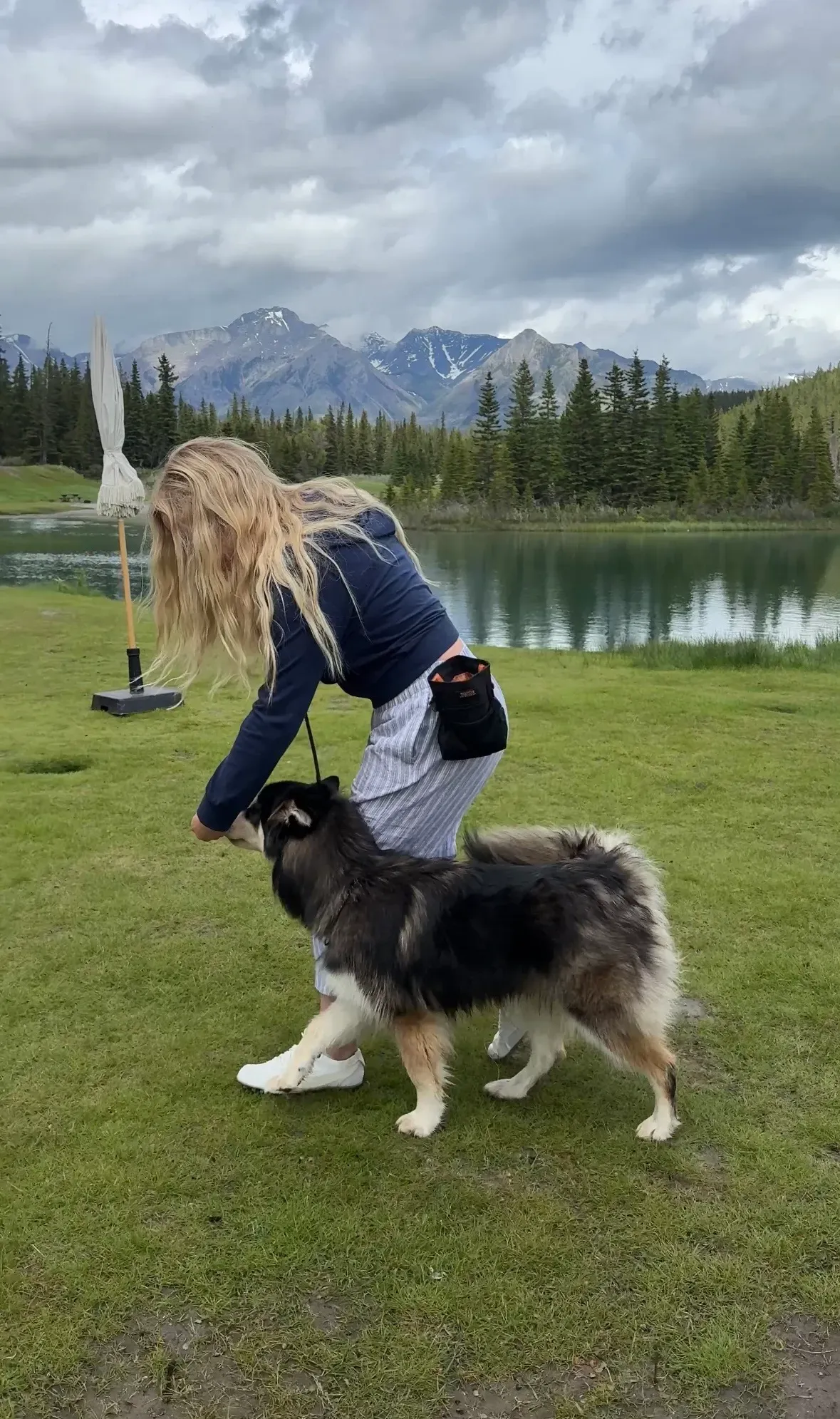
An aim, not a course
The assessment decides what building confidence means for one dog.
Behaviour Rehab is a 5 to 6 week board and train, $4,850 to $5,760 plus GST, customized to the dog after a full assessment. Confidence building is one item in what it works on, beside anxiety rehabilitation, fear-based behaviour work and structured socialization, not a standalone module. For a dog who hides, freezes or startles, the assessment is where that aim takes shape around the individual dog. The consultation comes first; it recommends the program, and a smaller program is recommended when it is enough.
Two parts of the program carry that aim. Structured socialization means exposure to people, dogs and places arranged with intent rather than left to chance. In-depth owner education is there so you learn the why, not just the what, because the handling you take home is where a worried dog's confidence is protected or spent. Two free follow-up sessions are included, everything is one-on-one, and there are no group classes to face.
- Aim shaped at the assessment
- Structured socialization with intent
- Owner education on the why
- Two free follow-up sessions
Support at home
Distance first, then let the dog choose.
At home, the safest support for a low-confidence dog starts with space. Distance from the thing that worries it comes first, and a retreat route, a bed or a quiet room the dog can reach on its own, comes second. Approaches are voluntary: the dog moves toward the vacuum, the visitor or the grate when it decides to, and it is never lured with food or a bright voice toward something it is trying to avoid. Calm, unhurried handling is the tone throughout.
One illustration, not a protocol: a dog who freezes at a grate is walked wide of it, far enough that it can still eat and look around, and any step it chooses toward the grate is rewarded, with no pressure to go further. How that applies to a given dog is an assessment question. Strangers are asked not to lean over or reach for the dog. A sudden change in a dog who used to be fine is a vet conversation first.
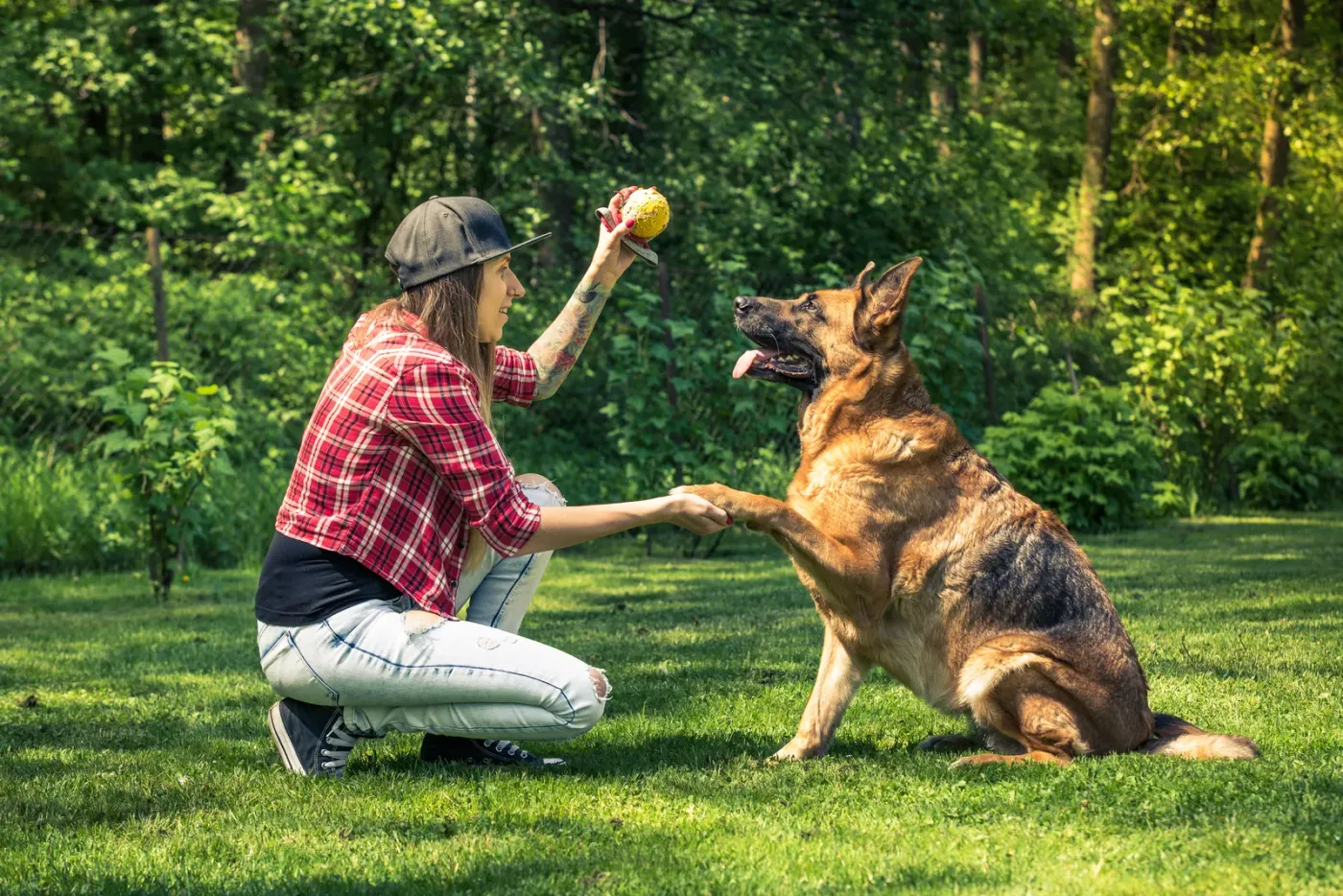
The programs
Programs and prices
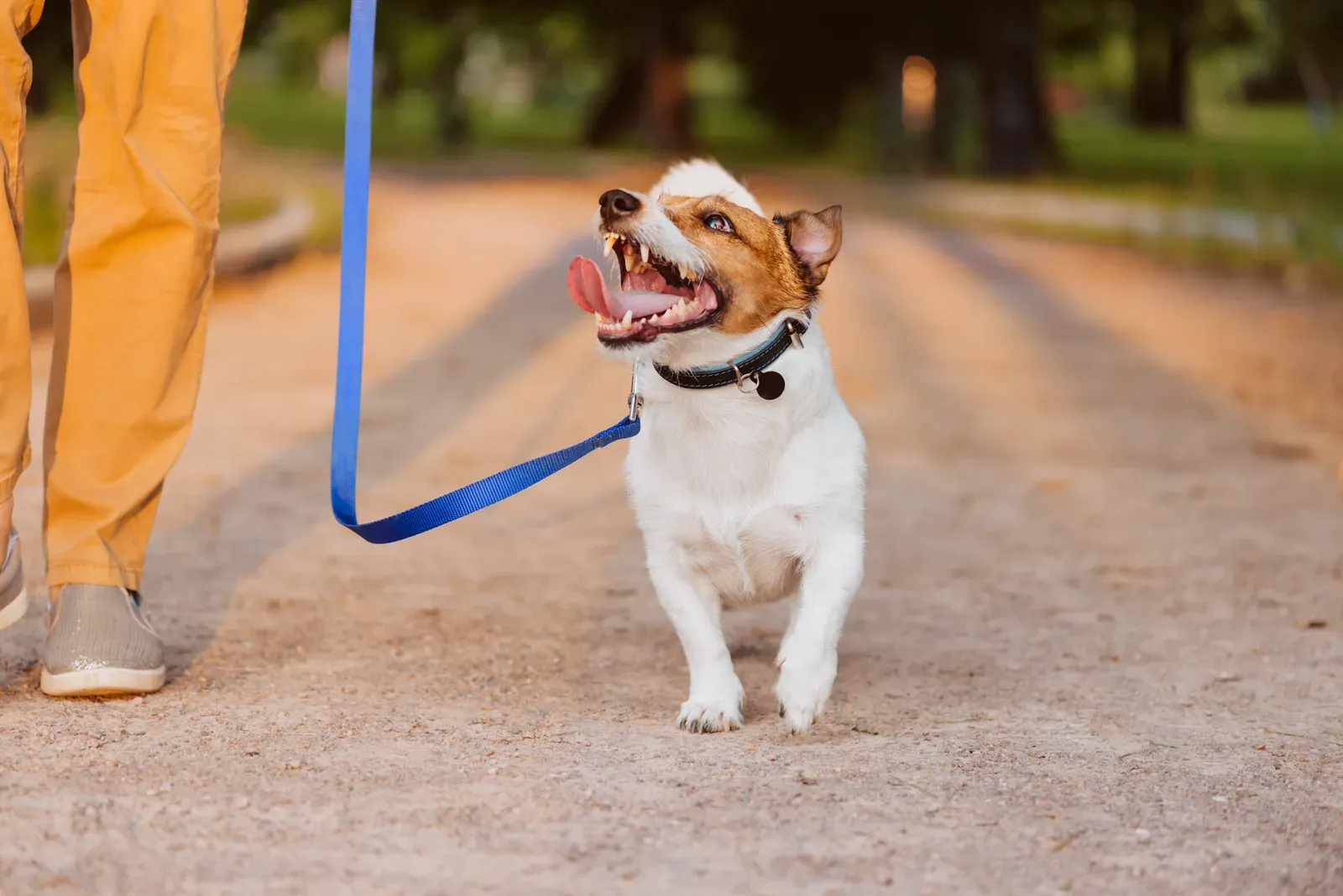
W · One-hour session
Private Training
One-on-one coaching with you on the other end of the leash.
Includes a written weekly plan to work from
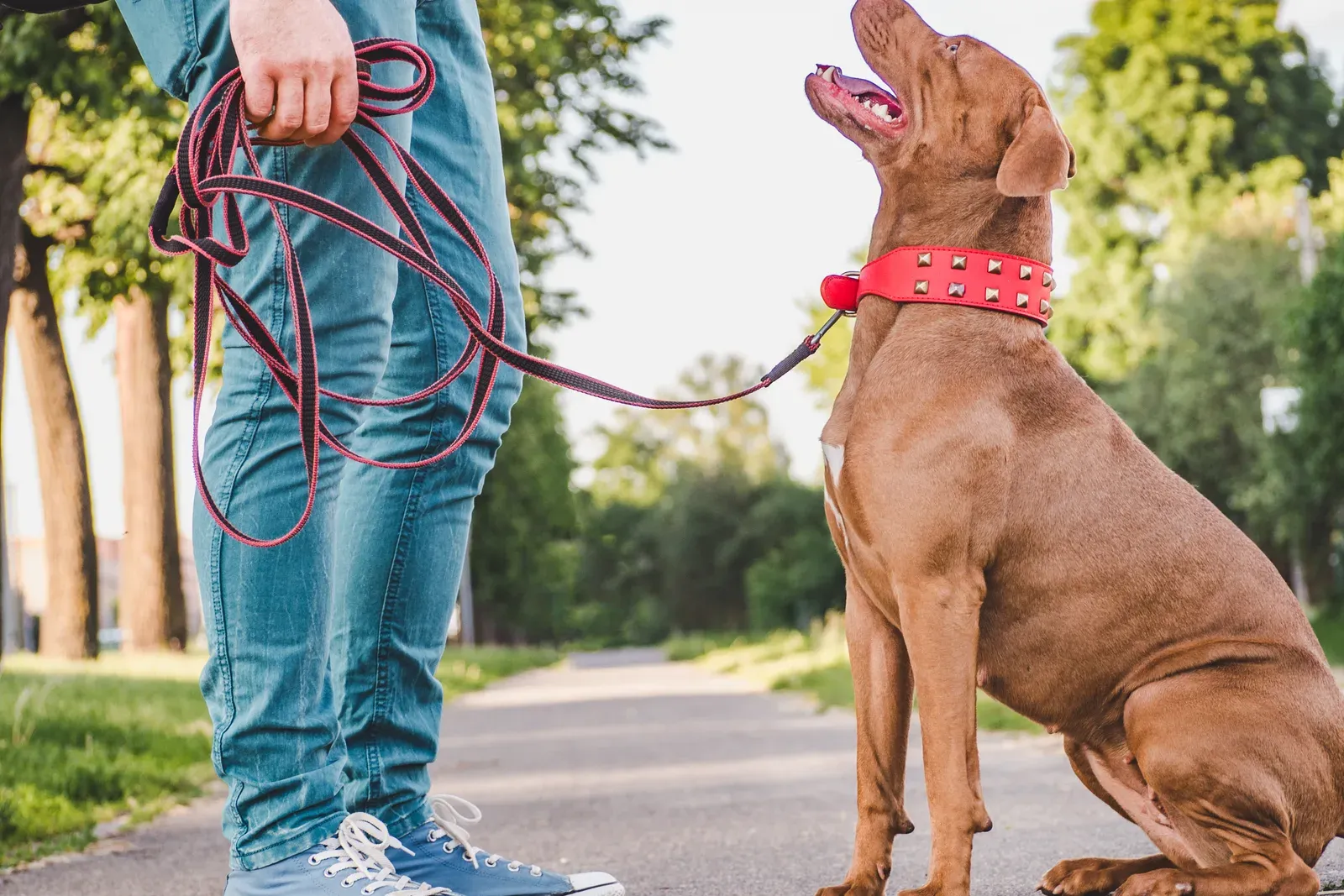
S · 5–6 week board & train
Behaviour Rehab
Kaitlin's specialty, and the work she loves most.
Includes assessment-built plan, 2 follow-ups, deep owner education
Asked and answered
The questions people ask us.
What is a confidence building dog training program?
At Northline K9 it is Behaviour Rehab, a 5 to 6 week board and train in which confidence building is one of the listed aims, beside anxiety rehabilitation, fear-based behaviour work and structured socialization. It is customized to the dog after a full assessment and priced at $4,850 to $5,760 plus GST.
Is board and train too much for a shy dog?
It can be, which is what the consultation and the full assessment are for. Everything is one-on-one with no group classes, and a smaller program is recommended when it is enough; Private Training, for instance, is $150 plus GST per one-hour session with a written weekly plan.
How do I build confidence in a fearful dog at home?
Start with distance and a retreat route, and let every approach be the dog's choice. Nothing is lured or pushed toward the thing it avoids, strangers are asked not to lean over or reach, and handling stays calm and unhurried. If the fear is new or sudden, talk to your vet before anything else.
Does a vet visit come before confidence training?
If the fear arrived suddenly or changed quickly, yes: a sudden change is worth ruling out with your vet before any training plan. If the dog has always been this way, the consultation is a reasonable first step, and we will flag anything that looks like it needs a vet's eyes.
Keep reading
Quiet dogs deserve help too.
Describe where your dog freezes, hides or startles and how it recovers. Book a consultation and we will be honest about fit.
From real owners
Rated 5.0 on Google.
Real Northline dogs