
Glossary
What is a high-value reward in dog training?
A high-value reward is whatever an individual dog will work hardest for in that moment, and the dog gets the final vote. Value is not what the treat cost. It is what the dog does when it appears, and that can change between the kitchen and the sidewalk. This page explains how we work out what a dog values, why the setting matters, and how we thin rewards without dropping them altogether.
Last reviewed September 29, 2026
The preference test
Value is decided by the dog, not the price tag.
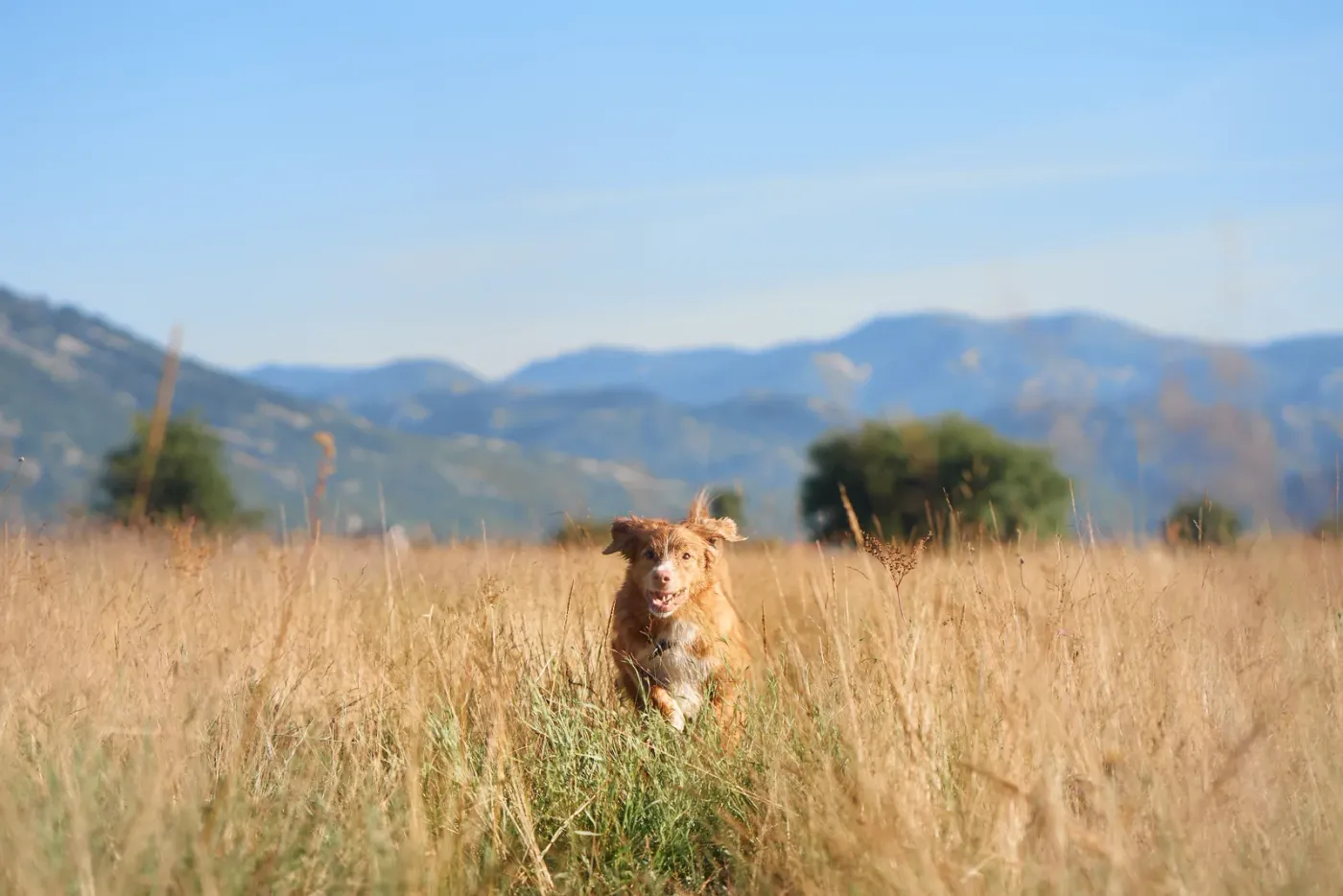
A reward is high-value when the dog chooses it over whatever else is on offer, so we let the dog tell us. Indoors, with nothing else going on, we offer two safe options side by side, kibble and a sliver of cheese, then cheese against a tug toy, and watch which one the dog goes for first. We repeat the test on different days because a dog's picks can shift with the setting, the time of day and whatever else is happening nearby.
We match the reward to the ask, and the ask to the dog. A sit at home might earn kibble; the same sit on a busy path earns whatever won the test. When a dog will not take food, or spits it out, we do not reach for something richer. We add distance from the distraction or shorten the exercise until the dog can manage. Portions stay small, and for a dog with dietary restrictions we suggest asking the vet what is safe.
- We let the dog choose
- We retest on different days
- We ease the task before richer food
- We keep portions small and safe
Beyond the treat pouch
The walk itself can be the paycheque.
Food is the easiest reward to carry, but it is not the only one. A tug toy, a thrown ball, a released sniff or moving forward on the walk all count if the dog wants them right then. We look for what the dog is already trying to get and put it behind the behaviour: a dog pulling toward the park gate can learn that a loose leash is what opens the gate. We still carry food, since the environment rarely pays on cue.
Thinning rewards is the delicate part. A marker word promises a reward, so whenever we mark, we pay. Praise is different: warm, welcome any time, but not the promise. As a behaviour becomes reliable in one place, we gradually ask for a bit more before the mark and pay arrive together, and pay more often when the setting gets harder. How much reinforcement a behaviour needs depends on the behaviour, the context and the dog; a Calgary off-leash park is not a quiet kitchen.
Asked and answered
The questions people ask us.
What is a high value reward in dog training?
It is a reward the dog rates above the distraction in front of it at that moment. The same piece of cheese can be high-value on a quiet street and ignored beside a barking dog. We measure value by the dog's choices and effort, not by the label on the bag.
What are the best high value treats for dog training?
Whatever the individual dog picks first when we offer two options side by side. Soft foods such as cheese, boiled chicken or freeze-dried liver often rank well, but the dog decides. We keep pieces small and suited to the dog, and suggest asking the vet before introducing new foods to a dog with dietary restrictions.
What are the best treats for training?
The ones the dog will eat quickly and come back for in the setting we are training in. We tend to use a plainer food for easy repetitions at home and the dog's tested favourite for new or harder skills. Every dog ranks them differently, so we test rather than assume.
Why won't my dog take treats outside?
Often the setting is too much for the dog to eat in, whether through excitement or worry, and richer food does not fix that on its own. We move further from whatever is holding the dog's attention, shorten the session and try again. A dog that regularly refuses all food outside is worth a professional assessment.
Keep reading
Rewards your dog will work for
Every program starts with markers and rewards matched to the individual dog, then proofs them around real distractions. Book a consultation.
From real owners
Rated 5.0 on Google.
Real Northline dogs