
The method
How to teach a dog basic obedience commands
Five commands run a household: sit, down, stay, come and place. Everything else is a variation. Taught well, they replace most of the nagging that passes for dog ownership. Taught badly, they become background noise the dog tunes out. This guide walks through the marker-and-food method for each, the three-minute session that keeps a dog keen, the proofing ladder, and the two habits that quietly kill a cue.
Last reviewed August 26, 2026

Five household cues
One marker, one cue, three minutes.
Pick a short marker word like yes and charge it: say it, feed, and repeat until the dog's ears flick at the word. Lure sit by raising food over the nose until the rear drops; mark the moment it lands, then pay. Down comes from a sit, food drawn straight to the floor and slightly toward you. Place is a raised bed: lure all four feet on, mark, pay, and release with a word so the dog learns place ends when you say it.
Stay is not a new position; it is duration on a position you already have. Feed the dog in the sit several times before you step away, and come back to pay before it breaks. Come starts as a game: say the name, run backward, mark when the dog commits, pay at your feet, and release. Work each cue for about three minutes, then stop while the dog still wants more. Several short sessions a day beat one long one.
- Charge the marker word first
- Lure, mark, pay, release
- Three minutes per cue
- Add the word after the behaviour
Climbing the ladder
Climb the proofing ladder slowly.
A cue that works in the kitchen is a kitchen cue. The proofing ladder adds one variable at a time: a new room, then the yard, then the front step with the door open, then the sidewalk, then a park with dogs in the distance. Each rung, go back to paying generously and expect the dog to look like a beginner for a session. If the dog fails twice in a row, you climbed too fast. Drop a rung and win there first.
Two habits make cues meaningless. Repeating turns sit into sit-sit-SIT, and the dog learns the real cue is the third one. Say it once, wait, then help with the lure. Bribing is the other: showing the food before the cue teaches the dog to check your hand first and decide. Keep food in a pocket, cue, then pay from behind your back. When a cue stalls on every rung, one private session ($150) with a written weekly plan usually finds the mechanical error.

The programs
When teaching it yourself stalls.
The guide above is the real method. These are the faster routes.
W · One-hour session
Private Training
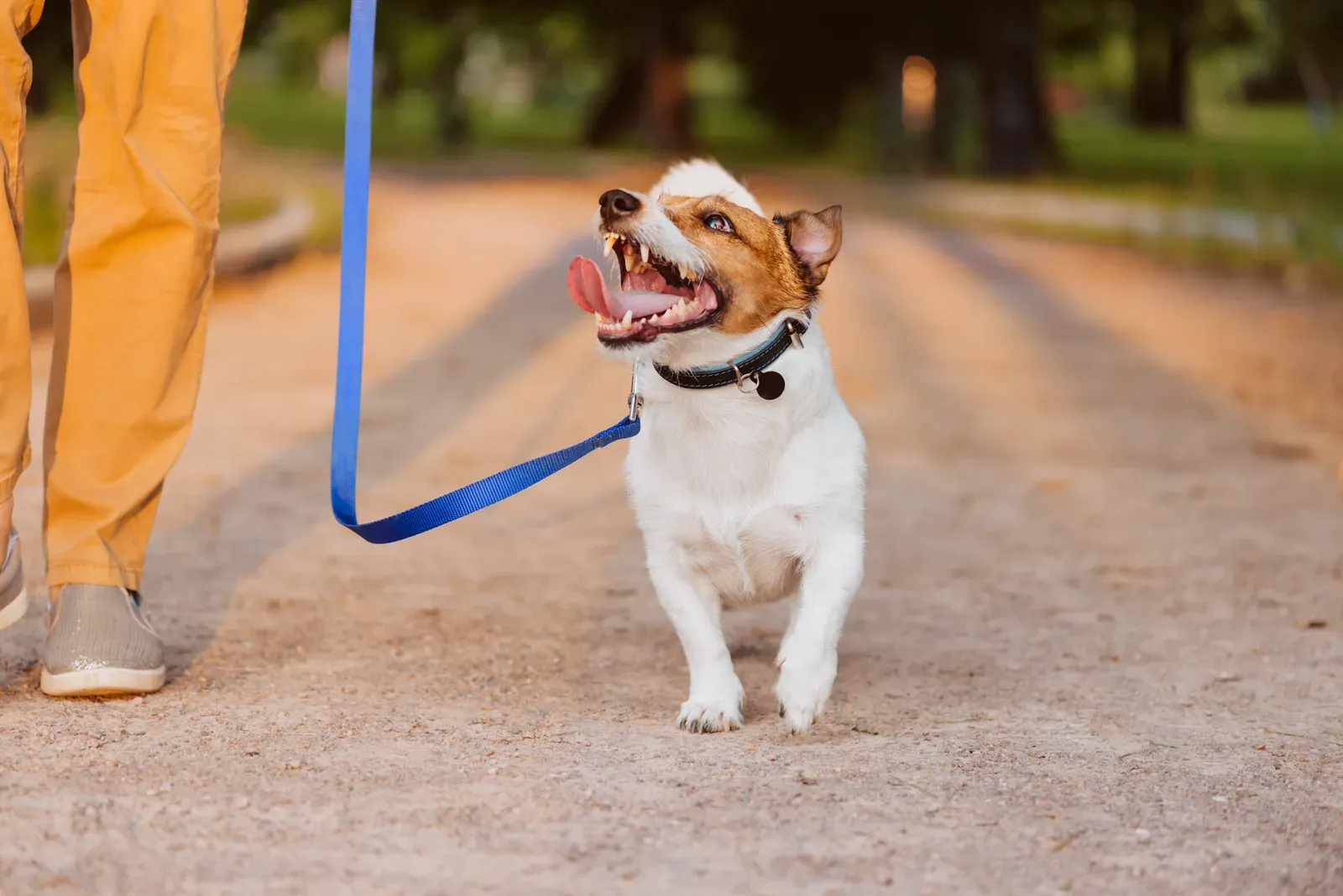
One-on-one coaching with you on the other end of the leash.
Includes a written weekly plan to work from
NE · 2-week board & train
On-Leash Foundations
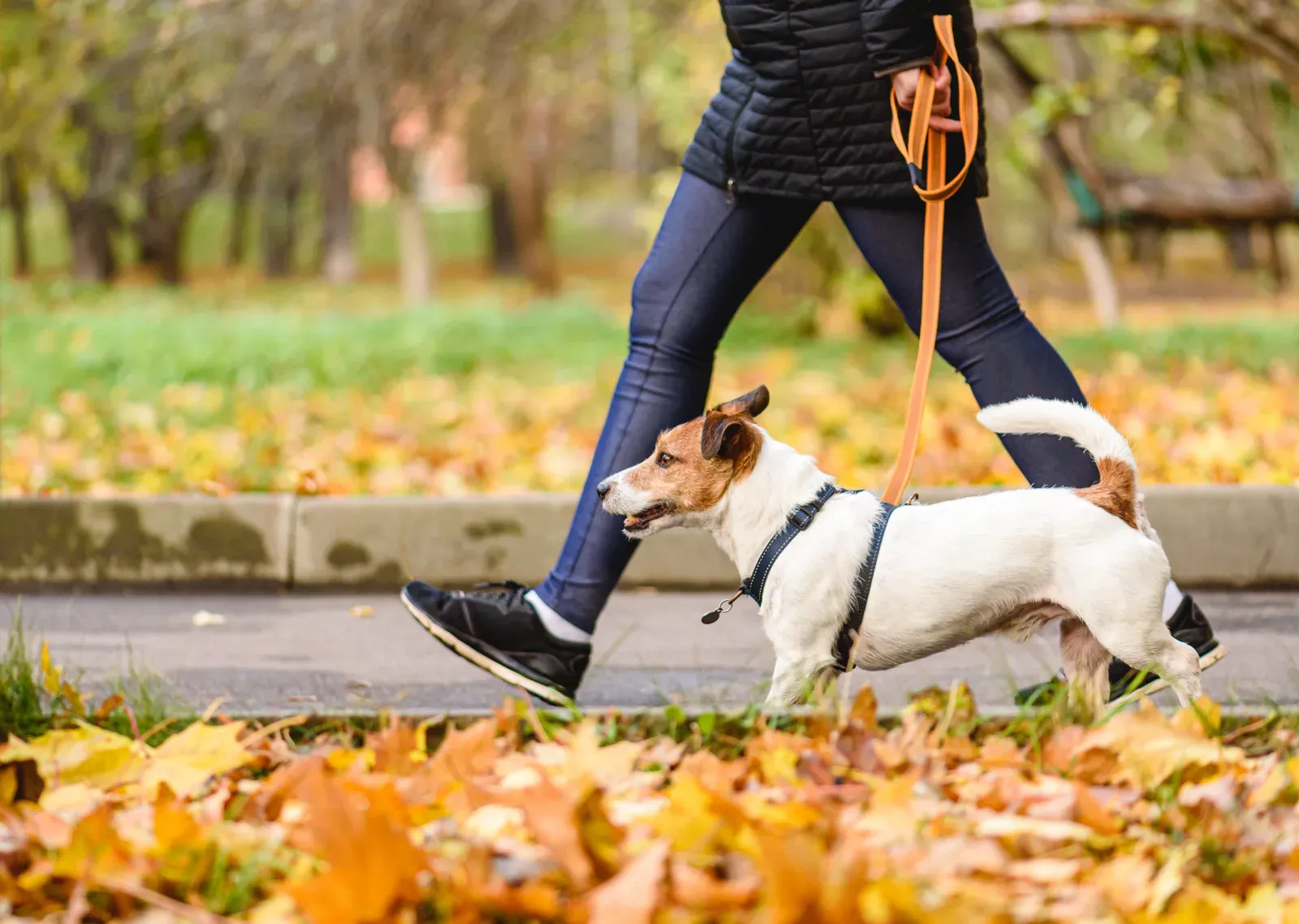
If every walk is a wrestling match, pulling, barking, zig-zagging, this two-week program rebuilds the walk from the ground up with foundational on-leash obedience..
Includes handover lesson, follow-up session, lifetime support, slip lead + collar
Asked and answered
The questions people ask us.
How do you teach a dog basic commands?
Start with a marker word charged with food, then lure one position at a time and mark the instant the dog gets there. Add the spoken cue only once the dog offers the behaviour reliably. Keep each session around three minutes and stop while the dog is still keen.
How do you teach a dog to sit?
Hold a treat at the dog's nose and lift it slowly up and back so the head tips and the rear folds down. Mark the moment the rear touches the floor, then pay. After a dozen clean reps, say sit just before you lift your hand.
How do you teach a dog the down command?
Start from a sit and draw the treat straight down to the floor, then slide it slowly toward you along the ground. Mark when the elbows land, and pay on the floor between the paws so the dog stays down. Add the word after the movement is smooth.
How do you teach a dog the stay command?
Treat stay as duration on a position you already have rather than a new trick. Feed the dog in the sit several times, step one pace back, return and pay before it breaks, then build distance one step at a time. Always release with a word so the dog knows when stay ends.
Keep reading
Cues that hold outside the kitchen.
Stuck on a rung, or the dog only listens when food is visible? Book a consultation and we will find the gap.
From real owners
Rated 5.0 on Google.
Real Northline dogs