
The method
How to start training a dog
The first week decides more than most owners realize, because a dog is learning either way: from your plan or from the gaps in it. The good news is the plan is small. One marker, three cues, sessions shorter than a kettle boil, and enough management that bad habits never get a rehearsal. Here is how to run it, in any season Calgary offers.
Last reviewed August 26, 2026
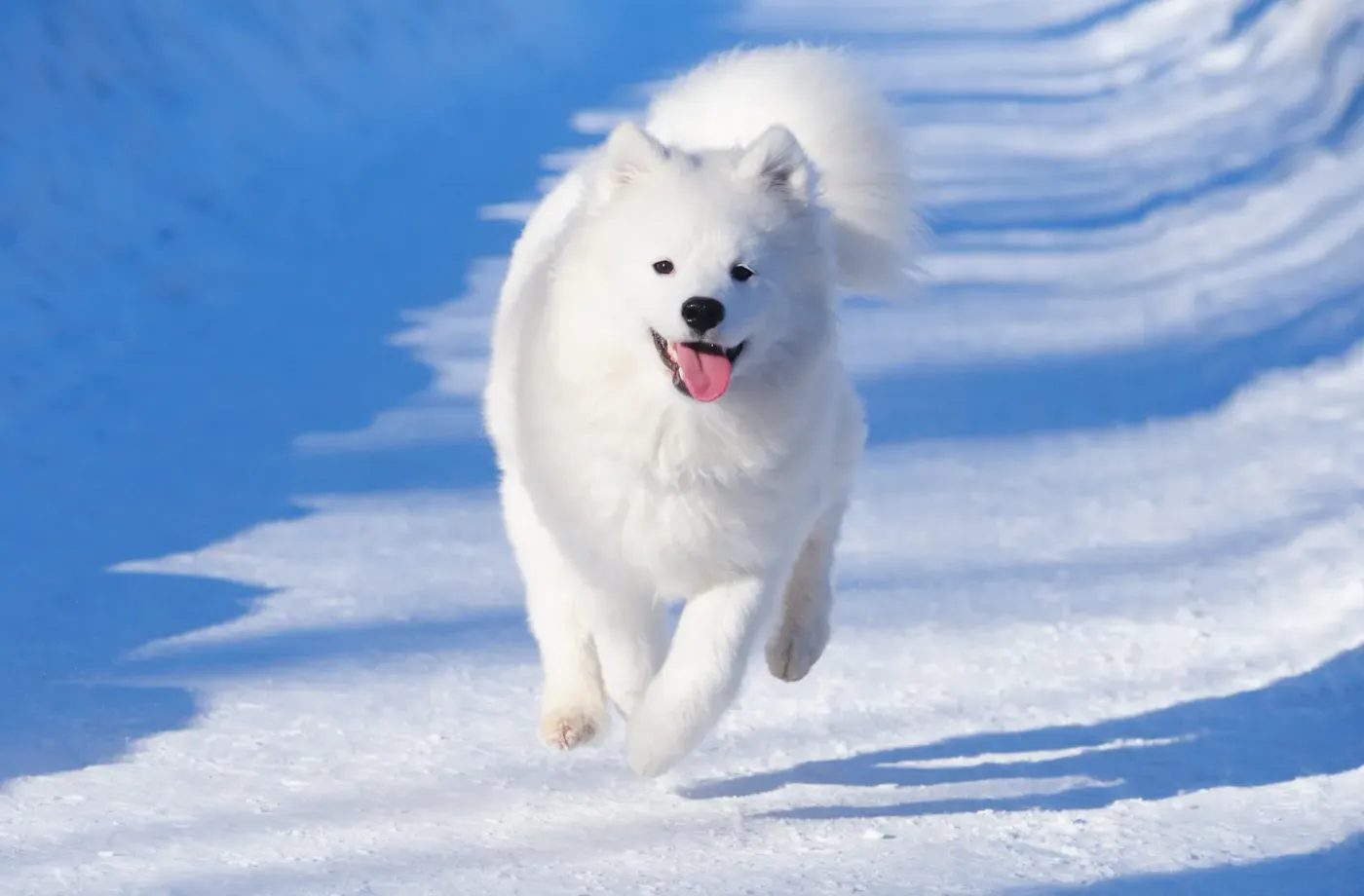
Week one plan
One marker, three cues, five minutes.
Day one is not about commands. Say your marker word, then feed, ten times in a row, until the dog's head whips around at the sound. That word is now a camera shutter: it freezes the exact moment your dog earned the reward. From there, teach the name (mark the head turn), sit (lure, mark the moment the rear lands) and come (start two steps away, pay generously).
Keep every session near five minutes and end while the dog still wants more. Between sessions, management does the quiet work: a leash in the house if needed, a crate for rest, doors closed to rooms the dog cannot handle yet. Every mistake a dog rehearses becomes practice for the wrong skill, so the first week is as much about preventing bad reps as building good ones.
- Charge a marker word first
- Name, sit, come
- Five-minute sessions, then stop
- Manage so mistakes never repeat
Calgary starter kit
Training through a Calgary calendar.
Season shapes the setting, not the plan. In winter, run your five-minute sessions indoors: hallways are fine for recall, and a kitchen has enough distraction to proof a sit. Short outdoor reps still count on milder days; cold paws end sessions early anyway. In summer, the city's shared pathways become your classroom for loose-leash work, with bikes and joggers as free distractions, so keep the leash short and reward your dog for choosing you over traffic.
If week one goes sideways, or you want the plan set properly from the start, one private session does it. Private Training is $150 for an hour and ends with a written weekly plan, so the homework is on paper instead of in your memory. Owners who want the foundations installed for them can look at On-Leash Foundations, a 2-week board and train at $1,865, but for most new starts, the hour and the plan come first.
The programs
When teaching it yourself stalls.
The guide above is the real method. These are the faster routes.
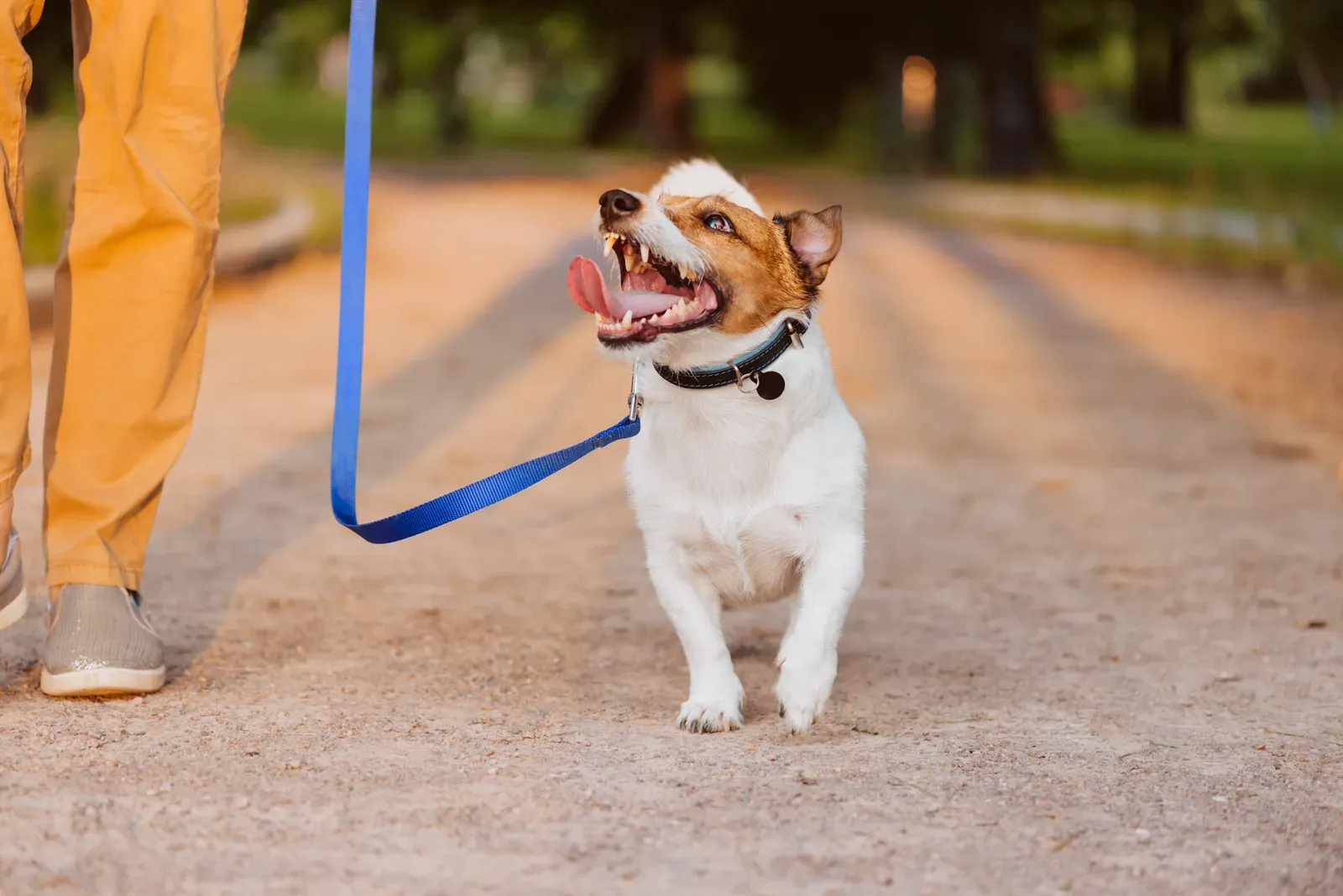
W · One-hour session
Private Training
One-on-one coaching with you on the other end of the leash.
Includes a written weekly plan to work from
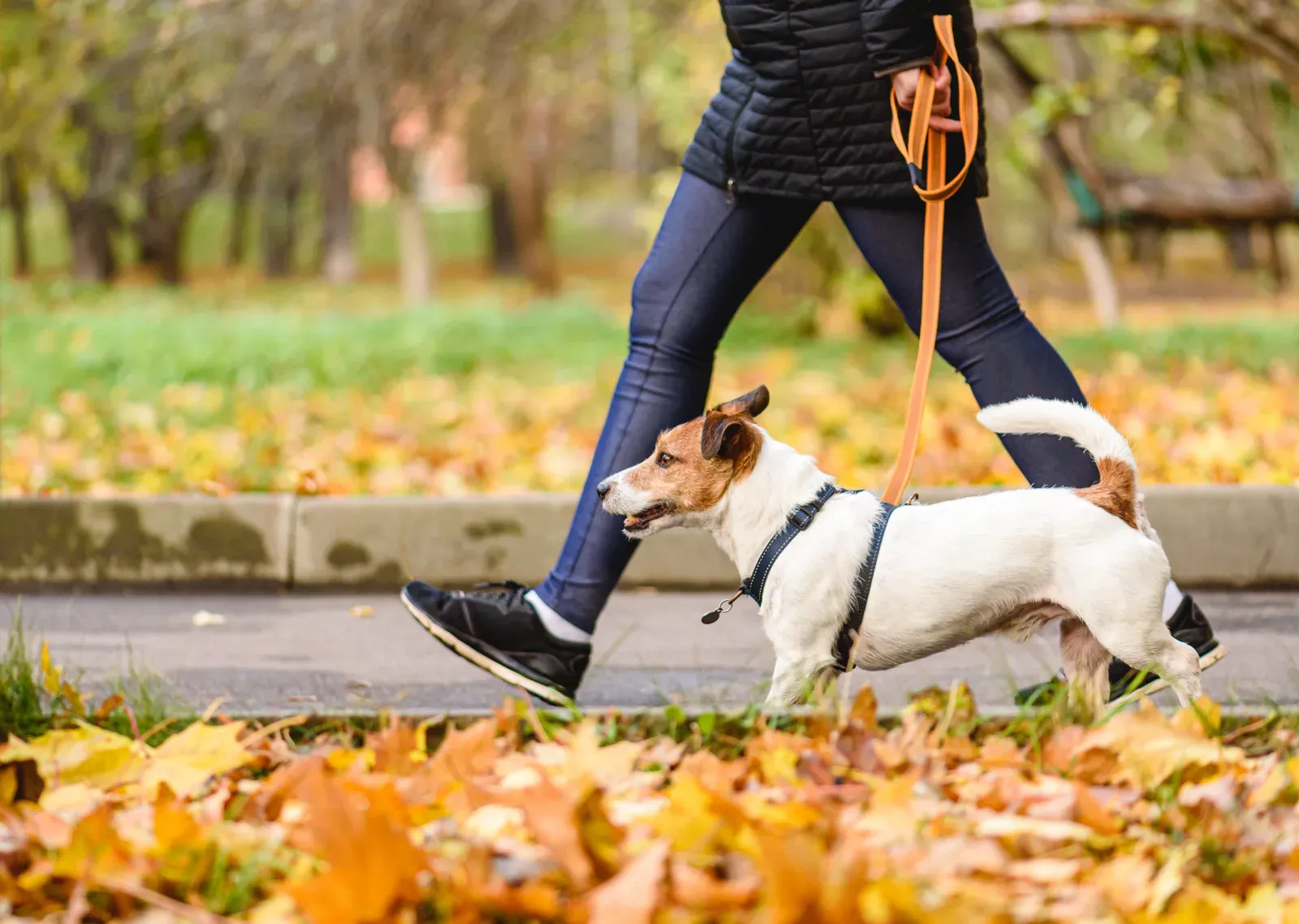
NE · 2-week board & train
On-Leash Foundations
If every walk is a wrestling match, pulling, barking, zig-zagging, this two-week program rebuilds the walk from the ground up with foundational on-leash obedience..
Includes handover lesson, follow-up session, lifetime support, slip lead + collar
Asked and answered
The questions people ask us.
How do you actually train a dog?
Pair a marker word with food until it means something, then use it to catch the exact moment your dog does the right thing. Teach name, sit and come first, in five-minute sessions. Manage the house so mistakes cannot be practised between sessions.
How do I train my dog at home?
Home is the right place to start: low distraction, short sessions, rewards your dog actually wants. Work in hallways and the kitchen before you ask for anything outside. When home is solid, take the same cues to the street and pay more for the harder setting.
Can I learn to train my dog from YouTube videos?
Videos can show you mechanics, and good ones are worth watching. What they cannot do is watch you back: your timing, your leash handling, your dog's stress signals. One private session that ends with a written plan for the week fixes the feedback gap.
How do I train a dog step by step?
Charge a marker, teach name, then sit, then come, then add distance and distraction one at a time. Five minutes per session, several sessions a day. When each cue works in three different rooms, take it outdoors and start again at step one.
Keep reading
Start week one properly
One hour, one written plan, then you run week one yourself. Book a consultation to set it up.
From real owners
Rated 5.0 on Google.
Real Northline dogs