
Board & train
Does board and train help with vet and groomer aggression?
Board and train can help with vet and groomer aggression: after a full assessment, Behaviour Rehab can work on handling tolerance and muzzle comfort away from the clinic. A dog that is fine at home and a different animal on the exam table has often learned that hands plus restraint plus a stranger mean trouble. Training cannot attend the appointment for you, and nothing here replaces a vet ruling out pain first.
Last reviewed October 4, 2026
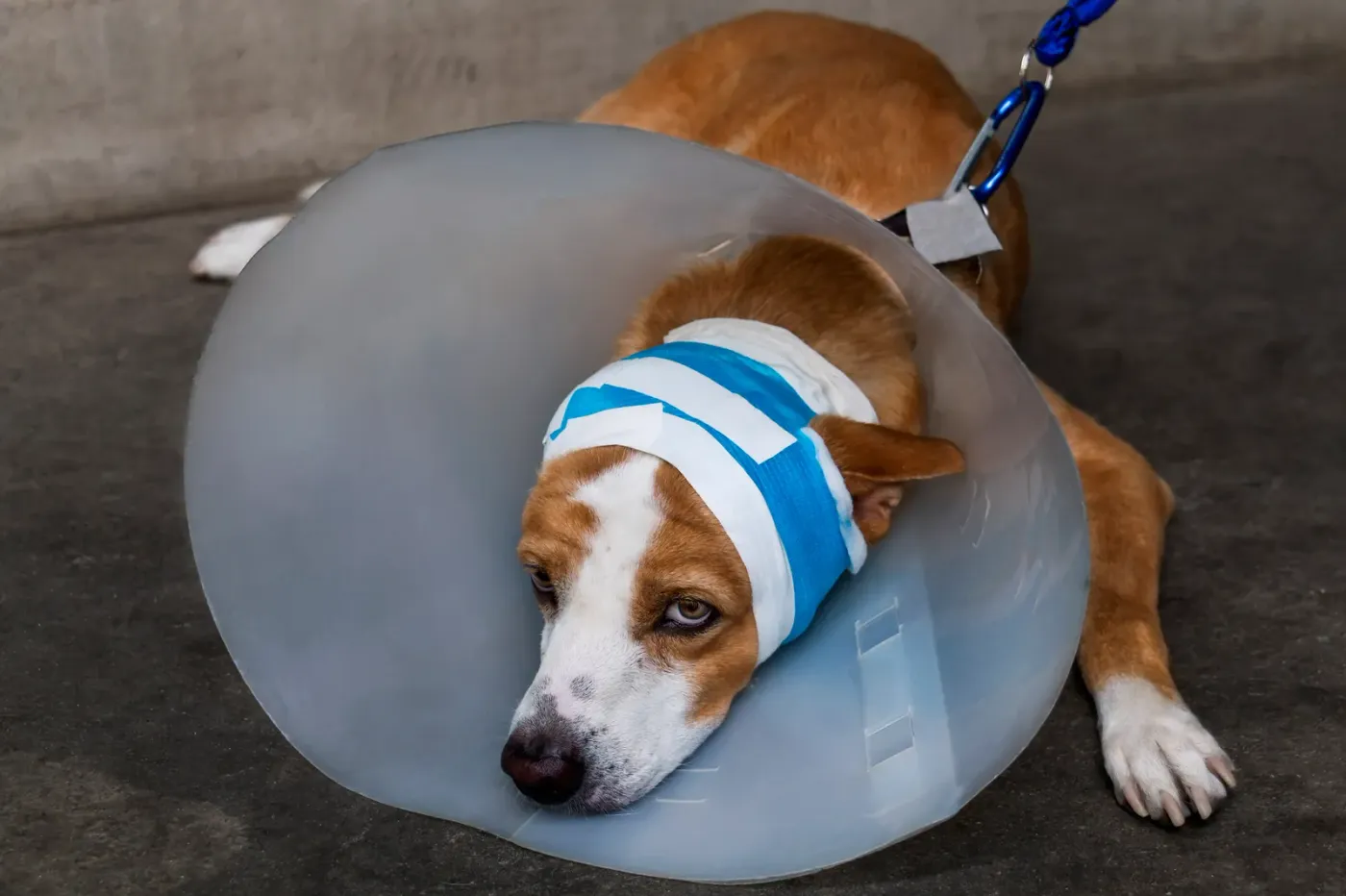
Handling in steps
Tolerance for hands is built far from the exam table.
Handling tolerance is not a line item in any published curriculum, so here is where it lives. Behaviour Rehab lists a full behaviour assessment, fear-based behaviour work and confidence building, and it is the program built for aggression, including dogs with bite histories once assessed. Inside that, the work for a vet-or-groomer dog is cooperative care: the dog learns a position it can hold, such as a chin rest, and handling only proceeds while it stays there.
What a live-in program can change is the dog's prediction about being handled, because for weeks every touch is set up to end well and stop before the dog needs to object. A muzzle, fitted by a professional and introduced gradually, gets conditioned the same way. What it cannot change is the clinic: the smell, the table, the stranger who has to get the job done. Tell your vet or groomer what the dog can tolerate, and ask them to work inside it.
- Pain ruled out by a vet
- Muzzle fitted and conditioned gradually
- Handling stops before objection
- Assessment first, bite history included
What you practise
Your hands do the maintenance between appointments.
Handover shows you the handling the dog accepts: which body parts, for how long, and the signal the dog gives when it has had enough. Then you do a little daily at home, ending while the dog is fine, and you never hold the dog still while it is grabbing or pushing away. Behaviour Rehab includes two free follow-up sessions, and the owner education makes the why plain: a dog that can opt out has less reason to bite its way out.
See your vet about pain before anything else, because pain can look like a handling problem and that is a vet's call. Then bring specifics to the consultation: nail trim versus ear check, whether the dog already has a muzzle, and what the clinic has reported. Ask how the assessment tests handling safely. A dog who objects only to clippers might be recommended Private Training instead of a live-in stay; when the smaller option covers the problem, it is the one we suggest.
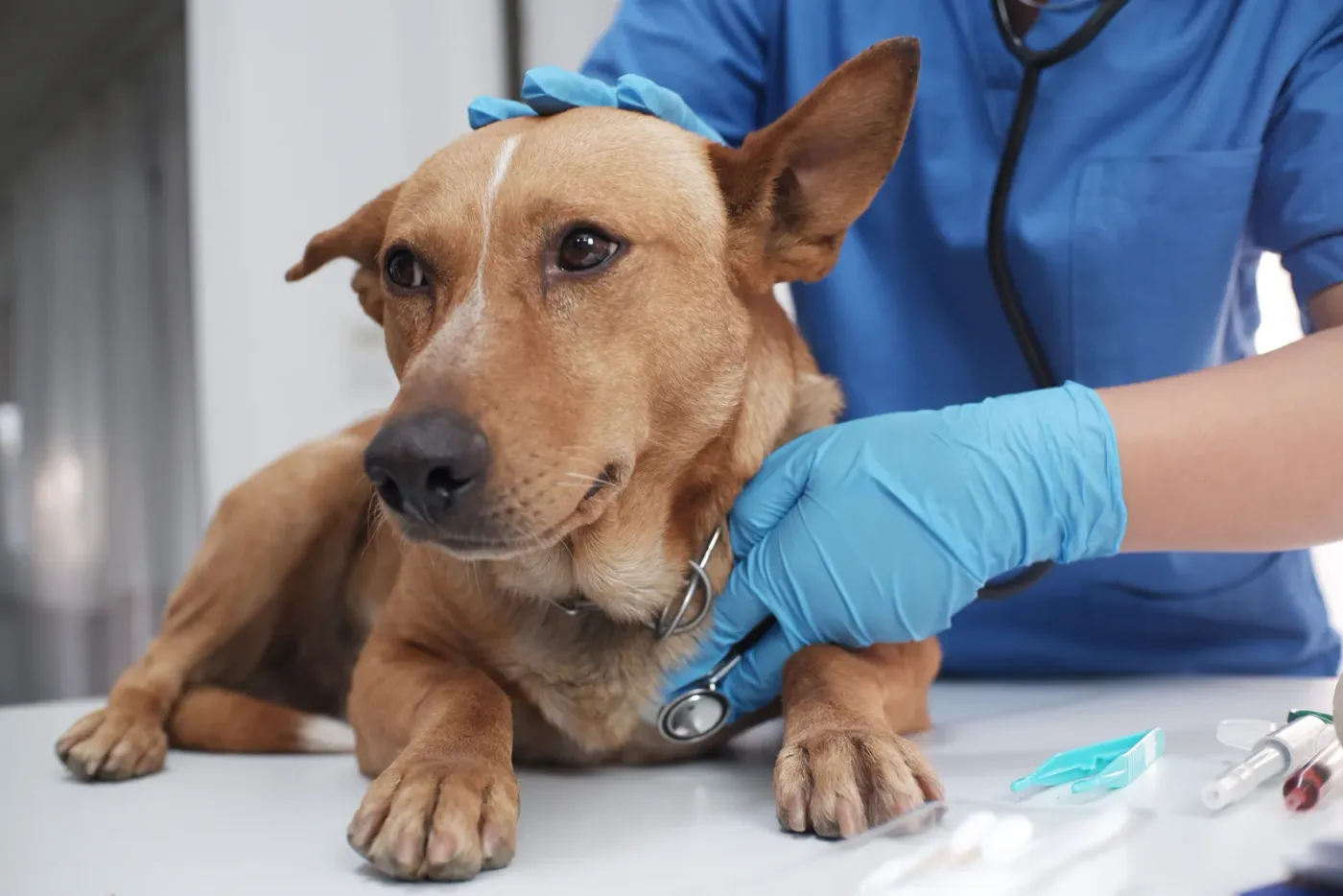
Asked and answered
The questions people ask us.
Does board and train fix vet and groomer aggression?
It can build the handling tolerance and muzzle comfort the appointment depends on, in steps and away from the clinic. It cannot sit in the exam room for you, so the daily handling you practise afterward is what keeps it honest. For the step-by-step, see our vet and groomer aggression guide.
Which vet and groomer aggression training program is the one to ask about?
Behaviour Rehab is the program built for aggression, customized after a full assessment, and dogs with bite histories are accepted once assessed. Private Training at $150 plus GST per one-hour session is built for owners coached through handling at home. The consultation sorts out which applies.
Does a dog need a muzzle during board and train for vet aggression?
If the assessment says handling is risky, yes, and that is a good thing rather than a verdict. A muzzle fitted by a professional and introduced gradually lets the handling work proceed safely, and it is conditioned so the dog treats it as ordinary. A muzzle-comfortable dog also gives the clinic an option it did not have before.
Should a dog see the vet before booking training for vet and groomer aggression?
Yes. Pain and a handling problem can look the same from the outside, and only a vet can rule pain out. Tell the clinic what you are planning, because their notes on what sets the dog off help the assessment.
Keep reading
Hands first, clinic later.
Start with what your dog does at the nail trim and what the clinic has said. Book a consultation.
From real owners
Rated 5.0 on Google.
Real Northline dogs