
Board & train
Does board and train help with sleep startle?
Sleep startle is the dog who snaps when a hand or a foot lands on it mid-nap, then looks as surprised as you are. It is a safety problem before it is a training problem, and the people most at risk are those who move through the house without looking: children, guests, anyone stepping over a dog on the floor. A program can add pieces, but the first fix is where the dog sleeps.
Last reviewed October 4, 2026
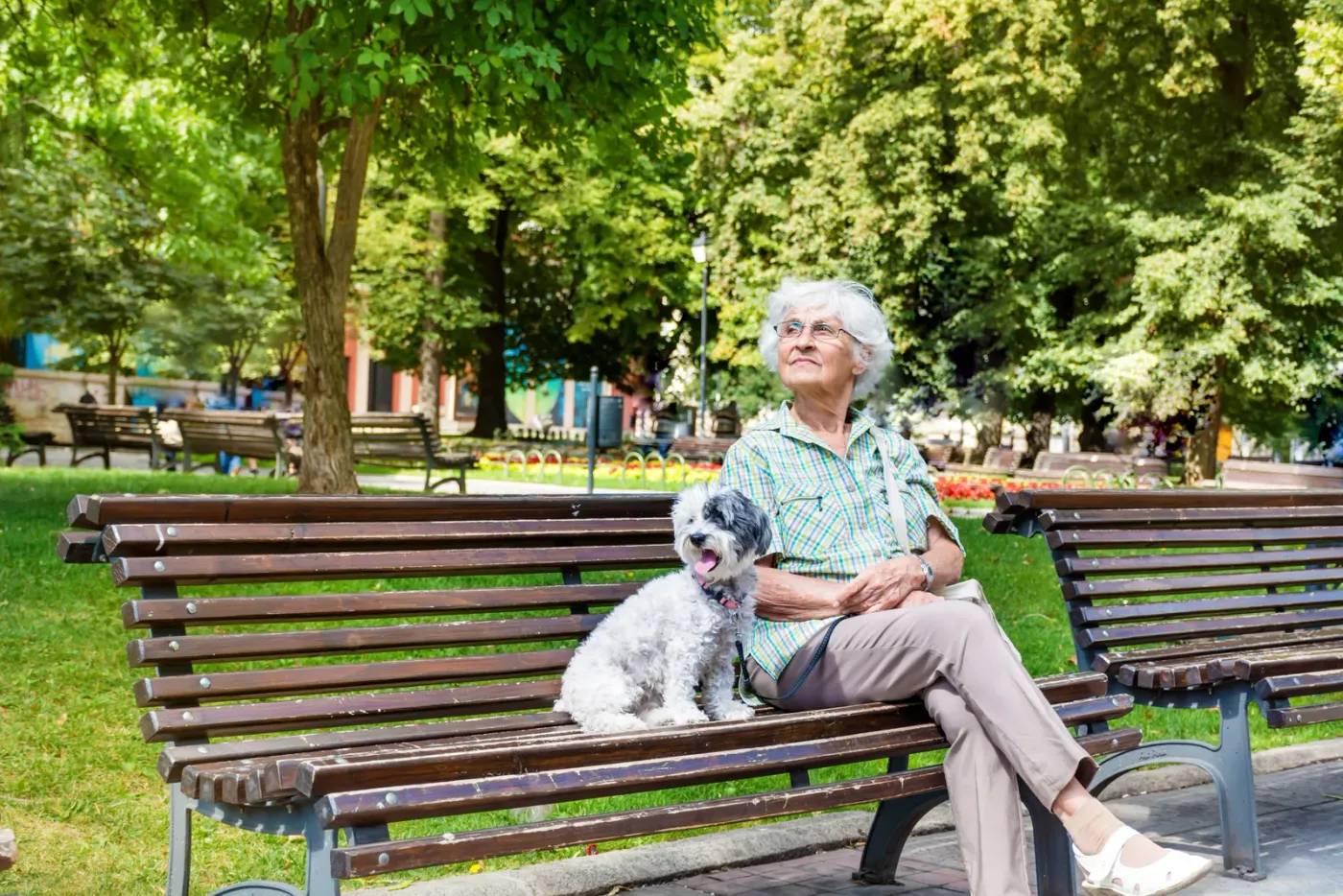
Management first
The bed does the heavy lifting; the curriculum adds a name and a crate.
No published program lists sleep startle, because the problem happens while the dog is asleep. What the curricula offer are the pieces around it. Puppy Fundamentals works on name recognition and crate comfort, the two skills a wake-up routine leans on: a name the dog answers before any hand arrives, and a crate it chooses to sleep in. Behaviour Rehab, five to six weeks at $4,850 to $5,760 plus GST, opens with a full behaviour assessment and takes dogs with bite histories after it.
What a live-in program can change is what surrounds the nap: a crate the dog settles into on cue, a name that lifts its head, a routine the dog can predict. What it cannot change is the reflex. A dog startled awake by a touch reacts before it knows who is there, and obedience does not reach a sleeping brain. So the bed moves first, children never wake the dog, and if the startling is new or worsening, a vet comes before training.
- Bed away from foot traffic
- Name first, hand second
- Children never wake the dog
- Clinic visit before training if new
Home routine
You own the floor plan, the wake-up routine and the honest history.
At the handover you take home the crate cue the dog has been practising, the name response and the release cue, and you decide where the bed goes: a quiet corner, not the hallway, not the couch, and not your bed if anyone in it kicks. The welcome package includes a crate-training guide. The wake-up routine is yours to enforce with everyone who enters the house: name from a few steps away, wait for the head to lift, then approach from the front.
The consultation needs the whole story: whether the dog has made contact, who it has snapped at, where it was sleeping each time, and whether the startling is recent. Ask what the assessment looks for, how a dog that has bitten is handled, and what the follow-ups cover. Private Training, $150 plus GST per hour, builds a written plan around your floor plan. The program suggested is the one the dog needs, and a lighter one when that covers it.
Asked and answered
The questions people ask us.
Does board and train fix sleep startle?
Not on its own, because the startle happens while the dog is asleep and training reaches an awake dog. A program builds the surrounding habits, a crate the dog settles in and a name it answers, and an assessment reads how serious the snapping is. The bed and the wake-up routine at home do most of the work.
Is there a sleep startle training program?
Not as a named curriculum. Behaviour Rehab is built for anxiety, fear and aggression and accepts dogs with bite histories after a full assessment; Private Training coaches you through a written plan for your home. The consultation recommends what fits.
Should a dog with sleep startle sleep in the bedroom?
Only in a bed or crate of its own, somewhere nobody rolls, steps or reaches in the dark. The step-by-step setup is in our how-to guide on sleep startle. If there are children in the house, the dog's sleeping spot is off limits to them, full stop.
Should a vet see the dog before any sleep startle training?
If the startling is new, has become harsher, or the dog is older, yes, and before training begins. Changes in hearing, sight or comfort are questions for a clinic, not for a training plan. Once the vet has weighed in, the assessment can do its part.
Keep reading
Start with the bed.
Book a consultation and tell us where the dog sleeps now, who it has snapped at, and whether it has ever made contact.
From real owners
Rated 5.0 on Google.
Real Northline dogs