
Board & train
Does board and train help with leash biting?
Leash biting often shows up in the first minute: the clip goes on, the door opens, and the dog grabs the only tug toy within reach. It is an arousal problem wearing an obedience costume. A live-in program has a lot to say about the arousal half. The handling half comes home with you, which is why the honest answer has two parts.
Last reviewed October 4, 2026
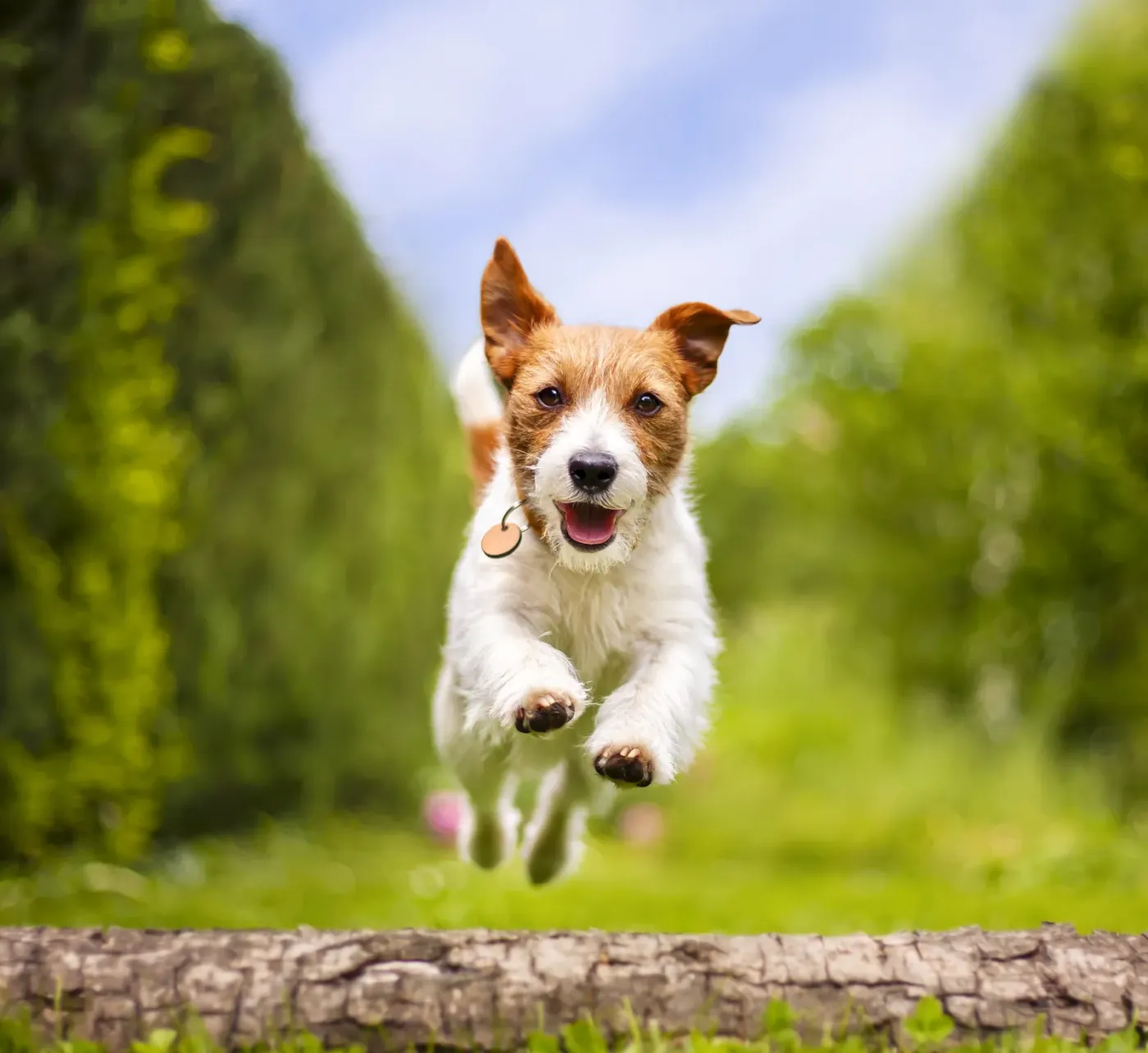
Arousal before movement
Where the published curricula touch the first minute of the walk.
No program lists leash biting as a skill. What the curricula do list sits right on top of it. On-Leash Foundations, two weeks at $1,865 plus GST, works on loose-leash walking, heel and working around everyday distractions, and includes a slip lead and training collar to take home, so the equipment does not change on the drive back. Puppy Fundamentals, three weeks at $2,775 plus GST, works on leash manners for puppies still deciding what a leash is for.
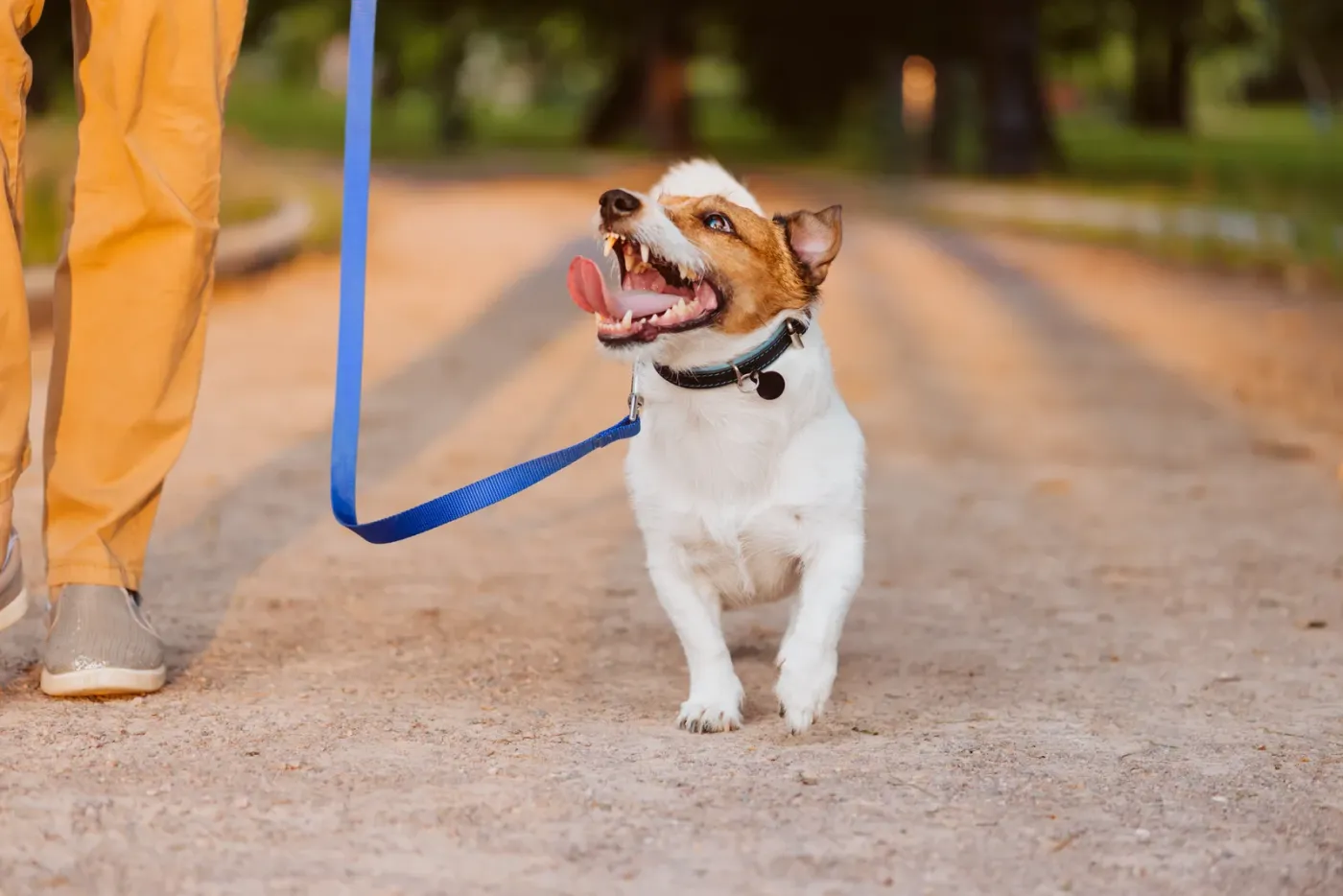
Daily one-on-one sessions can work on the sequence that matters here: calm before the door opens, movement only when the leash is slack, and a reward for the mouth staying off the line. Many dogs tend to grab less when the walk starts quieter. What a stay cannot change is the hand that clips the leash on at home, how it reacts to a grab, and whether the first steps out the door are a sprint or a stroll.
- Calm before the door opens
- Movement only on a slack leash
- Reward the mouth coming off
- Slip lead and collar come home
Your hand, your door
The hand on the leash is yours, so ask about it first.
The handover lesson is where the owner takes the leash and the trainer watches the first minute. That is the moment to learn how to hold the line, when to start walking, and what your hands should do when the dog grabs, from someone watching rather than from a video. The free follow-up session is there if the old habit shows up at your own front door. The method itself lives in our guide on how to stop a dog biting the leash.
At the consultation, describe when the biting happens: at the clip, at the door, or when a jogger passes. Say whether teeth land on hands or sleeves, because that changes the conversation and may point toward a full assessment. Day Training at $650 plus GST per week keeps the dog home at night, with a weekly go-home lesson, and Private Training at $150 plus GST per hour works on your handling. If one of those covers it, that is the one we will suggest.
Asked and answered
The questions people ask us.
Does board and train fix leash biting?
It works on the pieces underneath it: calm before movement, loose-leash walking and heel around everyday distractions. No one can promise the biting stops, because the habit is also shaped by whoever holds the leash at home. The handover lesson and follow-up are built to move that handling to you.
Which board and train program covers leash biting?
None lists it by name. On-Leash Foundations is the closest, with loose-leash walking and heel over two weeks at $1,865 plus GST, and Puppy Fundamentals works on leash manners for puppies. The consultation recommends which, or whether a smaller format does the job.
Is there a leash biting training program that keeps the dog at home?
Day Training runs Monday to Friday at $650 plus GST per week, with drop-off from 8 to 10 am, pick-up from 5 to 7 pm and a weekly one-hour go-home lesson. Private Training is $150 plus GST per hour with a written plan for your week. Both put your hands on the leash sooner.
What should owners bring to a consultation about leash biting?
When it starts, what the dog grabs, and whether teeth have ever reached hands or clothing. Bring the leash and collar you use now. If grabbing has moved from the leash to the person, say so, since that may call for a full assessment rather than an obedience program.
Keep reading
Teeth on the leash?
Book a consultation and describe the first minute of your walks. We will recommend what fits, including the smaller option.
From real owners
Rated 5.0 on Google.
Real Northline dogs