
Puppies
Board and train for a puppy from a breeder vs a rescue
Where a puppy came from changes the first conversation, not the curriculum. A breeder can often tell you about the litter, the parents and the first weeks of handling. A rescue pup may arrive with a gap where that story should be, plus a move or two behind it. Both deserve the same patient training; they just start in different places.
Last reviewed October 4, 2026
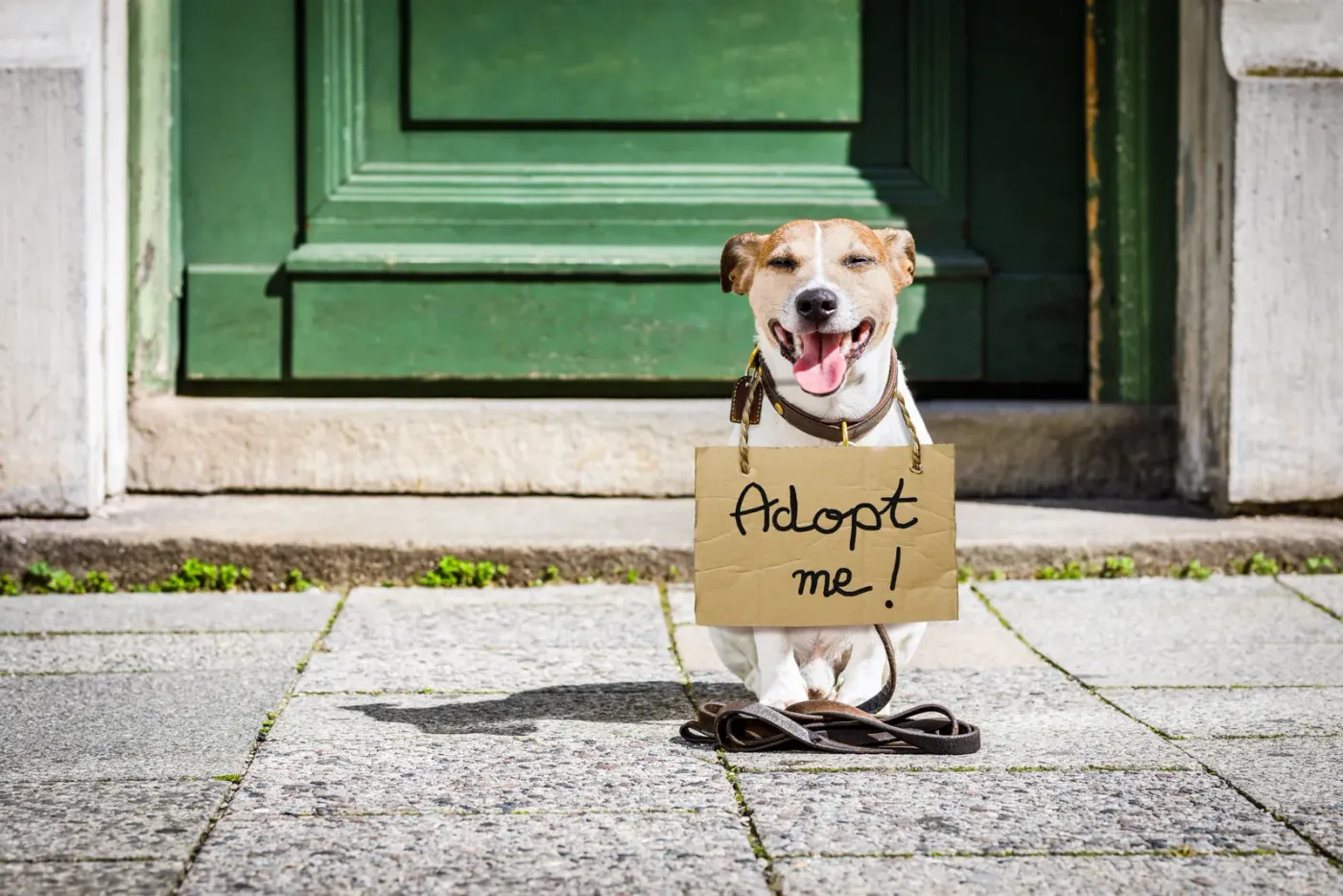
Known and unknown history
Same lessons, different first chapters.
With a breeder puppy, the history is usually on paper or a phone call away: litter size, temperament notes from the breeder, what the pup has already heard and handled. That lets us plan socialization around real gaps rather than guesses. Bring whatever the breeder gave you to the consultation. Even a few lines about how the pup reacted to the vacuum or car rides are useful.
A rescue puppy often arrives with less known: maybe a foster's notes, maybe nothing before the shelter. Many rescue pups also need a settling period after the move, and a stretch of quiet, predictable life at home can show you more about the real puppy than the first anxious hours did. Write down what you notice, including startles, hiding and appetite, and share it at the consultation. Health questions go to your vet.
- Breeder notes on early handling
- Foster or shelter records
- Settling period after the move
- Your own written observations
Fearful rescue pups
When the assessment comes before the curriculum.
Some rescue puppies are simply new. Others hide, freeze, growl or snap when the world gets close. Before any training plan, keep a fearful pup safe: give it a quiet space, let it approach people on its own terms, keep children from handling it, and never punish a growl, because the growl is the warning you want to keep. If fear shows up alongside pain signs or sudden changes, see your vet first.
At the consultation we look at what the fear looks like and how much of it there is. A pup who is shy but curious may suit Puppy Fundamentals, with socialization paced to what it can handle. Where fear runs deeper, Behaviour Rehab is built for it: a full behaviour assessment, confidence building and fear-based work at the dog's pace, customized at $4,850 to $5,760 + GST. If the smaller program is enough, we will say so.
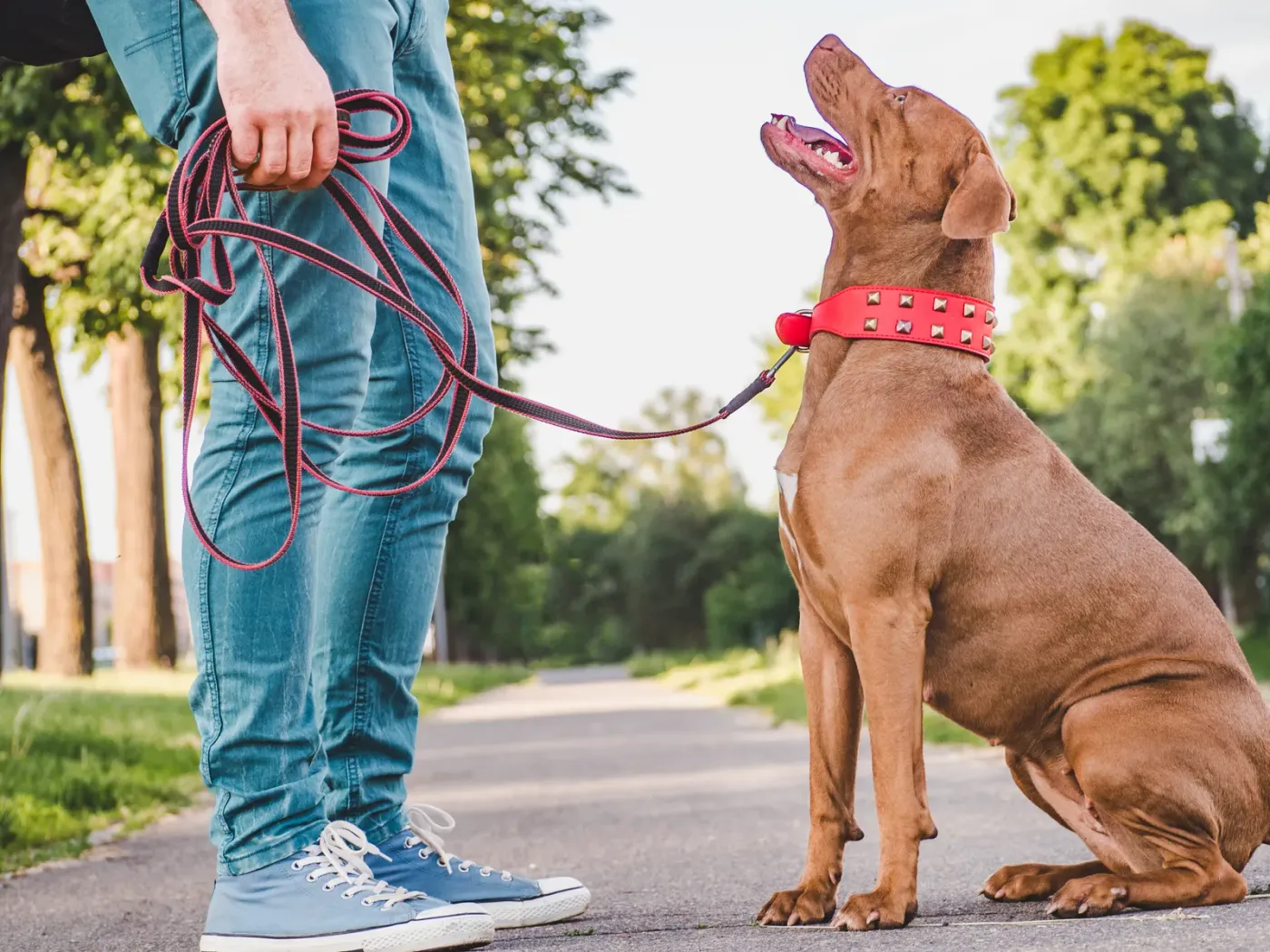
Asked and answered
The questions people ask us.
Is board and train good for a rescue puppy?
It can be, once the puppy has had time to settle at home and we have seen how it copes with new things. The curriculum is the same as for any puppy; the pace of socialization is what changes.
Should my rescue puppy settle in before training starts?
Usually, yes. A quiet stretch at home lets you see the real puppy and gives us better information at the consultation. Your vet guides vaccine timing for rescue pups just as for breeder pups.
Does a breeder puppy need less training?
Not less, just a clearer starting map. Known early handling helps us aim socialization, but leash manners, place and crate comfort are taught the same way to every puppy.
My rescue puppy growls at strangers. What should I do?
Give it space, keep visitors from reaching for it, and do not punish the growl. Book a consultation so a professional can assess the fear, and check with your vet if anything about its health has changed.
Keep reading
Tell us where they started
Book a consultation with whatever history you have, breeder notes or none at all, and we will plan from there.
From real owners
Rated 5.0 on Google.
Real Northline dogs