Board and train
The first week home after board and train
Coming home is a change of environment, and dogs adjust to change at different rates. This page is not a forecast of how the first seven days will go. It is a planning aid for the stretch between the handover lesson and the first follow-up session: what to use as the reference, what to write down, and which decisions we suggest leaving until there is something to base them on.
Last reviewed September 28, 2026
The reference point
Let the handover lesson set the home plan.
Every board and train ends with a handover lesson and continues with free follow-up sessions, and the welcome package includes a crate-training guide. Those are the references we suggest working from in the first week, not a generic checklist. What the lesson covers depends on the dog and the program, whether that program worked on loose-leash walking and place or on recall around distractions, so we suggest taking notes during the lesson itself and keeping them somewhere easy to find at home.
We suggest not putting big outings, visitors or a first trip to an off-leash park on a fixed date. Readiness for those depends on the individual dog and on how practice at home is going, and a follow-up session is the place to ask about them. Meanwhile, we suggest practising what the handover lesson covered in the ordinary places the dog lives: the hallway, the back door, the sidewalk outside. Quiet, familiar places make it easier to notice what needs a question.
- Handover notes as the reference
- Log cue, setting and response
- Outings on guidance, not dates
- Questions saved for the follow-up
The practice log
A short log does more than a good memory.
Home has different smells, sounds and habits than the place the dog just left, and behaviour can shift with the surroundings. Some behaviour from before the program may show up again in the first days, and some may not; neither is a verdict on the training or on you. We suggest treating whatever appears as an observation to record, not a problem to solve on the spot. Adjustment does not run on a calendar, and notes serve better than expectations.
The log we suggest is short: the date, the cue, where it happened, what else was going on, and what the dog did. Three lines on a phone are enough. A cue that works in the kitchen and not at the front door is useful information, and so is a cue that works everywhere. We suggest bringing the log to the first free follow-up session, which every board and train includes, and letting the entries decide what to ask.
The programs
Programs and prices
NE · 2-week board & train
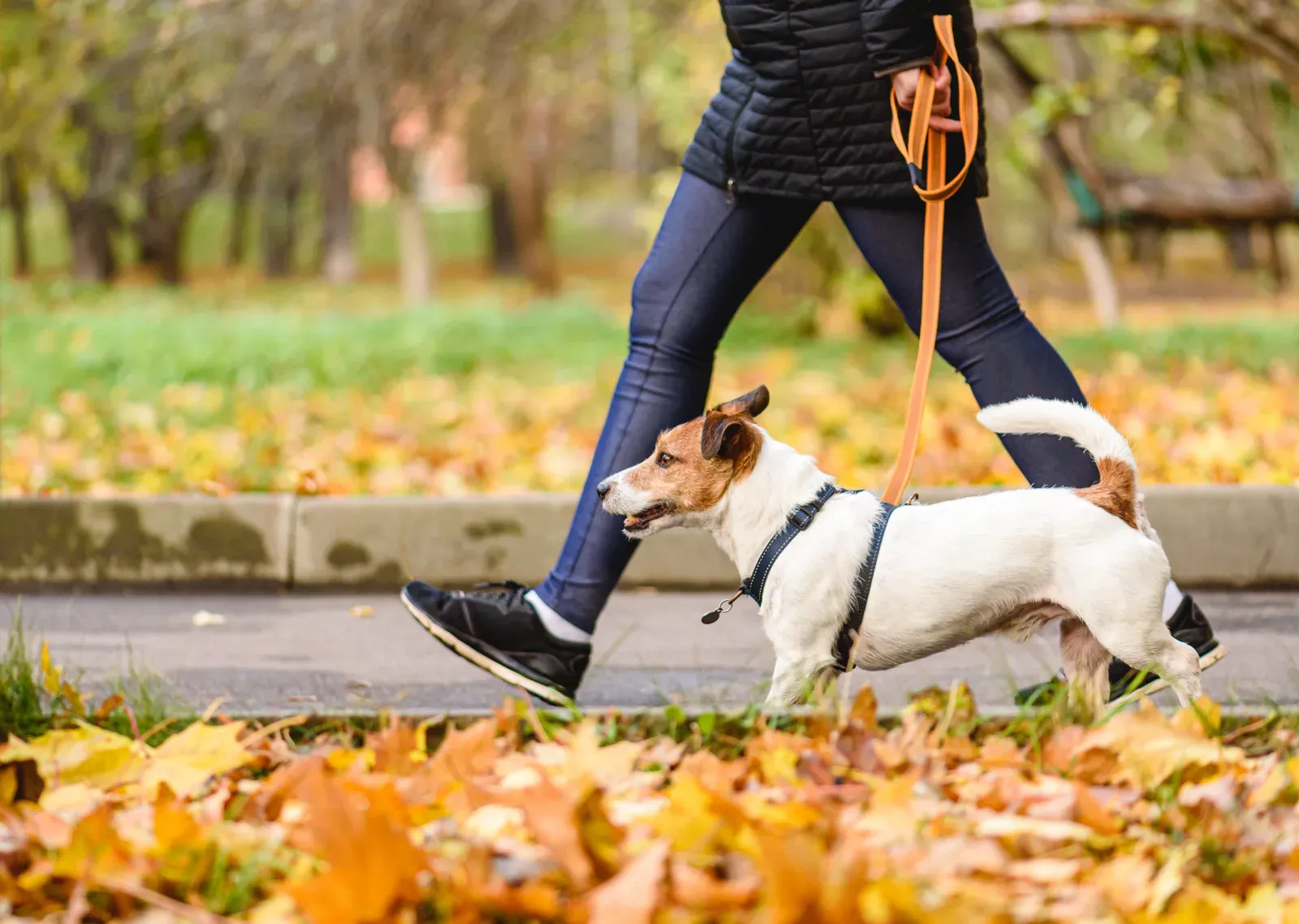
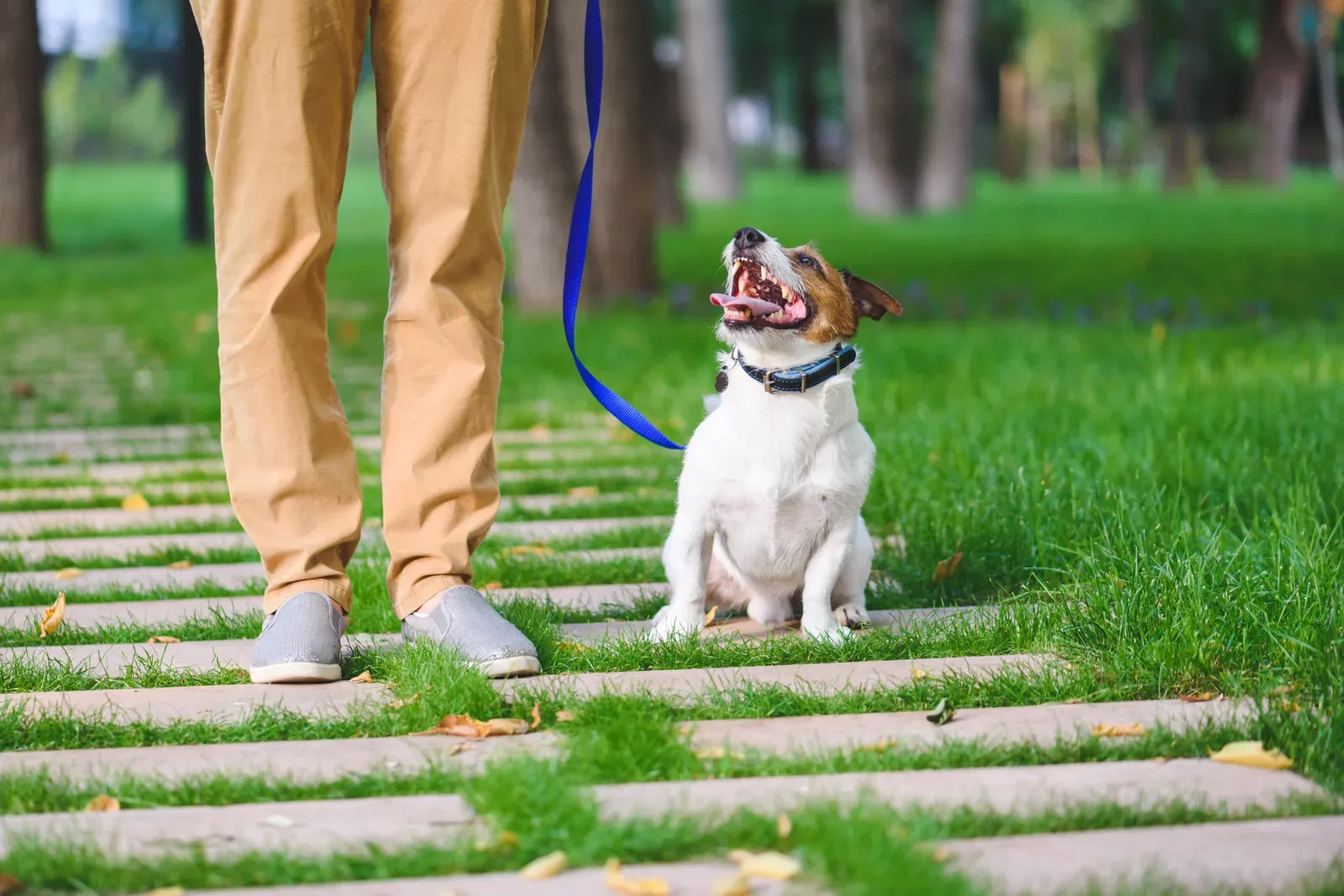
On-Leash Foundations
If every walk is a wrestling match, pulling, barking, zig-zagging, this two-week program rebuilds the walk from the ground up with foundational on-leash obedience..
Includes handover lesson, follow-up session, lifetime support, slip lead + collar
N · 3-week board & train
Puppy Fundamentals
Your puppy's first months decide the habits of a lifetime.
Includes handover lesson, follow-up session, slip lead + collar
E · 3-week board & train
Functional Off-Leash
Everything in the on-leash program, then the next level: reliable off-leash recall even around distractions.
Includes handover lesson, follow-ups, Educator remote collar
Asked and answered
The questions people ask us.
What should the first week home after board and train look like?
We suggest building it around the handover lesson and the notes taken there, practising in familiar places, and keeping a short log of each cue, setting and response. We do not set a fixed schedule for the week, because no two dogs come home the same way. The log is what we suggest bringing to the first follow-up session.
Our dog is home from board and train. Can we go to the dog park to celebrate?
We suggest tying that decision to the individual dog rather than to the calendar, and asking about it at a follow-up session. An off-leash park brings many distractions together at once, and the other dogs are inside the fence with yours. A quiet street or the yard shows more about what is holding in the first week.
After board and train, what do we do if the dog ignores a cue?
We suggest writing down the cue, the setting and what the dog did, then leaving the fix for the follow-up session rather than improvising one. Repeating the cue louder tends to teach a dog that the first version was optional. A cue that keeps failing in one particular place is exactly the kind of note we want to see.
How much practice does a dog home from board and train need each day?
We have not published a daily quota, and the honest answer depends on the dog and the program, so we suggest asking at the handover lesson. As general guidance, brief practice folded into ordinary moments, waiting at a door or holding place while dinner is made, is easier to keep up than one long session after work. The log is a fair way to check whether it is working.
Keep reading
Ask about the first week
Book a consultation and ask what the handover lesson and follow-up sessions look like for your dog, before the program starts.
From real owners
Rated 5.0 on Google.
Real Northline dogs