
Board and train
The first night of board and train
Nobody worries much about week two. It is the first night that tends to keep owners awake: is the dog crying, is it eating, has it settled. We cannot tell you what your particular dog will do, because dogs differ and we have not met yours yet. We can tell you what is certain about where it sleeps and how it is cared for, how you hear from us, and what to settle before drop-off.
Last reviewed September 28, 2026

Night one
Where the dog sleeps, and what we can honestly say about it.
Here is what is published. The dog sleeps in clean, comfortable accommodations with fresh water. Its days hold daily one-on-one training, exercise, enrichment, socialization and individual care inside a structured routine, and that routine is the one the dog lives in for the whole program. Which of those the first day holds depends on when the dog arrives and on the dog itself, and we do not publish a first-day timetable.
From the dog's side, we cannot predict night one. Some dogs in a new place are quieter than usual, eat less or vocalize for a while; others sleep. None of that is something we would wave away. If you have concerns about your dog's eating, sleep or stress, raise them with us, and if anything looks like a health symptom, it is a question for your vet. A history of separation panic or a medical condition belongs at the consultation, before the stay is planned.
- Clean, comfortable accommodations
- Fresh water and daily exercise
- Enrichment and individual care
- Social, phone and email updates
Your night
How you hear from us, and what to settle beforehand.
Updates during the program come by social media, with personal check-ins by phone or email. We do not publish when the first of those arrives, so if hearing something on night one matters to you, ask at the consultation and settle the timing before you book rather than assuming either way. Visits are gently discouraged, since they interrupt the routine the dog is learning, which makes those channels your window for the length of the stay.
Two more things worth clarifying before drop-off. First, whom to contact if a worry comes up, and by which channel, so that a first-night question has somewhere to go. Second, what we should know about your dog: how it eats, how it sleeps, how it has handled being away from you before, and anything your vet is watching. The consultation is where those details belong, so the plan for the stay can account for them.

The programs
Programs and prices
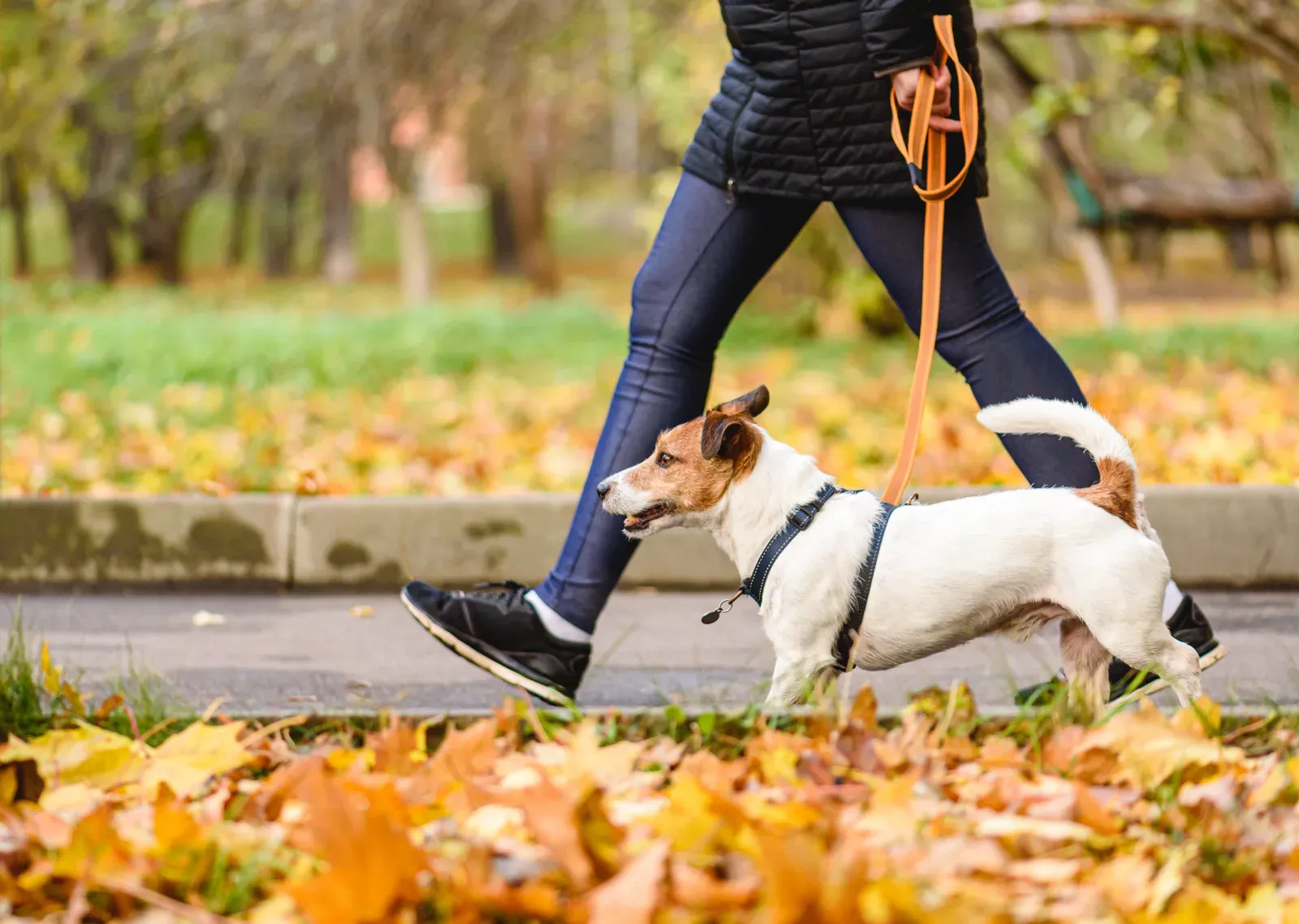
NE · 2-week board & train
On-Leash Foundations
If every walk is a wrestling match, pulling, barking, zig-zagging, this two-week program rebuilds the walk from the ground up with foundational on-leash obedience..
Includes handover lesson, follow-up session, lifetime support, slip lead + collar

N · 3-week board & train
Puppy Fundamentals
Your puppy's first months decide the habits of a lifetime.
Includes handover lesson, follow-up session, slip lead + collar
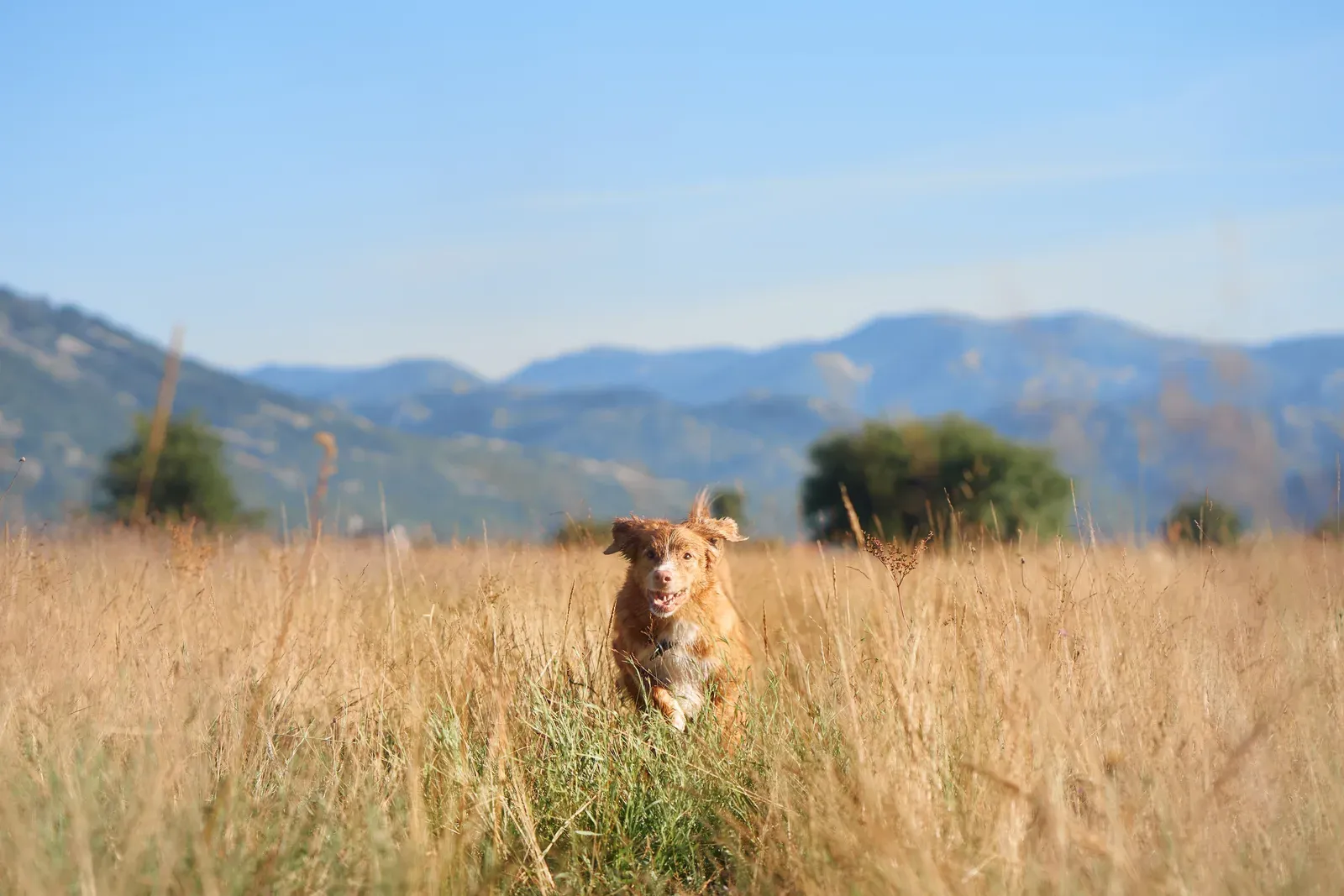
E · 3-week board & train
Functional Off-Leash
Everything in the on-leash program, then the next level: reliable off-leash recall even around distractions.
Includes handover lesson, follow-ups, Educator remote collar
Asked and answered
The questions people ask us.
Will the dog be OK on the first night of training?
We cannot predict how any individual dog will feel on night one, and we would rather say that than guess. What we can state: the dog sleeps in clean, comfortable accommodations with fresh water, inside a routine of daily one-on-one training, exercise, enrichment and individual care. If you have a specific worry, raise it with us, and ask your vet about anything health-related.
What does the first night of board and train look like for the dog?
The published part: clean, comfortable accommodations, fresh water and individual care, within the structured routine of daily one-on-one training, exercise and enrichment that runs for the whole program. The rest depends on the dog and on when it arrives, and we do not publish a first-day timetable.
What if the dog is stressed on the first night of boarding or training?
Tell us. Some dogs are quieter or eat less in a new place, and we would rather hear a concern than have you sit on it; reduced eating or signs of distress are not things we dismiss. If your dog has a history of separation panic or any health condition, raise it at the consultation so the stay is planned with it in mind, and ask your vet about anything medical.
Do owners get an update on the first night?
Updates come by social media, with personal check-ins by phone or email over the course of the program; we do not publish when the first one lands. If a night-one update matters to you, ask at the consultation and clarify the timing before booking.
Keep reading
Ask about night one
Bring your first-night questions with you; they are easier to answer before drop-off than after. Book a consultation.
From real owners
Rated 5.0 on Google.
Real Northline dogs