
Home-alone help
Separation anxiety training for dogs in Calgary.
Separation anxiety is panic, not disobedience, so it is treated like fear: gradually teaching your dog that alone-time is safe, through structured departures that stay under their panic threshold. Northline K9 addresses it through Behaviour Rehab and private coaching, and this page is honest about something most sales pages skip: which parts of this work a board & train can do, and which parts must happen in your home.
What treatment really is
Departures small enough not to trigger panic.
The core protocol is desensitization: leaving for durations your dog can handle calmly, seconds at first, and growing them only as calm holds. Alongside it we build independence skills, confidence through training wins, and a predictable routine that lowers your dog's baseline arousal, plus honest crate decisions, because for some panicking dogs confinement helps and for others it pours fuel on the fire.
What does not work: cry-it-out, punishment for destruction you found later, and gadgets promising overnight fixes. Panic does not extinguish through suffering; it rewires through thousands of small safe repetitions.
- Sub-threshold departures, gradually extended
- Confidence and independence built through training
- Routine and enrichment lower the baseline
- Vet partnership when medication would help
The board & train truth
What residential work can and cannot do here.
Honesty first: your dog's panic is attached to your departures from your home, so no facility can fully rehearse it away. What Behaviour Rehab genuinely builds is the foundation that makes home protocols work: independence, crate comfort where appropriate, confidence, and a dog whose general anxiety baseline has dropped. Then the handover and follow-up sessions move the departure work into your actual doorway, where it belongs, with coaching until it holds.
The programs
The pieces of the fix.
Foundation and confidence through rehab or day structure, and the home-departure protocol coached through private sessions.
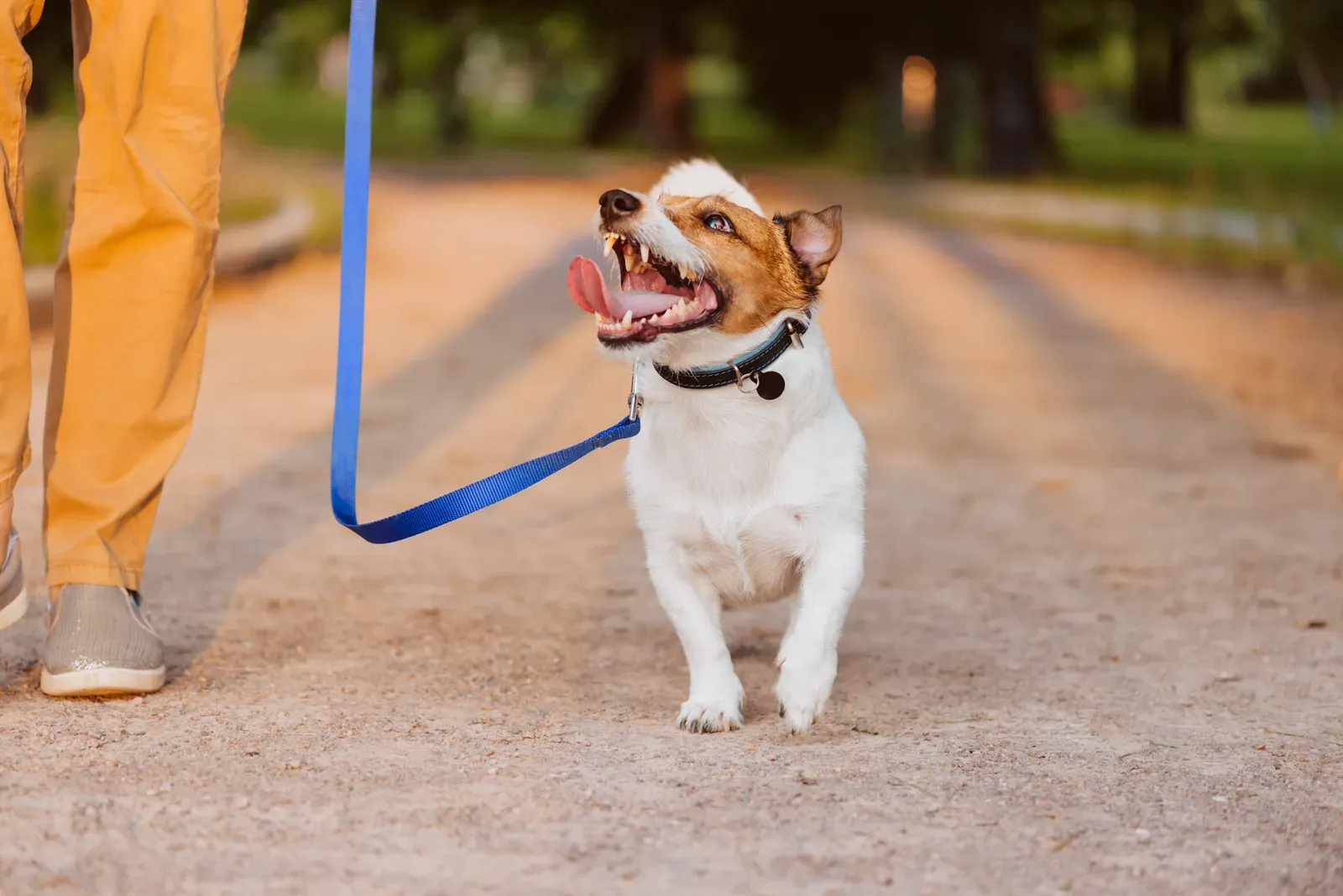
W · One-hour session
Private Training
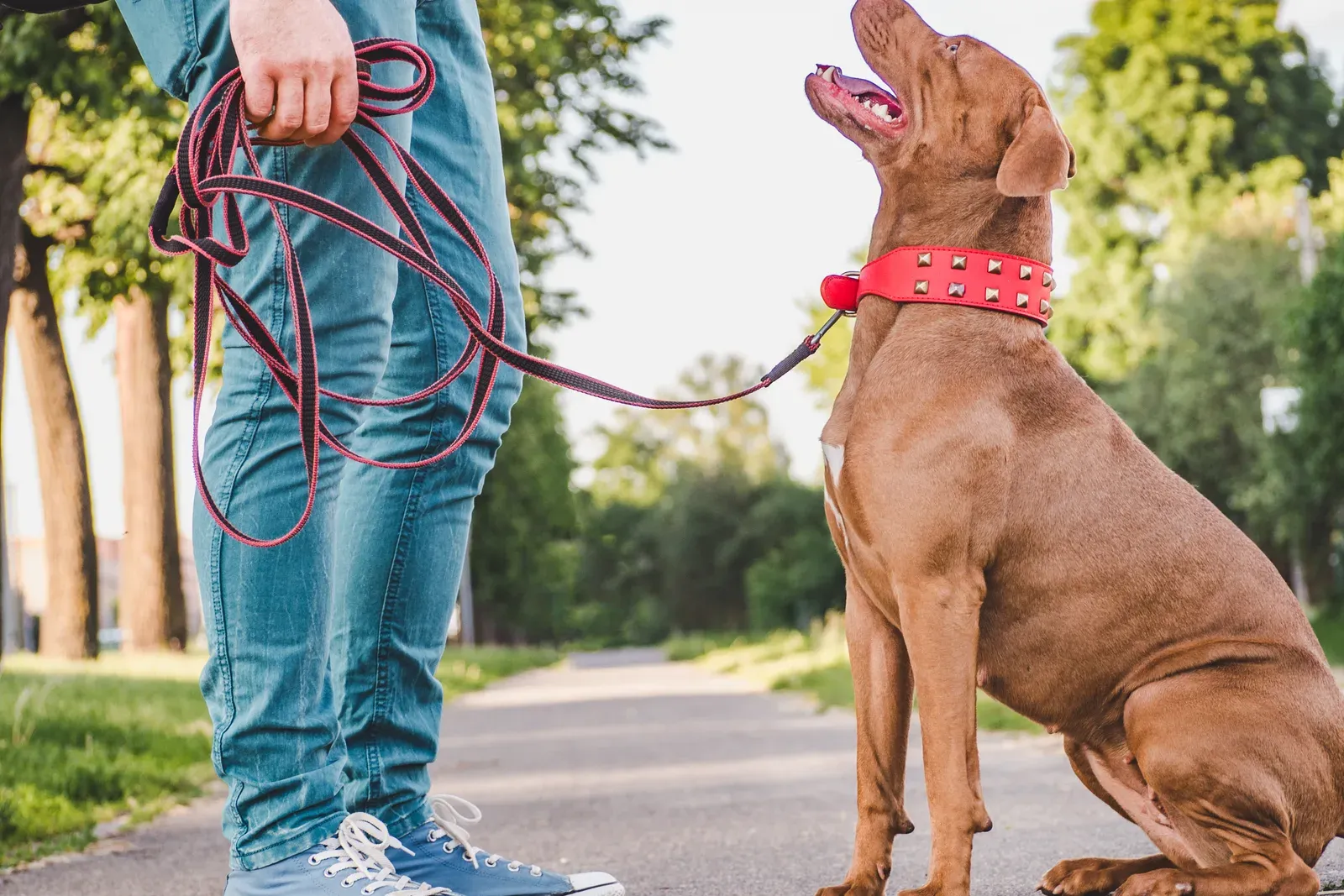
One-on-one coaching with you on the other end of the leash.
Includes a written weekly plan to work from
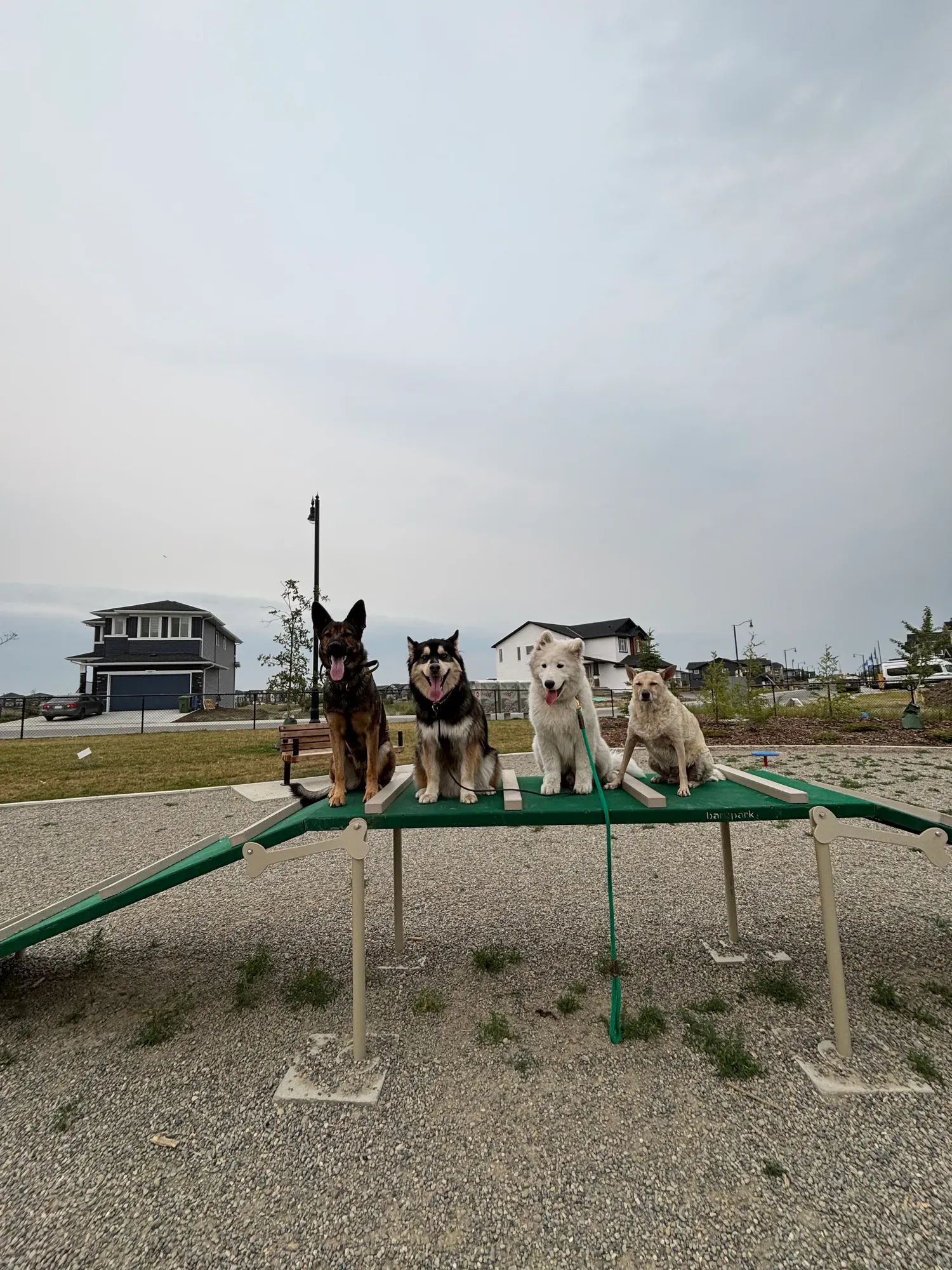
SW · Weekdays, drop-off 8–10 am · pick-up 5–7 pm
Day Training
Professional training all day, your couch at night.
Includes weekly one-hour go-home lesson, daily structure
S · 5–6 week board & train
Behaviour Rehab
Kaitlin's specialty, and the work she loves most.
Includes assessment-built plan, 2 follow-ups, deep owner education
Asked and answered
The questions people ask us.
Does board and train work for separation anxiety?
Partially, and we say so plainly. It builds the independence and calm foundation, but the departure desensitization must happen at your door. Our follow-up structure is built to coach exactly that phase at home.
How long does separation anxiety training take?
Weeks to months depending on severity. Mild clinginess can improve in a few weeks of protocol; true panic cases typically need a few months of graduated departures. Honest trainers give ranges, not dates.
Should I crate a dog with separation anxiety?
Only if the crate genuinely calms your dog. For crate-loving dogs it becomes the safe den; for others confinement escalates panic to the point of injury. We assess which dog you have before recommending anything.
Is medication cheating?
No. For serious panic, vet-prescribed medication can lower the floor enough for training to work at all. We happily coordinate the training side with your veterinarian's plan.
Keep reading
Come home to a calm dog.
Describe what leaving looks like now: the barking, the videos, the chewed door frame. We will map the way back.
From real owners
Rated 5.0 on Google.
Real Northline dogs