
Dog-to-dog & household
Teaching kids to help train the dog
Children usually want to help with the dog, and they can. The trick is giving them jobs that build consistency without putting them in the training seat. Kids are wonderful at remembering rules and spotting what the dog does. Adults hold the leash, deliver the cues and make the judgement calls. Here are roles by age, the games that work, and what stays off the table.
Last reviewed October 4, 2026
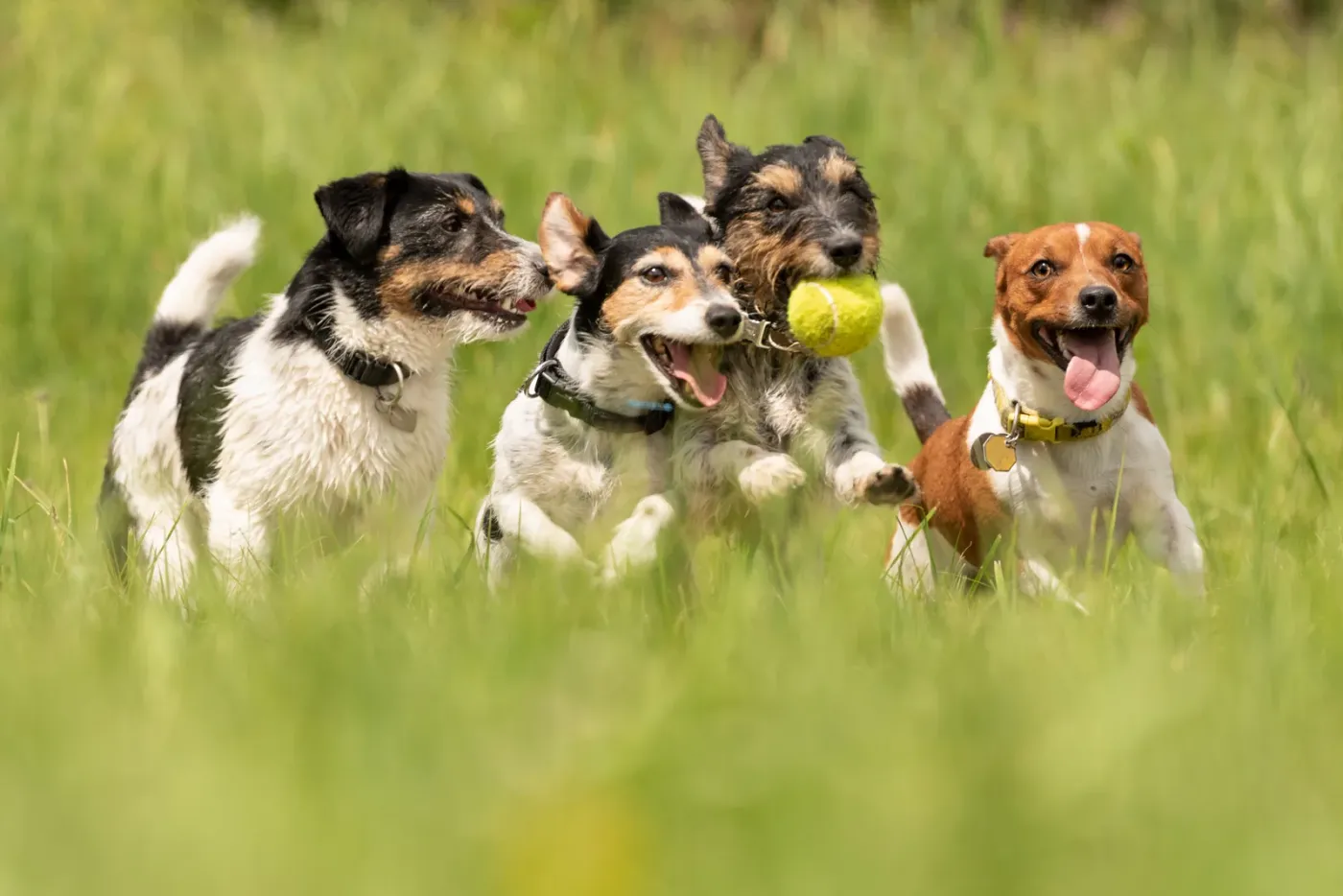
Roles by age
Helping jobs that keep an adult in charge.
Younger children can choose the cue words with you, then remind everyone in the house to use the same ones, so sit never drifts into sit down or sitty. They can check that the baby gate is latched while the dog is in another room, and fill a small treat cup for the adult. Their role is consistency and noticing, never handling the dog directly.
Older children and teens can keep a training chart, learn dog body language with you, and point out when the dog yawns, freezes or turns away. They can tidy shoes and toys before a session so there is less to steal. Even capable teens watch and report while an adult runs the work, because the dog needs one clear handler.
- Same cue words for everyone
- Gates latched, dog elsewhere
- Training chart kept by kids
- Adult holds leash and treats
Games and limits
Behind-the-gate games and the lines we hold.
Hide and find is the favourite. With the dog behind a gate or in another room with an adult, a child hides a toy or a few treats. The adult then releases the dog and cheers the search while the child watches from a chair. A cue word quiz, where kids guess which word means what, keeps them involved without the dog in the room at all.
Some lines stay firm. Kids never correct the dog, never pull on a collar, and never hold still while a dog mouths or grabs: they walk away and an adult steps in. If your dog growls at children, guards toys near them or seems uneasy around them, separate them and arrange a professional assessment. Never punish the growl: it is a warning worth hearing.
Asked and answered
The questions people ask us.
At what age can a child help train a dog?
Children of any age can help with consistency jobs, like agreeing on cue words or keeping a chart. Handling the dog and running sessions stays with adults regardless of age.
Should my child give the dog commands?
We recommend adults give the cues, so the dog hears one consistent handler. Kids help by learning the agreed words and reminding the household to use them the same way.
What should my kids do when the puppy nips?
Stand up, move away and call an adult. Children should never be asked to hold still or put up with mouthing, and an adult should manage the puppy with a gate, crate or leash during busy family moments.
Is it ok for kids to correct the dog?
No. Corrections, including leash pops or a sharp no, stay out of children's hands entirely. If a tool is part of your dog's plan, it is taught to the adult owner and used by them alone.
Keep reading
A plan the whole family follows.
Book a consultation and we will build a household plan with clear adult roles and simple helper jobs for the kids.
From real owners
Rated 5.0 on Google.
Real Northline dogs