
Reactive & behaviour
Reactive dog at dusk and in the dark
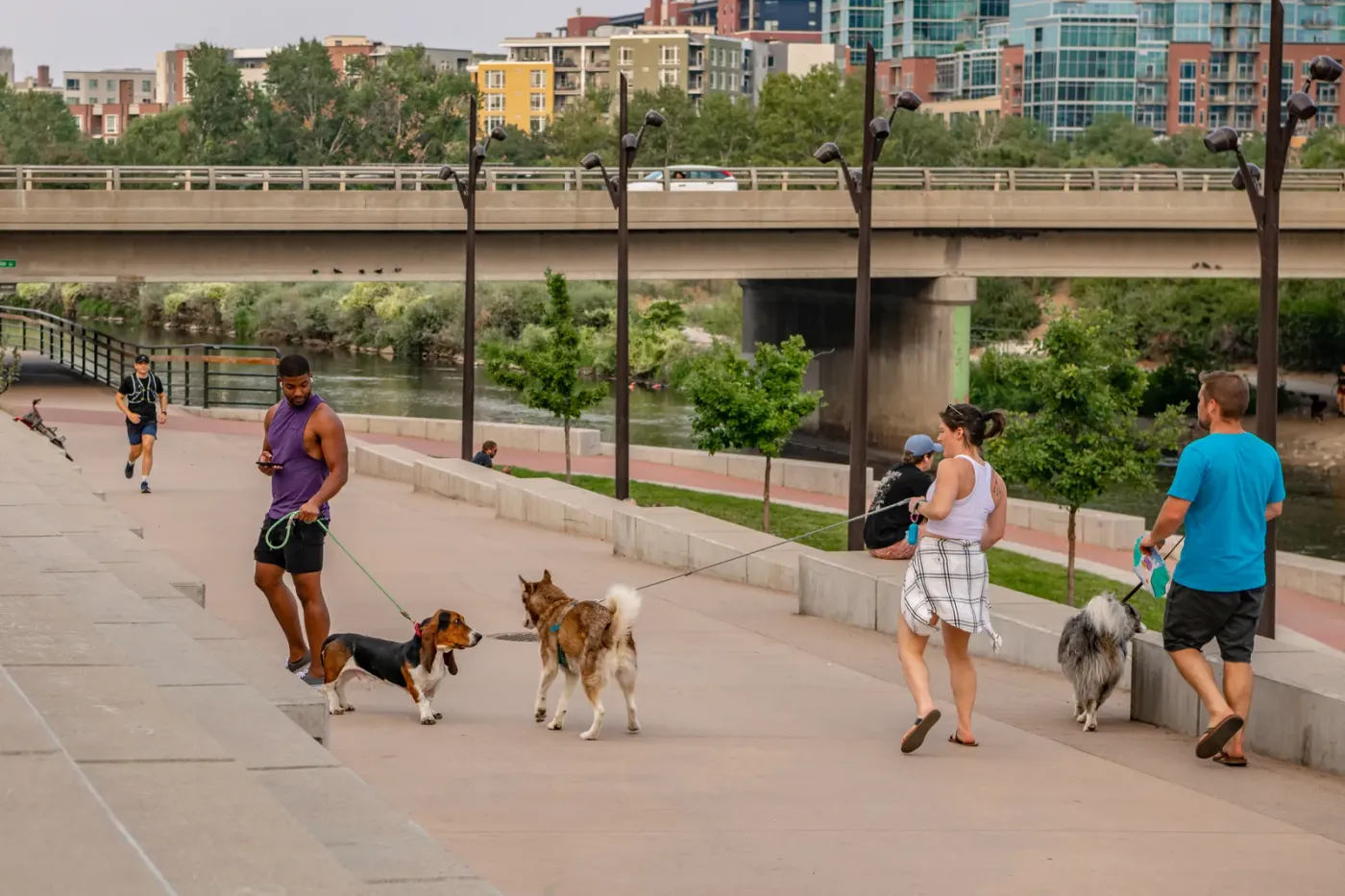
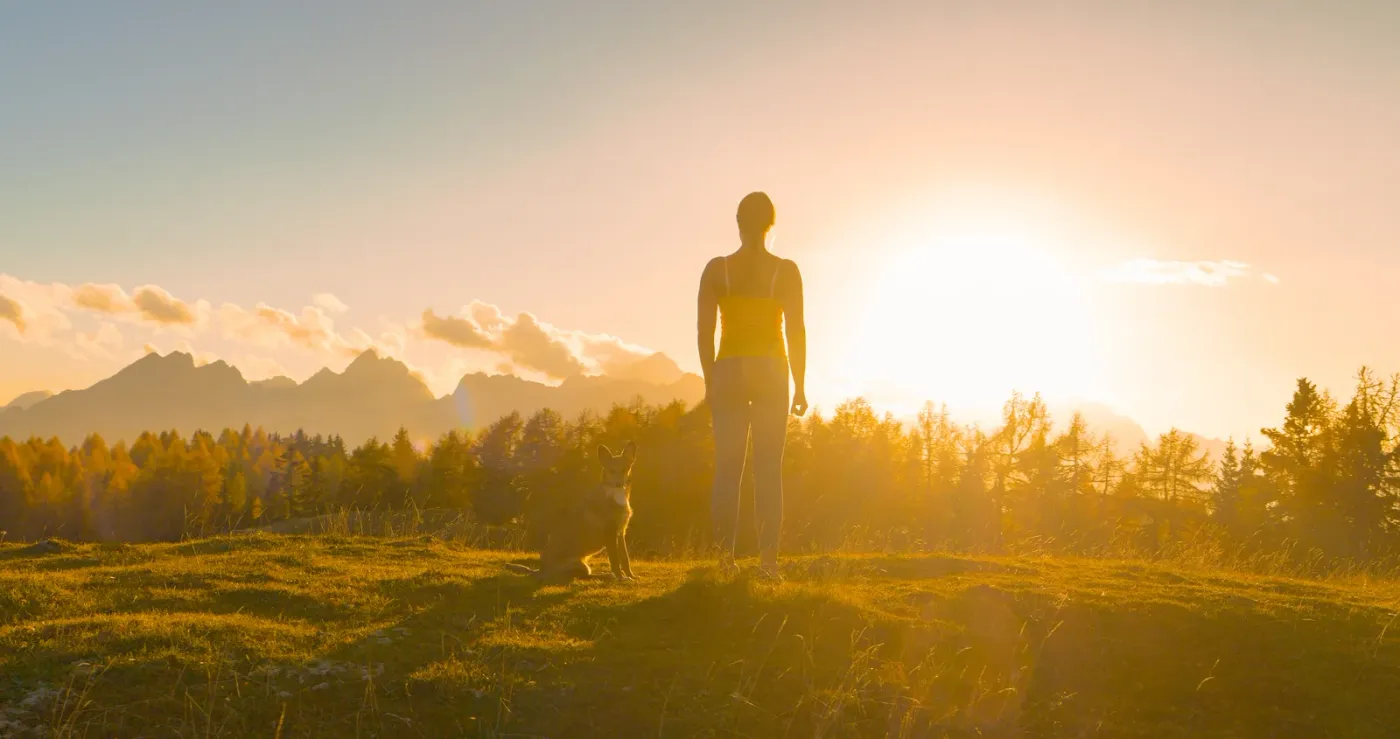
Evening walks change the picture for a reactive dog. Shapes appear without warning, hoods and backpacks change how people look, and a jogger's headlamp can swing straight into your dog's face. In Canadian winters, dark comes early enough that many walks happen after sunset. Here is how to light up, plan quieter routes, widen your distance and know when a vet or assessment comes first.
Last reviewed October 4, 2026
Light and gear
Be seen, and see first.
Safety comes before any training. Put a light-up collar or clip-on light on your dog and a reflective vest or bands on yourself, so cyclists and drivers notice you early. Carry a headlamp or flashlight angled at the ground ahead, not into oncoming faces. Use a fixed-length leash and a secure collar or harness; a startled dog can back out of loose gear, and a loose dog in the dark is hard to find.
Your light is also an early-warning system. Scan the path ahead often, since spotting a figure before your dog does buys you seconds to turn or cross. Keep one hand free for treats and leave the earbuds at home, because footsteps and jingling tags are often your first clue. A dog who is tired or overstimulated by the end of the day can have a shorter fuse, so walk after a calm rest.
- Lights on dog and handler
- Headlamp aimed at the ground
- No earbuds on night walks
- Secure collar or harness fit
Routes and distance
Pick quiet streets and give extra space.
Darkness shrinks your warning time, so trade it for space. Choose routes with streetlights, wide sidewalks and open sightlines, and skip the shortcut through the unlit park or the alley lined with bins and parked cars. Walk at quieter hours when you can. Crossing the street early, before your dog stiffens, usually works better than waiting to find out whether the approaching shape is friendly.
When something does pop up close, skip the training and simply leave: a calm cue, a turn, brisk steps toward light and open space. Save practice for easier moments, such as rewarding your dog for glancing at a distant porch light, a passing car or a neighbour under a streetlight. Feed after the look, not before, and end the walk while it is still going well.
Asked and answered
The questions people ask us.
Why are some dogs more reactive at night?
Often it comes down to surprise. In low light, people and dogs appear suddenly and their outlines look strange, so a dog who copes in daylight can feel ambushed. Changes in eyesight or comfort can also play a part, which is why a vet check matters when night reactions are new.
Is it better to skip walks after dark with a reactive dog?
Not necessarily, but adjust the walk. Shorter, well-lit routes at quieter times, plus play and enrichment at home on the hardest evenings, can keep your dog exercised without stacking up scares.
Do light-up collars bother reactive dogs?
Some dogs notice a new light or blinking clip at first. Introduce it at home with treats before using it outside, and choose a steady setting if flashing seems to bother your dog.
When does night reactivity need a professional?
If your dog has bitten, redirected onto you, or reacts so hard you struggle to hold the leash, book a professional assessment. Behaviour Rehab is built for reactivity and fear after a full assessment, and Private Training ($150 + GST per hour) gives you a written plan for your own routes.
Keep reading
Make evening walks calmer
Book a consultation and we will talk through your evening routes, your dog's triggers and which program, large or small, fits.
From real owners
Rated 5.0 on Google.
Real Northline dogs