Puppy raising
Puppy handling and body comfort training
Many dogs that fight nail clippers were never shown, early and gently, that clippers are boring. The same goes for the ear check, the collar grab at the door and the vet's hands. A puppy starts learning what hands mean from the day it comes home, mostly from whoever touches it most. Here is the routine we use, how the puppy gets a say in it, and what we do when it objects.
Last reviewed September 25, 2026
Two minutes a day
Touch, mark, feed, and stop before the squirm.
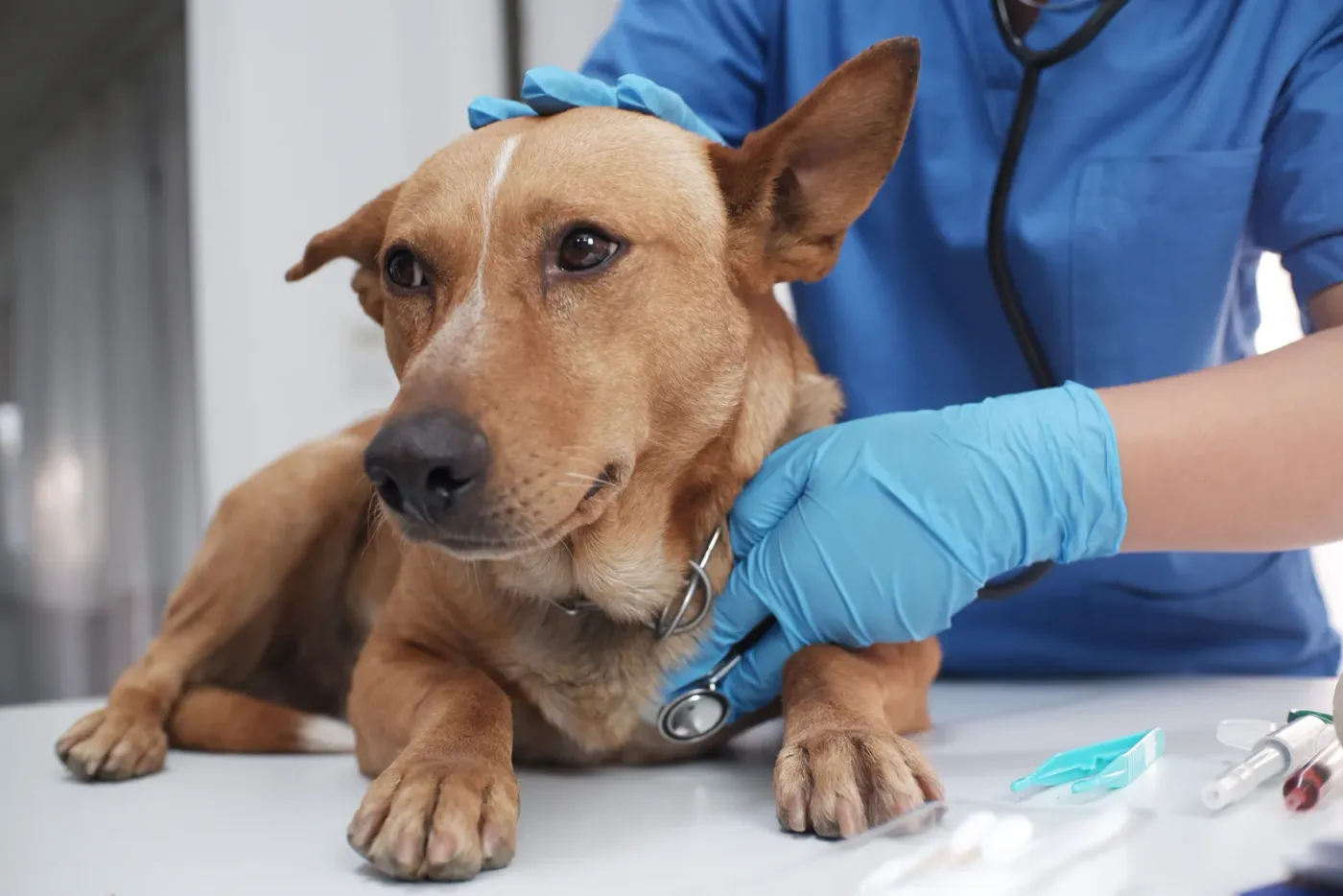
We pick a calm moment, food in one hand, and let the puppy opt in: a chin resting on a towel or an open palm is the start button. We work easy to hard: back, collar, one paw, an ear, and the mouth last, lifting a lip briefly. Each touch lasts a second or two and earns a marker and food while the hand is still there. If the puppy lifts its chin or leans away, the touch stops; walking off ends the session.
Mouthing means we pause, wait for the mouth to come off, then touch more briefly and pay faster. Squirming means the step was too big, so we back up one touch. Nail trims begin with clippers beside the food bowl, then one nail a day. Lifting starts low: one arm under the chest, one under the hindquarters, a few centimetres up for a breath, then down and paid, and we stop the moment the puppy stiffens or wriggles. Brushing starts with one stroke.
- Easy to hard, mouth last
- Food during the touch
- Chin rest as the start button
- Stop when the puppy withdraws
Puppy sets the pace
Some puppies need more time, and children need clear rules.
Coated breeds, which often need a lifetime of brushing and clipping, get the grooming pieces early. Small dogs are often lifted more, so we take extra care that lifts are supported and paid, though the puppy's response, not its size, sets the number of reps. A shy puppy gets the whole sequence slowed down. Children join in on the puppy's terms: an adult supervises, the child sits, the puppy approaches, and there is no picking up, no hugging and no face-level contact.
Calgary winters put paws on the list: from the first snowfall, feet come home with ice balls and road salt, and the towel between the toes tends to go better when feet have already been held, so paws get an early turn, at whatever pace the puppy allows. Private Training is built for hands-on owners who want to do it themselves with a professional reading over their shoulder: one-hour sessions, $150 plus GST, with a plan to practise all week.
Asked and answered
The questions people ask us.
What are good puppy handling exercises?
We use short touches paired with food: a hand down the back, a collar hold, a paw in the palm, an ear lifted, a lip raised, and a low, supported lift with one arm under the chest and one under the hindquarters. Each lasts a second or two and pays while the hand is still there, and the puppy can end any of it by moving away. The whole routine runs about two minutes a day.
How do I get my puppy used to being touched and groomed?
We start where the puppy already enjoys being touched, often the chest or shoulders, and move outward one step at a time, feeding during each touch. The brush comes in the same way, one stroke for one treat, well before a full groom is needed. Mouthing or wriggling tells us the step was too big, so we pause and go back one.
How do I train a puppy for nail trims?
We separate the pieces: holding a paw, pressing a toe to expose the nail, the clippers nearby, the clippers touching a nail, then one clip. Each piece gets paid for over days, not minutes, and we clip one nail a day rather than all of them in one sitting. A vet or groomer can show you where to cut if you are unsure.
What is puppy cooperative care?
Cooperative care means the puppy has a say: it offers a start position, such as a chin rest on a towel, the touch happens while it holds that position, and lifting its chin or walking off ends the session. Food-paired touching is the first layer of it, not the whole method; the opt-in cue and the stop rule are what make it cooperative. We start it in puppyhood as prevention rather than repair.
How should children handle a puppy?
With an adult supervising, the child sits and lets the puppy come to them, then strokes the back or chest for a moment and lets it leave. We do not have children pick up, hug, hold or lean over a puppy, and we keep faces out of the puppy's face. Those rules protect both of them while the puppy is still learning what hands mean.
Keep reading
Make hands boring early.
Book a consultation and we will talk through your puppy's handling so far and build a routine at its pace.
From real owners
Rated 5.0 on Google.
Real Northline dogs