
The method
How to socialize a puppy
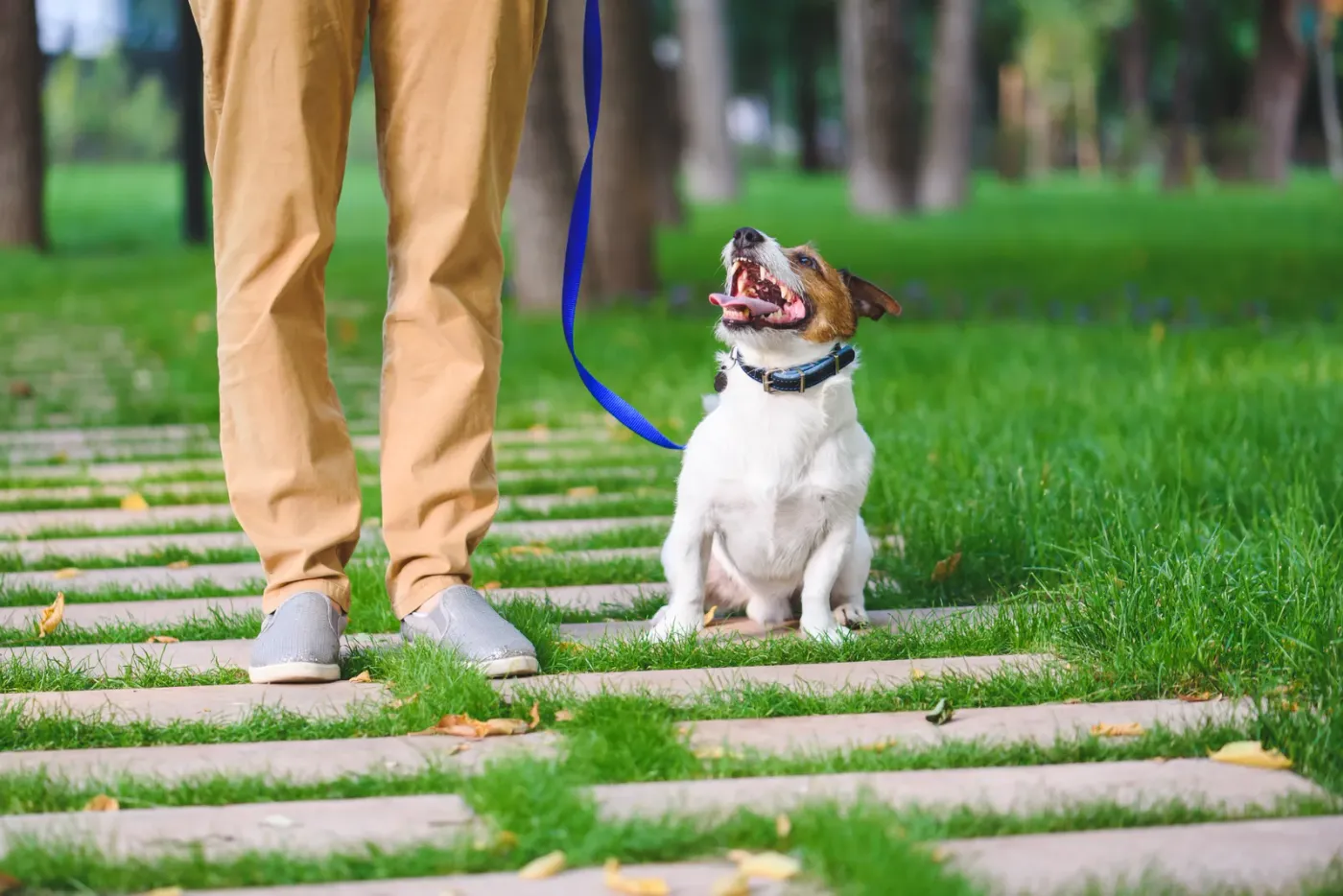
Socialization has a marketing problem. It sounds like a numbers game, meet a hundred dogs, get pawed by a hundred strangers, when it is actually about quality: calm exposure to the world at a distance your puppy can handle, paired with good outcomes. Done well, it builds a steady adult dog. Done as a contact sport, it builds the reactive dogs we meet later.
Quality over quantity
Below threshold, at the puppy's pace.
Work the variety, not just the dog list. New surfaces underfoot: gravel, grates, wet grass, stairs. New sounds: traffic, vacuums, skateboards, thunder recordings at low volume. New people: hats, beards, canes, kids at a distance. And a small cast of sound adult dogs who tolerate puppies gracefully, because one steady mentor teaches better manners than twenty chaotic playmates.
The puppy sets the pace. If it leans in, let it explore and pay the bravery. If it hesitates, add distance and wait: curiosity almost always returns on its own, and a puppy that chooses to approach learns more than one that was carried in. During the vaccination window, be honest rather than housebound. Carry the puppy to watch a parking lot, sit in the car near a school at pickup, host vaccinated adult dogs at home. Observation counts.
- Puppy chooses the distance
- Pair new things with rewards
- Surfaces, sounds, people, stable dogs
- Carry-and-observe before full vaccines
What goes wrong
The dog park is not a classroom.
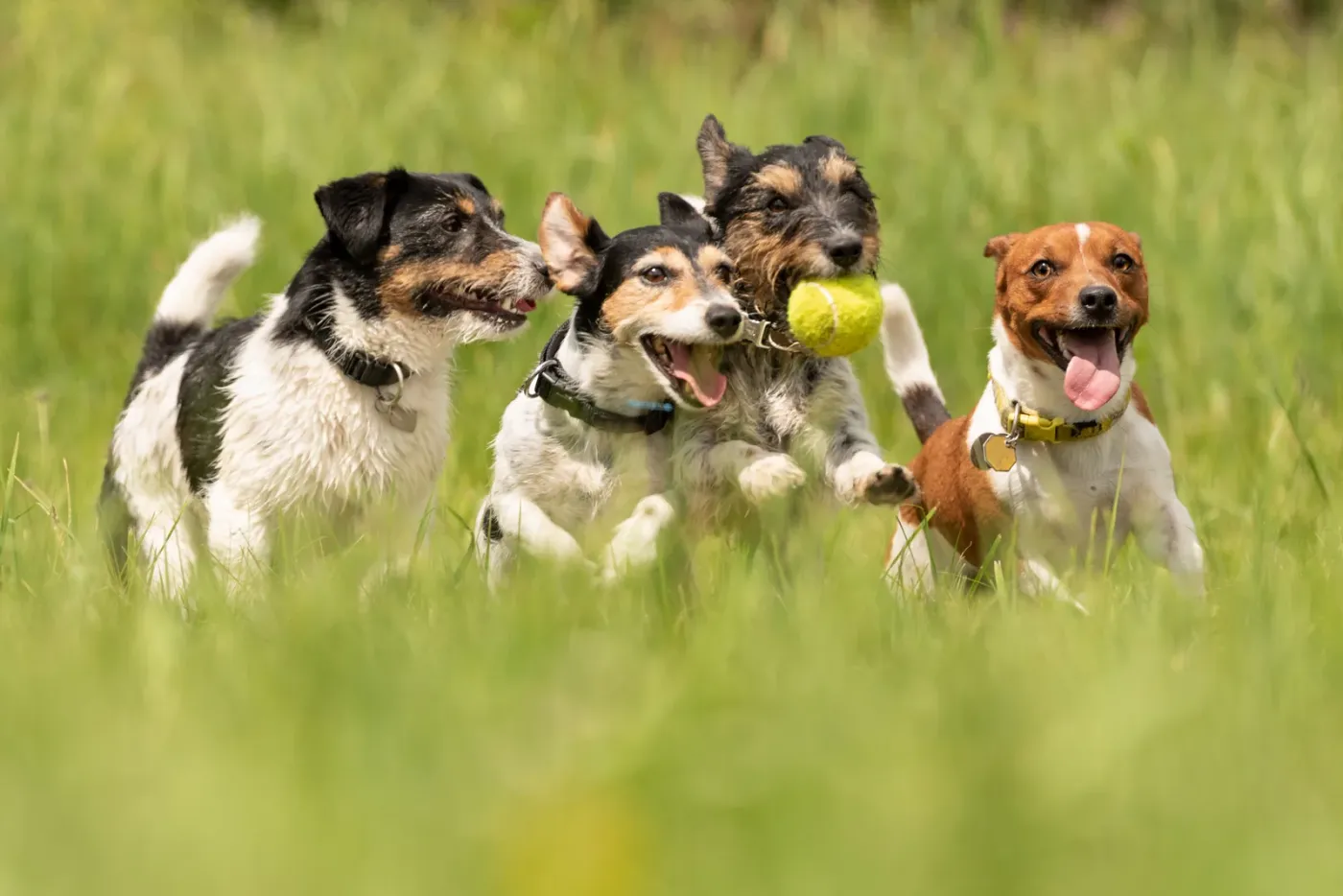
The classic mistakes share one root: forcing contact. Dog parks put a soft-brained puppy in a scrum of unknown adults with unknown manners, and one bad ambush can echo for years. Flooding, holding a scared puppy in place until it stops struggling, teaches shutdown, not confidence. And checklist-chasing, sprinting through a hundred-item socialization list in a month, values contact volume over the calm the list was meant to build.
Under-socialization shows up later as a dog that startles at bicycles, barks at hats, or cannot settle anywhere new. It is fixable, but it is slower work than doing it right the first time. Our Puppy Fundamentals program builds structured socialization into three weeks of one-on-one training, so exposure happens at the right dose from the start. If your puppy is already past the early window, do not panic: careful exposure still works, it just takes patience.
The programs
The puppy-window programs.
The early weeks only happen once. These are the ways we help you spend them well.
Asked and answered
The questions people ask us.
Is there a puppy socialization checklist I should follow?
Lists are useful as idea banks and dangerous as scorecards. Use one to remember categories, surfaces, sounds, people, dogs, then measure success by your puppy's body language, not by items crossed off. A relaxed puppy that met three new things beats a rattled one that met thirty.
What is the socialization window?
It is the early stretch of puppyhood when new experiences are absorbed most easily and with the least suspicion. What happens during it shapes how your dog reads the world as an adult. It matters, but it is a head start, not a deadline: learning continues for life.
How do I socialize a puppy before vaccines?
Observation from safety. Carry your puppy on outings, watch busy places from the car, invite healthy vaccinated dogs you trust into your home, and work surfaces and sounds indoors. Keep paws off high-traffic dog areas until your vet clears them, and ask your vet about the right balance.
Can I socialize my puppy at the dog park?
We would not. A dog park is unvetted adult dogs at full speed, which is the wrong classroom for a puppy learning what dogs are. One or two calm, sound adult dogs you know are worth more than any amount of park time.
Keep reading
Raise a steady dog.
Puppy Fundamentals folds structured socialization into three weeks of one-on-one training. Book a consultation to talk it through.
From real owners
Rated 5.0 on Google.
Real Northline dogs