The method
How to potty train a puppy
Puppies do not learn where to go so much as where going pays. Your job is to make outside the only place that ever gets rewarded and to manage the indoors so mistakes barely happen. Here is the schedule, the supervision rules, the accident protocol, and what to do when it is minus twenty and nobody wants to stand in the yard.
Management first
Outside pays, inside never does.
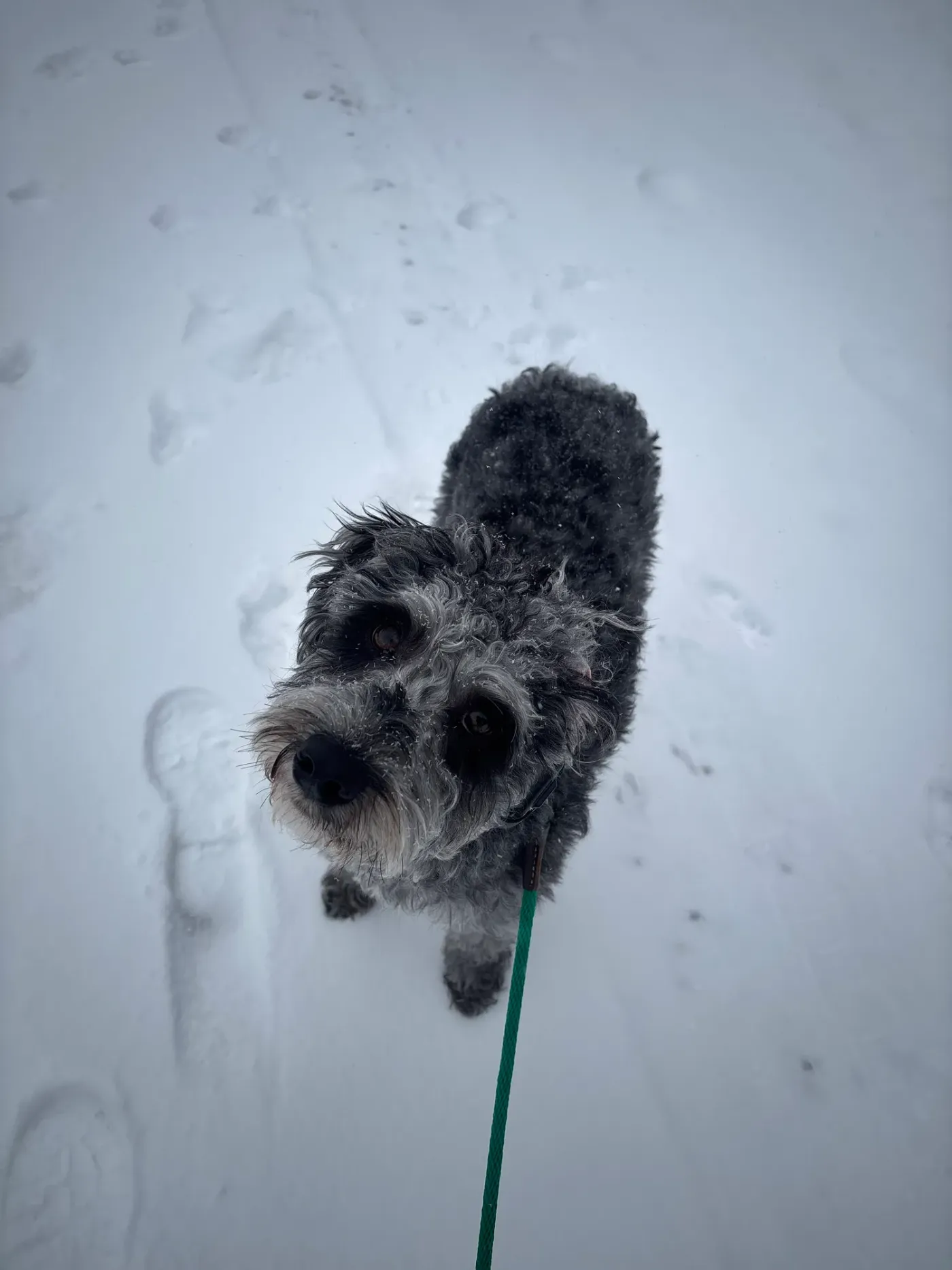
Run a written schedule: out first thing in the morning, after every nap, every meal, every play burst, and roughly every hour for a young puppy. Between trips, the puppy is either supervised by eyes actually on it, or confined in a crate or pen small enough that soiling it feels wrong. Freedom of the whole house is earned in weeks, not granted on day one.
Go outside with the puppy every time, treats in your pocket, because the reward has to land within a second or two of the last drop. Praise from the doorway teaches nothing. If you catch an accident mid-stream, interrupt with a calm sound, carry the puppy out, and pay whatever finishes outside. Never punish; punished puppies just learn to hide behind the couch. And yes, this includes minus twenty in January. Boots, coat, shovel a patch of grass, go anyway.
- Out after sleep, food, play
- Reward within two seconds
- Interrupt, never punish
- Supervise or confine, always
Pads and timelines
The honest word on pee pads.
Pads have a narrow job. They make sense for a bathroom-free stretch you truly cannot cover, a high-rise condo with a long elevator ride, or a breeder setup before eight weeks. Past that, every pad rep teaches the exact habit you are trying to erase: relieving yourself on a soft rectangle indoors. If you use them, park the pad by the door, shrink it over a week or two, then move it outside and retire it.
Timelines depend on age and bladder size. A young puppy may need out every hour while awake; by four or five months most can hold it noticeably longer; adult rescues often click within days once the schedule is airtight. If life makes that schedule impossible, our three-week Puppy Fundamentals board and train runs that structure for you, then walks you through a handover lesson so the habits survive the trip home.
The programs
The puppy-window programs.
The early weeks only happen once. These are the ways we help you spend them well.
W · One-hour session
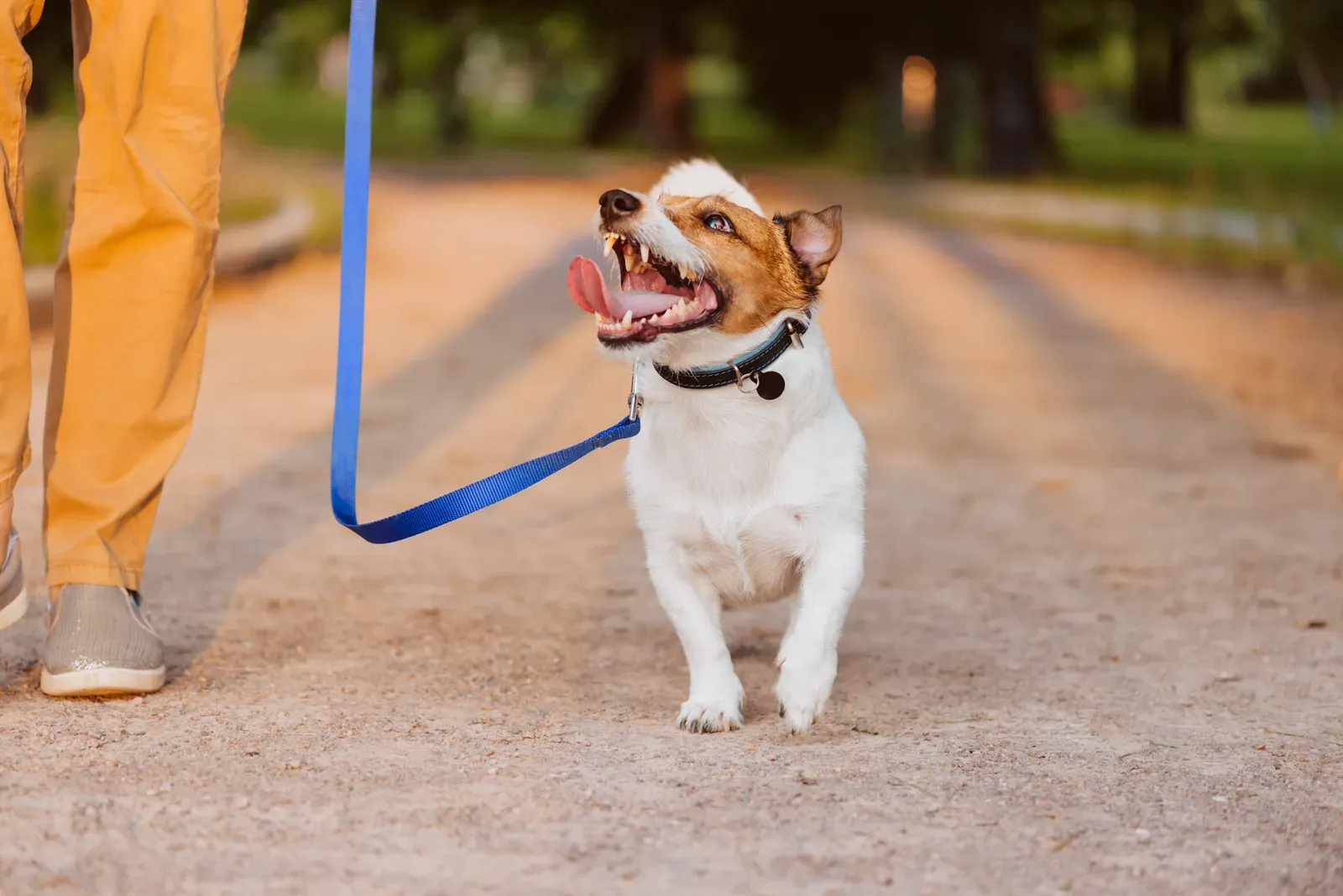
Private Training
One-on-one coaching with you on the other end of the leash.
Includes a written weekly plan to work from
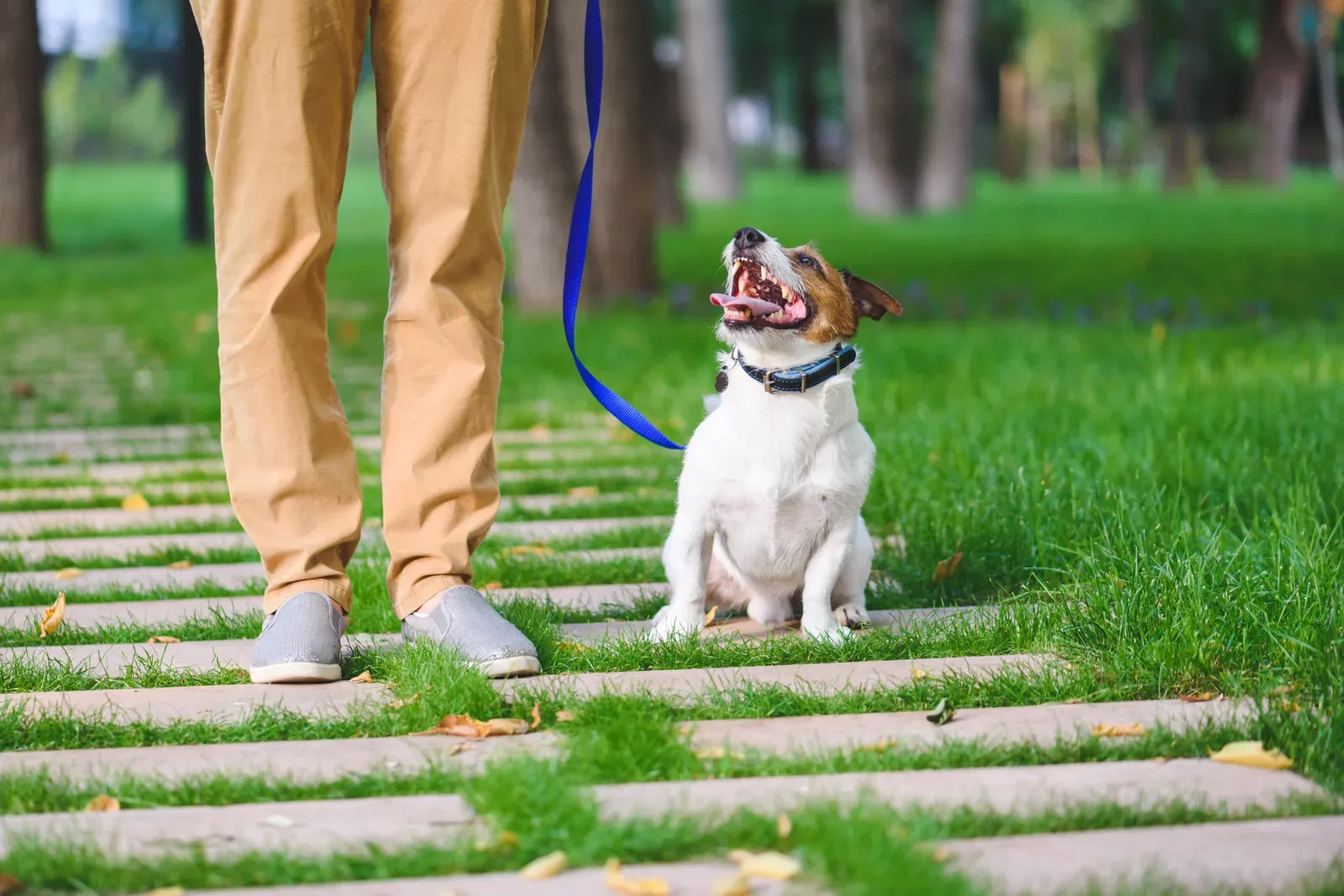
N · 3-week board & train
Puppy Fundamentals
Your puppy's first months decide the habits of a lifetime.
Includes handover lesson, follow-up session, slip lead + collar
Asked and answered
The questions people ask us.
How do I potty train a puppy on pads?
Treat pads as a temporary bridge, not a destination. Keep one pad in a fixed spot by the door, reward the puppy for using it, then shrink and shift it outdoors over a couple of weeks. Skip pads entirely if someone can get the puppy outside on schedule.
What does a puppy potty training schedule look like?
Out first thing in the morning, after every nap, meal, and play session, and before bed, with hourly trips for very young puppies. Between trips the puppy is supervised or confined. Post the schedule on the fridge so the whole household runs the same plan.
How long does potty training take?
With tight management, many puppies have a clean week within two to four weeks, though full reliability builds over months as bladders mature. Adult dogs often get there faster. Every unsupervised accident adds time, which is why management matters more than age.
Why does my puppy pee inside right after being outside?
Usually because the trip was play, not business, and the pee got saved for the comfortable indoors. Go out on leash, stand in one boring spot, and wait. If nothing happens in five minutes, back inside to the crate for ten, then try again.
Keep reading
Done mopping the floor?
Puppy Fundamentals runs the schedule and rewards for three weeks, then hands you the routine. Book a consultation.
From real owners
Rated 5.0 on Google.
Real Northline dogs