
The method
How to stop puppy biting
Those needle teeth are not a character flaw. Puppies explore with their mouths, teethe like human babies, and bite hardest exactly when they are overtired. None of it predicts an aggressive adult. What matters is the response they meet: a household that redirects calmly and never pays biting with excitement raises a soft-mouthed dog. Here is how to be that household.
The real cause
Teeth are a conversation, not a coup.
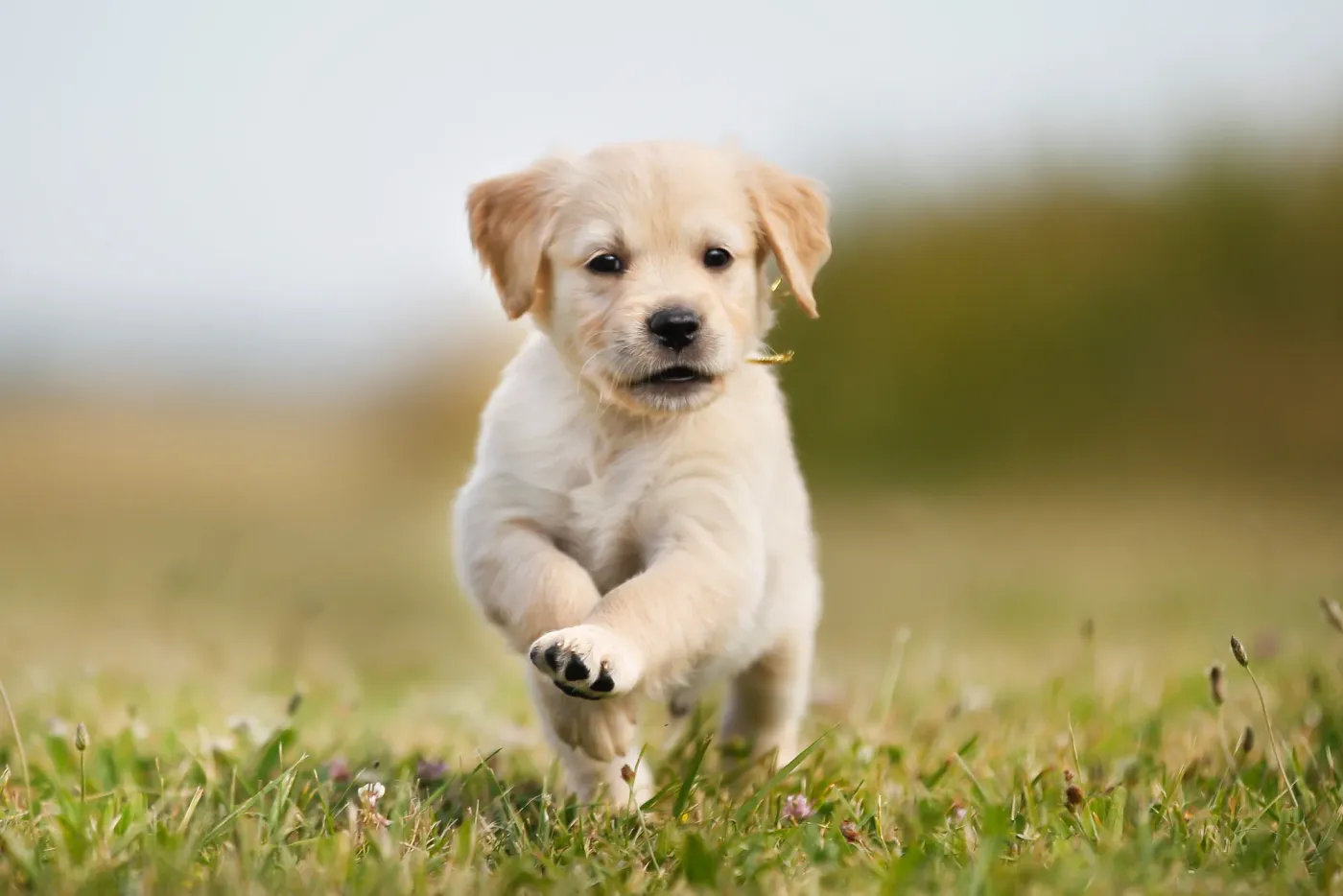
A biting puppy is usually saying one of three things: sore gums, energy with nowhere to go, or an overtired brain that has stopped working. Rule those out before you train anything. Puppies need a startling amount of sleep, real chew outlets, and short play sessions that end before arousal boils over. An overtired puppy at 7 pm is a land shark, and no technique fixes what a nap would.
The training itself is simple and boring. Keep a legal chew within arm's reach and redirect teeth onto it before the puppy hits full spin. The moment teeth touch skin, the fun stops: stand up, go quiet, step over the baby gate for thirty seconds, then return and offer the toy again. No yelping theatrics, no pinning, no muzzle grabs. Corrections that frighten a baby dog do not teach bite inhibition; they teach that hands are unpredictable.
- Redirect before arousal peaks
- Teeth end the game
- Sleep, chew, play first
- Never physical corrections
Households and kids
One family, one rulebook.
The most common reason puppy biting drags on is that the puppy lives with five different rulebooks. One person allows wrestling, another shrieks and runs, a third pushes the puppy off, which reads as a game. Agree on the protocol at the kitchen table and write it down. Kids need their own version: be a tree, arms folded, boring as furniture, and let an adult do the redirecting. Running and squealing turn a child into the best toy in the house.
Most biting fades as adult teeth settle in around five to six months. If hard mouthing continues well past that, or shows up with stiffness and growling over food and space, that is not teething anymore; it is a dog missing structure or rehearsing guarding. That deserves eyes on it. A consultation sorts normal adolescent rudeness from something worth a customized plan, and our one-on-one programs build the structure an over-mouthy teenager is asking for.
The programs
The puppy-window programs.
The early weeks only happen once. These are the ways we help you spend them well.
W · One-hour session
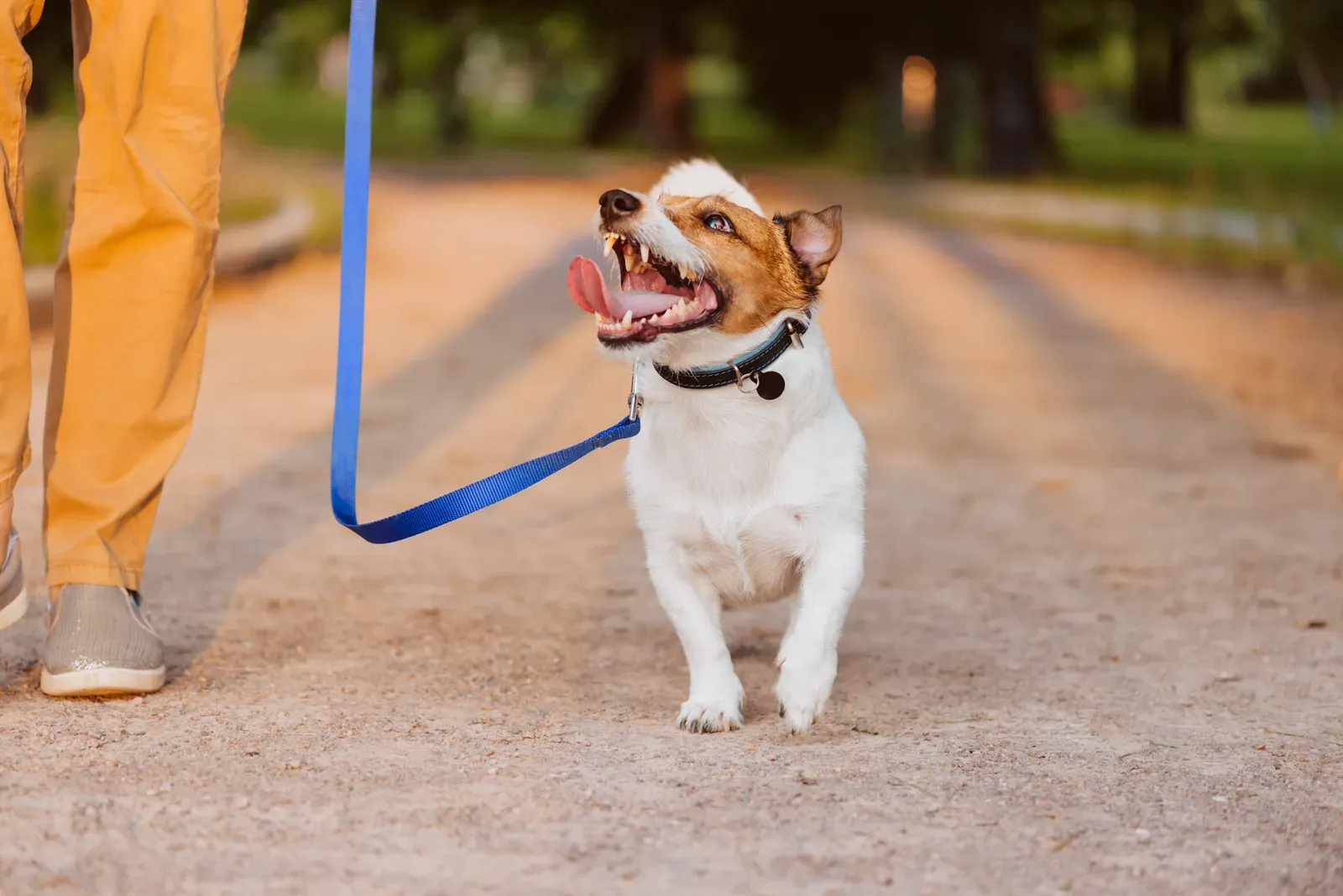
Private Training
One-on-one coaching with you on the other end of the leash.
Includes a written weekly plan to work from
N · 3-week board & train
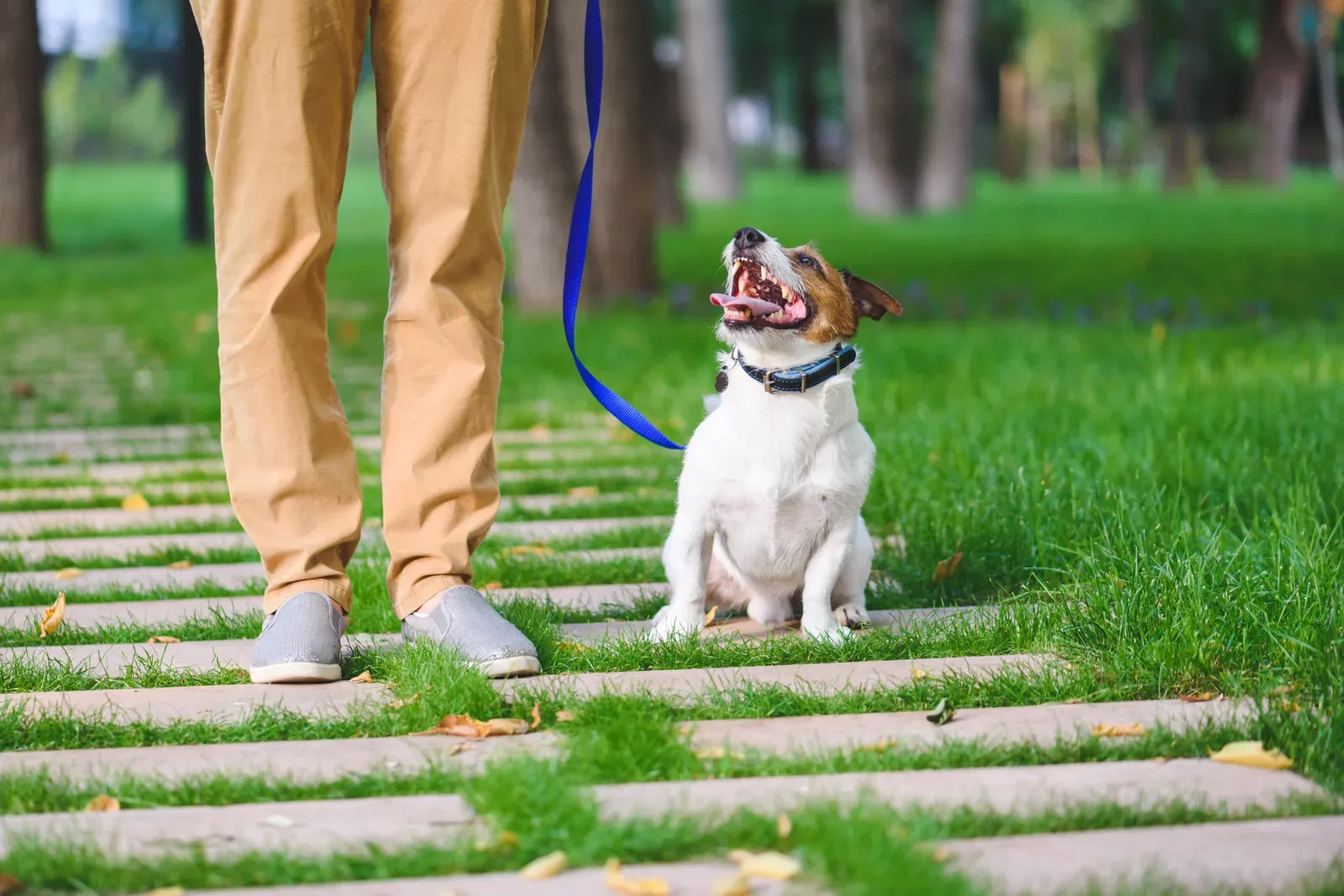
Puppy Fundamentals
Your puppy's first months decide the habits of a lifetime.
Includes handover lesson, follow-up session, slip lead + collar
Asked and answered
The questions people ask us.
How do I stop my puppy from biting me?
Redirect onto a chew the moment mouthing starts, and if teeth reach skin, calmly end the interaction for half a minute. Repeat with the patience of a saint. The lesson lands through repetition, not intensity, so the calmer and more consistent you are, the faster it goes.
Is puppy biting and growling normal?
Play growling during a bitey zoomies session is a completely normal soundtrack, not aggression. Watch the body: loose, bouncy, and wiggly means play. Stiff posture, freezing over food or toys, or growling that backs a child away from a resource is different and worth a professional look.
When does puppy biting stop?
It typically eases as adult teeth come in around five to six months, provided biting has stopped paying off in attention and play. Households that keep it exciting can stretch it far longer. Persistent hard biting past six months is a structure problem, not a teething one.
Should I yelp when my puppy bites?
The classic yelp backfires with many puppies; a high-pitched sound reads as a squeaky toy and cranks arousal up. A flat, quiet end to play communicates better. Silence and a closed door are more convincing than any noise you can make.
Keep reading
Land shark at home?
One-on-one puppy training builds a soft mouth and the structure behind it, with your whole family taught the plan. Book a consultation.
From real owners
Rated 5.0 on Google.
Real Northline dogs