
The method
How to teach a dog to heel
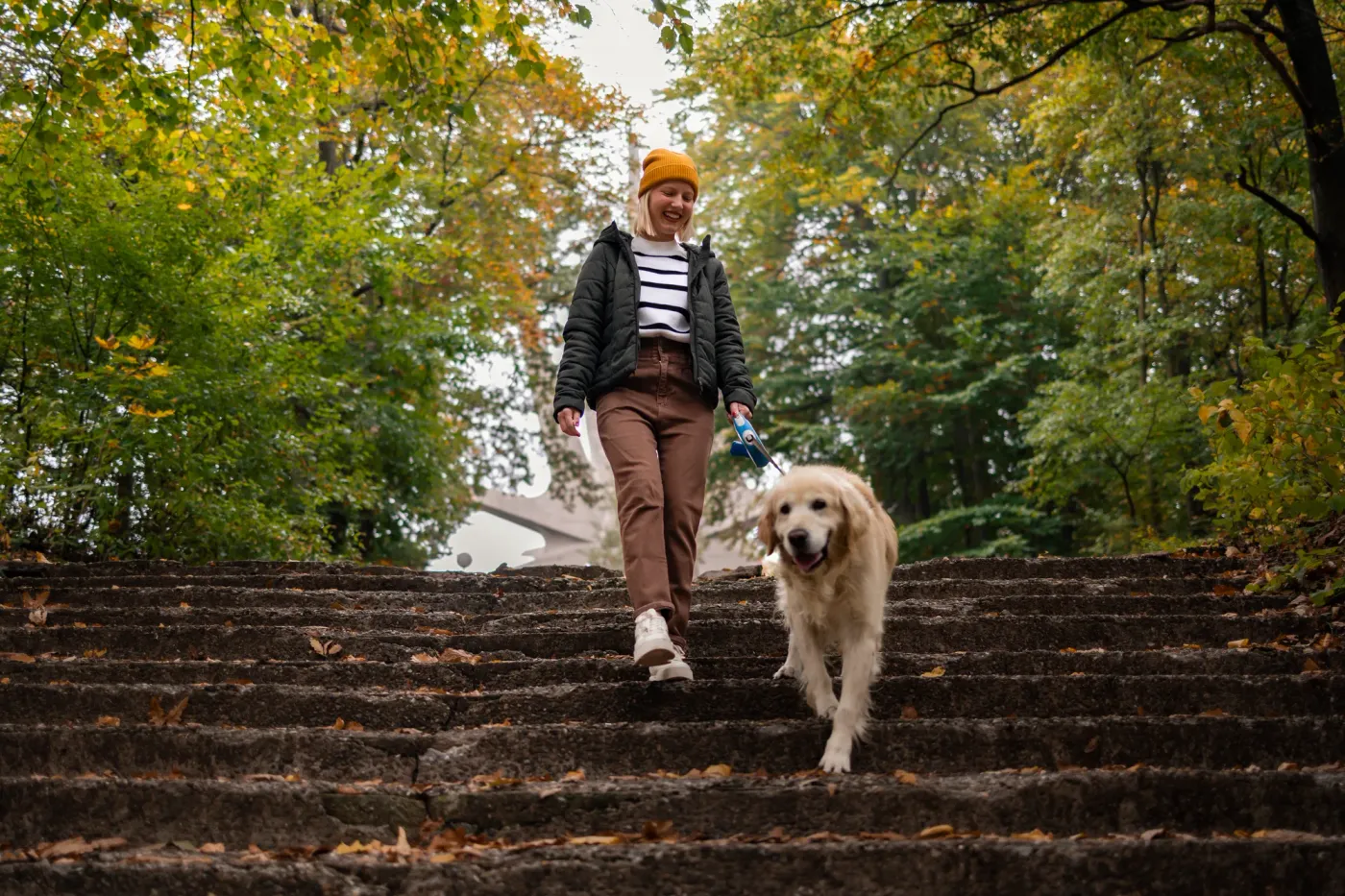
Heel gets asked to do a job it was never designed for. It is a formal position, dog's shoulder at your leg, attention up, and it is brilliant for the moments a walk gets crowded or complicated. It is a miserable way to travel three kilometres. Teach it as a precision skill with a clear start and a clear release, and your dog will love it.
The method
Magnet, mark, add steps, release.
Start standing still. Hold a treat against the seam of your pants at your left hip and let your dog magnet into it. The instant their shoulder lines up with your leg, mark with a crisp yes or a clicker and pay in position, right at that seam. Repeat until arriving there is the dog's favourite idea. You have not walked anywhere yet, and that is the point of day one.
Now add motion in tiny slices. One step, mark, pay. Two steps, mark, pay. If the dog forges ahead or lags, go back to fewer steps rather than repeating failure. End every rep with a release word and a generous sniff break, because heel is a deal: brief precision in exchange for real freedom. Dogs hold positions they know will end. They fight positions that feel like forever.
- Mark the moment of arrival
- One step at a time
- Pay at the seam
- Release to sniff generously
When it matters
Use it for moments, not marathons.
Heel earns its keep in tight quarters: a crowded farmers market, a patio aisle, a vet lobby full of nervous dogs, a school pickup sidewalk. Cue it at the door of the clinic, hold it for the thirty seconds that matter, then release. Used this way, heel becomes a calm-down button as much as a position, because the dog knows exactly what to do when the world gets busy.
The fastest way to ruin heel is to drill it for entire walks, correcting every centimetre of drift until the dog dreads the leash. Keep sessions under five minutes, quit while the dog is winning, and never let heel replace sniffing entirely. If you want a polished off-leash heel that holds up in public, our Advanced Off-Leash program builds it over four weeks with distance commands and public manners.
The programs
Walks, fixed professionally.
If the method above needs more hands, these formats rebuild the walk with us.
NE · 2-week board & train
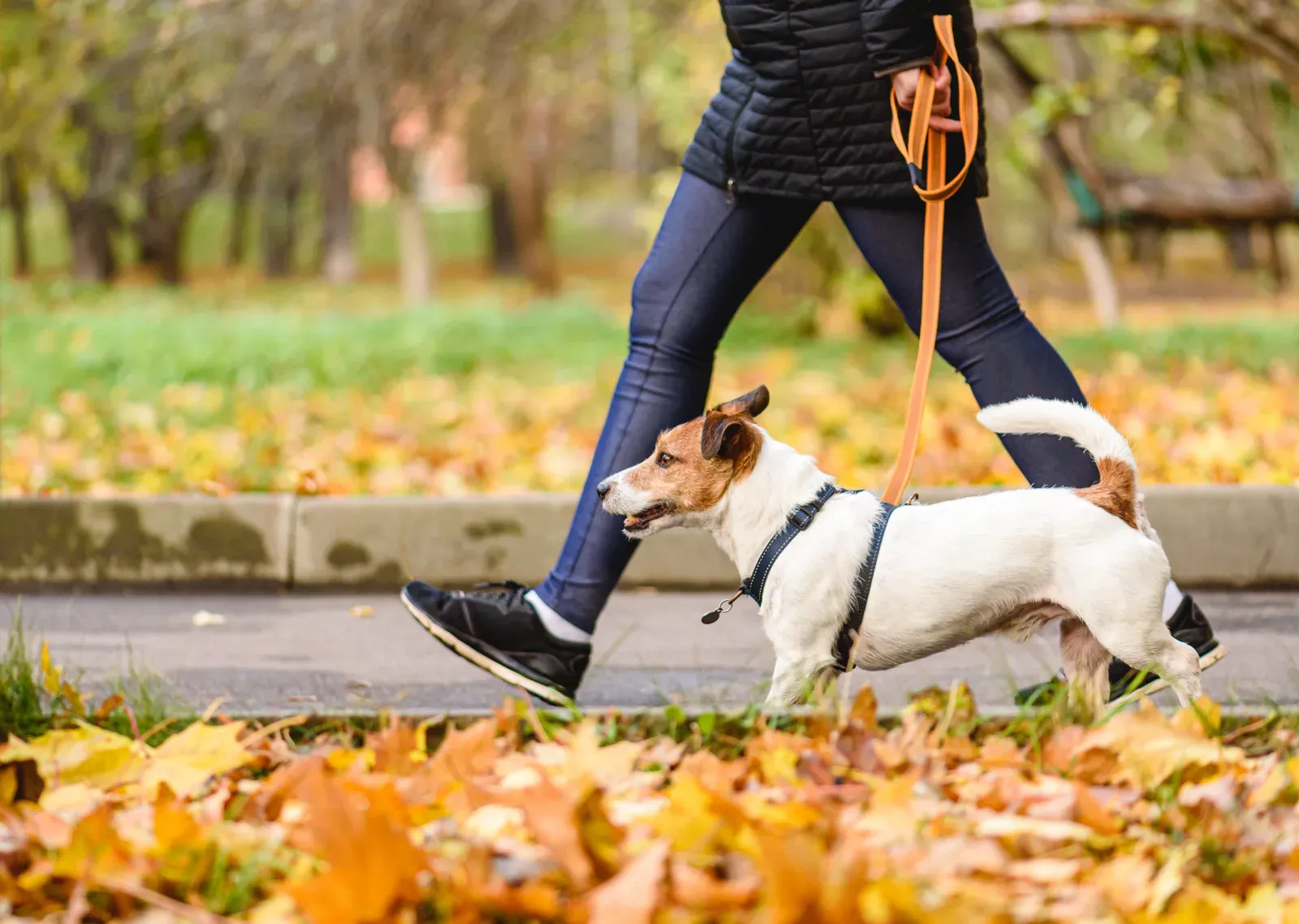
On-Leash Foundations
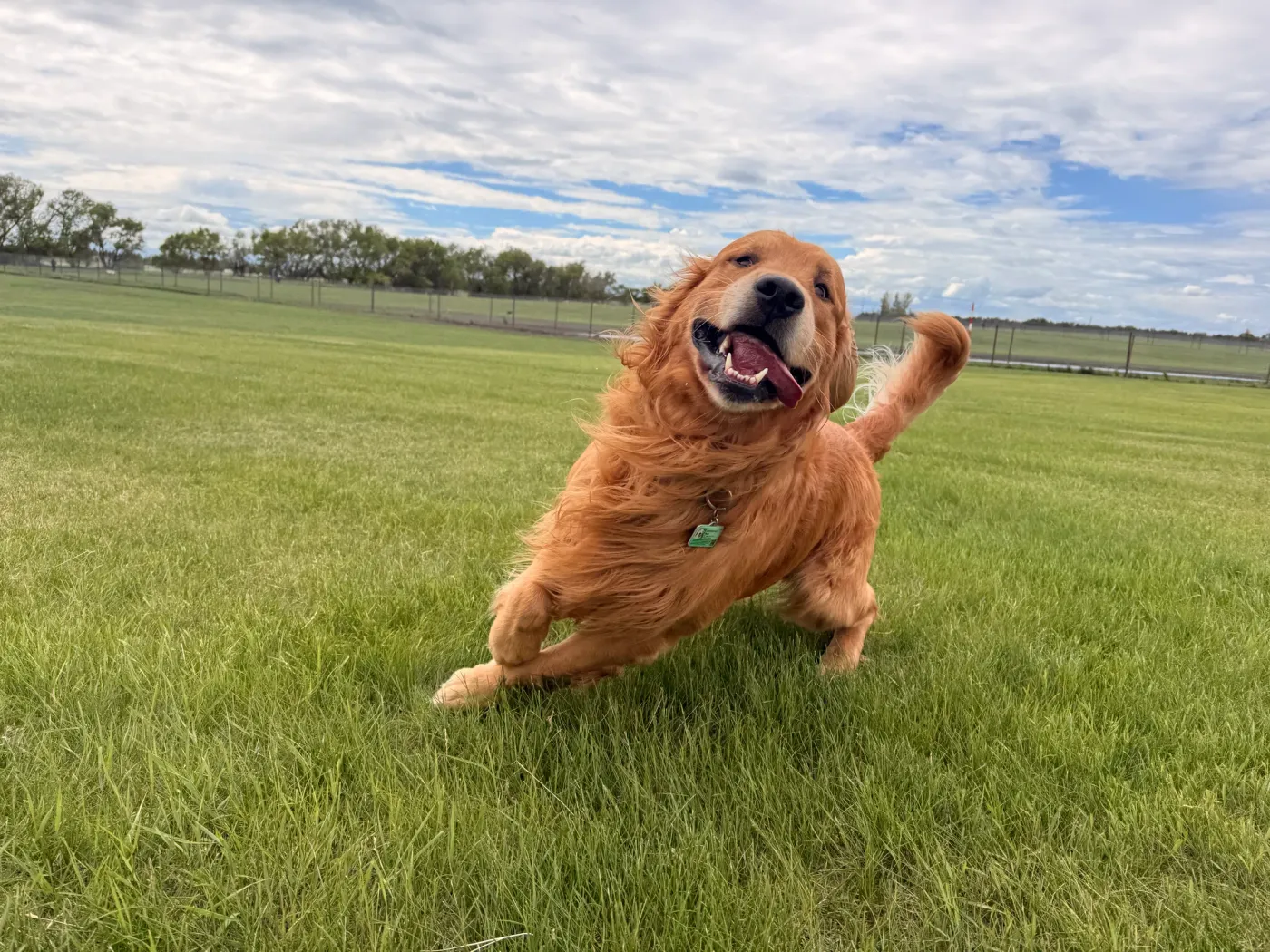
If every walk is a wrestling match, pulling, barking, zig-zagging, this two-week program rebuilds the walk from the ground up with foundational on-leash obedience..
Includes handover lesson, follow-up session, lifetime support, slip lead + collar
SE · 4-week board & train
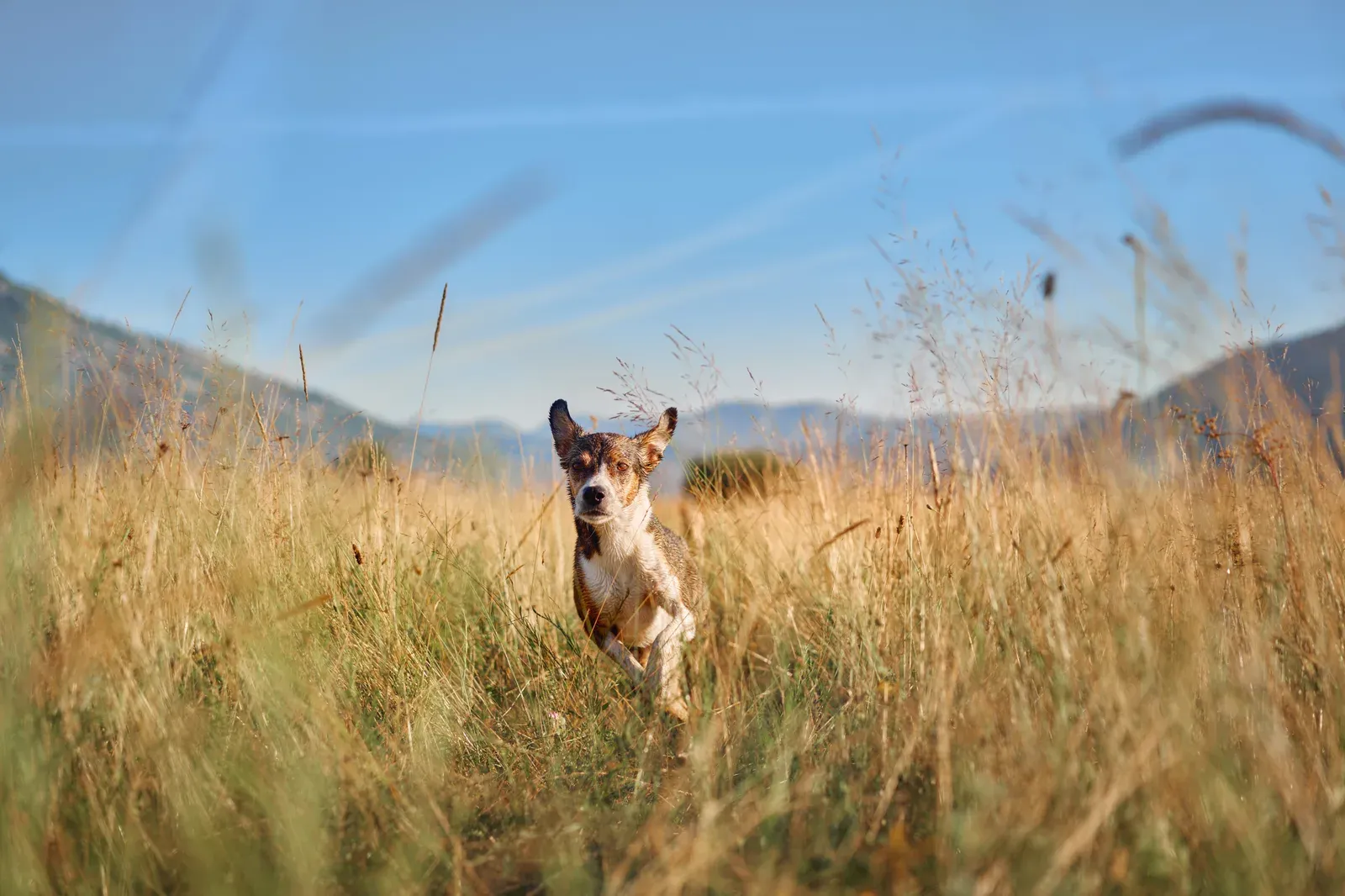
Advanced Off-Leash
The full four-week build: from functional foundations to advanced reliability in public environments and around higher-level distractions.
Includes handover lesson, 2 follow-ups, Educator remote collar
Asked and answered
The questions people ask us.
What is the difference between heel and loose leash walking?
Loose leash walking just means the leash stays slack while the dog wanders within its length. Heel is a fixed position at your leg with attention on you. Most of a walk should be loose leash, with heel reserved for busy moments.
How do I start heel training?
Begin standing still, luring the dog to your left leg with a treat and marking the instant their shoulder lines up. Pay several treats in position before you ever take a step. Add movement one step at a time.
How long does it take to teach heel?
A tidy heel at home usually comes together within a couple of weeks of short daily sessions. Holding it around real distractions takes longer and depends on the dog. Precision fades fast if you stop paying for it, so keep rewarding good positions.
Which side should my dog heel on?
The left is traditional, but consistency matters more than the side. Pick one, keep your treat delivery on that side, and stay with it. Switching sides mid-training just muddies the picture.
Keep reading
Ready for a real heel?
Advanced Off-Leash builds off-leash heel, distance commands, and public manners in four weeks. Book a consultation to see if it fits.
From real owners
Rated 5.0 on Google.
Real Northline dogs