
Adventure dogs
How to teach a dog to check in on walks
A check-in is the uncued glance a dog throws over its shoulder to find you. Nobody asked for it, which is exactly why it matters: it tells you the dog is tracking you while it explores. Off-leash freedom is built on that habit, not on a recall you shout after the dog has already left. This guide covers how to grow it, and why it quietly disappears when you stop paying for it.
Last reviewed October 4, 2026
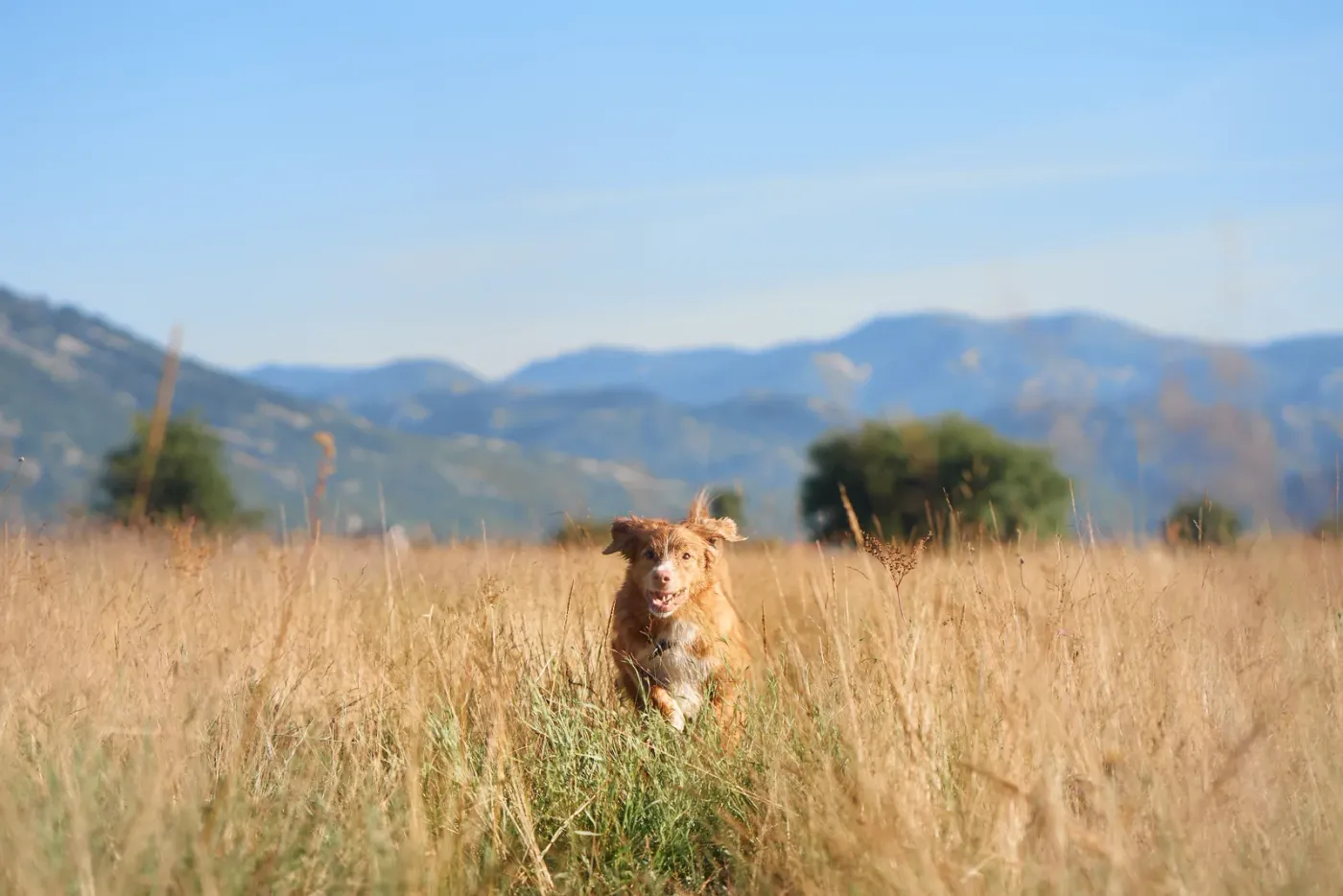
Pay the glance
Reward the look before you ever name it.
Start where the dog can succeed: a quiet field or an empty street, a long line clipped to a back-clip harness so a sudden lunge never hits the neck, and the line held in your hand rather than looped around your wrist. Then say nothing. The moment the dog's head turns toward you on its own, mark it with a word or a click and pay. At first the pay is food, delivered at your knee so the dog comes in close.
Food is the opening bid, not the whole currency. Once the glance is frequent, pay it with what the dog actually wanted: a cheerful release word and permission to go back to the smell it left. Look back, get the world. That trade is what makes check-ins survive when your pockets are empty. Only when the behaviour is reliable do you add a cue, said just as the head turns, so the word predicts something the dog was already doing.
- Harness and long line first
- Mark every uncued glance
- Release to sniff as payment
- Cue comes last, not first
When nobody looks back
The dog that never turns around, and why the habit fades.
Some dogs never look back, often because the environment has been paying better than you. Lower the bar: pick a boring spot, shorten the line, and pay the first flicker of an ear or a half-turn of the head. Engagement games bridge the gap. A hand touch, a treat scattered in the grass that ends with a recall, or a few quick steps away so the dog chases you when it glances your way. You become where the fun starts, not where it stops.
Check-ins are a behaviour, and behaviour that stops being paid stops happening. The pattern is familiar: the dog is doing well, the owner relaxes, and one day the glances are gone and nobody noticed them leaving. Keep rewards in rotation for life, release the dog to sniff after a look some of the time, and run a short engagement game on most walks. If a dog that used to check in stops, or starts scanning the horizon, talk to a trainer.
Asked and answered
The questions people ask us.
How do I teach my dog to check in on walks?
Walk the dog on a long line in a quiet place, say nothing, and mark and pay every time it looks at you without being asked. Pay with food first, then with a release back to whatever it was sniffing. Add the cue only once the look-back is already a habit.
What is dog check-in training?
Check-in training builds the habit of a dog voluntarily glancing back to locate its owner during a walk. It is different from a recall, which asks the dog to come, and from a cued watch, which asks for eye contact. The glance is the dog's idea, and that is what makes it useful off leash.
How do I get engagement on walks off leash?
Engagement off leash is built on leash first: long line, boring location, every glance paid. Add short games the dog cannot play without you, such as a hand touch, a scatter of treats that ends with a recall, or a short burst of being chased. Then take the same games to slowly more interesting places.
Why did my dog stop checking in on walks?
Often the pay stopped. Owners tend to relax once the habit looks solid, and a behaviour that is no longer rewarded fades. Go back to paying the glance for a while, bring in a release-to-sniff reward, and if the change is sudden or paired with new behaviour, ask a trainer to look at it.
Keep reading
Build the habit together
If the glances are not coming, we can show you where it is breaking down. Book a consultation.
From real owners
Rated 5.0 on Google.
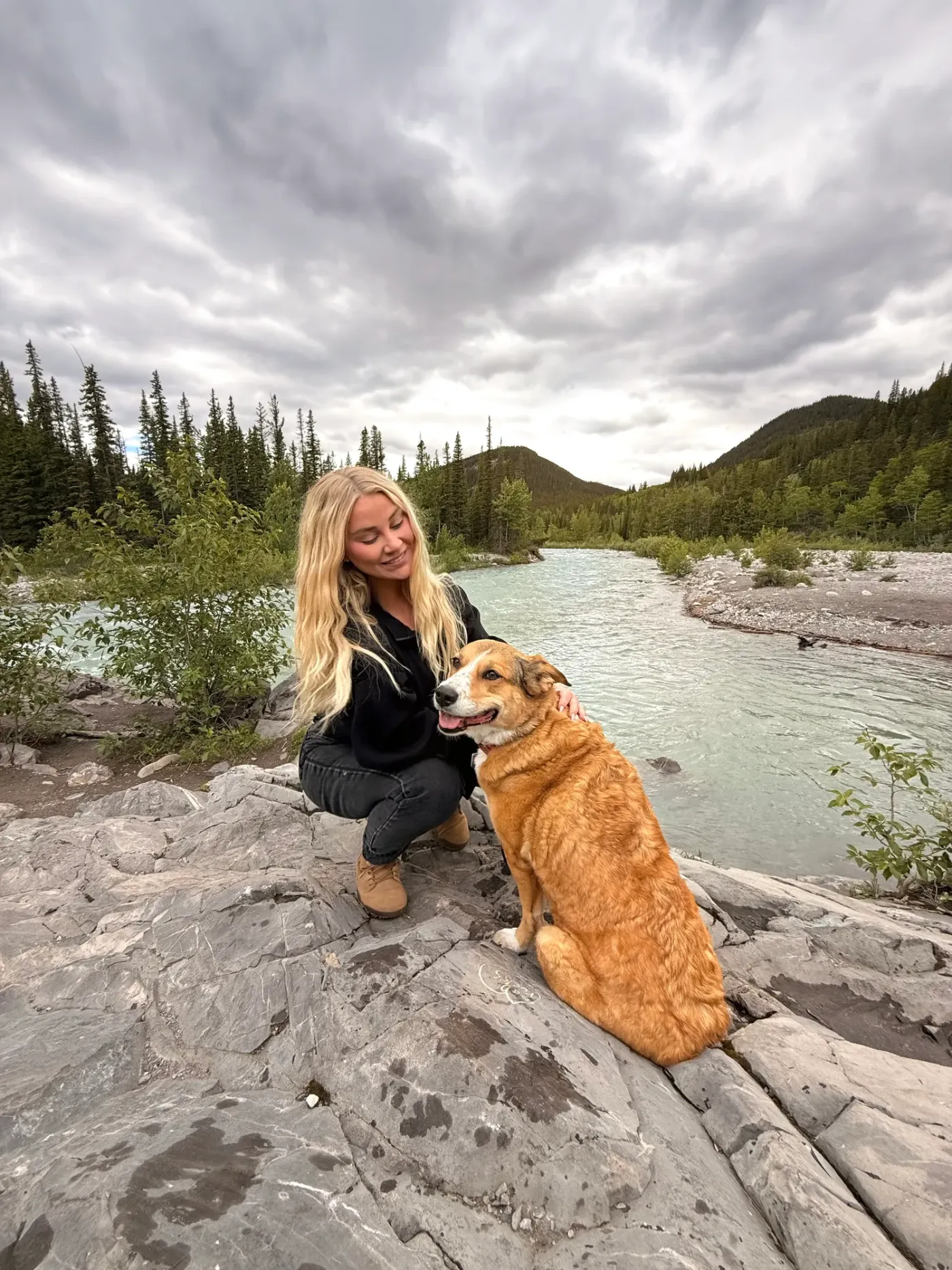
Real Northline dogs