
The method
How to stop a dog from peeing in the house
When a grown dog who knew the rules starts leaving puddles, the temptation is to assume spite. Dogs do not do spite. They do infections, hormones, stress, and habits that were never as solid as they looked. The order matters: vet, then diagnosis by pattern, then a reset that removes every chance to practise indoors while you rebuild the outdoor habit.
Last reviewed August 26, 2026
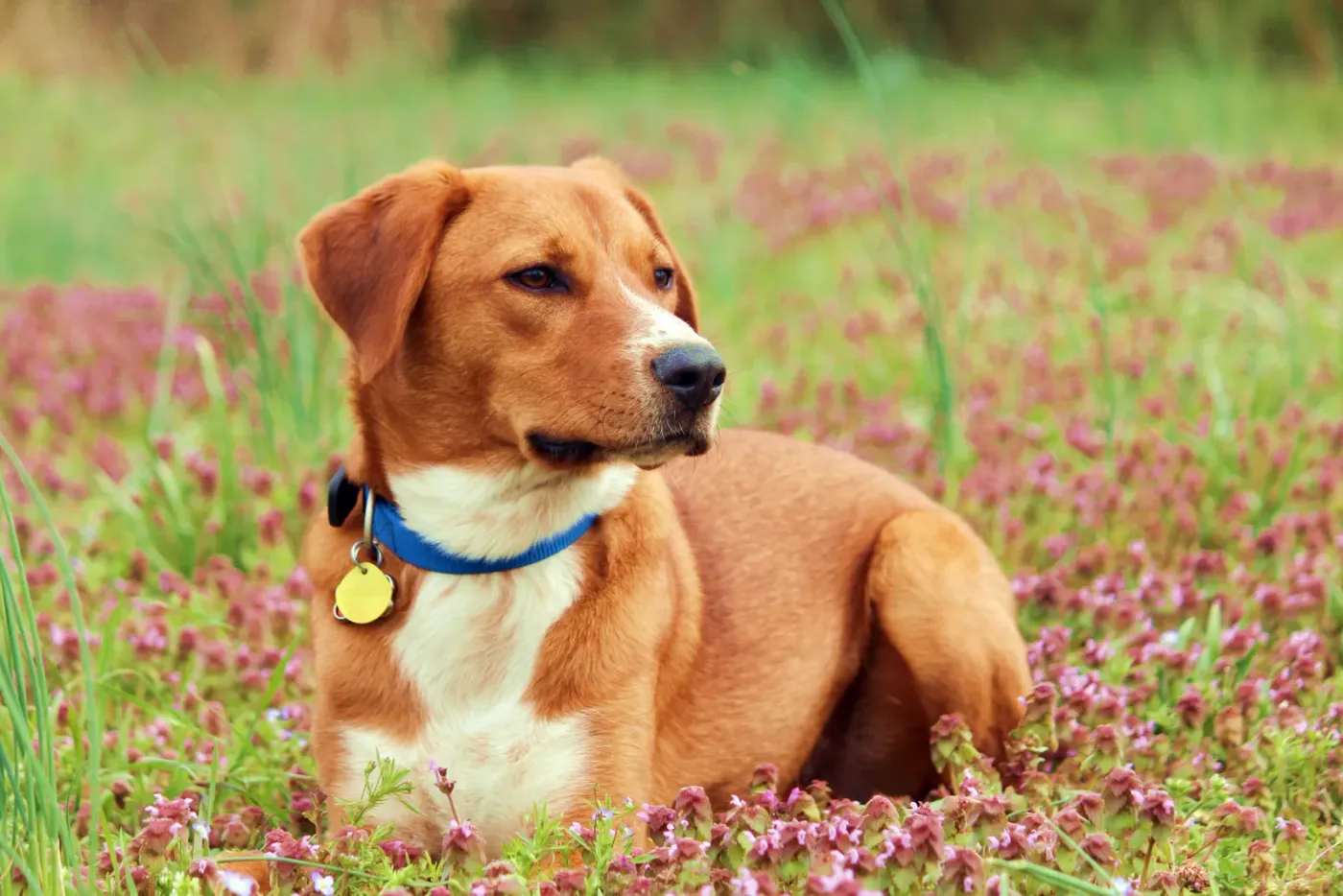
Vet, then pattern
Read the puddle before you change anything.
Book the vet before you book anything else. A urinary tract infection, crystals or, in older dogs, incontinence will produce accidents no training plan can touch. Bring a urine sample and a note of when and where it happens. If the vet clears the dog, read the evidence. Marking is a small volume on a chair leg, a bag left on the floor, or a new piece of furniture. House-training gaps are full bladders emptied on a rug, often near a door.
The reset is the same for every cause, and it is boring on purpose. Clean every spot with an enzyme cleaner, not vinegar or bleach, because leftover scent is an invitation. Put the dog on a leash attached to you or in a crate whenever you cannot watch it. Go out on a clock, every two hours to start, and pay outdoor pees with food the moment they finish. Anxiety-driven accidents get the same reset plus shorter absences and a calmer exit, not a lecture.
- Vet visit and urine sample
- Marking versus full-bladder puddles
- Enzyme clean on every spot
- Leash or crate when unsupervised
Winter and rescues
Snow, short days and the first weeks after adoption.
Winter regressions follow a predictable script. The yard fills with snow, the dog squats fast on the deck, you shorten the outing because it is dark and bitter, and the dog learns the warm hallway rug is easier. Shovel a pee path to bare ground and keep it clear. Go out with the dog, on a leash, every time, so you see the pee and can pay it. A coat on a short-haired dog is not indulgence; a shivering dog will not empty its bladder.
The rescue-dog version is mostly about the move. A new house smells of nobody, so a newly adopted dog often marks doorframes and bags in the first weeks to make it smell like home. Keep the leash on indoors, interrupt with a calm word the second a leg lifts, and walk straight outside. A belly band on a male marker protects the furniture while the habit fades; it is management, not training. Transition marking usually eases as the routine becomes predictable.
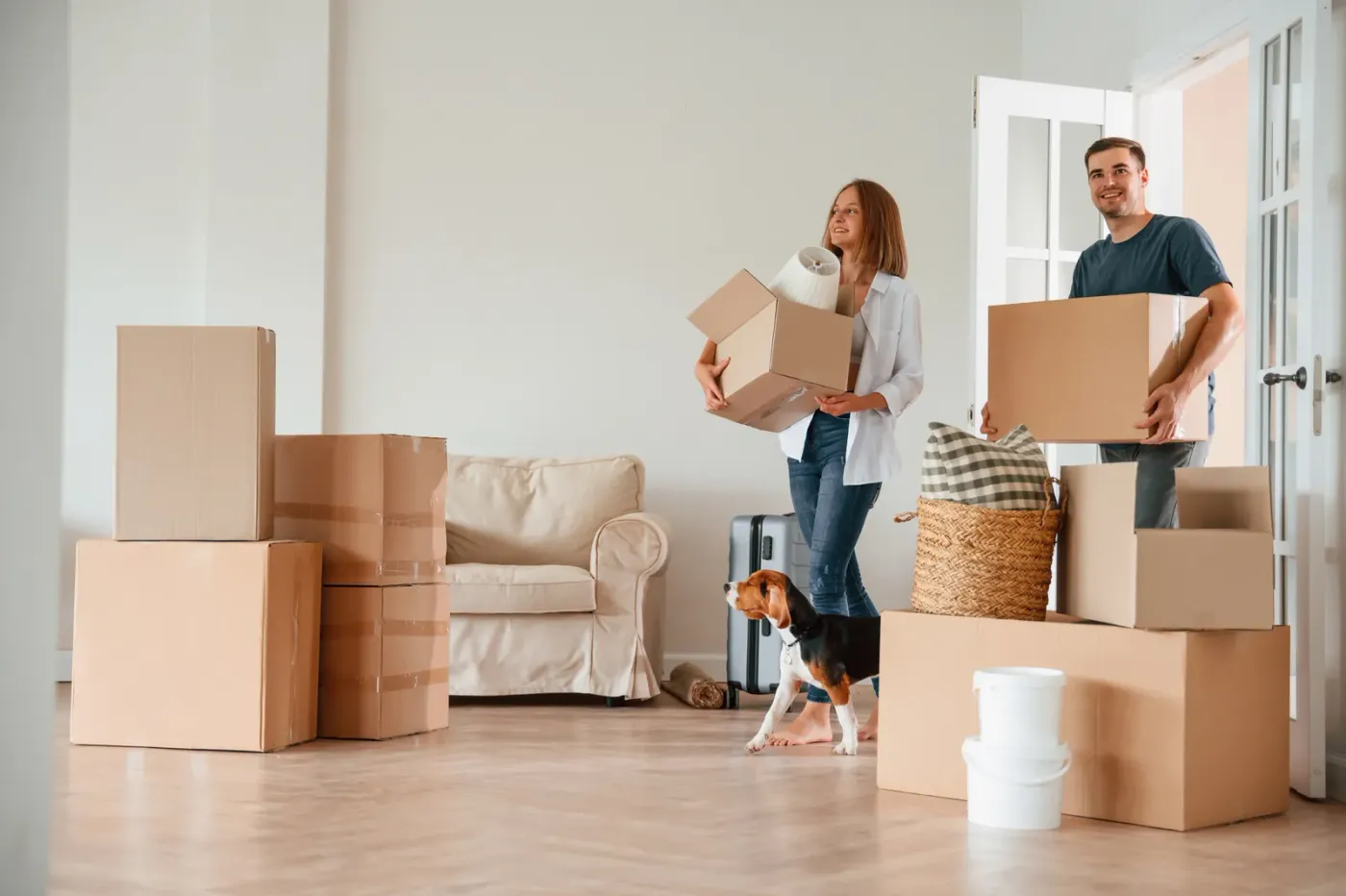
The programs
When the problem outlasts the guide.
Some behaviours need more repetitions than evenings allow. These formats deliver them.
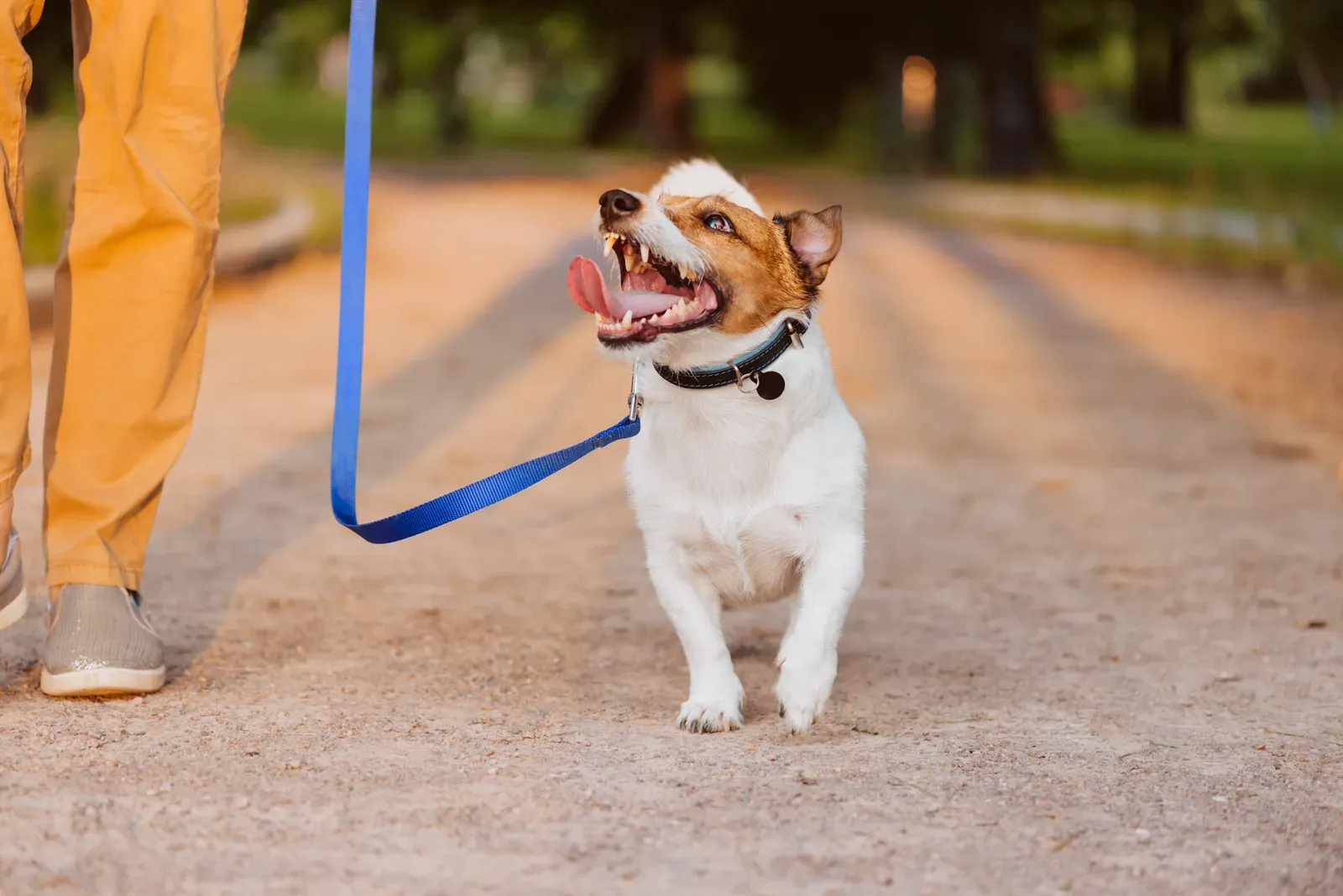
W · One-hour session
Private Training
One-on-one coaching with you on the other end of the leash.
Includes a written weekly plan to work from
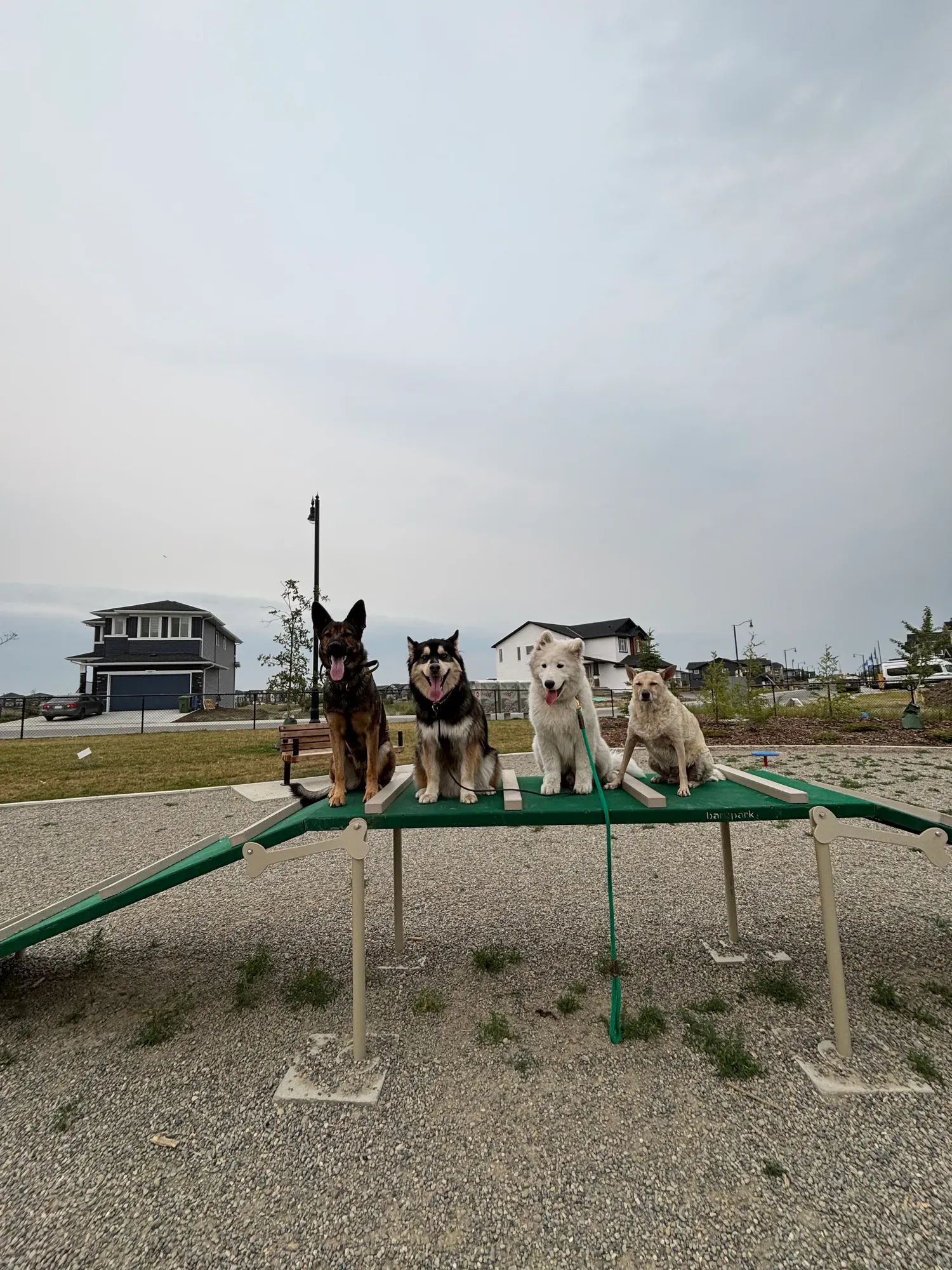
SW · Weekdays, drop-off 8–10 am · pick-up 5–7 pm
Day Training
Professional training all day, your couch at night.
Includes weekly one-hour go-home lesson, daily structure
Asked and answered
The questions people ask us.
How do I stop my dog from urinating in the house?
Start at the vet, because infections and bladder problems produce accidents no amount of training fixes. Once the dog is cleared, clean every spot with enzyme cleaner, keep the dog leashed or crated when unsupervised, and take it out on a fixed schedule, rewarding each outdoor pee with food.
How do I stop my dog from urinating everywhere?
Everywhere usually means the dog has too much freedom too soon. Close doors, block the basement and spare rooms, and shrink the dog's world to the room you are in. Freedom returns room by room, after a clean week in the last one.
How do I stop my dog from territorial peeing?
Territorial marking targets new smells: guests' shoes, a visiting dog's bed, a bag dropped by the door. Put those things out of reach, supervise the dog around them, and interrupt the leg lift with a calm word and a trip outside. Neutering may reduce the drive in intact males, but the habit still needs the reset.
How do I stop my dog from marking in the house?
Marking is a habit that fades when it stops being rehearsed. Enzyme-clean every marked spot, leash the dog indoors so you can catch the moment before it happens, and keep the dog away from its favourite targets until a clean week has passed. Anxious markers also need a calmer, more predictable routine.
Keep reading
Accidents with an anxious root
If indoor peeing only happens while you are out, anxiety may be driving it. Book a consultation to sort out which.
From real owners
Rated 5.0 on Google.
Real Northline dogs