The method
How to stop a dog from chewing paws and licking
A dog that works at its paws every evening is telling you something, and the honest answer is that a trainer is the wrong first call. Itchy skin, a split pad, a burr between the toes or the salt on a January sidewalk all produce the same licking as boredom does. Rule out the body first. Then, and only then, the behaviour work starts.
Last reviewed August 26, 2026
Vet before trainer
Check the paw before you blame the habit.
Start with a flashlight and a slow look at each foot: between the toes, the pads, the nail beds. Redness, a smell, a crack, or a nail split at the quick means a vet visit, not a training plan. Seasonal allergies can show up as pink, damp feet that get worse after a walk on grass. In winter, sidewalk salt and ice balls between the toes chap the skin, and the dog licks the sting, which makes it rawer. Rinse feet after every winter walk.
If the vet clears the feet and the licking continues, look at the day. A dog that licks in the evening or after a day alone is usually filling a gap. Boredom licking is lazy and rhythmic and stops when something better appears. Anxiety licking is harder to interrupt, comes with a stiff body or a tucked tail, and often starts after a specific change: a move, a new baby, a longer workday. Naming which one you have decides the plan.
- Inspect toes, pads and nails
- Vet first, trainer second
- Rinse feet after winter walks
- Boredom or anxiety, name it
Interrupt and redirect
Give the mouth a better job than the foot.
Simple method, hard consistency. The moment the tongue goes to the paw, say the dog's name in a normal voice, and when the head lifts, mark it and hand over something legal: a frozen stuffed toy, a bully stick, a scatter of kibble in the grass. No scolding, because a stressed dog licks more. Then remove the reason the gap existed. Sniff walks, a food puzzle at dinner, a few minutes of marker training, a place cue with a chew on it.
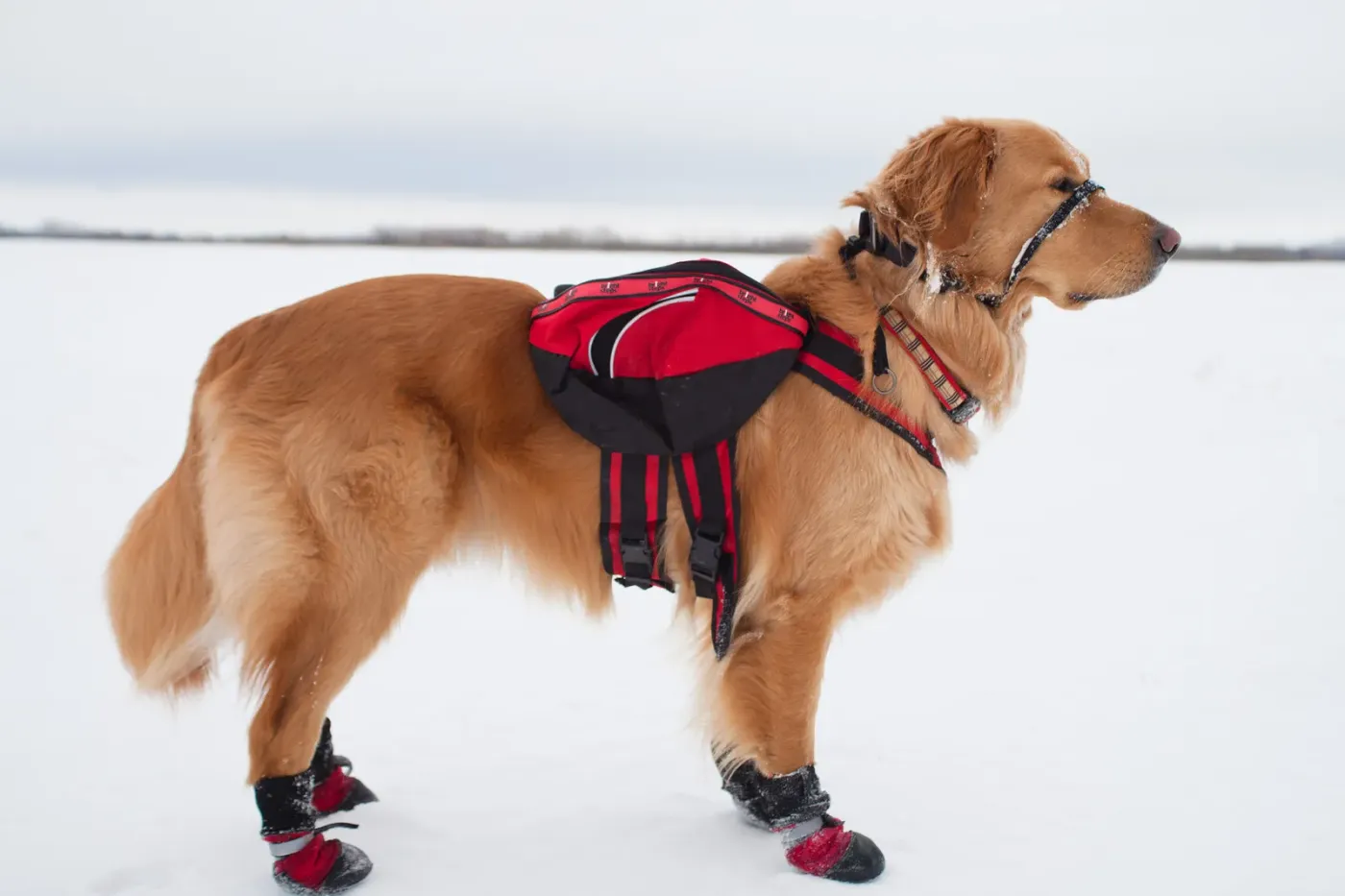
Calgary winters add a maintenance layer. Trim the fur between the pads so ice cannot ball up, put a wax balm on before walks and wipe it off after, or use boots if the dog tolerates them. Keep walks shorter on heavily salted days and stick to snow-covered paths where you can. A dog whose feet do not hurt has one less reason to lick. If the licking is anxious and constant despite all of it, that is a behaviour case worth an assessment.
The programs
When the problem outlasts the guide.
Some behaviours need more repetitions than evenings allow. These formats deliver them.
W · One-hour session
Private Training
One-on-one coaching with you on the other end of the leash.
Includes a written weekly plan to work from
SW · Weekdays, drop-off 8–10 am · pick-up 5–7 pm
Day Training
Professional training all day, your couch at night.
Includes weekly one-hour go-home lesson, daily structure
Asked and answered
The questions people ask us.
How to stop a dog chewing paws when the vet says nothing is wrong?
Then the mouth is bored or worried, and the fix is a job. Interrupt with the dog's name, mark the head lift, and swap in a frozen toy or a scatter feed. Add a sniff walk and a food puzzle daily so there is less empty time to fill.
How to stop our dog from licking his paws in winter?
Assume salt and ice first. Rinse and dry the feet after every walk, trim the fur between the pads, and use balm or boots on salted routes. If the licking stops on snow days and returns on slushy ones, the sidewalk is the culprit rather than the dog.
How to stop a dog from obsessive licking of paws and legs?
Obsessive, hard-to-interrupt licking that leaves wet fur or bald patches needs a vet to rule out pain and skin disease. If the body is clear, it is usually anxiety, and that calls for a structured plan rather than a distraction. Behaviour Rehab or Private Training with a written weekly plan is where we would start, depending on how far it has gone.
How to stop a dog from obsessively licking people?
Licking you is a different behaviour from licking paws and usually a bid for attention or a self-soothing habit. Stand up and walk away the instant it starts, then reward calm settling on a bed instead. If it escalates when you leave the room, it may be part of separation anxiety.
Keep reading
Paws checked, now the habit
Once the vet has cleared the feet, tell us when the licking happens. Book a consultation and we will build the plan.
From real owners
Rated 5.0 on Google.
Real Northline dogs