
The method
How to stop a dog from biting you
Teeth on skin from your own dog is unsettling, whether it is a seven-month-old shark who cannot settle or an adult who snapped when you reached for the collar. Those are not the same problem, and treating them the same is how people get hurt. This guide sorts out arousal, handling, guarding and pain, gives you what to do tonight, and explains how bite inhibition is actually taught.
Last reviewed August 26, 2026
Read the bite
Mouthing, guarding, handling and pain are different problems.
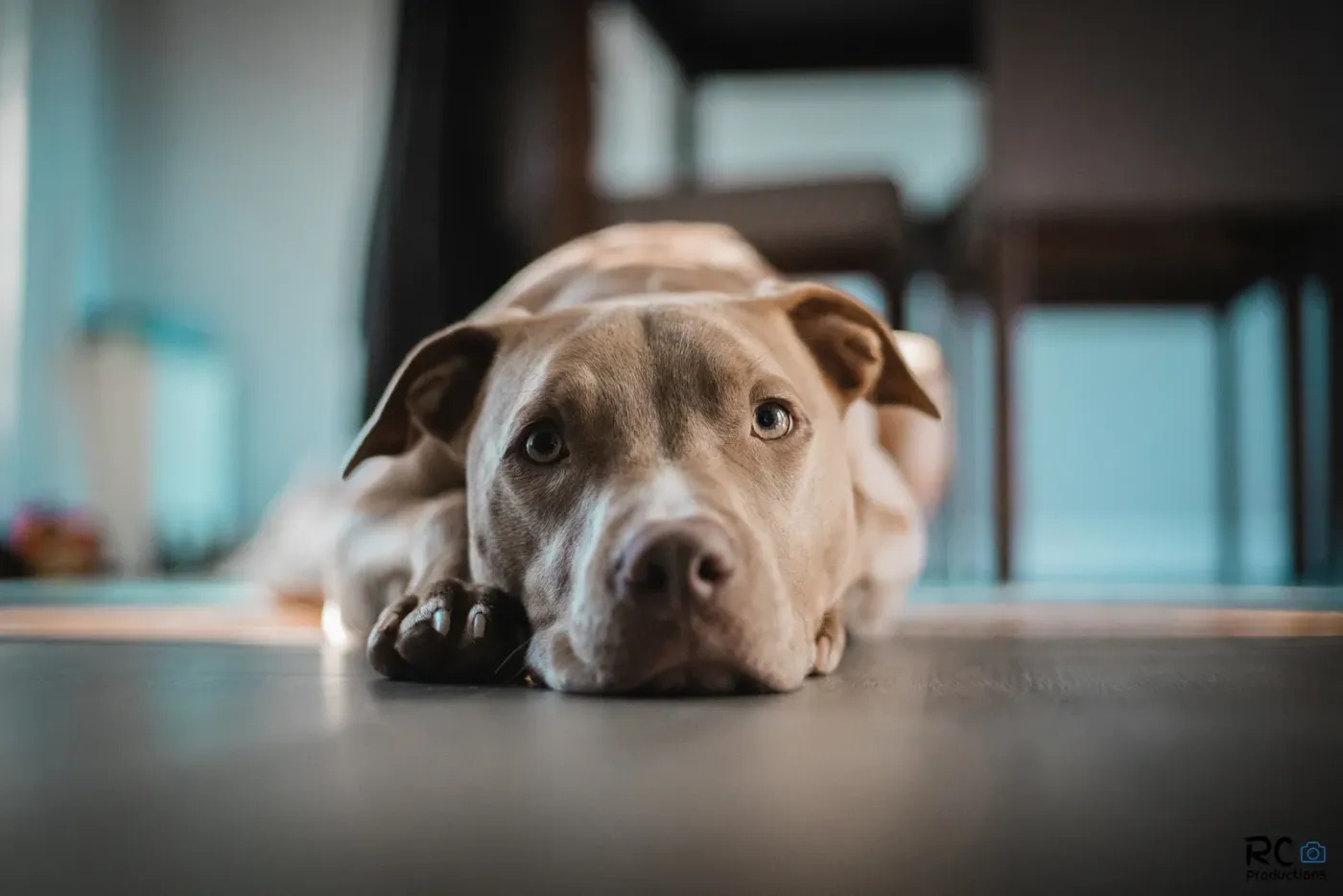
Mouthing is loose-jawed and bouncy, worse when the dog is overtired or wound up from play. Biting is different: a still body, a hard stare, a lip lift, then a fast and targeted snap. When it happens as you take something away, that is resource guarding. When it happens as you grab the collar, clip nails or lift the dog, it is a handling problem. When it is new and out of character, suspect pain and start with your vet, not a trainer.
Tonight's management depends on the type. For the mouthy dog: more sleep, a crate or pen for proper naps, a house leash so you can steer without grabbing, and a chew in hand before the zoomies start. For the guarder: stop taking things away, trade up for something better, and feed behind a closed door. For the handling biter: no nail trims or collar grabs until a plan is in place. For all of them, no wrestling games and no kids managing the dog alone.
- Loose and bouncy is mouthing
- Still and staring is biting
- New bites mean a vet check
- House leash, no collar grabs
The adolescent shark
A soft mouth is taught in stages, not with a yelp.
Bite inhibition is taught in two stages: the dog learns how much pressure is too much, then that teeth on skin ends everything good. During calm play, allow soft mouthing and go still and silent when it pinches, then resume seconds later. Once hard bites vanish, tighten the rule so any tooth contact pauses play. Mark and reward the dog choosing a toy over your wrist. Adolescents need every person in the house applying the same rule, or they learn that Grandpa is an exception.
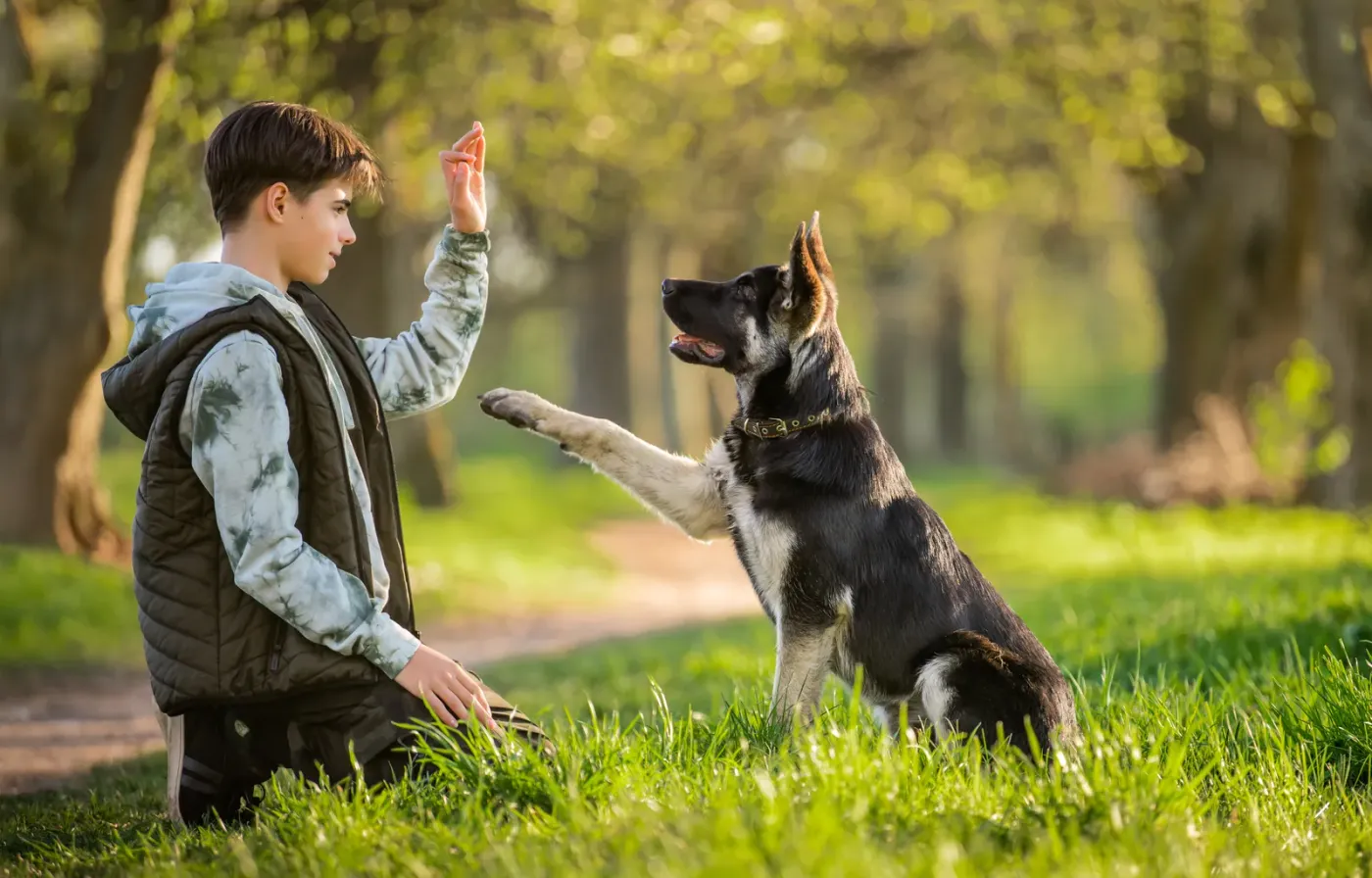
Call for help when the bites are not play. A dog who guards, bites over handling, or has broken skin more than once is not a bite inhibition project. That is a Behaviour Rehab assessment and, usually, a 5 to 6 week board and train. For the mouthy adolescent, under-slept, over-stimulated and untrained, Private Training at $150 per one-hour session with a written weekly plan is the first step, and Day Training at $650 per week adds weekday structure when the household cannot.
The programs
When the problem outlasts the guide.
Some behaviours need more repetitions than evenings allow. These formats deliver them.
W · One-hour session
Private Training
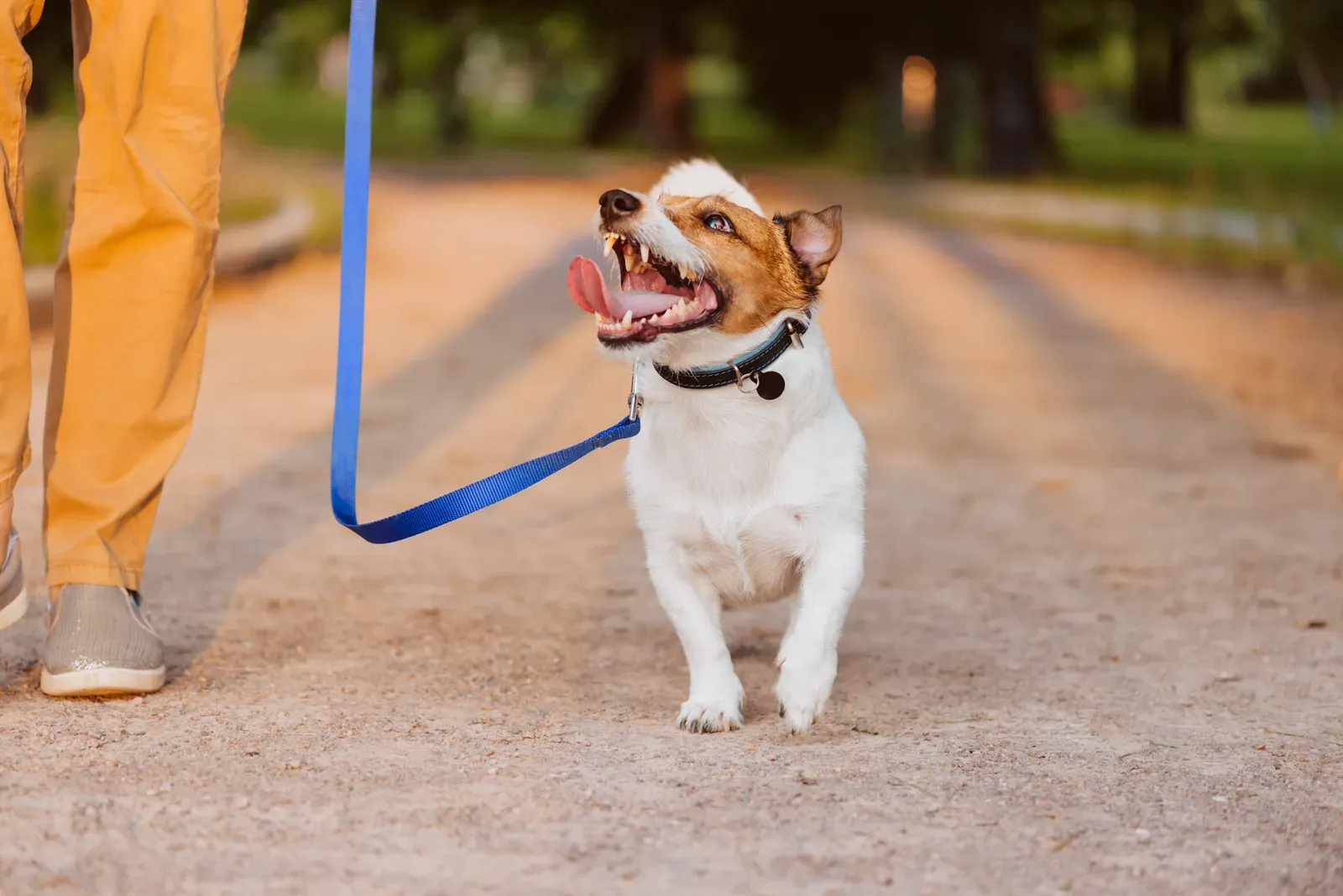
One-on-one coaching with you on the other end of the leash.
Includes a written weekly plan to work from
SW · Weekdays, drop-off 8–10 am · pick-up 5–7 pm
Day Training
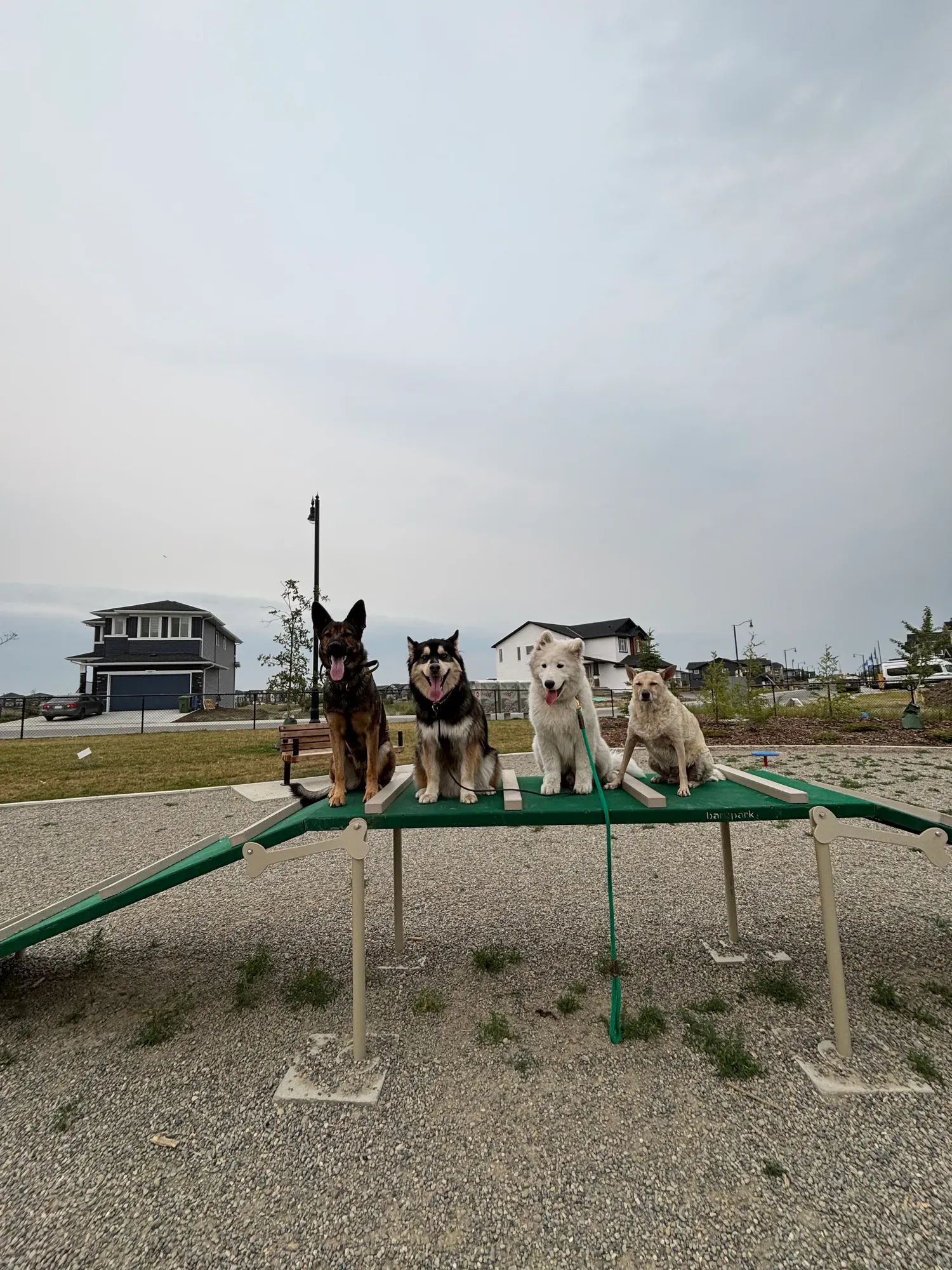
Professional training all day, your couch at night.
Includes weekly one-hour go-home lesson, daily structure
Asked and answered
The questions people ask us.
How do I stop my dog from biting when excited?
Excited biting is an arousal problem, so lower the arousal before you worry about the teeth. Shorter play sessions, a toy in the mouth before the excitement builds, and a nap in the crate when the eyes go wild do more than any correction. Then teach that teeth on skin ends the fun, every time.
How do I stop my dog from nipping at me?
Nipping at hands, sleeves and ankles usually comes from an under-exercised, under-slept adolescent who has learned that nipping gets a reaction. Go boring the instant it happens, redirect to a tug or a chew, and add structured rest to the day. A house leash lets you move the dog away without turning it into a chase game.
How do I teach a dog bite inhibition?
Start with pressure, not contact: let gentle mouthing happen in calm play and freeze when it pinches, then carry on a few seconds later. When the hard bites disappear, raise the bar so any tooth on skin pauses the game. Consistency across every person in the house is what makes it stick.
How do I teach a dog not to bite?
For a normal puppy or adolescent, the answer is bite inhibition plus management: sleep, structure, chews and a boring response to teeth. For a dog who bites over food, handling or being moved, the answer is a vet visit and a professional assessment, because that is aggression, not a mouthy habit. The two need very different plans.
Keep reading
Sort the mouthing from the biting.
Send us the story of when the teeth come out. We will say whether it needs a plan or a program. Book a consultation.
From real owners
Rated 5.0 on Google.
Real Northline dogs