
The method
How to stop a dog being aggressive to people
A dog who growls at the mail carrier, snaps at a child reaching in, or has bitten a visitor puts you in a hard place. You love the dog. You also cannot have a dog who hurts people. The way through is not a quick correction or a hope that it was a one-off. It is management now, assessment soon, and a program with enough time to change how the dog feels.
Last reviewed August 26, 2026
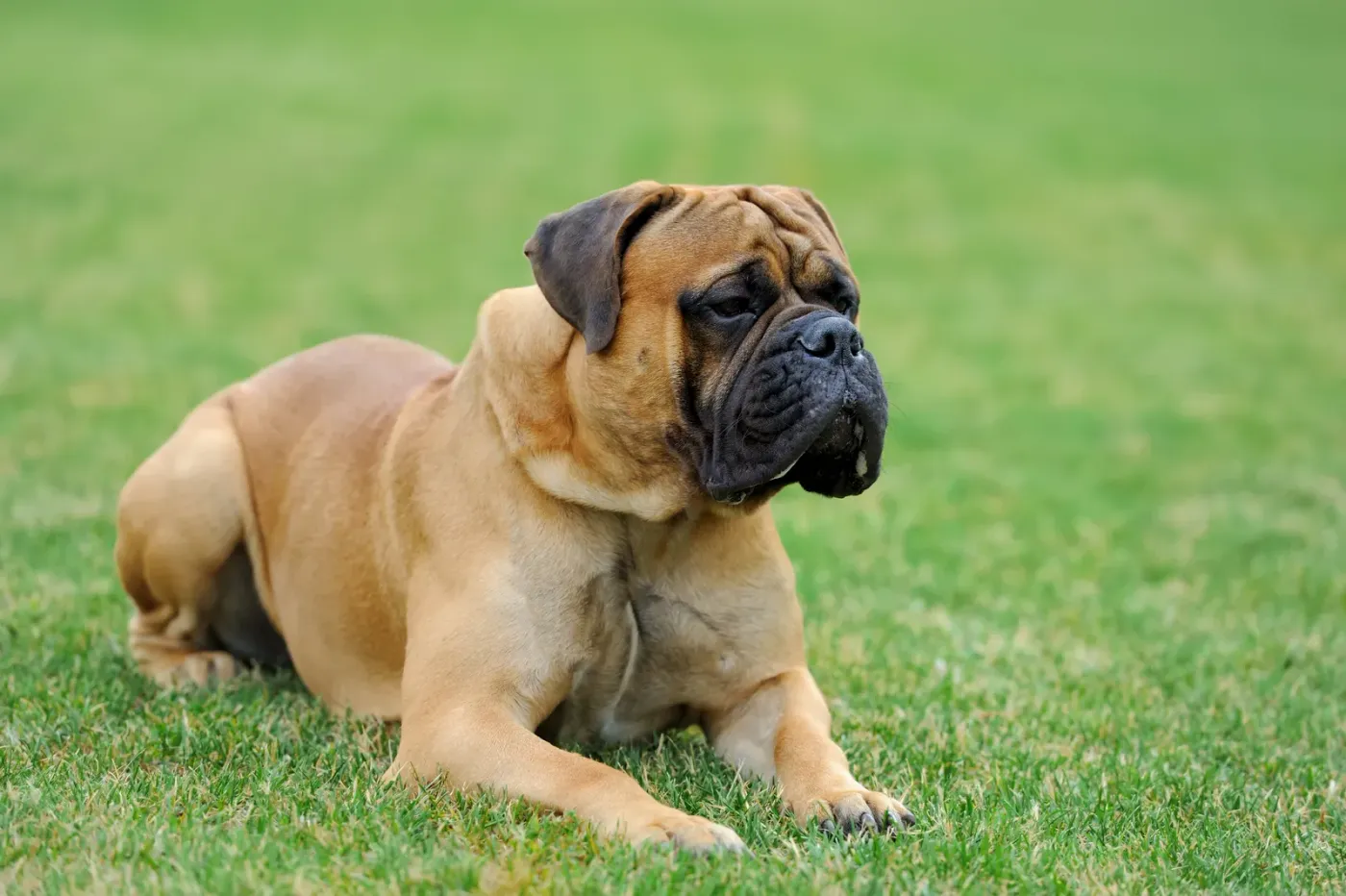
Nobody gets bitten
Protect people first, and protect the growl.
Management means the dog never gets the chance. Leash on before the door opens, crate or a closed room when children visit, no off-leash time anywhere a stranger might approach. Teach a basket muzzle slowly: peanut butter inside, seconds of wear, then minutes, then walks, until the muzzle predicts good things. A muzzled dog can still pant, drink and take treats. And never punish the growl. A growl is information, and a dog who learns to skip it bites without notice.
Then the cause. Fear: the dog wants the person gone and has learned that teeth work. Guarding: a resource is at stake, food, a bed, a couch, sometimes one family member. Pain: illness or injury can turn a tolerant dog snappy in a week, so a vet visit comes before any training plan. Whatever the mix, aggression toward people is professional territory. The cost of a wrong guess is a bite, and bites on people carry consequences a dog cannot undo.
- Leash on before the door
- Basket muzzle, taught slowly
- Never punish a growl
- Rule out pain with a vet
Inside the program
How rehabilitation works, and where your job begins.
Behaviour Rehab runs 5 to 6 weeks as a board and train, $4,850 to $5,760 plus GST, planned after a full assessment. The weeks go into a routine the dog can predict, then place, a solid down and calm greetings built with markers and rewards, then careful proofing around new people. Tools are chosen for the dog in front of us, slip lead, prong collar or Educator e-collar, and each is taught before it is used. You receive updates, a handover lesson and two follow-ups.
Then it becomes yours to keep. The handover lesson and deep owner education are where the program sticks or slides, because the dog comes home to the same doorbell, couch and visitors. You keep the routine. You keep the leash on for greetings until you have seen many boring ones. You keep the muzzle in rotation so it never becomes a signal that something is wrong. Aggression toward people is managed for life; a good program turns that from a crisis into a habit.
The programs
When the problem outlasts the guide.
Some behaviours need more repetitions than evenings allow. These formats deliver them.
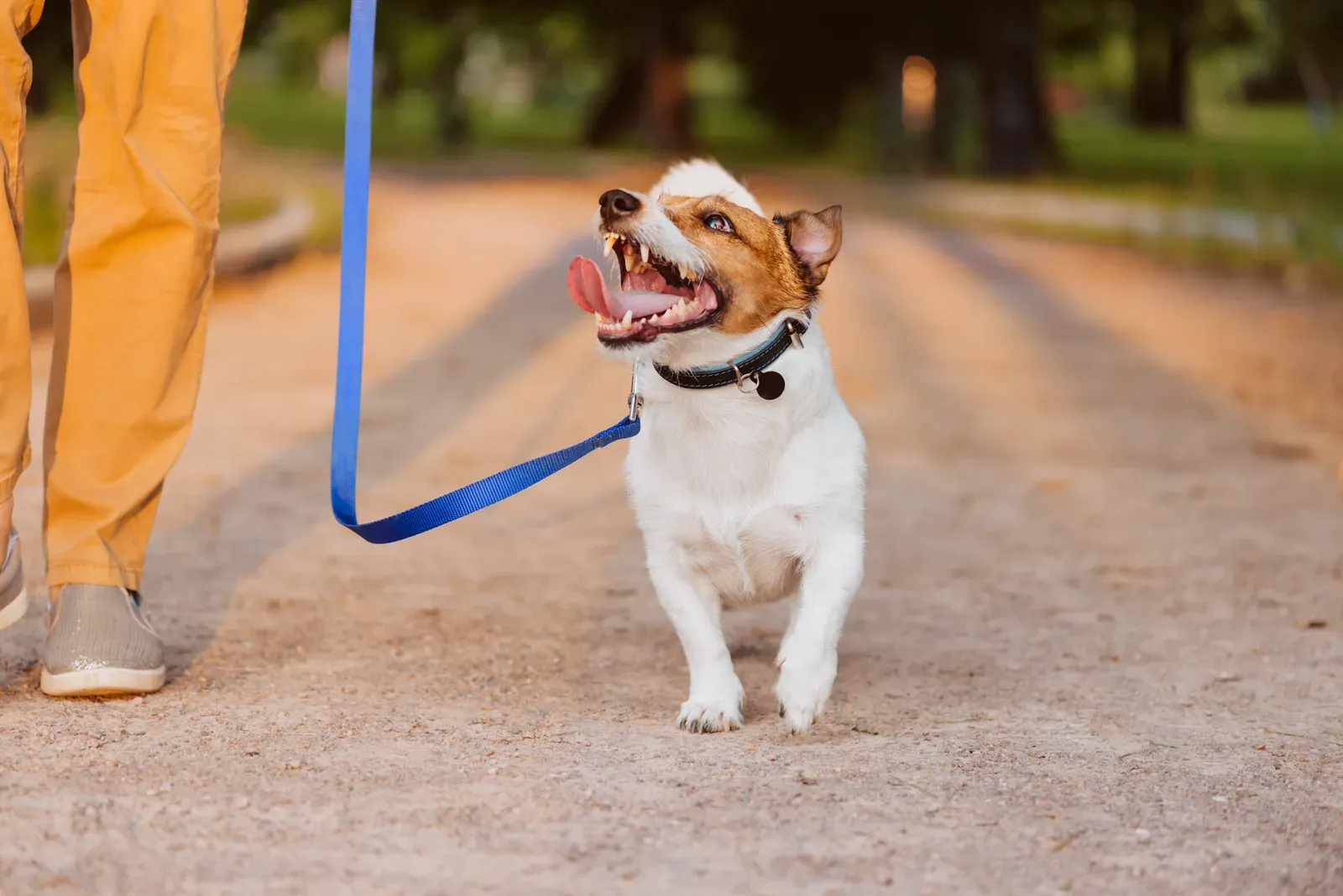
W · One-hour session
Private Training
One-on-one coaching with you on the other end of the leash.
Includes a written weekly plan to work from
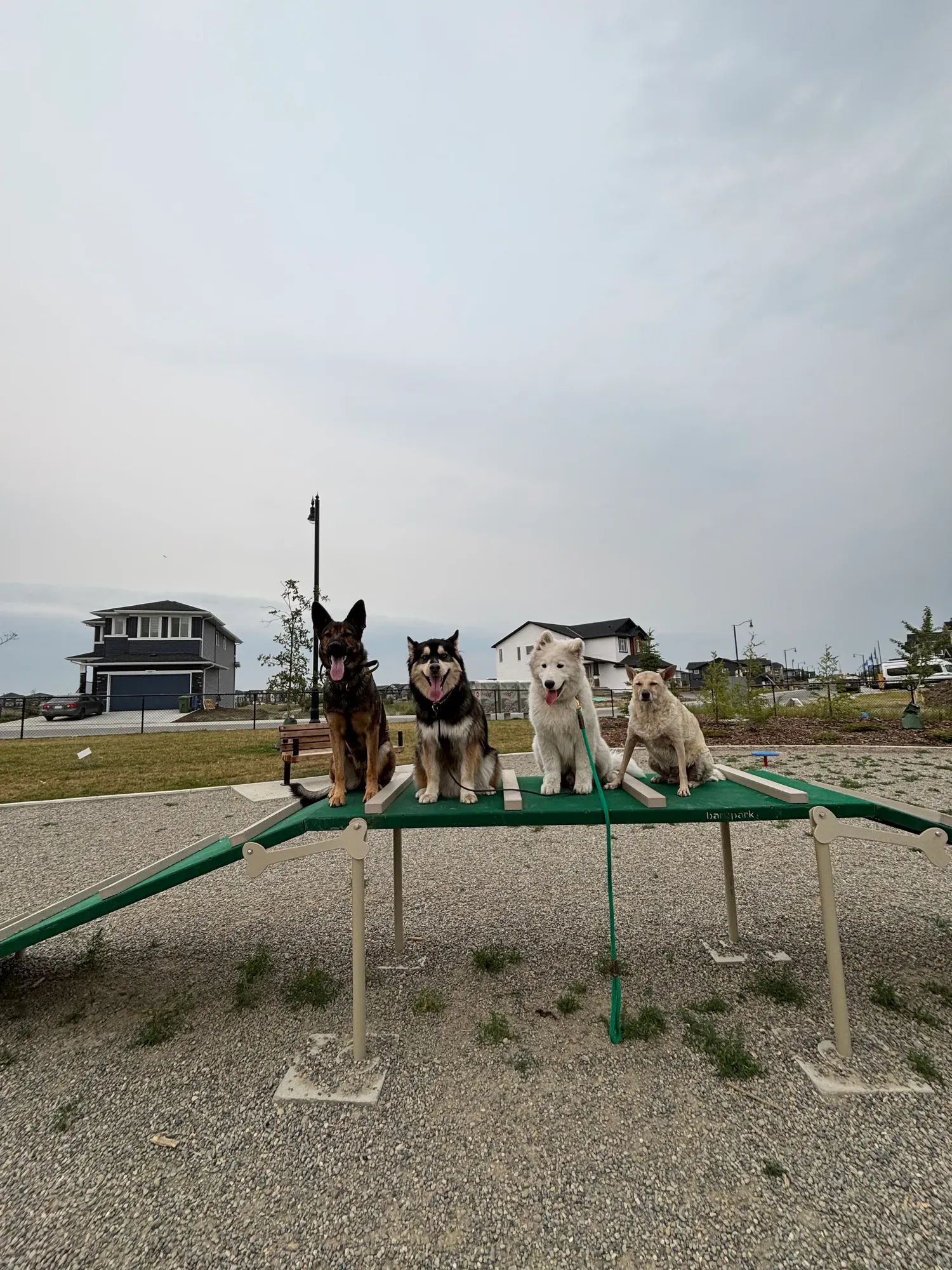
SW · Weekdays, drop-off 8–10 am · pick-up 5–7 pm
Day Training
Professional training all day, your couch at night.
Includes weekly one-hour go-home lesson, daily structure
Asked and answered
The questions people ask us.
How do I get my dog to not be aggressive towards strangers?
Stop the practice first: leash before the door, distance from strangers on walks, and a basket muzzle your dog has been taught to enjoy. Then change what strangers predict, starting far enough away that your dog can eat and think. If there has been a bite or a near miss, book an assessment rather than experimenting alone.
How do I stop my dog from attacking me?
Stop handling the situations that trigger it right now, whether that is taking a bone, moving the dog off furniture or grabbing a collar, and see a vet to rule out pain. Owner-directed aggression is not something to troubleshoot from a search result. A professional assessment will find the pattern and give you a plan that does not put your hands at risk.
How do I stop my dog from lunging at people?
A dog who lunges at people needs more space and a handler who moves first. Cross early, reward the glance at a passer-by, and keep the leash short enough that a lunge cannot reach anyone. A silent, forward lunge is not excitement; take it seriously and book an assessment.
How do I stop my dog from growling at people?
Take the growl seriously and be glad you got it. Move the person or the dog so the pressure drops, and note exactly what set it off: reaching, hugging, approaching food, a hat, a limp. The fix is changing how your dog feels about that trigger, and the growl is the map showing where to start.
Keep reading
Get a proper assessment.
Tell us who your dog goes after and what happens first. We will give you a straight answer about rehab. Book a consultation.
From real owners
Rated 5.0 on Google.
Real Northline dogs