
Adventure dogs
Hot days, cold days and trail dogs
Alberta trail weather can swing thirty degrees across a season, and the same dog hikes through all of it. The heat problems and the cold problems look different, but the fix is the same shape: notice early, manage first, and bring a dog who already accepts the gear and the routine. A boot fitted for the first time at a frozen trailhead is not a plan.
Last reviewed October 4, 2026
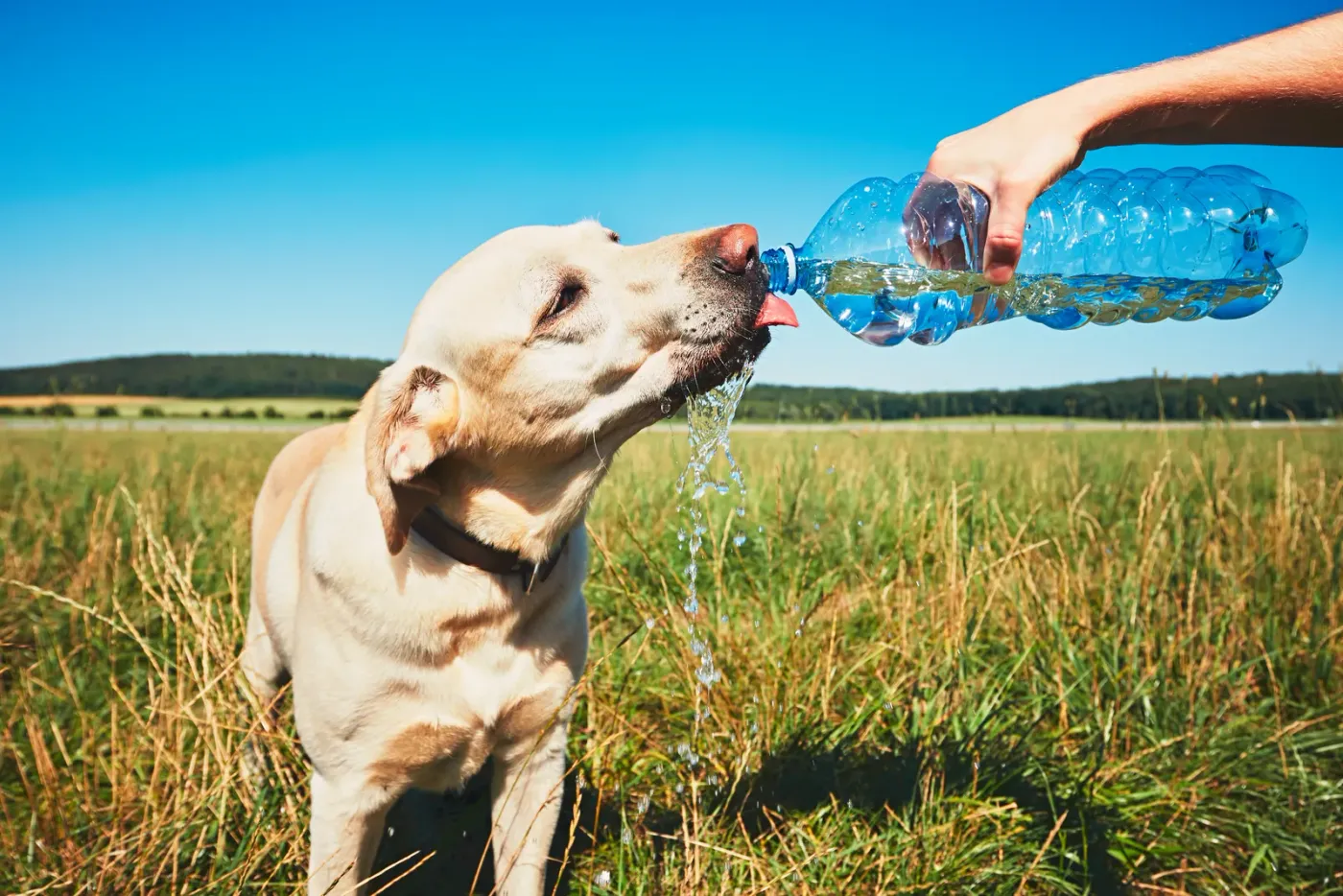
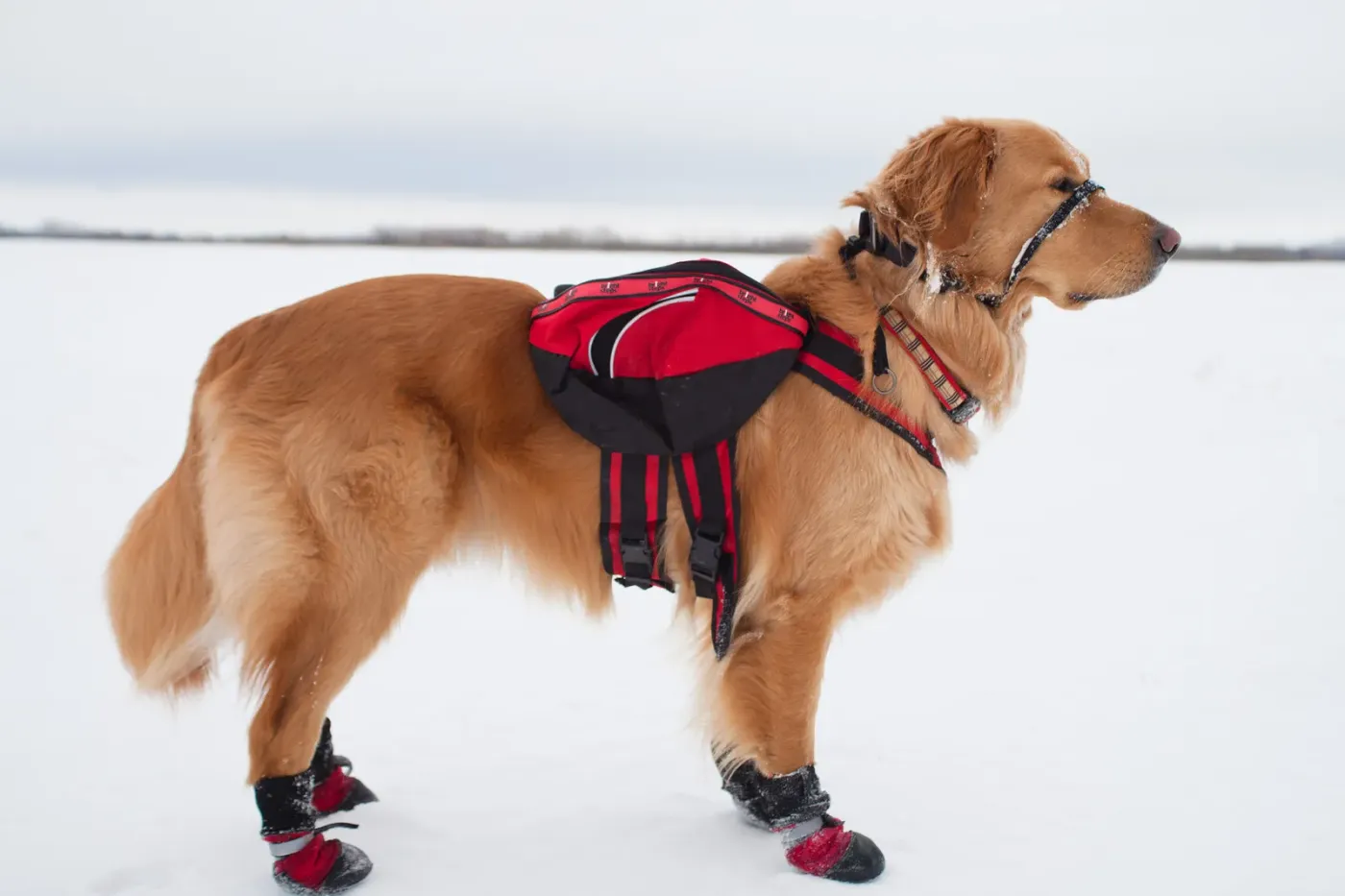
Heat and cold
The parking lot is hotter than the trail, and the ridge is colder.
Heat starts in the parking lot. Pavement holds the sun after the air feels fine, so press the back of your hand to it; if you cannot keep it there comfortably, the dog's pads cannot either. Dark coats soak up sun on exposed climbs, and water has to be carried and poured, not promised. Cold flips the list: ice cuts pads, snow packs between toes, and wind on an open ridge strips heat from a wet or short-coated dog faster than the thermometer suggests.
None of the gear works on a dog who has never worn it. Introduce boots at home: one boot, a marker and a reward, off again, in short sessions before the dog walks in them, then the coat the same way. Teach a drink cue by saying the word as you pour and marking when the dog drinks, so the dog drinks when offered rather than when desperate. Teach place in shade at rest stops, so the dog cools down instead of pacing.
- Back-of-hand test on pavement
- Boots and coat conditioned at home
- Water carried and poured
- Turnaround point chosen beforehand
Vet signs and planning
What a vet call looks like, and how to build the day around the dog.
Some signs mean rest; some mean a vet, now. In heat: panting that keeps climbing after you have stopped, thick drool, stumbling, vomiting, or a dog who will not get up. Get into shade, offer water and call a vet while you head for the car. In cold: shivering that does not stop once the dog is moving, a refusal to walk, or bleeding pads. Same urgency: warm the dog, head for the car, call ahead. Do not wait to see if it passes.
Planning around the dog means planning around the clock and the forecast. In summer, start at first light, choose routes with tree cover, and be back at the car before the afternoon heat. In winter, hike the warm part of the day, keep the dog moving at stops, and carry a dry towel for the ride home. Either season, the distance is set by the dog's weakest hour, not its best. If the plan fails that test, change the plan, not the dog.
Asked and answered
The questions people ask us.
Is hiking with a dog in the heat safe?
It can be, with an early start, shade, carried water and a route that avoids long exposed climbs. Test the pavement with the back of your hand before you set out, and watch panting at each stop. If it is not settling, the hike is over.
How cold is too cold for hiking with a dog?
There is no single number, because wind, wet and coat type matter more than the thermometer. A short-coated dog in a ridge wind is in trouble well before a double-coated dog in still air. Boots, a coat and a planned turnaround are the honest answer.
What does trail dog weather safety come down to?
Three habits: check conditions at the dog's level, not yours, so pavement and wind count; carry gear the dog has already been trained to wear; and decide the turnaround before the first step. Everything else is detail.
How do you get a dog to accept boots and a coat?
At home, in short sessions, with a marker and a reward: one boot on for a second, mark, reward, off, and build toward walking indoors before any trail. Private Training at $150 + GST per one-hour session can turn that into a written plan for your home. Never let the trailhead be the first place the boots go on.
Keep reading
Gear the dog already wears
Book a consultation and we will plan the boot, coat, drink and settle training your trail dog needs for both seasons.
From real owners
Rated 5.0 on Google.
Real Northline dogs