
Households
Blending two households with dogs
Moving in together is one thing. Moving two adult dogs in together is another, because each one arrives with a rulebook from another home. One dog sleeps on the bed, the other is not allowed upstairs. One eats in the kitchen, the other guards a bowl. Neither dog agreed to any of this. The work is settling on one set of cues and routines before the move, then letting the pair grow into them slowly.
Last reviewed September 25, 2026
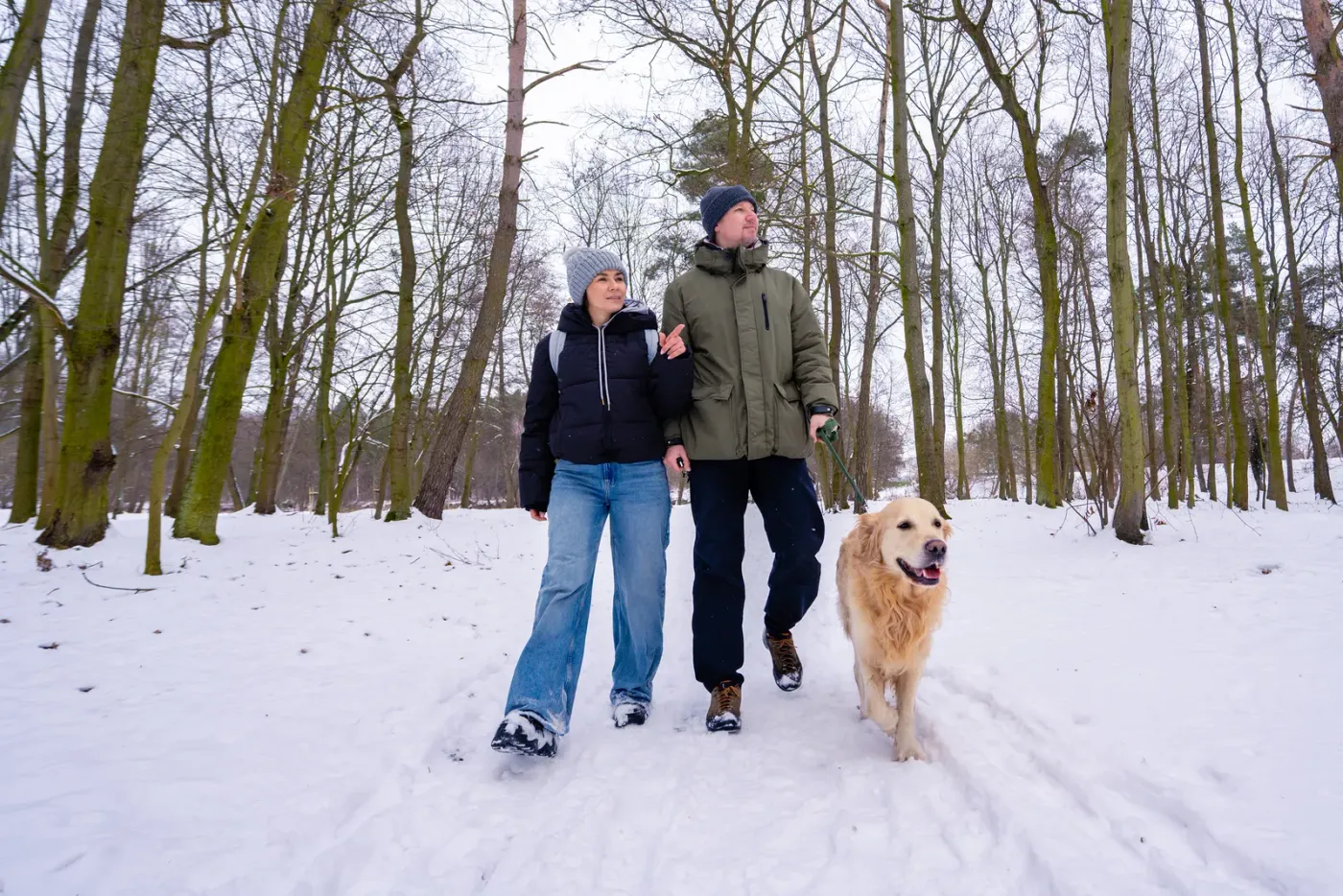
Before the move
The cues and routines get agreed before the boxes arrive.
We recommend starting at the kitchen table, weeks before the lease overlaps. Both people list what each dog knows and the exact words used: one dog may sit to 'sit' and the other to 'park it'. We recommend agreeing on one word per behaviour and one set of house rules that both dogs can realistically live with: furniture, beds, doors, where each dog eats and sleeps, and whether toys stay out. The rules that hold are the ones both people will actually enforce.
Moving day is its own event. Whichever home becomes the shared one, the resident dog has often treated it as its own space, and the arriving dog lands among boxes, strangers and furniture that smells of another dog. We recommend a closed room or crate for each dog while the movers are in and out, one handler per dog for every walk and doorway that day, and the first shared time on a walk rather than in a hallway with the front door open.
- One word per behaviour
- Rules both dogs can live with
- Closed room each on moving day
- One handler per dog
When it gets hard
When the dogs clash, and where a written plan helps.
Some pairs do not get along, and that is nobody's failure. In a merged home the flashpoints are often specific: the bed, one person's lap, the couch corner, the food bowl. Those resources get removed or scheduled, the dogs are never left loose together, and nobody forces the two to work it out. We never punish a growl; it is the warning worth keeping. After a fight with contact, we recommend a professional assessment before trying anything else.
Then there is the handling. Two people who trained two dogs in two ways will each have habits, and neither set is wrong; the dogs just need the same words and the same answers at doors, on greetings and around food. Private Training, $150 plus GST per one-hour session, is one-on-one and ends with a written weekly plan, which makes a useful reference for the cues and routines both people have agreed on. If one dog needs more than coaching, we say so.
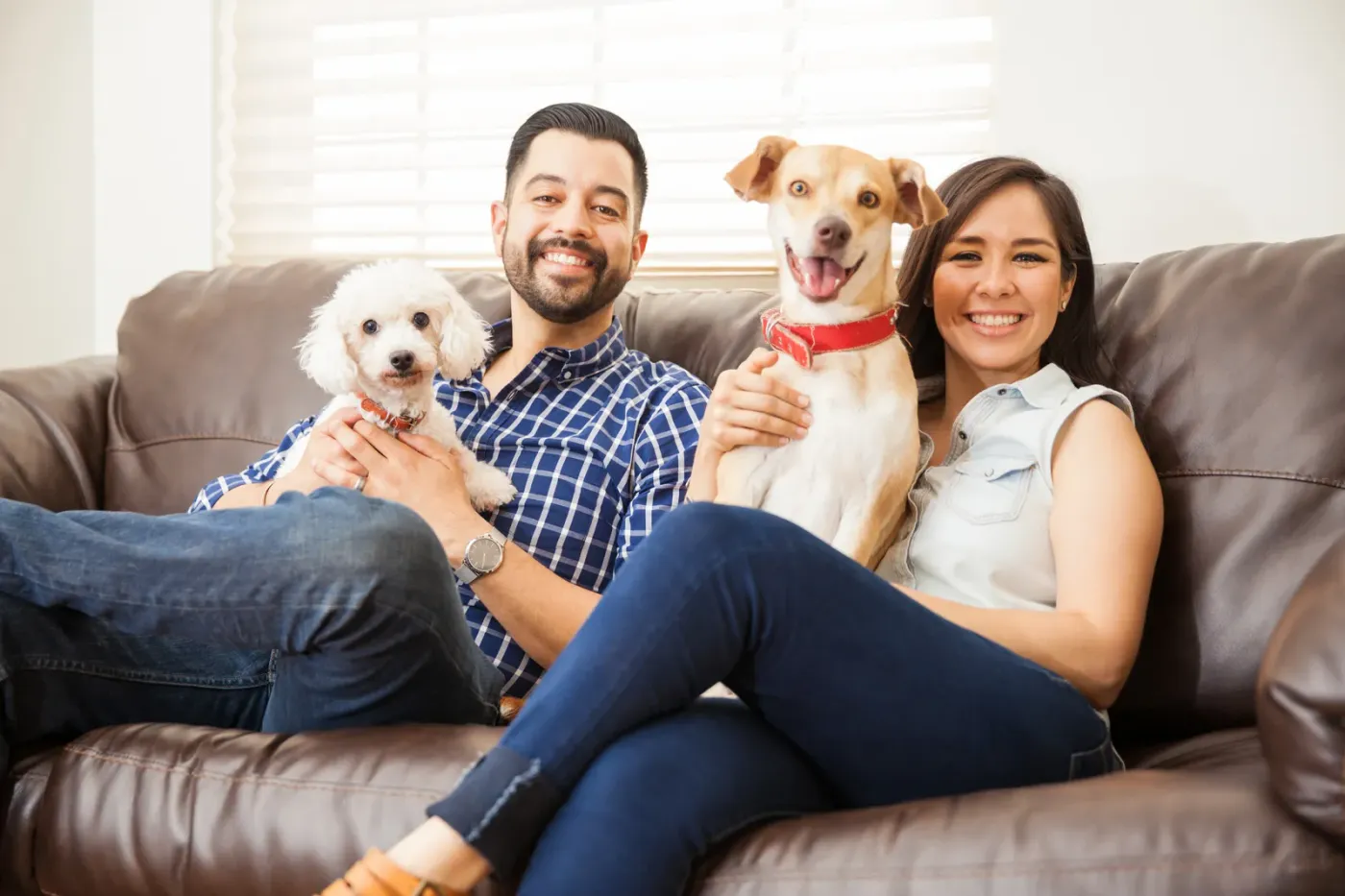
Asked and answered
The questions people ask us.
How do I introduce my dog to my partner's dog?
We recommend the first meetings happen on walks, one handler per dog, with enough distance that neither dog is fixated, and repeated until walking together is dull. Shared time indoors comes after that, on leash at first, and ideally somewhere neither dog has lived. The first face-to-face meeting should be the least interesting part of the day.
What is the best way to move in together with two dogs?
We recommend agreeing the cue words, feeding arrangements and sleeping rules before the move, choosing rules both dogs can realistically live with rather than defaulting to whichever home was stricter. On moving day, a closed room for each dog and one handler per dog, then shared time added in short stretches as each dog shows it is comfortable.
Two dogs from different homes are fighting. What now?
We recommend separating them fully, removing the things they fight over, and stopping any attempt to make it work in the moment. A fight with contact, or a dog living in fear of the other, calls for a professional assessment. Behaviour Rehab is built for the growlers and lungers and is customized after a full assessment; the consultation is where we recommend it, or something smaller if that is enough.
Can training help when we are blending families with dogs and disagree on rules?
Yes. Private Training is a one-hour, one-on-one session at $150 plus GST that ends with a written weekly plan built around your home, and that plan gives both people the same reference for cues, door routines and greetings. Whoever attends brings the plan home, and the agreed words go on the fridge for everyone.
Should both dogs sleep in the same room after we move in together?
We recommend deciding before the move and starting with whatever keeps both dogs settled, which often means separate sleeping spots at first, especially if one dog has always had the bed and the other has never been upstairs. Sharing a room can come later if both dogs are relaxed around each other, and some pairs are simply happier apart at night.
Keep reading
One home, one rulebook.
Book a consultation, tell us about both dogs and both histories, and we will say what actually needs doing.
From real owners
Rated 5.0 on Google.
Real Northline dogs