
Life stages
How to add a second dog to your household
A second dog doubles the fur, not the work: done badly, it triples it. The difference lies in three decisions made before anyone comes home: which dog you choose, how the first meeting runs, and whether each dog still gets trained as an individual. Here is how we walk families through all three.
Last reviewed August 26, 2026
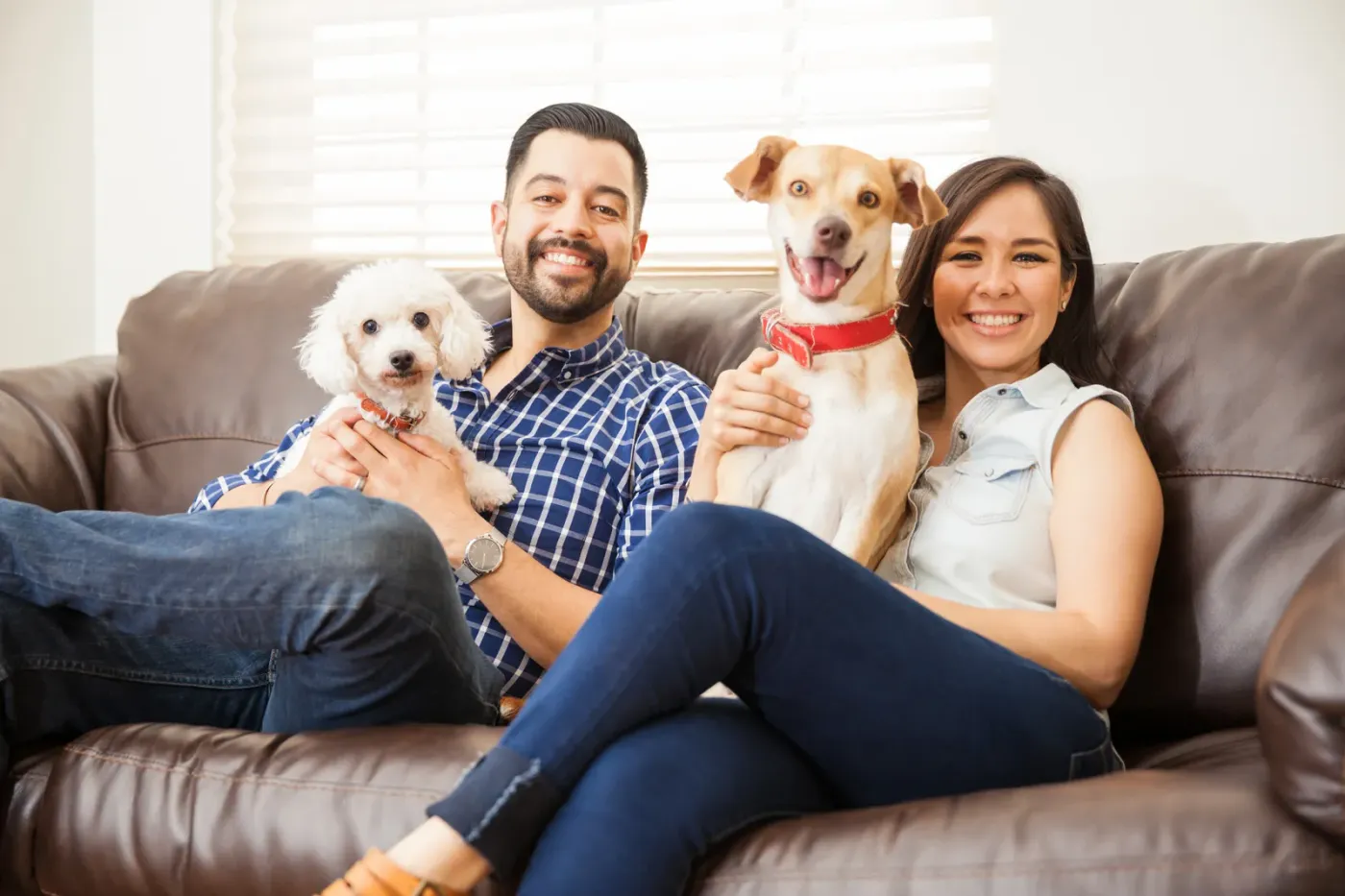
Choosing well
Let your first dog cast the deciding vote.
Start with the dog you have. A pushy adolescent does not need a littermate-aged playmate to wind up; a soft, worried dog does not need a bulldozer. Opposite-sex pairs tend to settle in with less friction, and an age gap of two years or more means the resident dog is mature before puppy chaos arrives. Meet candidates on neutral ground, and take your own dog's reaction seriously. Repeated stiffness or avoidance is an answer.
Run the first real introduction as a parallel walk: two handlers, two leashes, same direction, ten feet apart, closing the gap as both dogs stay loose. Sniffing happens on the move, not in a face-to-face standoff. At home, the new dog drags a leash for the first days, food bowls live in separate rooms, and prized toys disappear entirely until you know how both dogs feel about sharing. Crates give everyone a door to close.
- Opposite sexes usually easier
- Parallel walk before home
- Separate bowls, separate rooms
- Train each dog alone
Harder pairings
Reactive or senior residents change the order of operations.
If your resident dog is reactive, fix that first. A new dog does not dilute reactivity; it learns from it, and you end up handling two sets of big feelings on one sidewalk. We address established reactivity through Behaviour Rehab, a 5 to 6 week board and train built after a full assessment, at $4,850 to $5,760 plus GST. Adding the second dog after rehab, with the skills rehearsed, is a different experience entirely.
A senior resident needs protection more than preparation. Give the older dog rooms and resting spots the youngster cannot reach, enforce puppy nap times so pestering has a ceiling, and never let the new dog take over the old one's bed or bowl. Training the newcomer separately keeps the balance: our Day Training runs $650 per week with a weekly go-home lesson, which gives a senior quiet weekdays while the young dog learns manners.
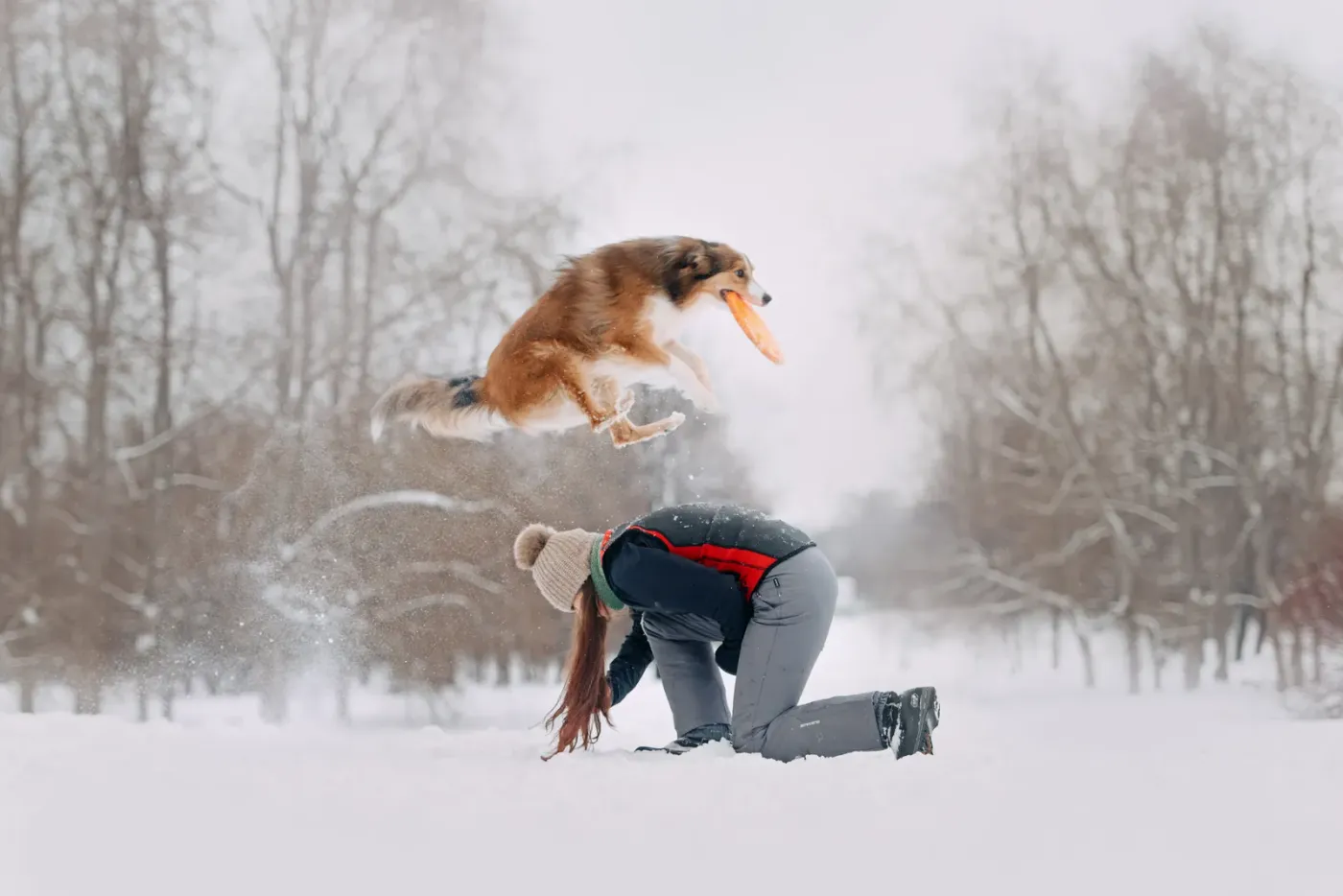
The programs
Help for this chapter.
Life changes are when dogs need structure most. These formats provide it without upending the household.
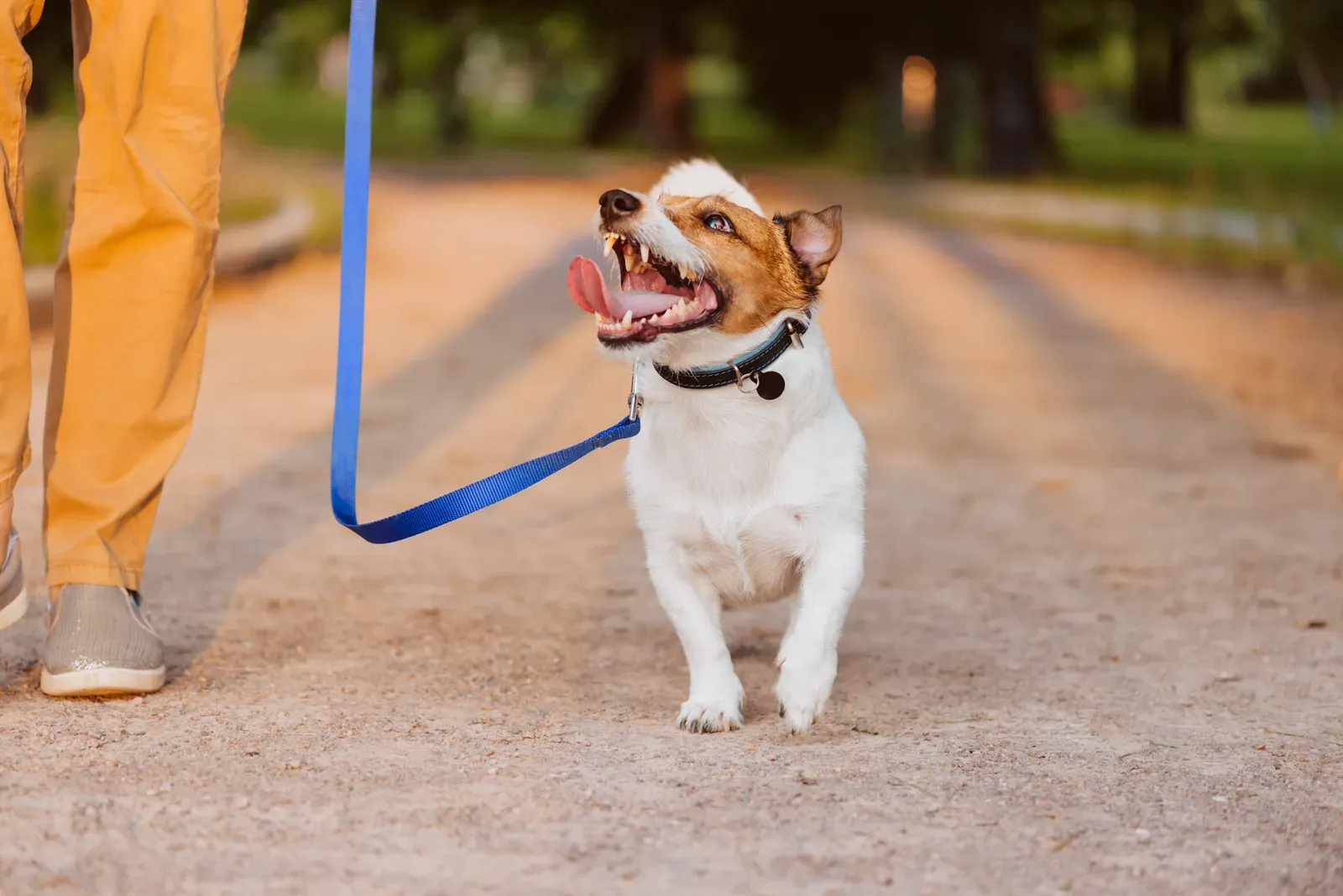
W · One-hour session
Private Training
One-on-one coaching with you on the other end of the leash.
Includes a written weekly plan to work from
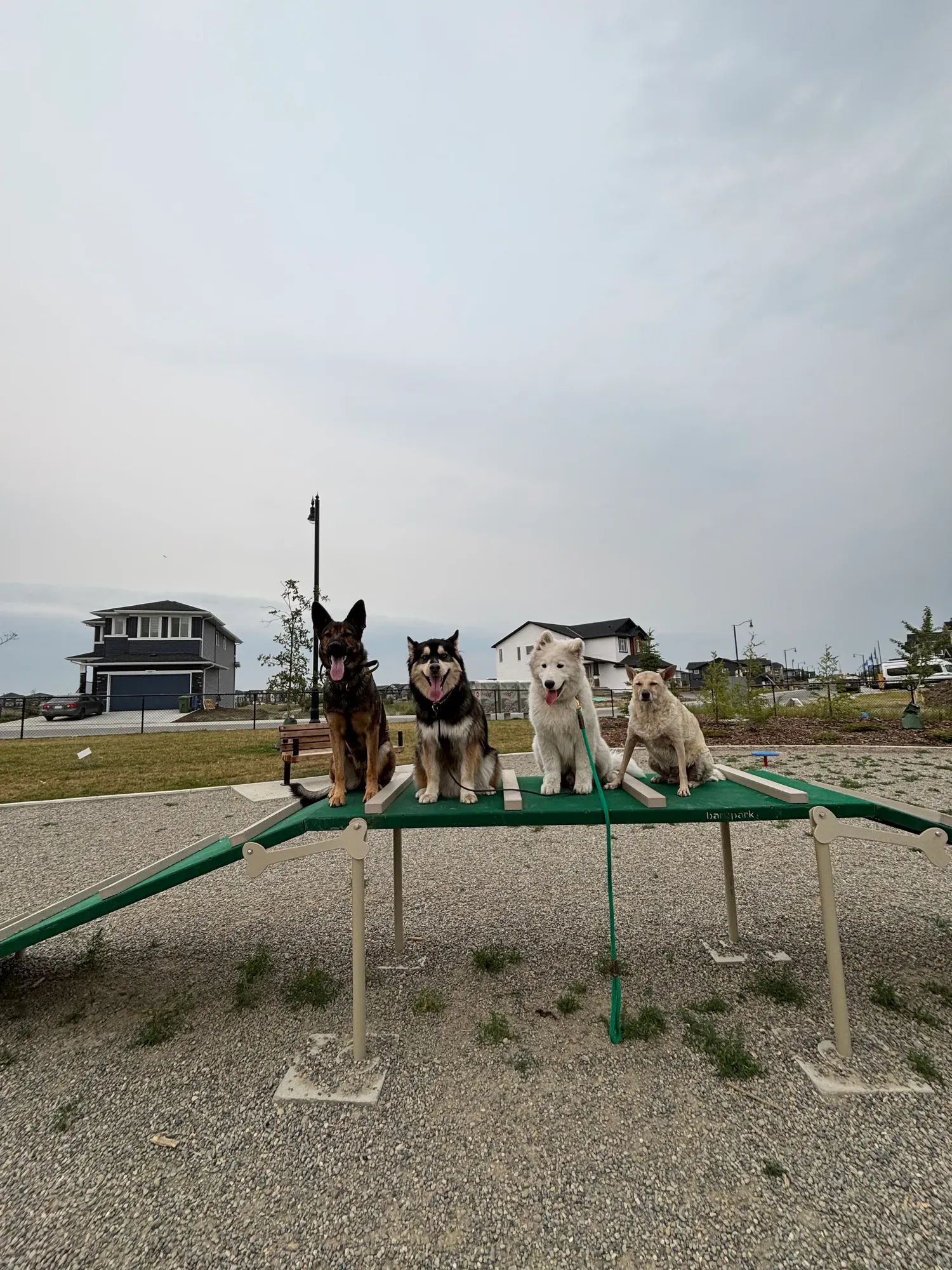
SW · Weekdays, drop-off 8–10 am · pick-up 5–7 pm
Day Training
Professional training all day, your couch at night.
Includes weekly one-hour go-home lesson, daily structure
Asked and answered
The questions people ask us.
Should I get a second dog?
Get one because you want a second dog, not to fix the first one's loneliness, separation anxiety, or reactivity. Those problems usually transfer rather than dissolve. If your current dog is well settled and you have time to train two individuals, a second dog can be a genuine joy.
How do I introduce a second dog to my dog?
Start on neutral ground with a parallel walk, two handlers, and slack leashes, letting the dogs close the distance gradually. Skip the face-to-face meet at the front door. At home, keep food, toys, and rest spaces separate until the relationship has weeks of calm behind it.
What is the best age gap when adding a second dog?
Two years or more is a comfortable spread. It means your resident dog is trained and mature before a puppy arrives, and you are never running two adolescents at once. Same-age pairs can work, but they demand far more separate training time.
What should I know before getting a second dog?
Budget for two of everything: crates, bowls, vet care, and training time. Plan to train the new dog alone before asking the pair to work together, since dogs practise skills individually and rehearse chaos jointly. And be honest about whether your resident dog actually wants a housemate.
Keep reading
Two dogs, one plan
One-on-one training for the newcomer, the resident, or both, matched to your household. Book a consultation.
From real owners
Rated 5.0 on Google.
Real Northline dogs