
Life stages
How to move house with a dog
Dogs read a move differently than we do. We see a new kitchen; they smell a territory that belongs to someone else and a family acting strangely for weeks. The fix is not reassurance, it is consistency: a routine that survives the boxes, a crate that makes every address home, and a patient first month of leashes and boundaries.
Last reviewed August 26, 2026
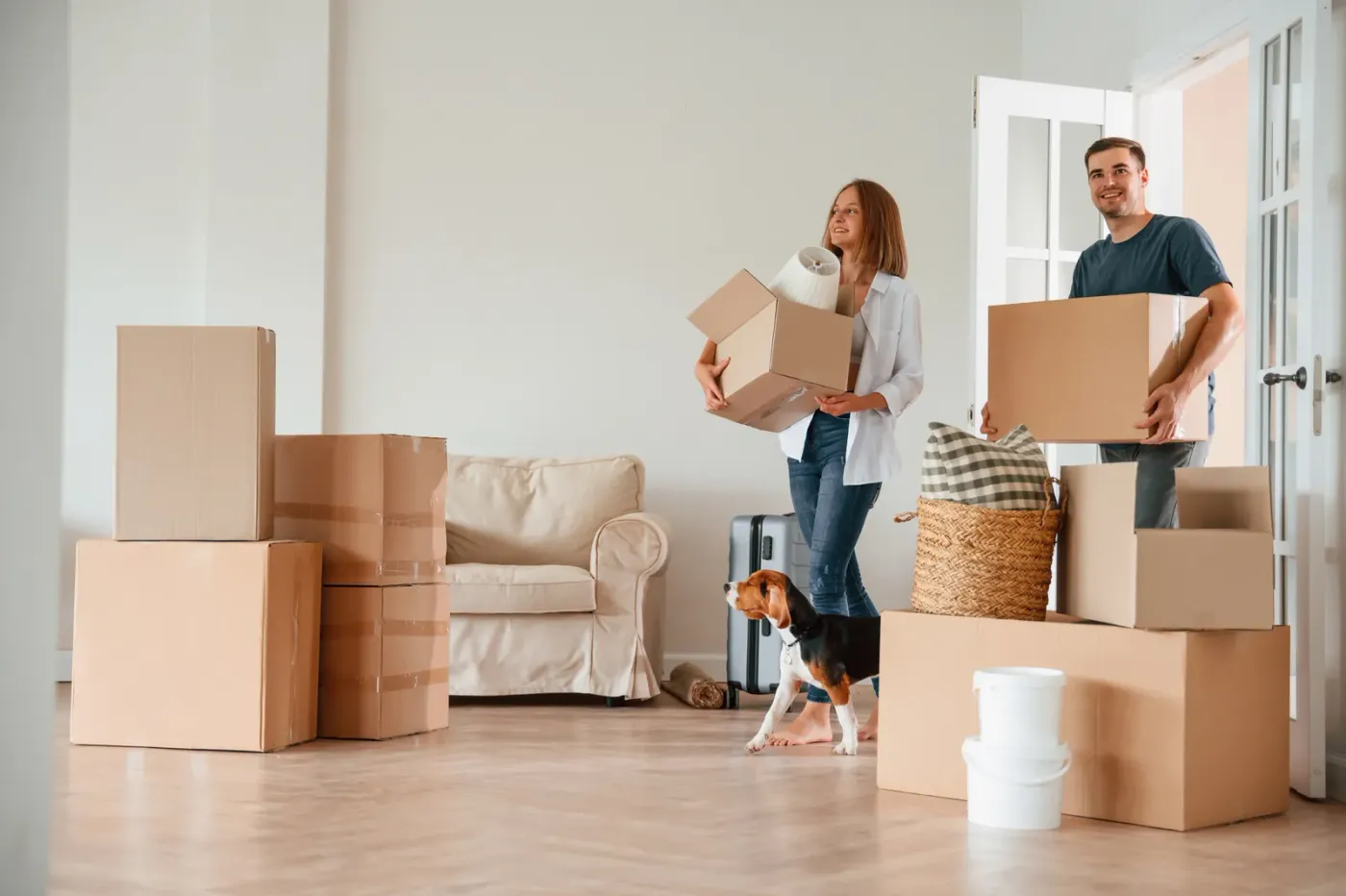
Before the boxes
Pack the house, not the routine.
Start crate work weeks ahead if your dog does not already love one. A crate is the one piece of territory that moves with the dog: same smell, same bed, same rules at any address. Keep feeding times, walk times, and sleep locations rigid while the house dissolves around them. Pack the dog's things last, and resist washing the bedding before the move; familiar smell is exactly why it comes along.
Moving day itself is the risk window: doors propped open, strangers carrying furniture, nobody watching the dog. Book a sitter or a familiar boarding spot, or close the dog in an already-emptied room with the crate, water, a chew, and a sign on the door telling movers to keep out. Check that tags and microchip details carry the new address before the truck arrives, not after. Escapes happen at thresholds, and moves are all thresholds.
- Crate packed last, unpacked first
- Routine survives the boxes
- Quiet room on moving day
- Tags updated before the truck
New territory
Settling in, across town or across the country.
A move across Calgary still hands your dog a whole new sensory map: different pathways, different neighbourhood dogs behind different fences, a new off-leash park with its own regulars. Walk the first week on leash, even for reliable dogs, and treat the local off-leash area as a place to earn back, not a day-one destination. Re-proof recall in quiet moments before busy ones. Your dog's obedience did not move houses as smoothly as the furniture did.
Cross-country moves add days of travel and weeks of adjustment. Crate the dog in the vehicle, keep meals light on driving days, and rebuild the routine the first night in each stopover. Expect even a settled-looking dog to test the rules again once the novelty fades; hold boundaries kindly and it usually passes. If the move has shaken your dog's leash manners or recall, one hour of Private Training costs $150 and includes a written weekly plan to follow between sessions.
The programs
Help for this chapter.
Life changes are when dogs need structure most. These formats provide it without upending the household.
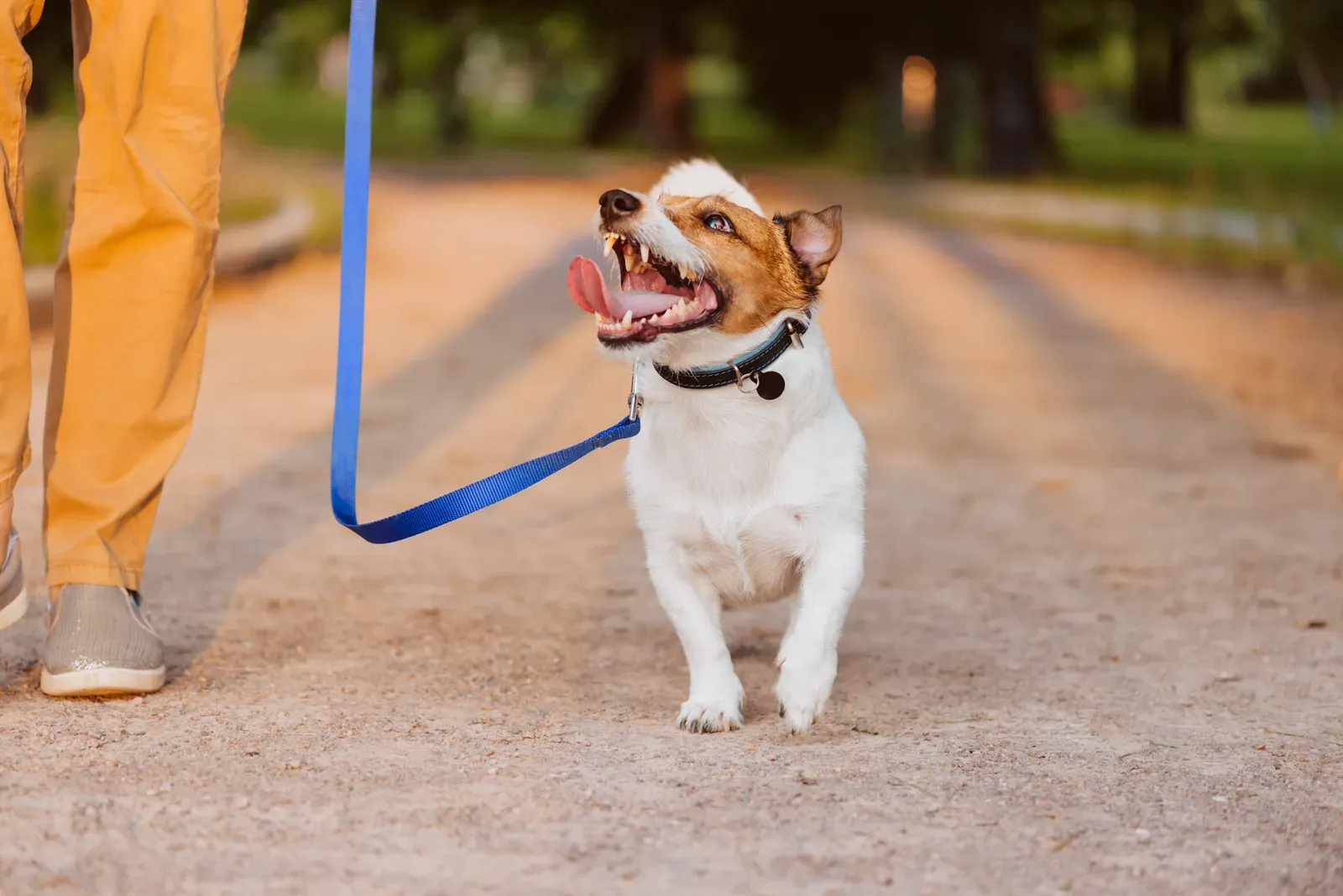
W · One-hour session
Private Training
One-on-one coaching with you on the other end of the leash.
Includes a written weekly plan to work from
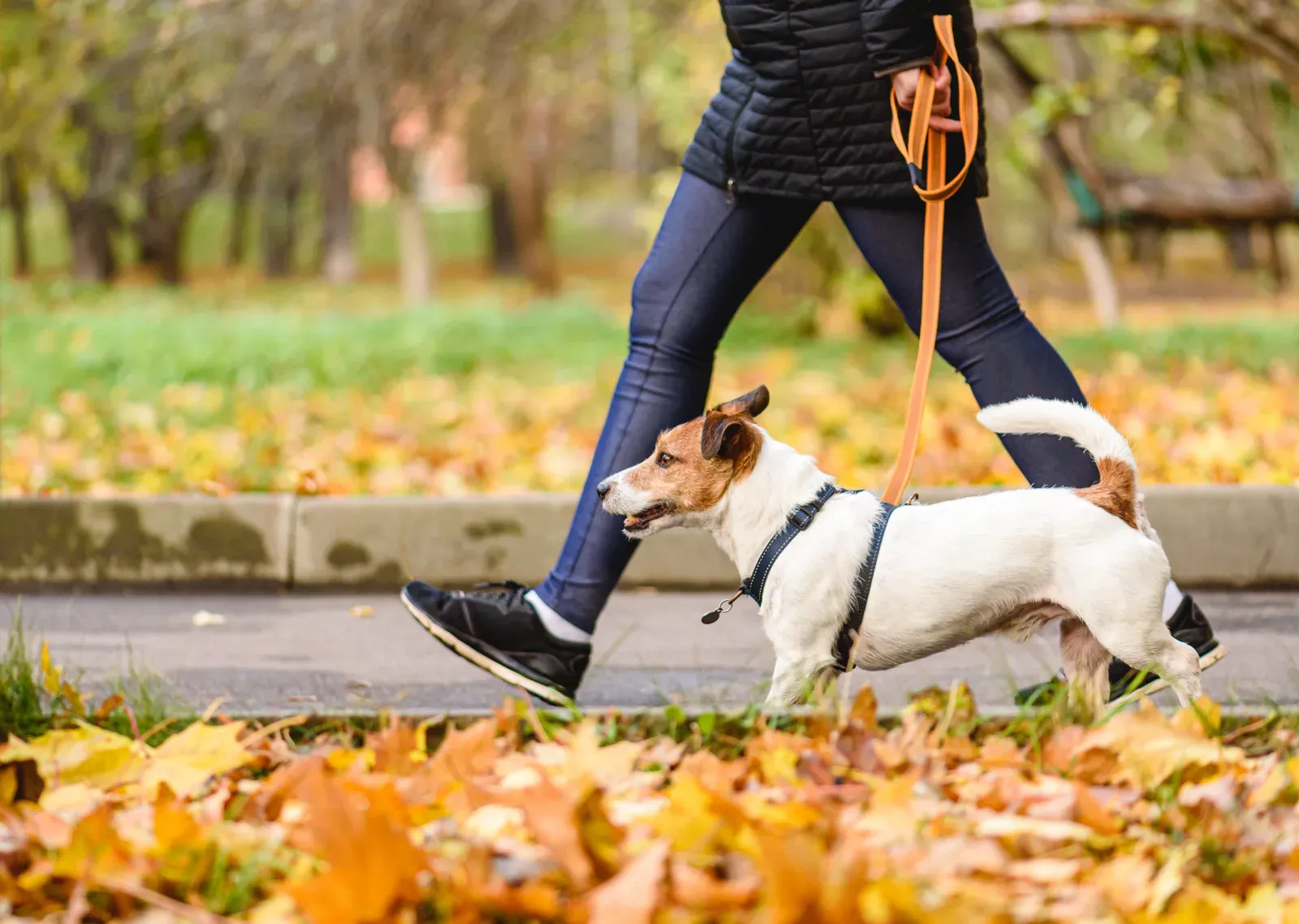
NE · 2-week board & train
On-Leash Foundations
If every walk is a wrestling match, pulling, barking, zig-zagging, this two-week program rebuilds the walk from the ground up with foundational on-leash obedience..
Includes handover lesson, follow-up session, lifetime support, slip lead + collar
Asked and answered
The questions people ask us.
Is moving house stressful for dogs?
Usually, yes, though it shows up in quiet ways: pacing, appetite dips, extra clinginess, or a house-trained dog having accidents. Stress peaks when the routine collapses, not when the address changes. Keep meals, walks, and sleep on schedule and the move shrinks to a manageable size.
How long does it take a dog to adjust to a new home?
Most dogs look settled within a few weeks, though confident dogs may take days and anxious dogs a few months. The timeline shortens when the crate, bedding, and daily routine arrive intact. Watch the dog in front of you rather than the calendar.
How can I help my dog with moving anxiety?
Anchor the day with fixed meal and walk times, give the dog a crate den that never changes, and keep departures and arrivals boring. Add sniffy leash walks in the new neighbourhood so the dog maps it at its own pace. If anxiety was there before the move, the move did not cause it, and it deserves proper training help.
What should I do with my dog on moving day?
Get the dog out of the way: a sitter, a familiar boarding spot, or a closed, already-emptied room with the crate, water, and a chew. Tape a note on that door so movers leave it shut. Propped-open front doors and stressed dogs are how escapes happen.
Keep reading
New address, same dog
We help Calgary dogs land on their feet after a move, one-on-one. Book a consultation.
From real owners
Rated 5.0 on Google.
Real Northline dogs