
Compared honestly
Free dog training advice vs paid training: when YouTube is enough
There is more free dog training on the internet than anyone could watch in a lifetime, and a lot of it is good. So the real question is not whether free advice works but which problems it works on. Some behaviours have clean, teachable steps that a video demonstrates perfectly. Others depend on a trainer standing beside your dog, watching its ears and weight shift, and that part does not stream.
Last reviewed August 26, 2026
Where free works
Videos teach skills well and read dogs badly.
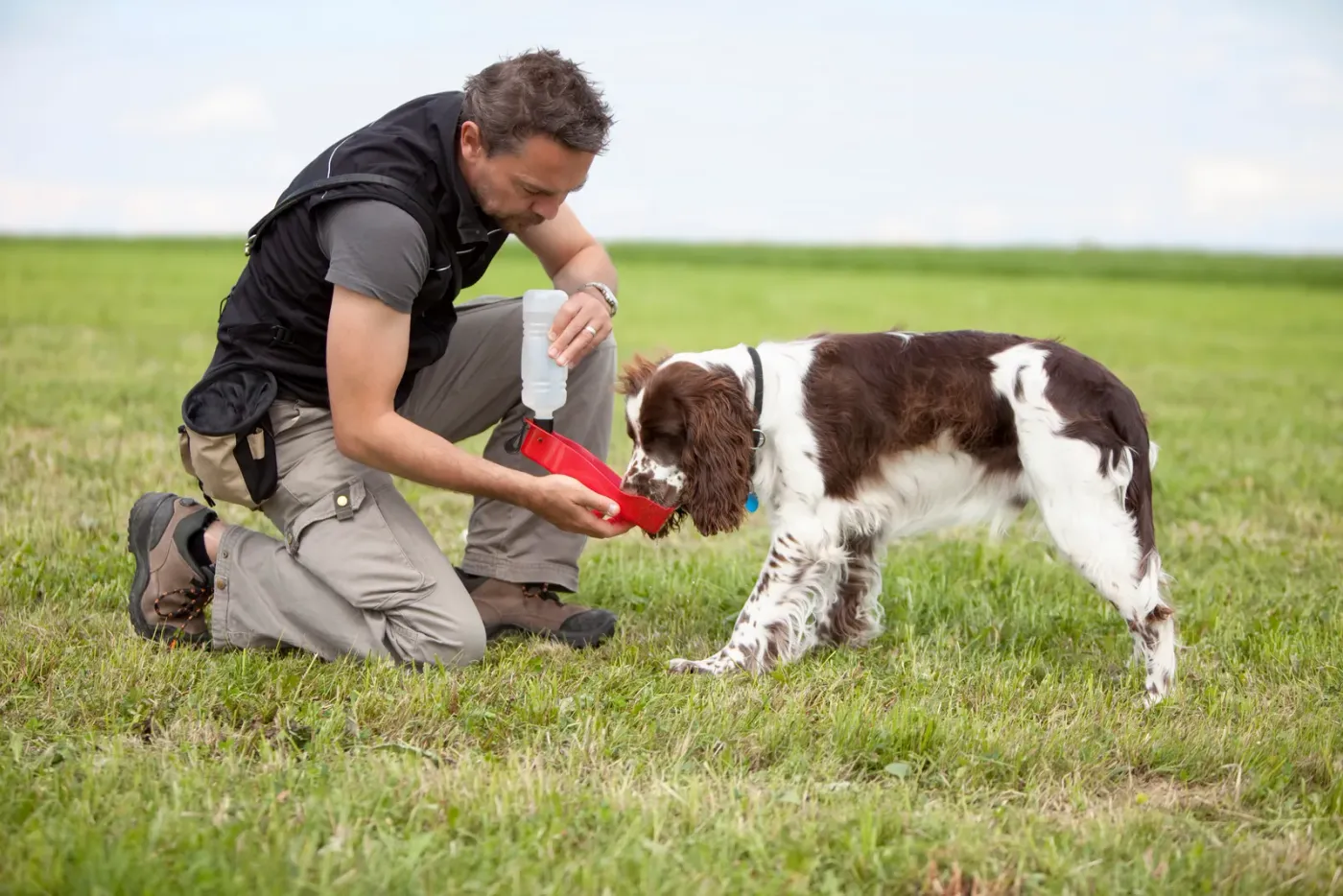
Free advice is at its best on anything with a repeatable recipe. Teaching sit, down, a name response or a hand target is a sequence of small steps, and a good video shows the sequence clearly enough that owners can copy it. Puppy management is similar: crate routines, feeding schedules, where the puppy sleeps, how to stop the biting by ending the game. These are questions of setup, not of reading a dog, and the stakes of getting the timing wrong are low.
Reactivity, aggression and separation anxiety are a different category. A lunging dog on a video is not your dog; the moment to mark calm, or to add distance, or to stop entirely, lives in your dog's eyes, mouth and posture, and those change in a heartbeat. Owners following a screen tend to reward the wrong instant, push too close too soon, or apply a tool the video never taught them to fit. Every rehearsal strengthens the behaviour, so nearly right slowly becomes worse.
- Sit, down, name: copy the video
- Crate and feeding routines: free works
- Reactivity: timing you cannot stream
- Separation anxiety: get eyes on it
One paid hour
Spend $150 once to make the free material work.
A private session is $150 + GST for one hour and ends with a written weekly plan. Treat it as an audit. Bring the two or three videos you have been copying, show us what you do with the leash, the marker and the treats, and let us watch the dog while you do it. Most of the hour goes to timing and mechanics, and the plan you leave with matches your dog rather than the one on screen.
Spend the session on the one behaviour that is costing you the most, not on a tour of everything. For a puppy that is often the crate; for an adolescent, the recall. Ask us to write the plan so the videos you keep watching support it rather than contradict it. And if what we see in that hour is reactivity or separation anxiety rather than a training gap, we will say so and explain what Behaviour Rehab involves.
The programs
The options, side by side.
Every format we offer is priced publicly; the comparison above is how we would choose for our own dogs.
W · One-hour session
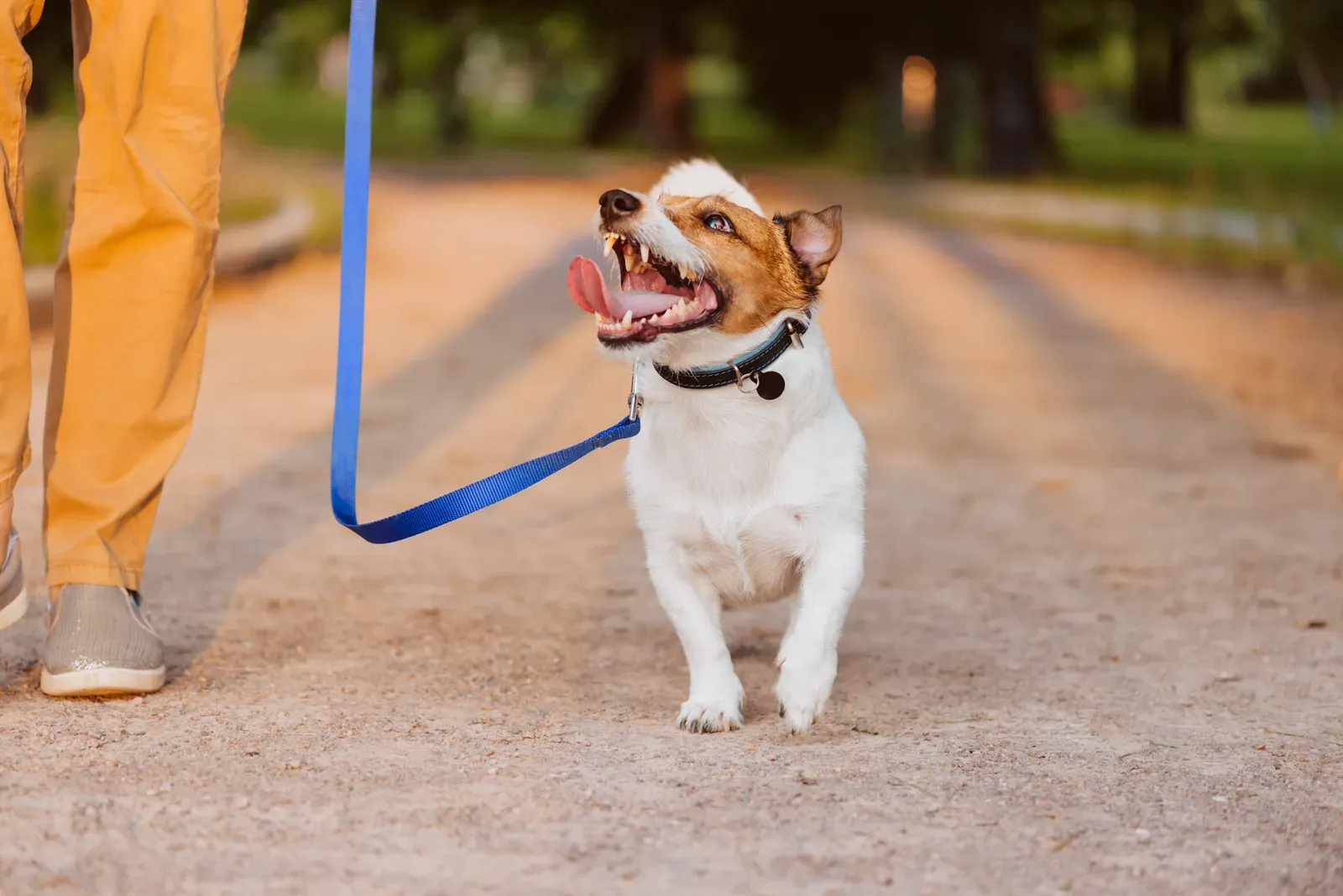
Private Training
One-on-one coaching with you on the other end of the leash.
Includes a written weekly plan to work from
SW · Weekdays, drop-off 8–10 am · pick-up 5–7 pm
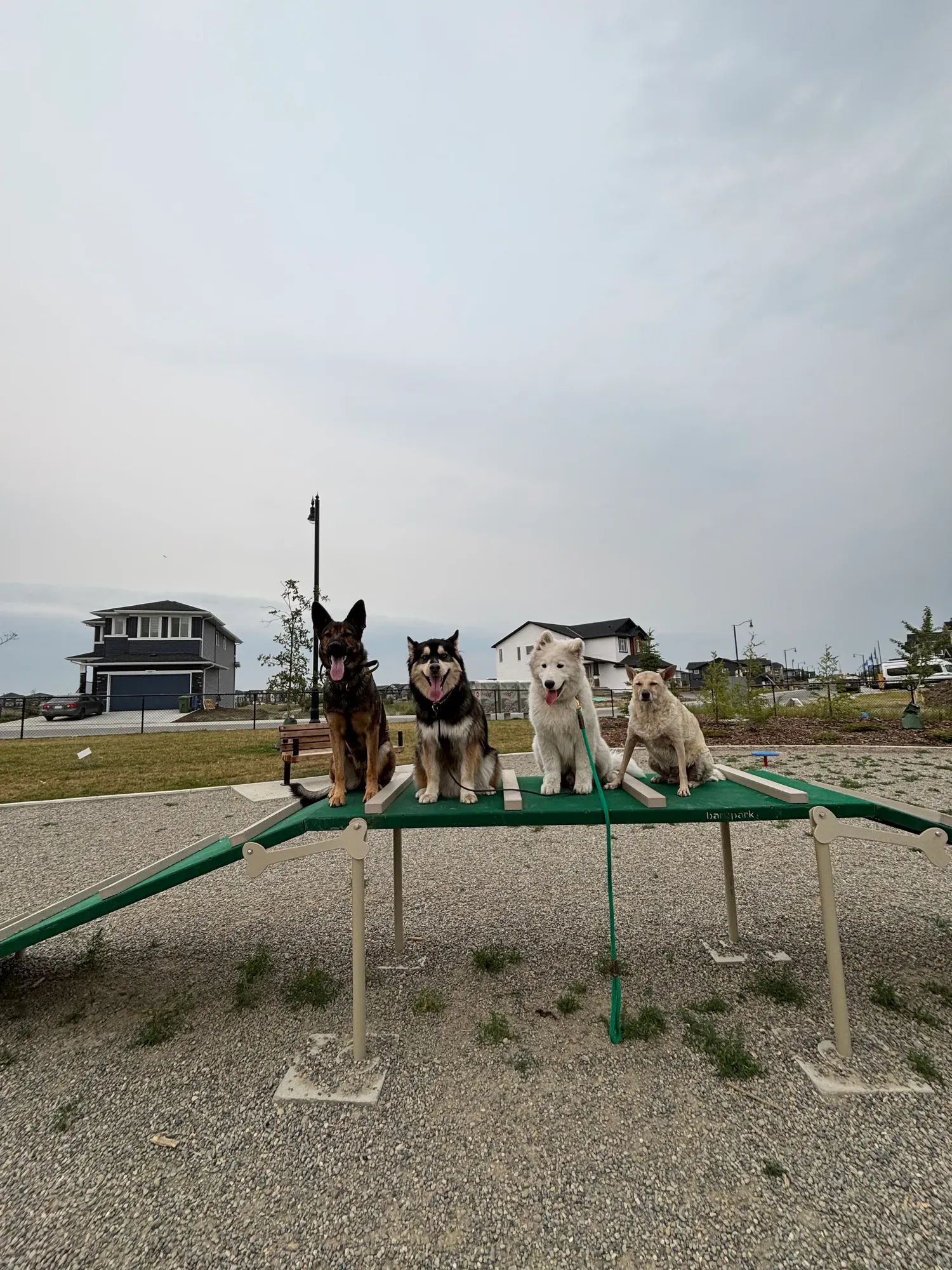
Day Training
Professional training all day, your couch at night.
Includes weekly one-hour go-home lesson, daily structure
Asked and answered
The questions people ask us.
Is dog training worth it if there is so much free advice?
For basic obedience and puppy routines, the free advice plus your own consistency is often enough, and we will tell you that. It is worth paying when the problem involves fear, reactivity or aggression, or when weeks of copying videos have produced nothing. A single $150 + GST session usually settles which camp you are in.
Free dog training vs paid: what is the actual difference?
Free advice gives you the recipe. Paid training gives you someone watching your dog while you follow it, correcting your timing and choosing the right tool for that dog rather than a generic one. The recipe is rarely the problem; the execution on your specific dog is.
YouTube dog training vs a trainer: can YouTube replace one?
For sit, down, crate comfort and a name response, yes, if you practise daily. For anything where the dog is scared or aggressive, no, because the video cannot see your dog and the wrong moment rewarded makes it worse. Use YouTube for skills and a trainer for behaviour.
Do you need a dog trainer, or can you do it yourself?
Try it yourself first for manners and cues; plenty of owners succeed. Book a trainer the moment the behaviour involves teeth, panic when left alone, or lunging on the leash, because those get harder with every repetition. One private session with a written weekly plan is the cheapest way to find out which one you have.
Keep reading
Bring the videos, bring the dog.
Book a consultation, tell us what you have tried, and we will say whether one session is enough or the problem needs more.
From real owners
Rated 5.0 on Google.
Real Northline dogs