
Crate training help
Crate training help in Calgary
It is 1 am, the puppy is screaming, and the internet says both 'never let them cry' and 'never let them out'. No wonder crate training feels impossible from inside it. The crate is supposed to be the calmest place in your house. If yours has become the loudest, that is fixable, and faster than the last three nights suggest.
What went sideways
A den, not a jail, and three ways it flips.
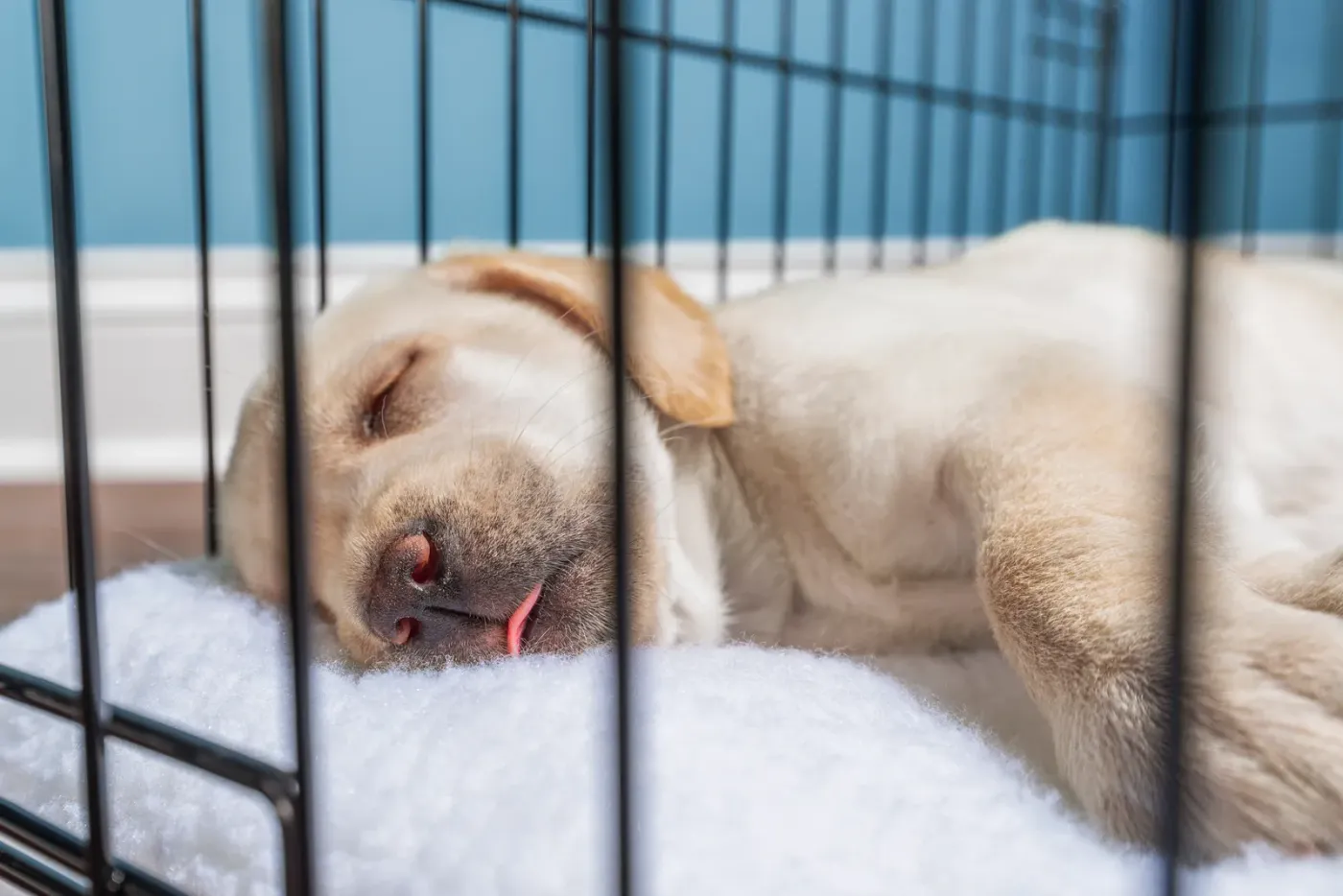
To a well-trained dog, the crate reads as a den: the spot where good things appear, chews get finished, and nobody bothers you. That association is built, not assumed. Dogs that settle in a crate rest better, ride in cars more safely, and cope at the vet and the groomer without falling apart. The screaming is not proof your dog hates crates. It is proof the association never got built, or got broken.
It usually breaks one of three ways. Too fast: door shut for hours on day one, panic rehearsed from the start. Crate as punishment: sent there after trouble, so the box starts to mean trouble. Or the rescue-by-release cycle: the dog cries, someone eventually opens the door, and the dog learns precisely how long to cry. Each pattern is common, human, and reversible with a structured plan.
- Rushed door-shut first days
- Crate used as punishment
- Crying rewarded with release
- Panic rehearsed, then repeated
Rebuilding calm
From screaming to settling, on a schedule that sticks.
In our board and train programs, the crate is woven into every day: work, rest, enrichment, repeat, so settling in it is rehearsed dozens of times before your dog comes home. Puppy Fundamentals, three weeks at $2,775, makes crate comfort an explicit goal and includes nights, which is where most families are losing sleep. By handover, the routine that produced the calm is taught to you along with the dog.
Prefer to fix it at home? Private sessions at $150 break the rebuild into steps you can actually run: where the crate sits, how meals and chews move into it, when the door closes and for how long, and what to do at 2 am. Each session ends with a written weekly plan, so the next seven days are decided in daylight, not negotiated with a crying puppy at midnight.
The programs
The puppy-window programs.
The early weeks only happen once. These are the ways we help you spend them well.
W · One-hour session
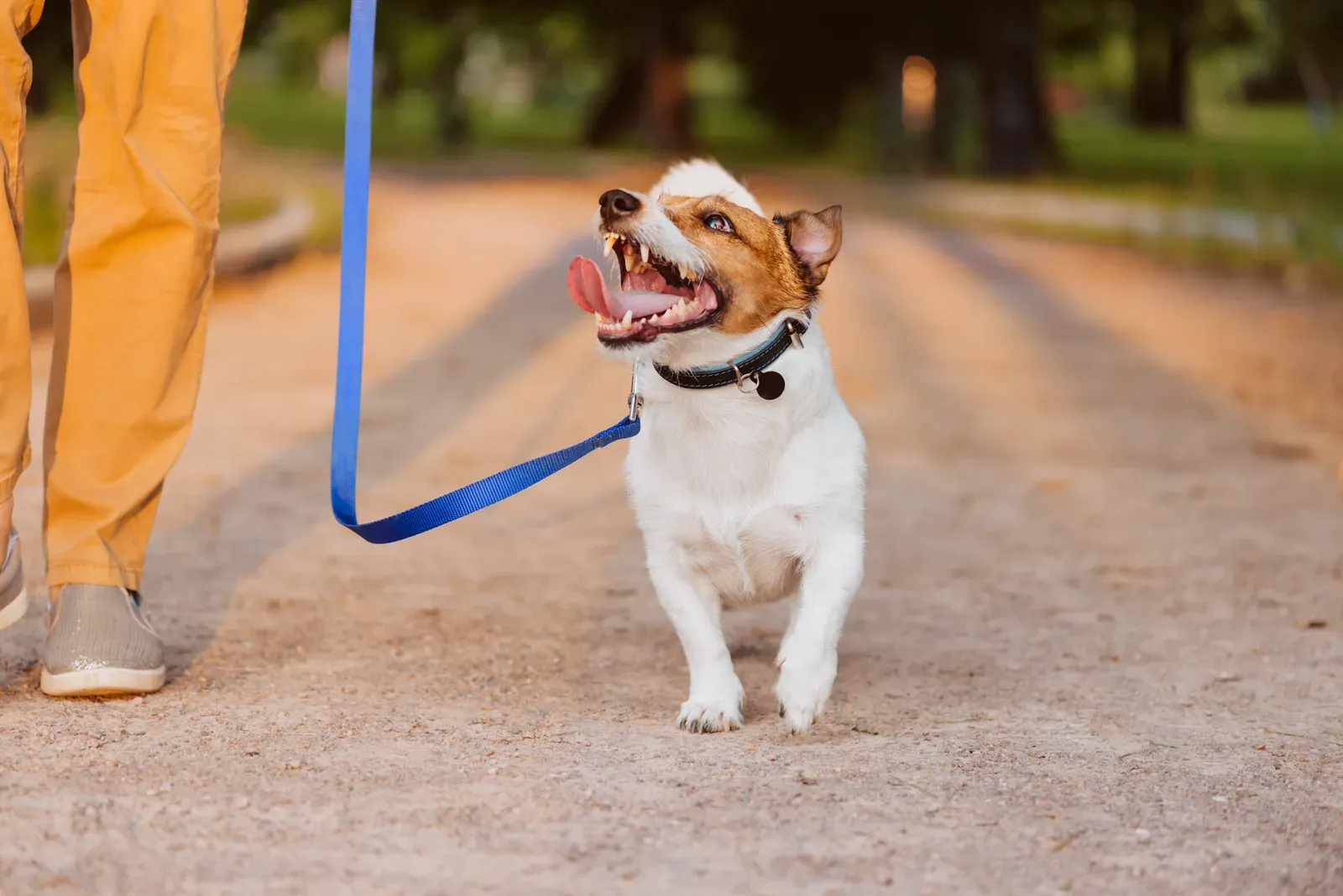
Private Training
One-on-one coaching with you on the other end of the leash.
Includes a written weekly plan to work from
N · 3-week board & train
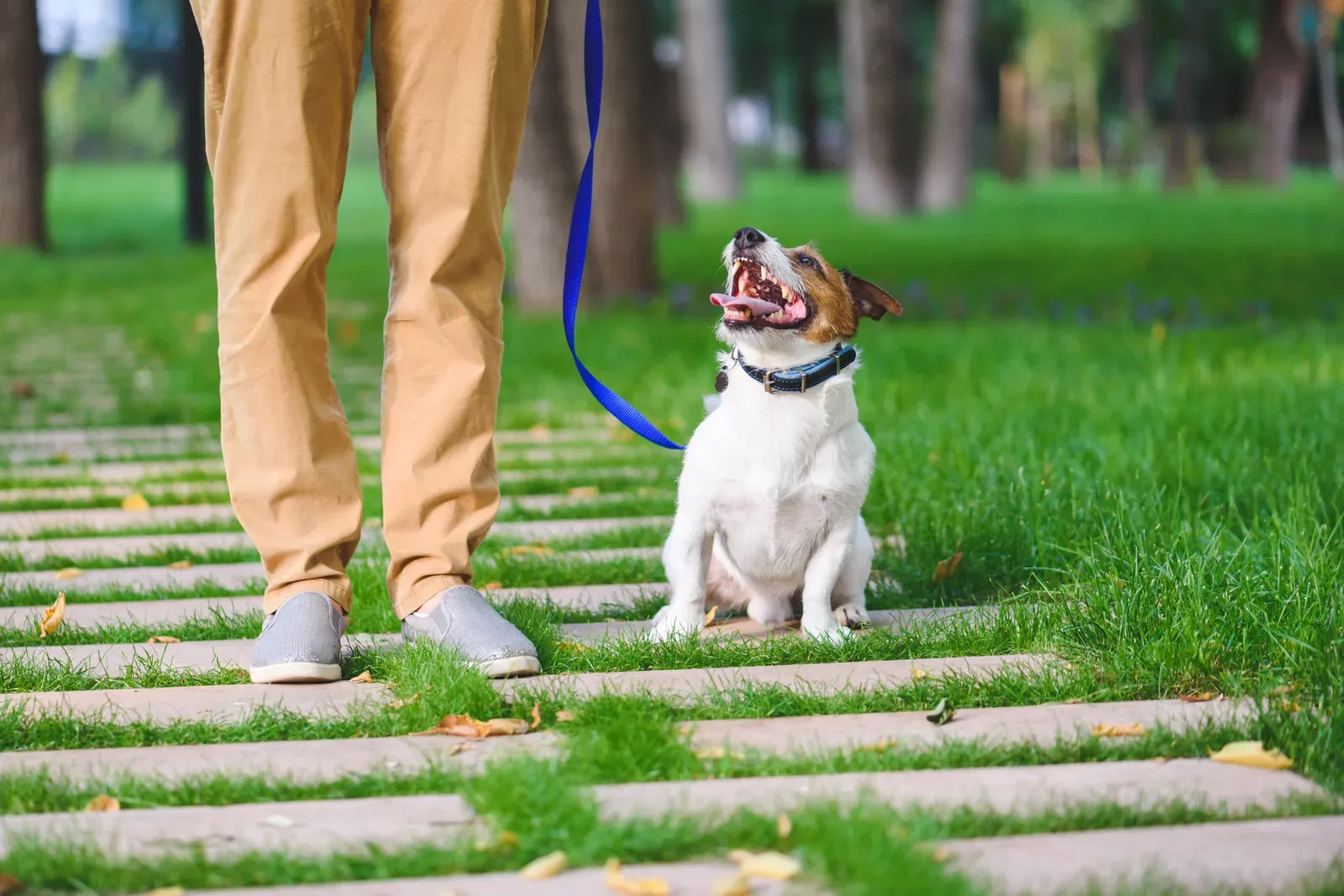
Puppy Fundamentals
Your puppy's first months decide the habits of a lifetime.
Includes handover lesson, follow-up session, slip lead + collar
Asked and answered
The questions people ask us.
My dog hates the crate. Can that actually change?
Yes. Hating the crate is a learned association, and associations can be rebuilt with pacing, structure, and consistency. A dog who screamed through week one can learn to walk in and settle once the crate stops predicting isolation and starts predicting rest and good things.
Where can I get puppy crate training help in Calgary?
We offer it two ways: inside Puppy Fundamentals, a three-week board and train at $2,775 + GST where crate comfort, nights included, is a core goal, or through $150 private coaching sessions at home. A consultation will point you to the right one for your household.
Should I let my puppy cry it out in the crate?
Neither extreme works well. Endless crying rehearses panic, while releasing at the first whimper teaches that noise opens doors. The way through is a plan that sets your puppy up to succeed in small steps, so there is very little crying to argue about.
Is there a crate training service in Calgary for adult dogs?
Yes, crate work is not just for puppies. Adult dogs can rebuild crate comfort through our board and train programs, where the crate structures each day, or through private sessions if the rest of their manners are fine. Rescues and dogs with rough crate histories just need a slower ramp.
Keep reading
Quiet crate, quiet house.
Explain what happens when the crate door closes. We will plan the calmest route back to quiet nights. Book a consultation.
From real owners
Rated 5.0 on Google.
Real Northline dogs