
Comparisons
Board and train vs YouTube training
Free training videos have taught plenty of dogs to sit. What they cannot do is watch your dog, or tell you that your reward lands half a second late. This comparison is fair to both sides: when a video library is genuinely enough, when paying for coached repetition makes more sense, and where a single coached hour sits between the two.
Last reviewed October 4, 2026
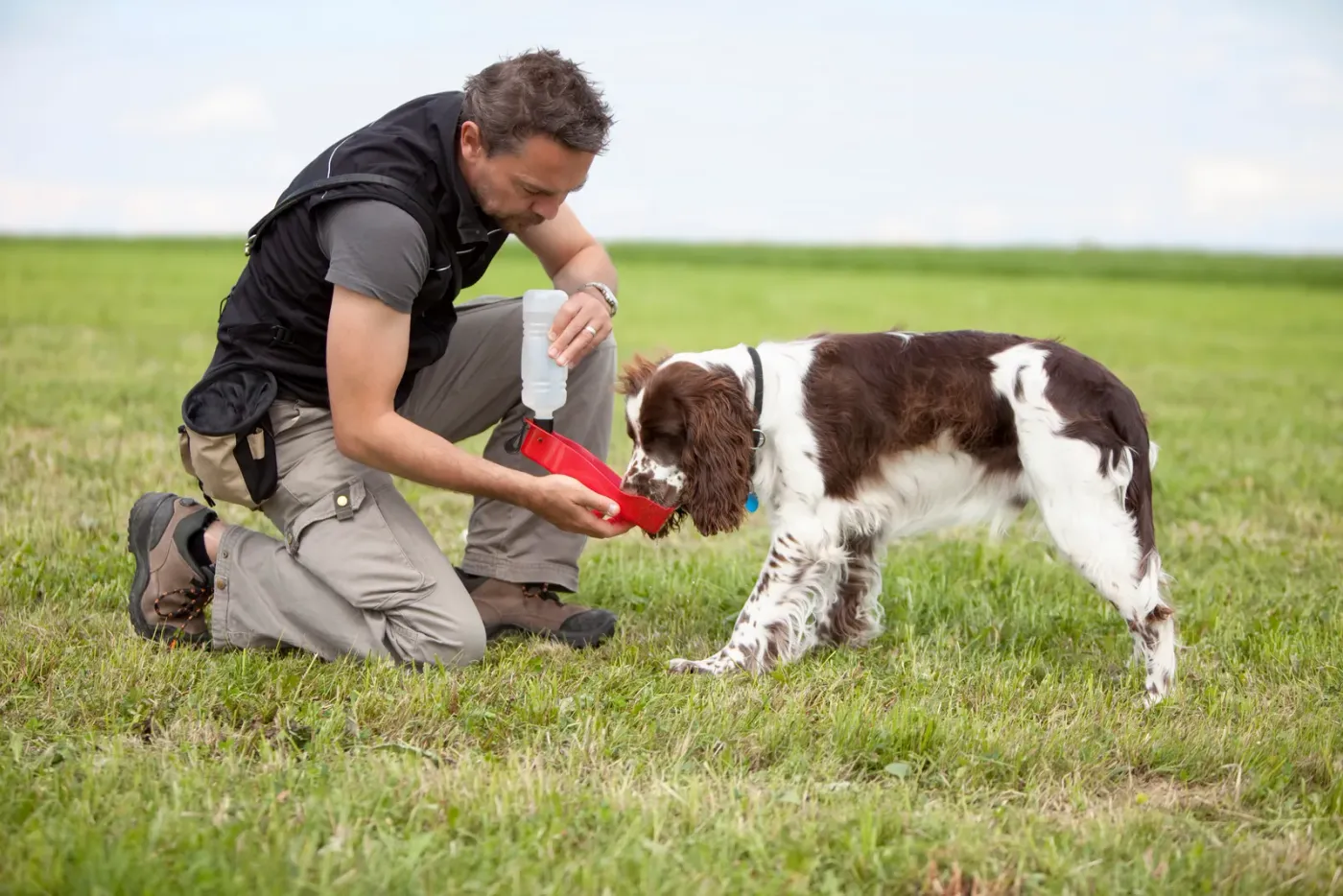
Where videos shine
What a free video does well, and where it stops.
A good video is patient. You can pause it, rewind the hand signal, and watch the marker timing three times before you try it in the kitchen. For a confident dog and an owner who practises daily, that is real value at no cost. Simple skills like sit, down and name recognition are often taught well on screen, and many owners do make steady progress this way.
The limit is that the dog in the video is not your dog. It was filmed in a quiet room, probably after the trainer cut the messy takes. Nobody sees your leash handling, your dog's stiffening body, or the comment section giving you five conflicting answers. When progress stalls, a video cannot diagnose why, and guessing tends to cost weeks of practising the wrong thing.
- Clear explanation of one skill
- Pause and rewind at will
- No feedback on your timing
- Cannot read your dog's body
Picking a lane
Choosing between a playlist and a program.
Stay with videos if your dog is learning, nobody is getting hurt, and you enjoy the practice. If you want feedback but still want to do the work yourself, Private Training costs $150 + GST for a one-hour session with a written plan for your week. That is coaching on your own dog, without handing over the daily repetitions to someone else.
Board and train fits when the daily reps are the bottleneck. In On-Leash Foundations, $1,865 + GST for two weeks, we practise loose-leash walking, heel and place with your dog every day, then teach you the handling at handover. Tools like a remote collar are something we introduce properly in person rather than from a clip. The consultation recommends a program, and it will point you to a lighter option when that covers it.
The programs
Programs and prices
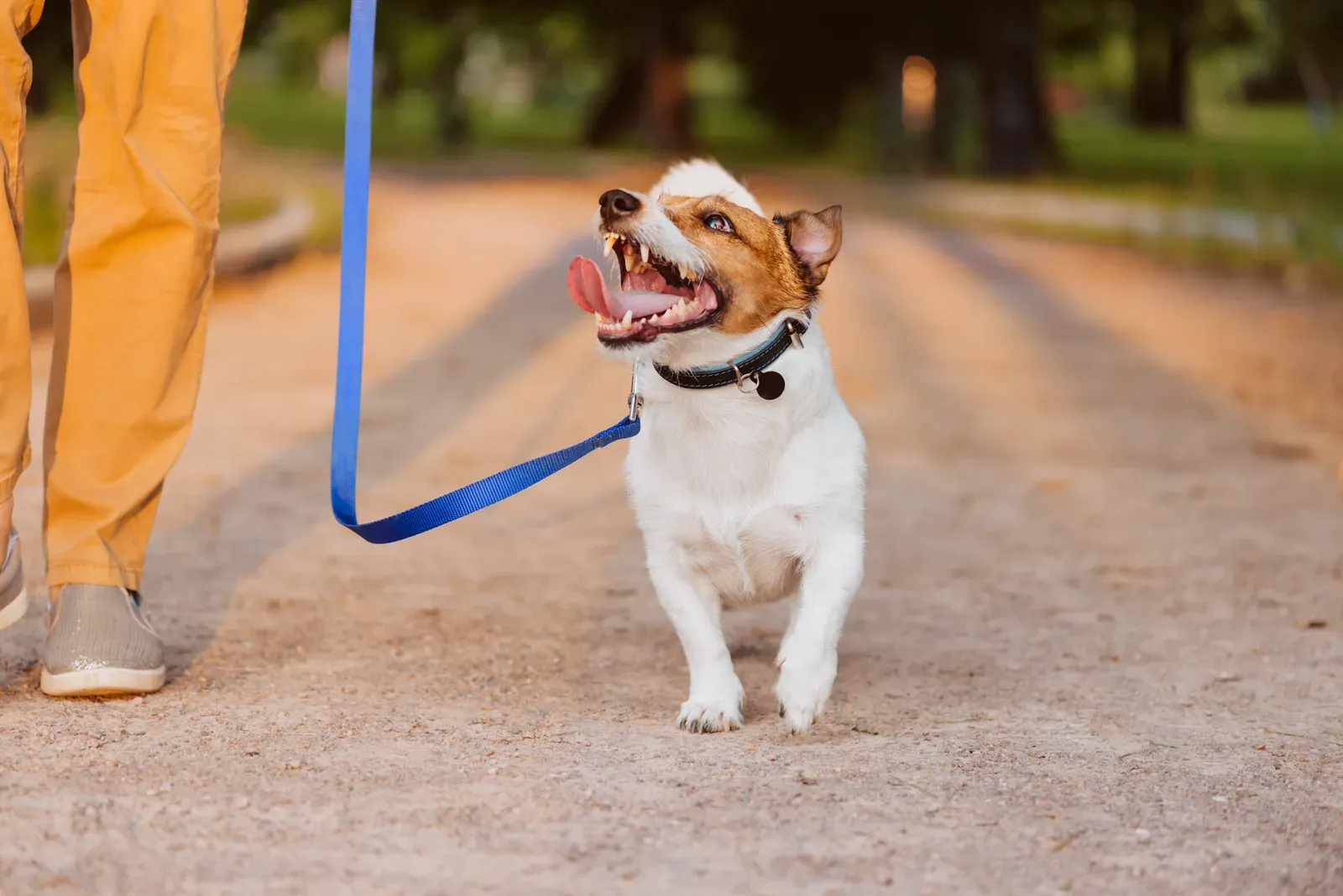
W · One-hour session
Private Training
One-on-one coaching with you on the other end of the leash.
Includes a written weekly plan to work from

NE · 2-week board & train
On-Leash Foundations
If every walk is a wrestling match, pulling, barking, zig-zagging, this two-week program rebuilds the walk from the ground up with foundational on-leash obedience..
Includes handover lesson, follow-up session, lifetime support, slip lead + collar
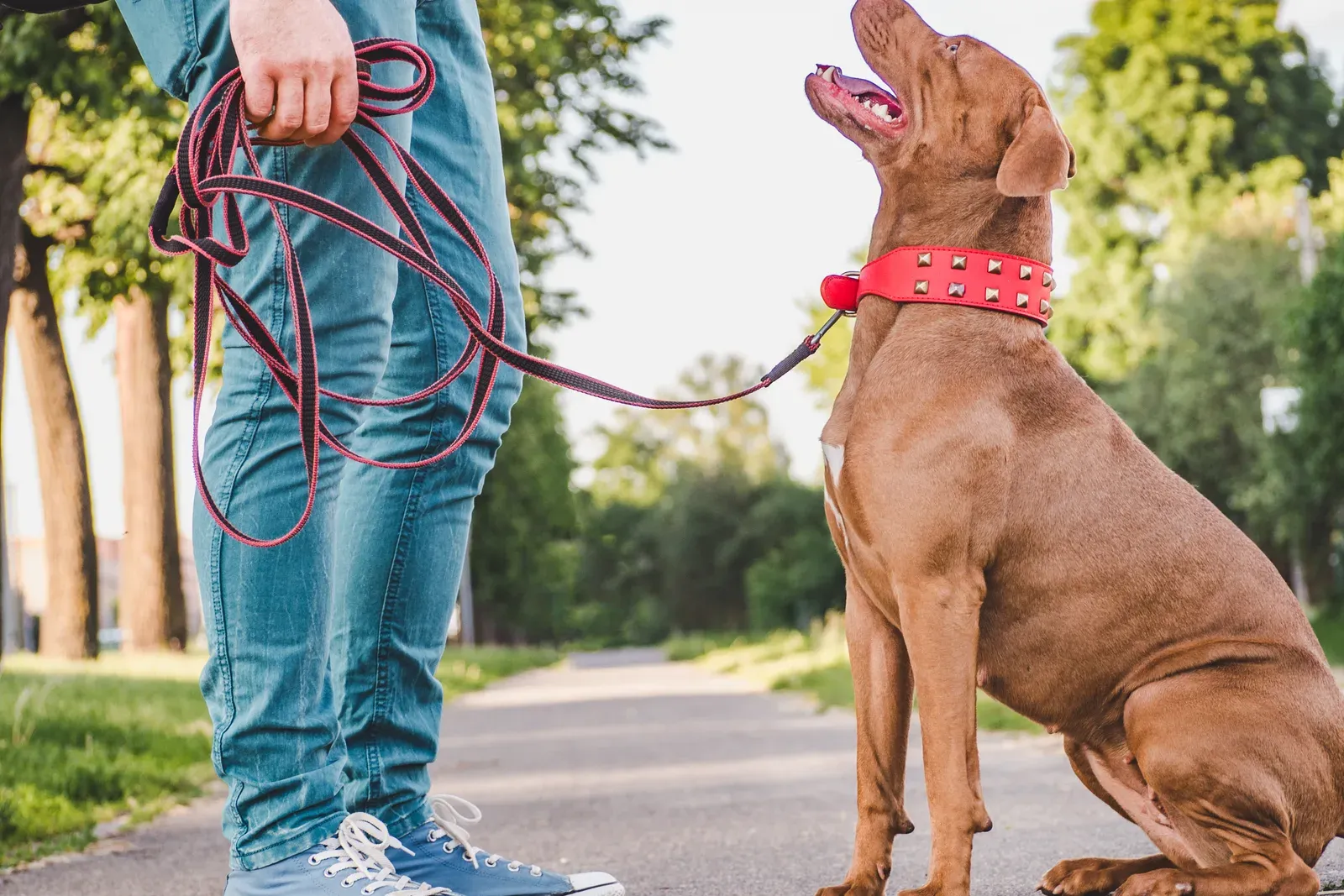
S · 5–6 week board & train
Behaviour Rehab
Kaitlin's specialty, and the work she loves most.
Includes assessment-built plan, 2 follow-ups, deep owner education
Asked and answered
The questions people ask us.
Can I train my dog with YouTube videos?
Yes, many owners teach basic skills that way, especially with a confident dog and consistent daily practice. Videos struggle when your dog behaves differently from the one on screen, or when your timing needs correcting.
Is board and train better than online dog training?
Neither is better for every dog. Online material is information, while board and train is daily coached repetition plus a handover lesson that teaches you to keep the skills going.
Why isn't YouTube dog training working for my dog?
Common reasons include timing that is slightly off, practising in places that are too distracting too soon, or mixing advice from several channels. A coached session can spot which one applies to your dog.
Can I learn e-collar training from YouTube?
We would not recommend it. A remote collar needs to be fitted, introduced gradually and matched to the individual dog, so we introduce it in person and teach the owner directly.
Keep reading
Stuck between videos and coaching?
Book a consultation and we will tell you honestly whether your dog needs a program, one coached hour, or more practice.
From real owners
Rated 5.0 on Google.
Real Northline dogs