
Comparisons
Board and train vs waiting it out
Plenty of people will tell you your dog will grow out of it. Sometimes they are right. Maturity often changes energy, attention span and some puppy habits, but it does not install a heel or a recall, and it can quietly harden habits a young dog practises every day. This page sorts what time tends to handle from what it does not, so waiting becomes a choice rather than a hope.
Last reviewed October 4, 2026
What time handles
Behaviours that often ease as a dog matures.
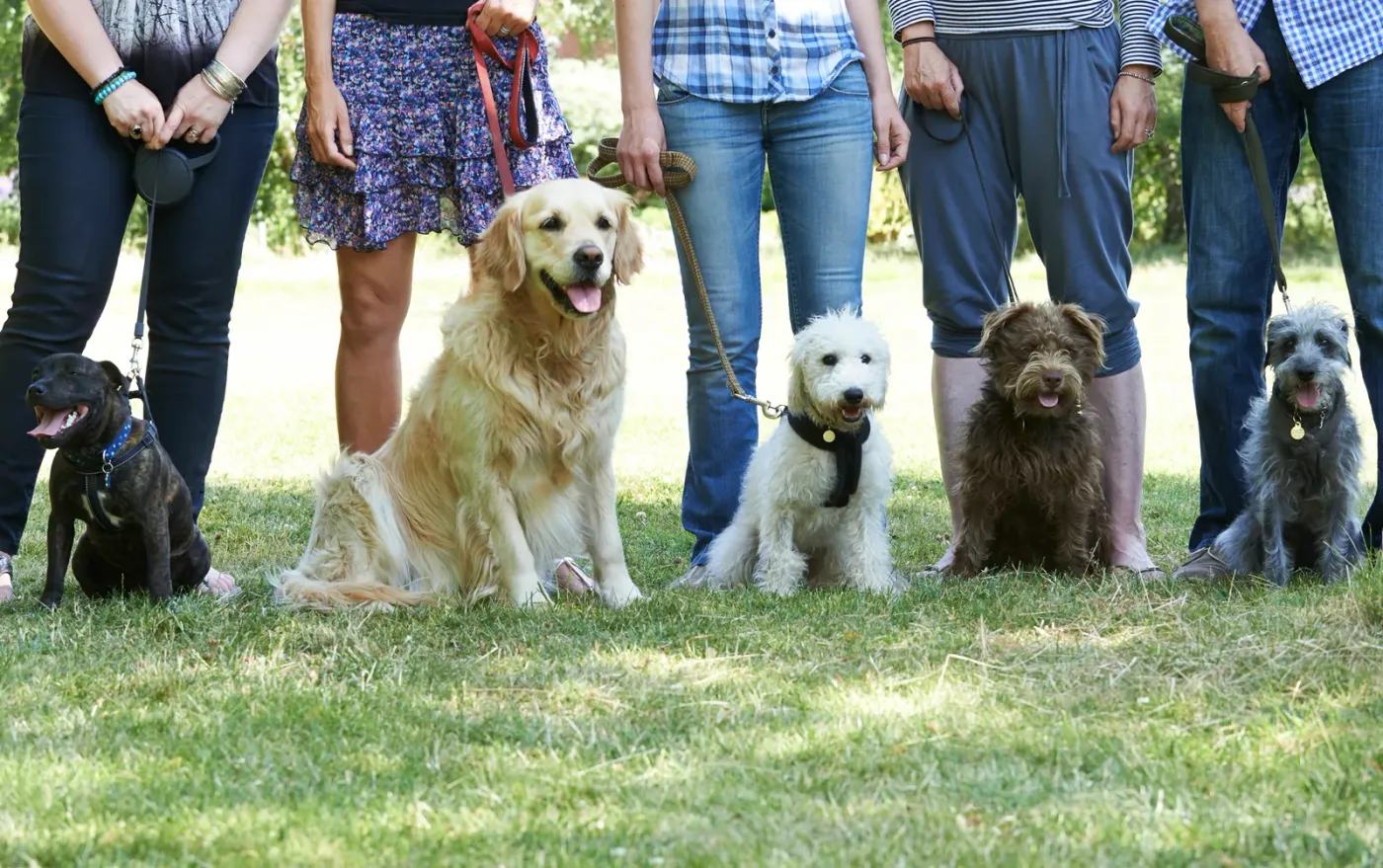
Some things really are phases. Many puppies mouth less once their adult teeth are in and they have learned what they can chew. Evening zoomies, a short attention span and clumsy excitement at the door often soften as a young dog's brain and body catch up. If the behaviour is mild, nobody is at risk, and you are already managing it sensibly, patience is a fair plan.
Patience works best paired with management. A gate, a chew rotation, a tidy floor and a predictable routine stop the phase from becoming practice. Watch the trend rather than the calendar: a behaviour that is shrinking may be maturing out, while one that holds steady or grows is often being learned. If anything changes suddenly, ask your vet before making any training decision.
- Puppy mouthing during teething
- Short attention span
- Clumsy excitement and zoomies
- Mild habits under good management
What time hardens
Habits that rehearsal makes stronger, not weaker.
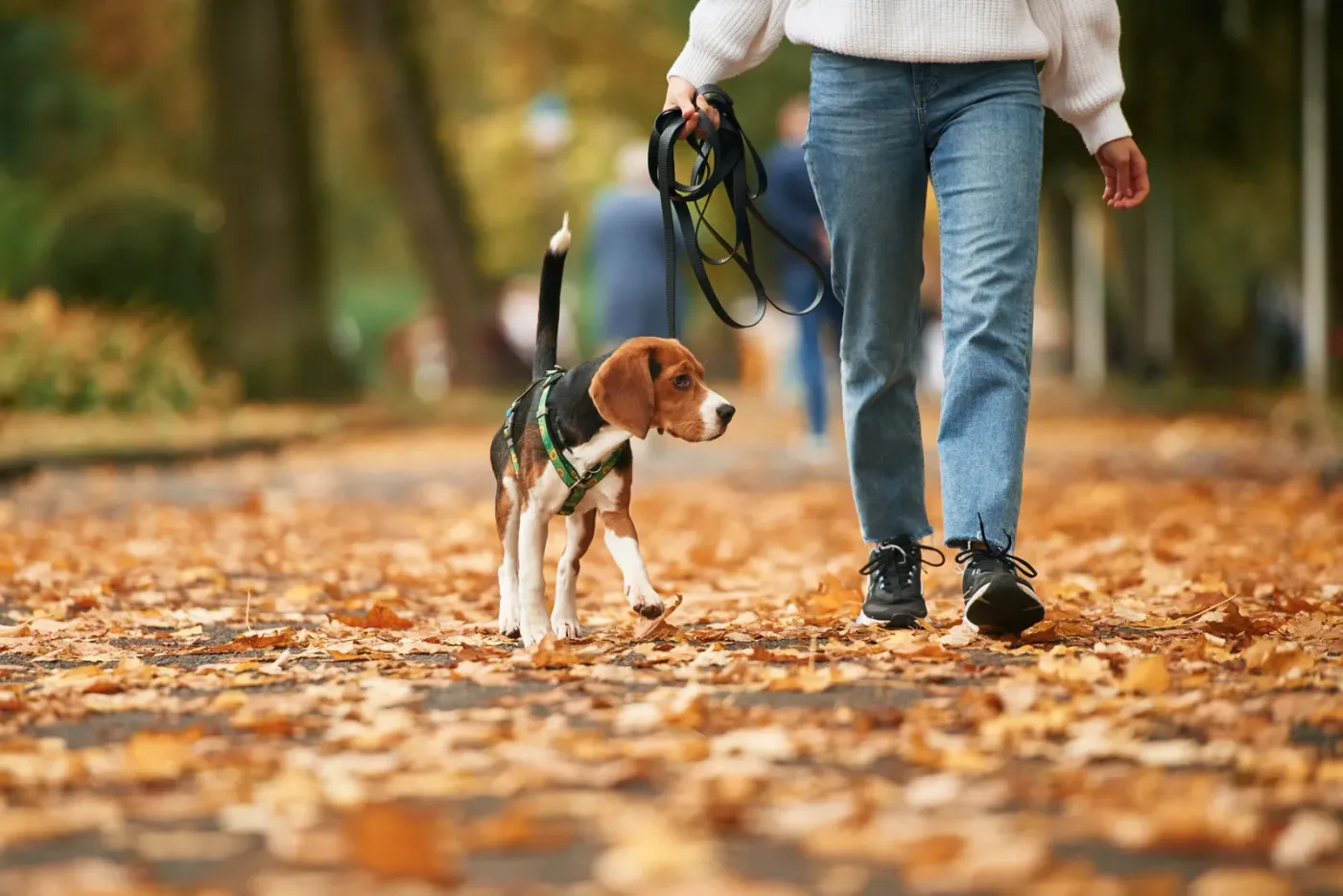
Maturity does not teach a dog what you want; it only changes the dog doing the learning. A dog who pulls on every walk is getting paid by forward motion on every walk. A recall that fails at the park teaches the dog that ignoring you works. In our experience, fear and reactivity often do not fade with age, and a worried dog left to cope alone may grow more worried.
For skill gaps, On-Leash Foundations is two weeks at $1,865 + GST working on loose-leash walking, heel and place, and Puppy Fundamentals is three weeks at $2,775 + GST, built for puppies in their key learning window. Fear-based or escalating behaviour calls for a professional assessment. The consultation is where we recommend a program, and a lighter one when that is all your dog needs.
The programs
Programs and prices
W · One-hour session
Private Training
One-on-one coaching with you on the other end of the leash.
Includes a written weekly plan to work from

NE · 2-week board & train
On-Leash Foundations
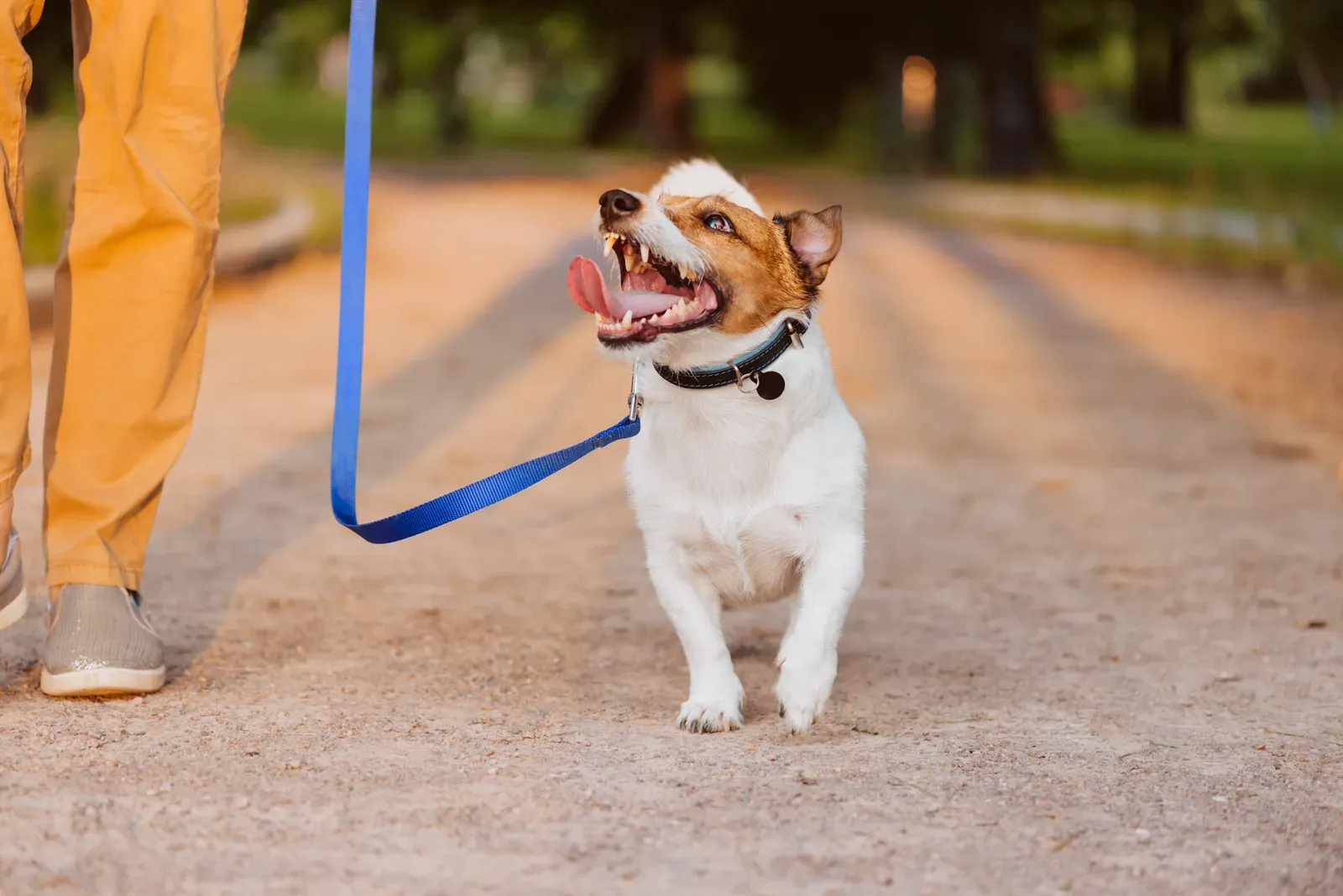
If every walk is a wrestling match, pulling, barking, zig-zagging, this two-week program rebuilds the walk from the ground up with foundational on-leash obedience..
Includes handover lesson, follow-up session, lifetime support, slip lead + collar

S · 5–6 week board & train
Behaviour Rehab
Kaitlin's specialty, and the work she loves most.
Includes assessment-built plan, 2 follow-ups, deep owner education
Asked and answered
The questions people ask us.
Will my puppy grow out of it?
Some puppy behaviours, like teething-related mouthing, often ease with age. Skills such as loose-leash walking and recall are taught rather than outgrown, so waiting will not create them.
Do dogs grow out of leash pulling?
Pulling is often a learned habit, rewarded each time the dog gets where it wanted to go. Getting older does not remove that reward, so pulling tends to need training rather than time.
Do dogs grow out of reactivity?
Reactivity often does not fade on its own and can grow with repeated stressful encounters. Management comes first, and a professional assessment is the sensible next step if it persists or escalates.
Is it too late to train an adult dog?
No. Adult dogs keep learning throughout life, though habits they have practised for a long time can take more consistent work to replace.
Keep reading
Wait, or start now?
Book a consultation to talk through whether your dog's behaviour looks like a phase or a pattern, and which program fits.
From real owners
Rated 5.0 on Google.
Real Northline dogs