
Comparisons
Board and train vs rehoming
If you are reading this, you may be tired, worried, or both. Considering rehoming does not make you a bad owner, and paying for training does not make you a good one. This page lays out what training can realistically change, the situations where a different home serves the dog better, and how an honest assessment can help you make the call.
Last reviewed October 4, 2026
What training changes
Problems that are skills and structure, not fit.
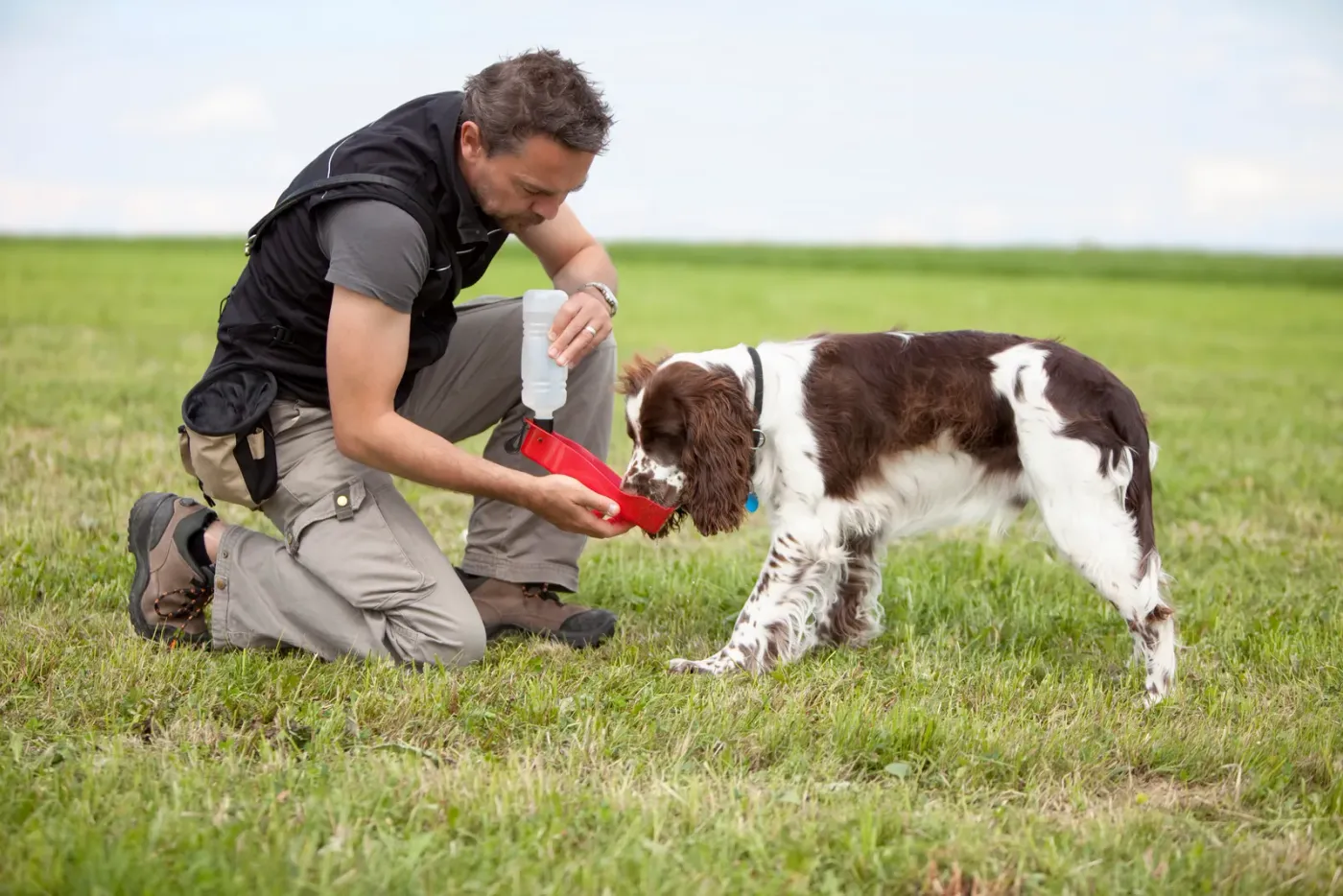
Many households reach breaking point over behaviours that are learnable: a dog who drags you down the street, jumps on every guest, or never settles in the evening. These are skill and structure problems. Board and train works on them with daily one-on-one practice and a routine, then a handover lesson so the household can keep it going. On-Leash Foundations, for example, is $1,865 + GST for two weeks.
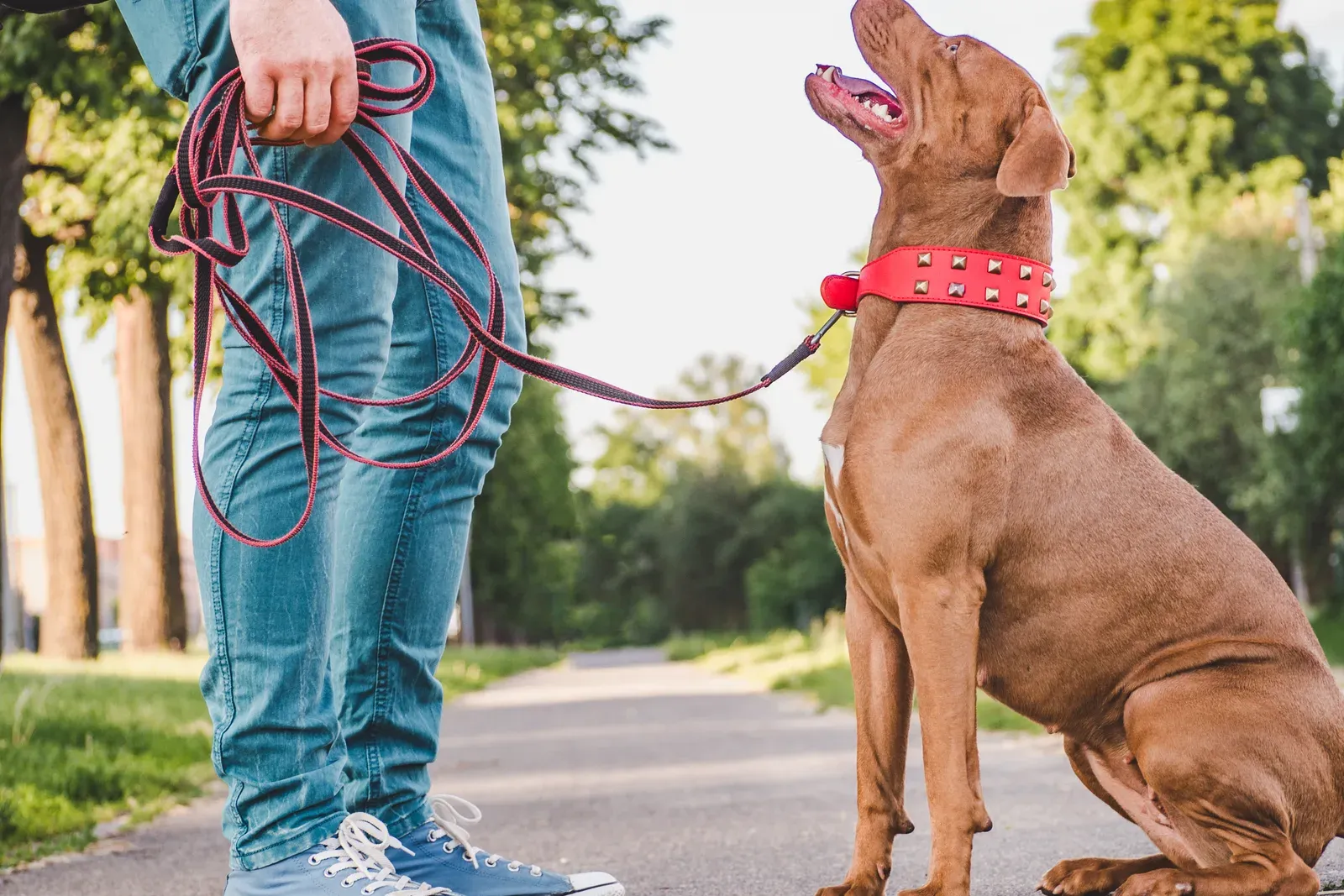
Fear, reactivity and aggression are harder, and they deserve a full behaviour assessment first. Behaviour Rehab runs five to six weeks at $4,850 to $5,760 + GST, customized after that assessment, and dogs with bite histories are considered once it is done. It works on confidence and reactivity at the dog's pace. It is a serious commitment, and nobody can honestly promise a particular result.
- Leash pulling and jumping
- No off switch at home
- Fear worked at dog's pace
- Assessment before any rehab
When a new home helps
Cases where rehoming is the kinder answer.
Some situations are about fit rather than training. A dog frightened of small children in a home with a new baby, a dog who needs far more exercise than anyone can give, or a home where the required management cannot be kept every day: in these, a carefully chosen new home may serve the dog better. Children should never be part of the training or testing in that decision.
If you do rehome, the next home deserves the full, honest history, including any bites, so they can manage the dog safely. If anything about the behaviour changed suddenly, a vet check comes before either choice. A consultation with us is an honest conversation: we will say what we think training could work on, and we will also say when we think it is not the right road.

The programs
Programs and prices
W · One-hour session
Private Training
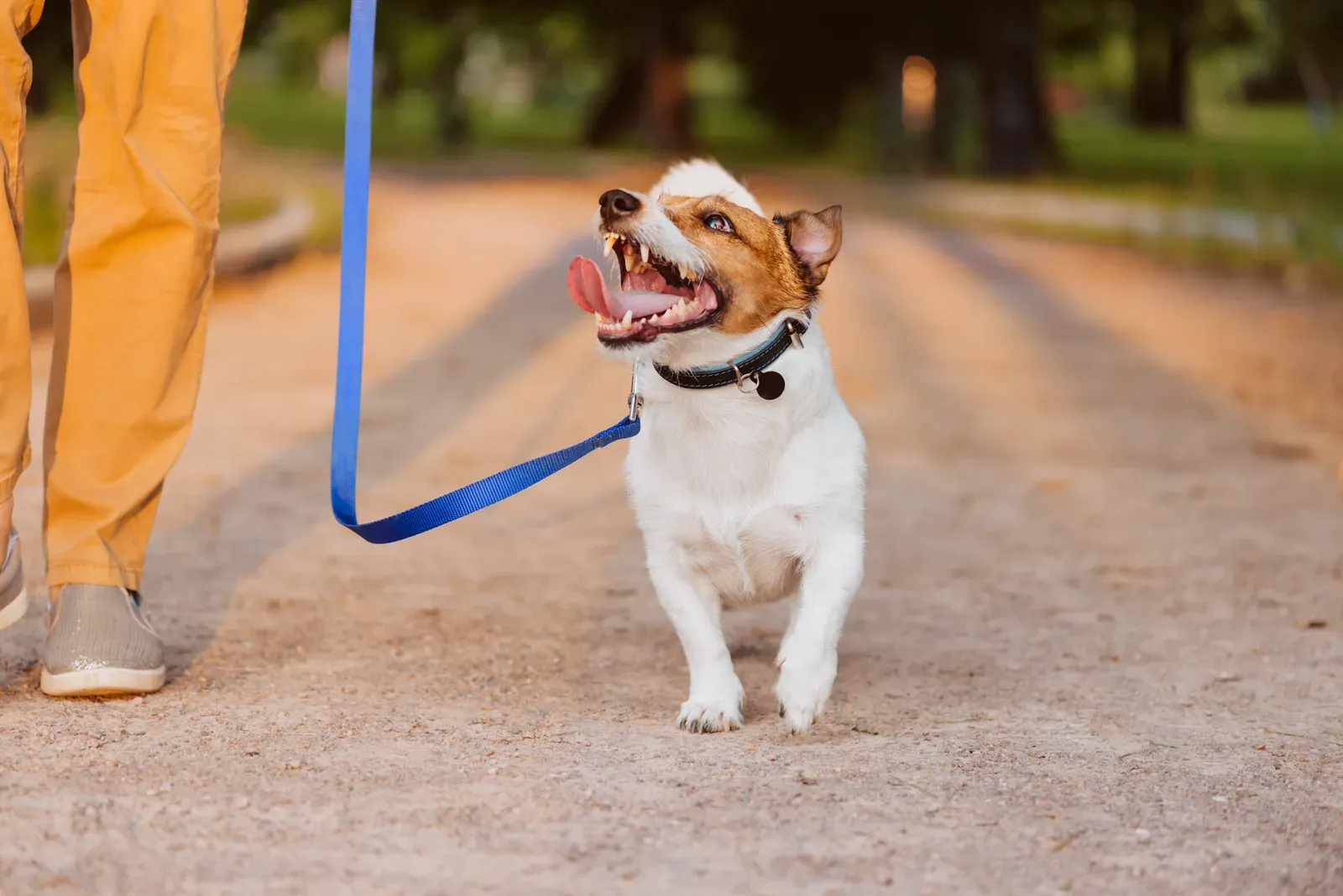
One-on-one coaching with you on the other end of the leash.
Includes a written weekly plan to work from

NE · 2-week board & train
On-Leash Foundations
If every walk is a wrestling match, pulling, barking, zig-zagging, this two-week program rebuilds the walk from the ground up with foundational on-leash obedience..
Includes handover lesson, follow-up session, lifetime support, slip lead + collar
S · 5–6 week board & train
Behaviour Rehab
Kaitlin's specialty, and the work she loves most.
Includes assessment-built plan, 2 follow-ups, deep owner education
Asked and answered
The questions people ask us.
Should I rehome my dog or try training first?
If the problem is a skill or structure issue, training is often worth trying before rehoming. If it is a fundamental mismatch between the dog and your household, or safety cannot be managed, a new home may be kinder.
Can board and train fix an aggressive dog?
No honest trainer can promise that. Behaviour Rehab starts with a full assessment and works on aggression, fear and reactivity at the dog's pace, with in-depth owner education and two follow-ups.
Is it wrong to rehome a dog?
Not when it is done carefully and for the dog's sake. Choosing a home that suits the dog better, and sharing the full history, can be a responsible decision.
Will you take a dog with a bite history?
Dogs with bite histories are considered for Behaviour Rehab after a full behaviour assessment. That assessment shapes whether the program is a fit and how it is customized.
Keep reading
Need an honest second opinion?
Book a consultation for a straight conversation about your dog, including whether training is the right road at all.
From real owners
Rated 5.0 on Google.
Real Northline dogs